
United Kingdom
UK & Europe’s Best-Kept Secrets: From Cornwall to the Isles of Scilly
Discover the UK’s best-kept secrets beyond London and Edinburgh. Explore coastal villages, the Isles of Scilly, and adventure routes across England.

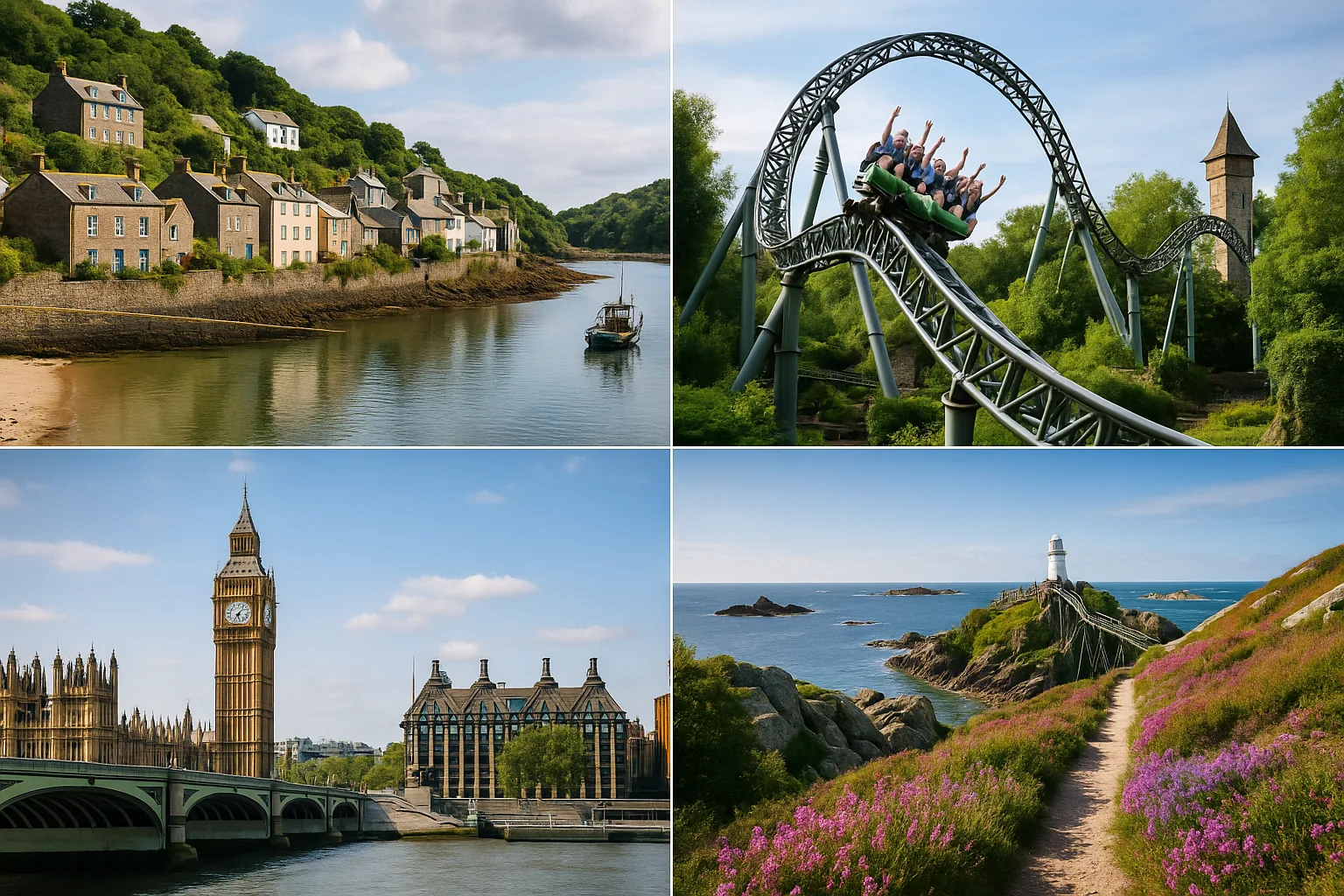
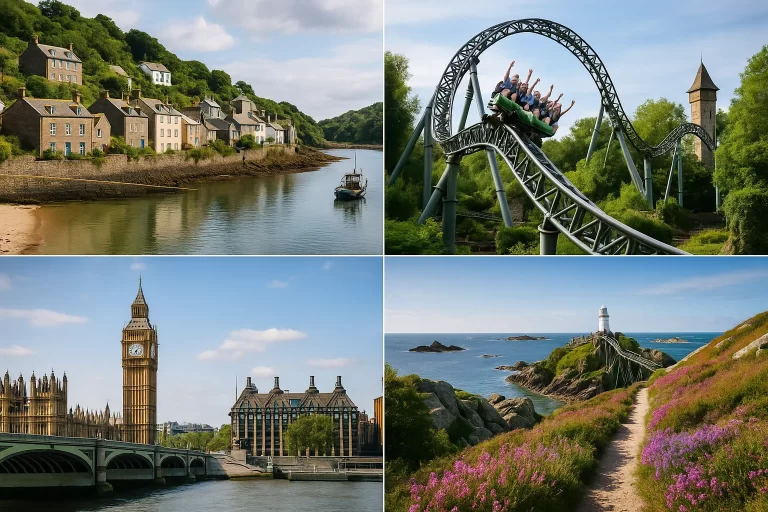
Your UK Hidden Gems Travel Guide: Beyond the Obvious, Into the Extraordinary
Everyone knows about London’s red buses and Edinburgh’s castle. But the UK holds something far more interesting beneath its tourist-trail surface — coastal villages where time seems to slow down, ancient university towns with centuries of stories, and remote island archipelagos that genuinely feel like another world. This uk hidden gems travel guide is your starting point for discovering the places that don’t always make the front page of a travel magazine but absolutely deserve a spot in your itinerary. Whether you’ve got a long weekend or a few weeks to spare, these destinations will reward the curious traveler who’s willing to look a little further than the obvious.
Cornwall: Where the Wild Atlantic Meets Village Life
Cornwall sits at the far southwestern tip of England, and it earns its reputation every single time. This isn’t just a pretty coastline — it’s a region with its own identity, its own dialect, and a pace of life that feels genuinely restorative. When you arrive, you’ll understand immediately why so many people keep coming back.
What Makes Cornwall Worth the Journey
The coastline alone is reason enough. Dramatic cliffs drop into coves so sheltered and clear you’ll do a double-take, wondering if you’ve somehow teleported to the Mediterranean. The light here is famously different — artists have been painting it for centuries, and once you see a Cornish sunset over the Atlantic, you’ll understand why.
But Cornwall is more than scenery. It’s the fishing villages with boats bobbing in the harbor, the bakeries selling proper pasties, the surf schools packed with beginners trying to catch their first wave. St Ives is the kind of place that rewards slow mornings — wander the narrow streets before the day-trippers arrive, find a café with a sea view, and let the morning stretch out. Mousehole (pronounced “Mowzel,” for the record) is even smaller and even more charming, a tucked-away harbor village that feels like a secret the locals would rather keep.
Getting Active on the Cornish Coast
If you’re the kind of traveler who’d rather be doing something than just looking at it, Cornwall delivers. The South West Coast Path runs along the entire Cornish coastline, and even tackling a short section of it gives you access to views that no road can reach. Kayaking, coasteering, wild swimming, and surfing are all part of daily life here — not just tourist add-ons.
The food scene has also evolved dramatically in recent years. You’ll find everything from traditional seafood shacks to creative restaurants making the most of the region’s exceptional produce. Fresh crab sandwiches eaten on a harbor wall might be the best meal you have all year.
The Isles of Scilly: The UK’s Most Surprising Secret
Here’s where this uk hidden gems travel guide gets genuinely exciting. Located just 28 miles off the coast of Cornwall, the Isles of Scilly are the kind of destination you’d expect to find somewhere far more exotic. White sand beaches. Turquoise water. Over 35 beaches scattered across a peaceful archipelago. And yet, most people have never even heard of them.
That’s changing — slowly — but for now, the Isles of Scilly remain one of those rare places where you can still feel like you’ve discovered something. According to the official Visit Isles of Scilly website, the islands offer a combination of natural beauty, wildlife, and tranquility that’s genuinely hard to find anywhere else in the British Isles. The water here really is that color. The beaches really are that quiet. It’s not a filter.
👉 Read also: UK Adventures Beyond London: Cornwall Beaches, Isles of Scilly & Theme Parks (2026)
Getting There
Reaching the Isles of Scilly is part of the adventure. You can sail or fly from Cornwall, with travel schedules running until at least October 2026 through Isles of Scilly Travel. The helicopter or small plane flight takes around fifteen minutes and gives you a bird’s-eye view of the archipelago as you descend — one of those arrival moments you’ll actually remember. The ferry crossing takes longer but gives you time to watch the Cornish coast disappear behind you and the islands slowly come into view on the horizon.
Neither option is expensive enough to break a budget, and both are straightforward to book in advance. If you’re traveling in summer, book early — spaces fill up, especially on weekends.
What to Do Once You Arrive
The honest answer is: slow down. The Isles of Scilly are not a destination for people who need to tick off a list of attractions. They’re a destination for people who want to actually feel somewhere. Walk between beaches. Take a boat between islands. Eat fresh seafood. Watch the stars — without light pollution, the night sky here is extraordinary.
Each of the five inhabited islands has its own character. St Mary’s is the largest and the main hub, with most of the accommodation and services. Tresco is known for its subtropical gardens, where plants thrive in the mild Atlantic climate. Bryher is wilder and more remote, facing the full force of the Atlantic on its western shore. St Martin’s has some of the finest beaches in the archipelago. St Agnes is the smallest and perhaps the most peaceful, with a community feel that makes you wish you could stay longer.
Wildlife enthusiasts will find plenty to keep them occupied. Seals are a common sight, puffins nest on the outer islands, and the waters around the archipelago support a remarkable variety of marine life. You don’t need to be a dedicated naturalist to appreciate it — just keep your eyes open on any boat crossing and you’re likely to see something worth remembering.
Practical Tips for the Isles of Scilly
- Book accommodation and travel well in advance for summer visits — the islands are small and popular.
- Pack layers even in summer. The Atlantic weather can shift quickly.
- Bring cash as well as cards — not every small business on the islands accepts card payments.
- Hire a bike on St Mary’s for an easy and scenic way to explore the main island.
- Take at least one inter-island boat trip — the views from the water are completely different from the shore.
- If you’re a swimmer, the water temperature is cooler than it looks, so a wetsuit extends your time in significantly.
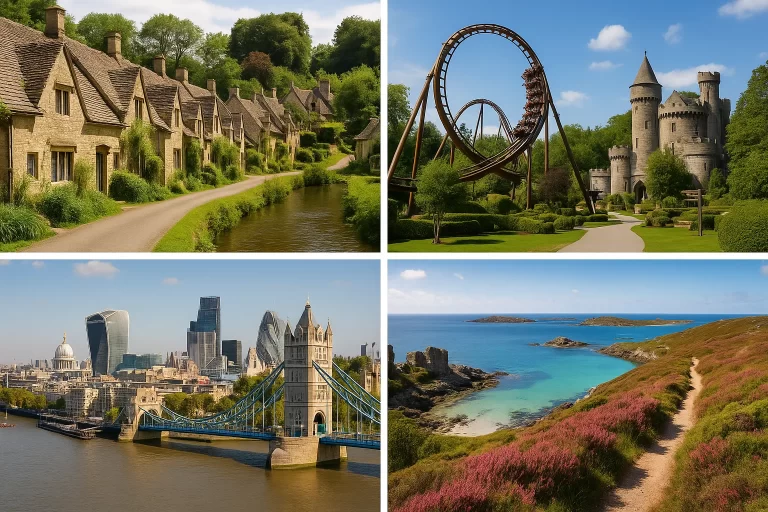
Oxford: History You Can Actually Walk Into
Oxford is one of those cities that could easily feel like a tourist trap — and in certain parts of the center, during peak season, it does. But get past the main drag, and you’ll find a city that’s genuinely worth your time. The university buildings here aren’t behind glass — many of them are open to visitors, and wandering through centuries-old quadrangles without any particular destination in mind is one of the better ways to spend an afternoon in England.
The covered market is a local institution — a Victorian indoor market packed with independent traders, food stalls, and the kind of atmosphere that no modern shopping center can replicate. The Bodleian Library complex is architecturally stunning and offers tours that take you into spaces most people never see. And the canal that runs through the western part of the city is a world away from the tourist crowds — lined with narrowboats, popular with cyclists and walkers, and genuinely peaceful.
For the best experience, visit on a weekday if you can, stay overnight to see the city after the day-trippers leave, and make time for the smaller museums. Oxford has an extraordinary concentration of free museums covering everything from natural history to the history of science, and most of them are quiet enough that you can actually think.
London’s Lesser-Known Corners
London appears in every travel guide ever written, but this uk hidden gems travel guide is interested in the version of London that most visitors miss entirely. The city is so large and so layered that even people who’ve visited multiple times often leave with a surprisingly narrow experience of it.
👉 Read also: UK Island & Coastal Escapes: Cornwall, Isles of Scilly & Theme Parks (2026)
Neighborhoods Worth Exploring
Bermondsey, southeast of the river, has transformed over the past decade into one of the most interesting neighborhoods in the city. The railway arches along Bermondsey Street house independent restaurants, galleries, and the kind of bars that feel like they’ve been there forever even when they haven’t. The antique market on Friday mornings is a genuine institution — arrive early if you want the best finds.
Dalston in east London has a creative energy that’s hard to describe and easy to feel. The area is known for its music venues, its Turkish and Kurdish restaurants, and a street life that runs late into the evening. It’s not a polished neighborhood, and that’s exactly the point.
Walthamstow, further east, is where you’ll find the William Morris Gallery — a beautiful house dedicated to one of Britain’s most influential designers, and almost always quiet enough to enjoy properly. The nearby wetlands nature reserve is one of the largest urban wetlands in Europe, and walking through it, you’ll find it genuinely difficult to believe you’re still within the city boundaries.
Green Spaces and Slow Mornings
London’s parks are famous, but the smaller green spaces are where the real character lives. Postman’s Park in the City of London contains a memorial cloister dedicated to ordinary people who died saving others — it’s moving, quiet, and almost always uncrowded. Nunhead Cemetery in south London is a Victorian garden cemetery that feels more like a woodland than a graveyard, with a skyline view of the City from its highest point. These are the kinds of places that make you see a city differently.
Planning Your UK Adventure: Practical Advice
The UK is compact enough that you can combine several of these destinations in a single trip without exhausting yourself. London to Oxford is under an hour and a half by train. Cornwall is reachable from London in around five hours, and from there the Isles of Scilly are just a short flight or ferry crossing away. A two-week itinerary could comfortably take in all of these places while still leaving room for the unexpected detours that often become the best memories.
- Rail travel between major cities is straightforward and often faster than driving — book in advance for the best prices.
- For Cornwall and the Isles of Scilly, late spring and early autumn offer fewer crowds and genuinely good weather.
- Hostels in London and Oxford are excellent and well-located — a good base for exploring without spending a fortune on accommodation.
- The National Express coach network connects many UK cities at a lower price point than trains, useful if your schedule is flexible.
- Many of the UK’s best experiences — coastal walks, city parks, free museums — cost nothing at all.
For deeper research into the Isles of Scilly specifically, the AFAR Magazine guide to the Scilly Isles is worth reading before you go — it captures the atmosphere of the islands well and offers practical planning advice.
Why the UK Keeps Surprising Travelers
There’s a tendency to think of the UK as a destination you’ve already figured out — a place you know from films, from history lessons, from the cultural export machine that’s been running for decades. But the UK that most people imagine and the UK that actually exists are quite different things. The real version is wilder, quieter, stranger, and more beautiful in unexpected places than the postcard version suggests.
This is what any honest uk hidden gems travel guide will tell you: the best experiences here aren’t always the ones with the longest queues or the biggest marketing budgets. They’re the ones you stumble into — the village you stopped at because the car needed fuel, the beach you found by following a coastal path past its marked end, the conversation with a stranger in a pub that turned into an invitation you didn’t expect. The UK rewards the traveler who’s willing to slow down, look sideways, and resist the pull of the obvious.
From the turquoise waters surrounding the Isles of Scilly to the Victorian back streets of London’s lesser-known neighborhoods, from Cornwall’s Atlantic-facing cliffs to Oxford’s ancient quadrangles, the UK is a country that keeps giving — as long as you’re curious enough to keep looking. Pack light, stay flexible, and go find your own version of it. The stories you’ll bring back will be worth every mile.
This article was produced with AI assistance and reviewed editorially.


Caye Caulker Slow Travel: Snorkeling, Street Food, and Why You Should Stay Longer

Southeast Asia on a Shoestring: Budget Routes Across Thailand, Vietnam & Cambodia


