
United Kingdom
UK Adventures Beyond London: Cornwall Beaches, Isles of Scilly & Theme Parks (2026)
Discover UK holidays outside London with our guide to Cornwall’s coastal villages, the remote Isles of Scilly, and the country’s best theme parks with discount strategies

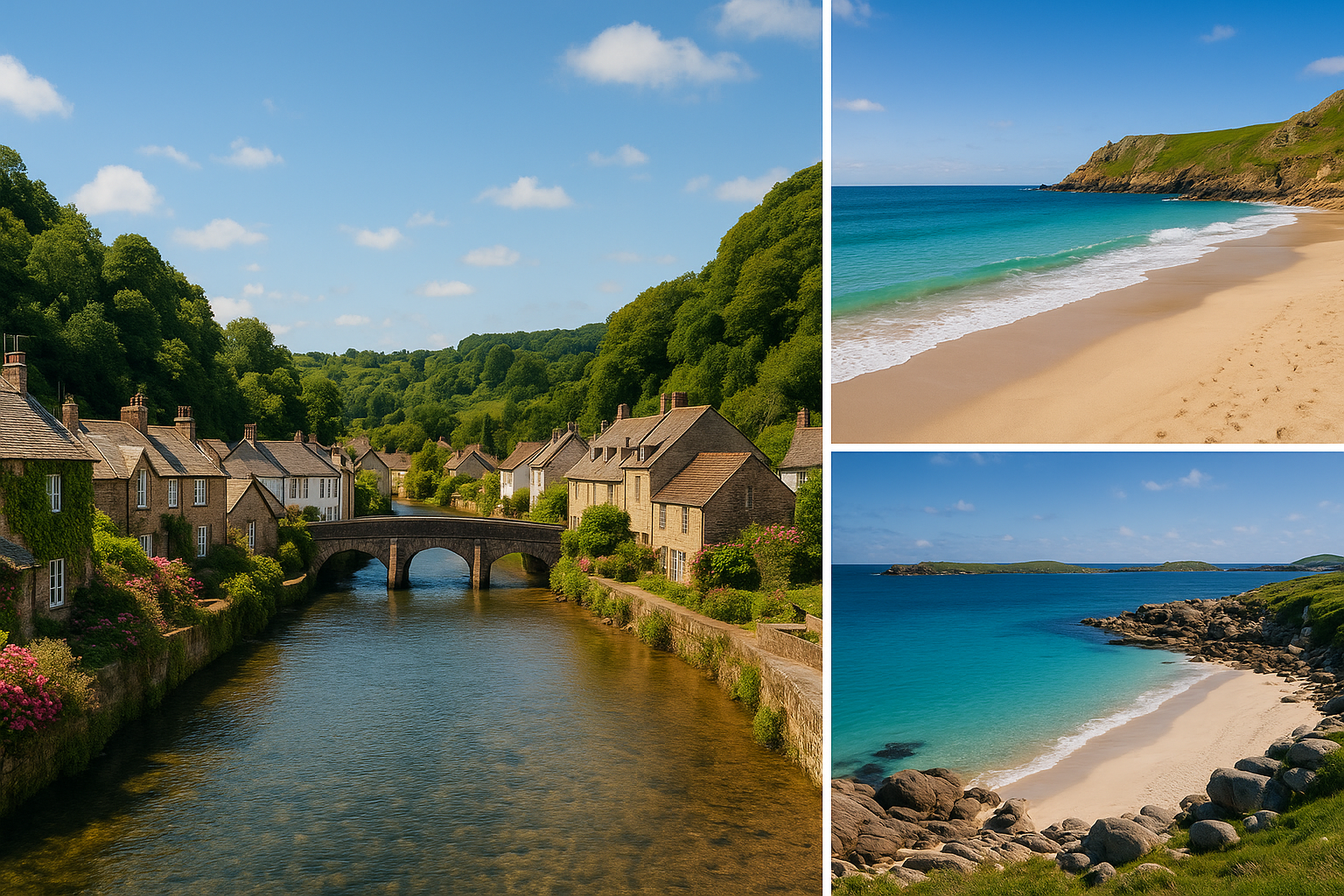
Why UK Holidays Outside London Are Worth Every Train Ticket
London is iconic — no one’s disputing that. But if you’ve already done the Thames walk and the museum circuit, or you’re simply craving something wilder and more open, the rest of England is waiting for you. UK holidays outside London offer coastlines that look like they belong on a postcard, islands so remote they feel like a different world, and theme parks that’ll have your heart racing before lunch. This guide covers three very different kinds of adventure: the rugged beauty of Cornwall, the extraordinary Isles of Scilly, and the best theme parks scattered across the country. Whether you’ve got a long weekend or a full two weeks, there’s something here worth discovering.
Cornwall: Where England Gets Wild and Beautiful
Cornwall sits at the southwestern tip of England, jutting out into the Atlantic like it’s daring you to explore it. It’s one of those places that feels genuinely different from the rest of the country — the light is softer, the pace is slower, and the coastline is endlessly dramatic. Fishing villages cling to cliffsides, narrow lanes wind between hedgerows, and the sea seems to be visible from almost everywhere you stand.
Coastal Villages Worth Getting Lost In
Cornwall is home to some of England’s most photogenic villages. St Ives is probably the most famous — a harbour town with a strong artistic heritage, independent galleries tucked into whitewashed streets, and a beach right in the centre of town. It’s busy in summer, but arrive early in the morning and you’ll have the harbour almost to yourself. The light there really is something special, which is why artists have been drawn to it for well over a century.
Mousehole (pronounced “Mowzel,” for the record) is smaller and quieter, with a beautiful stone harbour and the kind of old-world charm that makes you want to sit outside a café and do absolutely nothing for an afternoon. Porthleven is another gem — a working harbour with a reputation for serious surf and some genuinely excellent independent restaurants along the waterfront. In stormy weather, it’s one of the most dramatic spots in the whole county.
Further east, the fishing village of Mevagissey and the medieval port of Fowey offer a different side of Cornwall — more wooded, more sheltered, with river estuaries and creeks that beg to be explored by kayak or on foot. Fowey in particular has a strong literary connection and a lovely mix of independent shops and waterside pubs.
Beaches That Don’t Need a Filter
Cornwall’s beaches range from wide, surf-friendly stretches to tiny hidden coves accessible only on foot. Fistral Beach near Newquay is the spiritual home of British surfing — if you’ve never tried it, there are surf schools right on the beach that cater to complete beginners. The waves are consistent, the atmosphere is energetic, and even if you spend most of your time falling off the board, you’ll have a great time doing it.
For something more secluded, Kynance Cove on the Lizard Peninsula is one of the most visually striking beaches in England. The turquoise water, the jagged serpentine rock formations, and the white sand make it feel almost Mediterranean — except the water is considerably colder. Porthcurno, near Land’s End, sits at the bottom of dramatic granite cliffs and has an open-air theatre carved into the rock above it. Bathe in the afternoon, catch a show in the evening. That’s a good day.
Perranporth, Polzeath, and Sennen Cove are all worth adding to your list if you’re a surfer or just want long, open beaches where you can walk for miles without feeling crowded. Cornwall has over 300 miles of coastline, so you’re genuinely spoiled for choice.
Walking the South West Coast Path
The South West Coast Path runs along much of Cornwall’s coastline and is one of the great long-distance walking routes in England. You don’t need to walk the whole thing — most people dip in and out, picking sections that interest them. The stretch between St Ives and Zennor is particularly rewarding, with sweeping Atlantic views and a real sense of remoteness. The path between Fowey and Polruan involves a ferry crossing and some steep but beautiful woodland sections. Even a two-hour walk on any part of the coast path will give you a perspective on Cornwall that no bus tour can replicate.
The Isles of Scilly: England’s Most Remote Escape
Approximately 28 miles west of Land’s End, the Isles of Scilly are one of the most extraordinary places you can visit without leaving England. This archipelago of small islands and uninhabited rocks sits in the Atlantic with a climate mild enough to support subtropical gardens and a pace of life so unhurried it can feel almost disorienting if you arrive straight from a city. There are no traffic lights. There are very few cars. There are, however, over 35 beaches spread across the islands — and most of them are quiet even in peak season.
What Makes Scilly So Special
The five inhabited islands — St Mary’s, Tresco, St Martin’s, St Agnes, and Bryher — each have their own distinct character. St Mary’s is the largest and the main hub, with the only town (Hugh Town) and most of the accommodation. It’s a good base for exploring the others by inter-island boat. Tresco is famous for its Abbey Gardens, a remarkable subtropical garden that thrives in Scilly’s unusually mild microclimate — you’ll find plants here that grow nowhere else in the British Isles outdoors. St Martin’s is known for its fine white sand beaches, the kind you’d expect to find somewhere much further south, with clear water that shifts between shades of turquoise and deep blue depending on the light.
St Agnes and Bryher are the smallest and most remote of the inhabited islands, and they reward visitors who make the extra effort to reach them. Bryher in particular, with its wild Atlantic-facing coast and tiny community, feels genuinely off the grid in a way that’s increasingly hard to find anywhere in Europe.
Getting There
Getting to the Isles of Scilly is part of the adventure. The most common approach is to take the train from London Paddington to Penzance — a scenic journey through the West Country that passes through some beautiful countryside — and then either fly from Land’s End Airport to St Mary’s or take the Scillonian ferry from Penzance. The flight takes around fifteen minutes; the ferry takes roughly two and a half hours and gives you a proper sense of how far out into the Atlantic you’re going. If you’re prone to seasickness, the flight is the safer option on rougher days.
Responsible Travel offers an organised eight-day Cornwall and Isles of Scilly holiday that combines the train journey from London to Penzance with flights to St Mary’s and visits to St Ives, Tresco, and Tresco Abbey Gardens — a good option if you want a structured introduction to both destinations without having to plan every detail yourself. For those who prefer independent travel, it’s entirely possible to arrange everything yourself once you know the basics.
If you want a more guided experience with a focus on outdoor exploration, Adventure Life offers a selection of tours to the Isles of Scilly for 2026 and 2027, ranging from nine to thirteen days, with itineraries that combine the islands with broader Cornwall exploration.
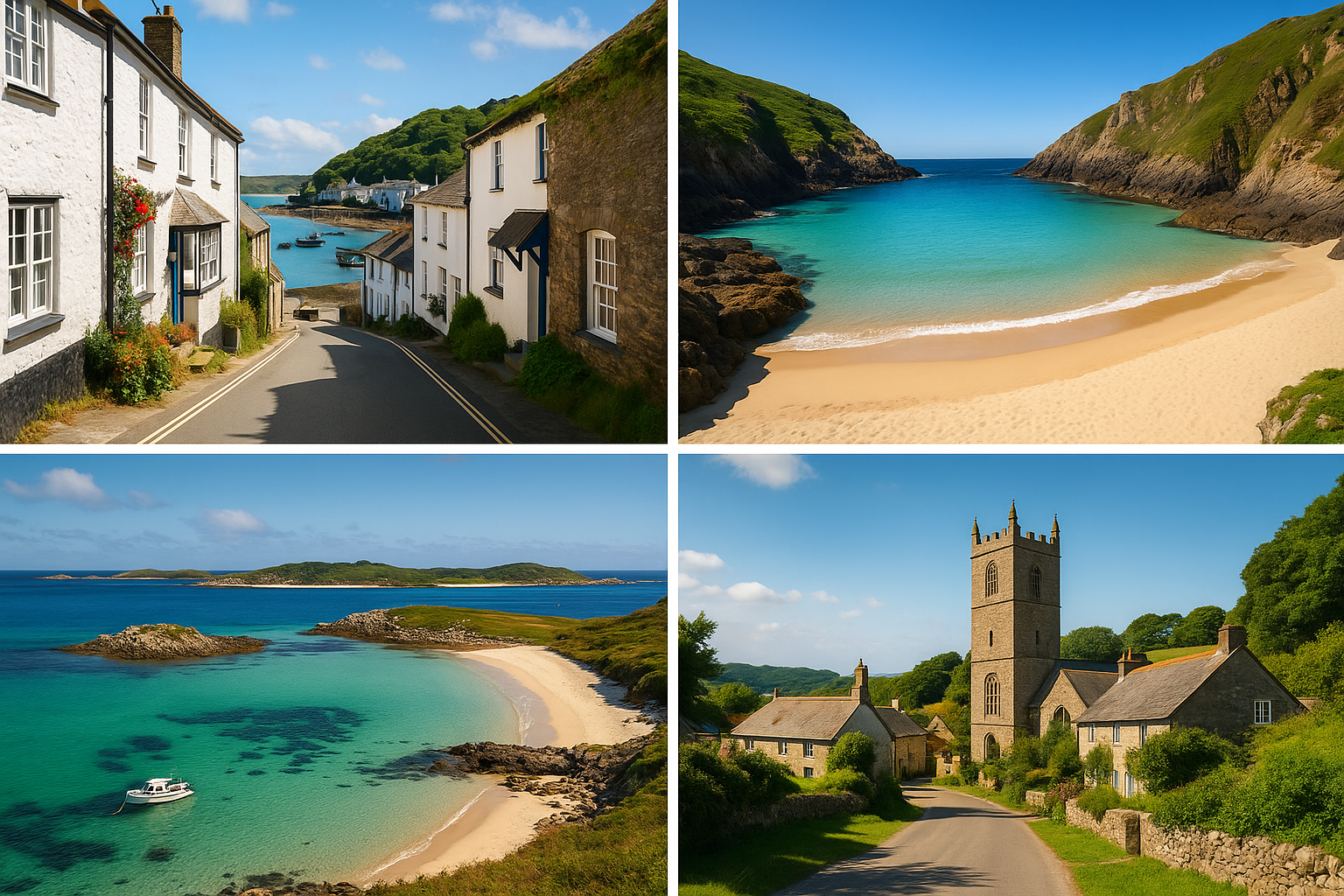
What to Do on the Islands
Sea kayaking between the islands is one of the best ways to experience Scilly — the water is clear, the distances are manageable, and you get a perspective on the archipelago that you simply can’t get from land. Snorkelling is also popular, particularly around the rocky reefs where grey seals are a common sight. Walking is another major draw; the islands are compact enough to explore on foot, and the coastal paths offer views that are hard to describe without sounding like you’re exaggerating.
In the evenings, the pace shifts to something very relaxed — a meal at a small local restaurant, a drink at a harbour-side pub, and the kind of stargazing that’s only possible when there’s almost no light pollution for miles in any direction. The Isles of Scilly have some of the darkest skies in England.
UK Theme Parks: Thrills Beyond the Capital
If your idea of a great day out involves screaming at the top of a rollercoaster, England has you covered well beyond the M25. Some of the country’s best theme parks are scattered across the Midlands, the North, and the South, and they’re all accessible by public transport or a reasonably short drive from major cities.
The Big Hitters
Alton Towers in Staffordshire remains one of the most visited theme parks in the country, with a strong lineup of major rollercoasters and thrill rides set within the grounds of a ruined historic estate — which gives it a genuinely unusual atmosphere. Thorpe Park in Surrey is closer to London but still firmly outside the capital, with a focus on high-intensity rides and a younger, more energetic crowd. Chessington World of Adventures, also in Surrey, offers a broader mix of rides and animal attractions, making it a good option if you’re travelling with people of different ages or interests.
In the North, Blackpool Pleasure Beach is a British institution — a seafront park with a mix of historic wooden rollercoasters and modern steel rides, all set against the backdrop of the famous illuminations. Further north, M&Ds in Scotland and Flamingo Land in North Yorkshire offer strong regional alternatives. Drayton Manor in the Midlands has a well-regarded mix of family and thrill rides, while Paultons Park in Hampshire — home to Peppa Pig World — is worth knowing about if you’re travelling with younger siblings or cousins.
Getting the Most for Your Money
Theme park tickets can be expensive if you buy them at the gate, but there are reliable ways to reduce the cost significantly. Booking online in advance almost always gives you a lower price than walking up on the day — most parks offer early-bird rates that can save a meaningful amount per person. Visiting on weekdays, particularly outside school holidays, tends to be both cheaper and less crowded. Some parks offer two-day tickets at a rate that works out better value if you want to take your time rather than rushing through everything in a single visit.
Many parks also offer annual passes that pay for themselves after two or three visits, which is worth considering if you’re based nearby or plan to visit multiple times across the year. Checking the park’s official website for seasonal promotions — particularly around off-peak periods in spring and autumn — often turns up deals that aren’t widely advertised. Student discount platforms and cashback sites are also worth checking before you buy, as theme parks frequently partner with these services for promotional periods.
One practical tip: bring your own food and drinks where the park allows it. Catering inside theme parks is notoriously expensive, and packing a decent lunch can save you a significant amount over the course of a day out.
Planning Your Trip: Practical Notes
Getting Around
England’s rail network connects most major destinations reasonably well, and booking train tickets in advance — particularly for longer journeys like London to Penzance — can bring costs down considerably. The Great Western Railway route to Cornwall is one of the more scenic rail journeys in England, passing through Exeter, Plymouth, and along the dramatic Dawlish sea wall. For theme parks, many are accessible by rail with a short taxi or bus connection, though a car gives you more flexibility, especially in Cornwall where public transport between villages can be infrequent.
When to Go
Cornwall and the Isles of Scilly are at their most atmospheric in late spring and early autumn — the crowds are thinner, the light is beautiful, and accommodation prices are lower than in the peak summer weeks. The islands in particular feel very different in September compared to August: quieter, calmer, and arguably more themselves. Theme parks are busiest during school holidays, so if you want shorter queues and better value, aim for term-time visits if your schedule allows it.
Where to Stay
Cornwall has a wide range of accommodation options, from independent hostels and surf lodges in Newquay to small guesthouses in harbour villages and self-catering cottages across the county. For budget travellers, hostels in St Ives, Newquay, and Penzance offer good value and a social atmosphere. On the Isles of Scilly, accommodation is more limited and books up well in advance, particularly for summer — planning ahead is essential. Camping is available on some of the islands and is a genuinely memorable way to experience the archipelago.
The Bigger Picture: Why It’s Worth Exploring Beyond the Capital
There’s a version of a UK trip that begins and ends in London, and it’s a perfectly good trip. But the England that exists beyond the capital — the dramatic coastlines, the remote islands, the old fishing villages, the moorlands, the theme parks full of screaming and laughter — is a different kind of experience entirely. UK holidays outside London give you space to breathe, room to wander, and the chance to discover places that don’t always make it onto the standard tourist circuit. Cornwall alone could fill weeks of exploration, and the Isles of Scilly are one of those rare destinations that genuinely surprise almost everyone who visits them for the first time.
Whether you’re planning a solo adventure, a road trip with friends, or a spontaneous weekend escape, the destinations in this guide are a strong starting point. Pack light, book your train in advance, and leave room in your itinerary for the unexpected — because that’s usually where the best memories come from.
This article was produced with AI assistance and reviewed editorially.


City Guides for Young Travelers: Buenos Aires, Quito, and Trujillo (Culture, Food & Adventure)

Where to Stay in Southern Africa: Botswana, Namibia & Madagascar for First-Time Visitors


