
Tips & Tricks
Travel Gear for Young Backpackers: The 2026 Backpack Buyer’s Guide and Top Reviews
Find the best travel backpack for your adventure. Compare top models like Tortuga Pro V2 and Matador Globerider 35L with sizing guides and expert reviews.

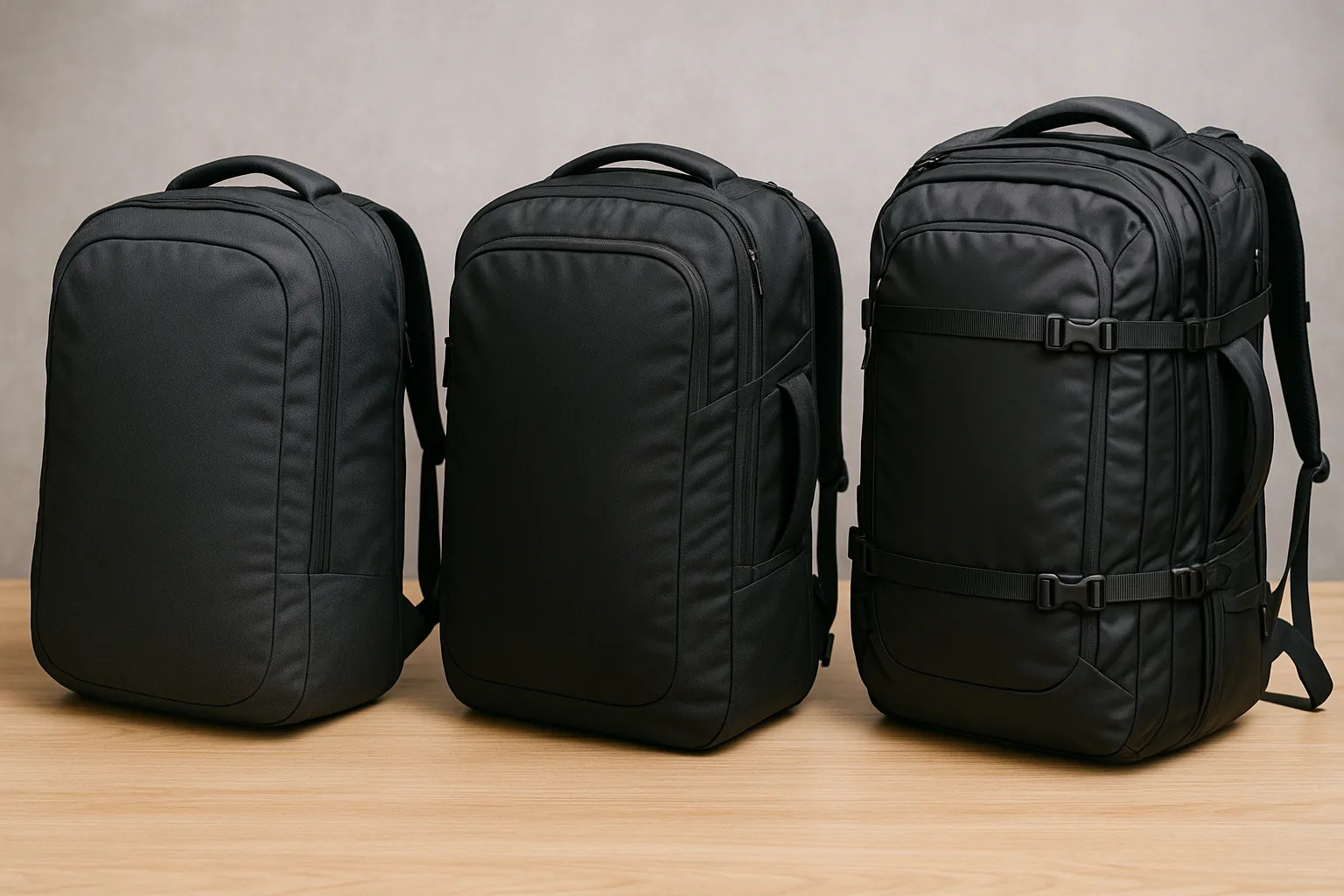
How to Choose the Best Travel Backpack for Your Next Adventure
Choosing the best travel backpack is one of the most important decisions you’ll make before any trip. It’s not just about carrying your stuff — it’s about carrying it comfortably, efficiently, and without regret halfway through a cobblestone street in Lisbon. The right pack becomes an extension of you. The wrong one becomes a source of constant frustration. And with so many options flooding the market in 2026, the decision can feel genuinely overwhelming. This guide is here to cut through the noise, walk you through what actually matters, and help you invest in a pack that earns its place on every adventure you take.
Why Your Backpack Is the Most Important Piece of Gear You Own
Everything else you pack goes inside it. Your clothes, your chargers, your camera, your snacks — all of it depends on your backpack being well-designed, durable, and suited to your travel style. A poorly chosen bag can ruin a trip in ways you don’t anticipate: straps that dig into your shoulders after two hours, zippers that jam in the rain, or a layout so disorganized that finding your passport feels like an archaeological dig.
Young travelers especially tend to underestimate this. You might think any bag will do for a weekend trip, and maybe it will. But if you’re planning longer adventures — multi-week backpacking routes, city-hopping across Southeast Asia, or a spontaneous road trip across South America — your backpack needs to keep up with you. It needs to survive budget airlines, overnight buses, hostel common rooms, and the occasional sprint through an airport.
The good news? There’s genuinely excellent gear out there right now. Multiple in-depth buyer’s guides published in 2026 — from outlets like Gear Junkie and Indie Traveller — confirm that the current market offers strong options across every price point and travel style. You just need to know what you’re looking for.
The Sizing Question: How Much Space Do You Actually Need?
This is where most first-time buyers go wrong. They either pack too big and end up lugging around dead weight, or they go too small and spend every trip doing laundry every three days out of necessity rather than choice. Getting the volume right is the foundation of a good backpack decision.
Compact and Day Bags (12–26L)
These aren’t your primary travel bags — they’re your companions for day trips, city explorations, and short overnight stays. A compact bag in the 12–16L range is ideal for day hikes, museum visits, or carrying your essentials when you leave the hostel for the day. EDC (Every Day Carry) bags in the 18–22L range offer a bit more room and work well for digital nomads who need to carry a laptop, notebook, and a change of clothes. The 24–26L hybrid range sits right on the edge — still carry-on friendly on most airlines, but roomy enough for a long weekend. A backpack buying guide from the creator nitpacker, published earlier this year, breaks this spectrum down clearly, and it’s worth watching if you’re considering a compact-first approach to travel.
Mid-Range Bags (30–45L)
This is the sweet spot for most young travelers. A 35L bag is the gold standard for carry-on travel — it fits in overhead bins on most airlines, forces you to pack light, and keeps you mobile. You won’t be checking luggage, which means no waiting at carousels, no baggage fees, and no lost bags. For trips up to two or three weeks, a well-organized 35L bag is often all you need. The 40–45L range gives you a little more flexibility — useful if you’re traveling through climates that require bulkier clothing, or if you’re planning a trip that blends city stays with outdoor adventures.
Large Bags (50–65L+)
These are for extended trips, outdoor expeditions, or travelers who simply refuse to pack light. A 50L bag works for month-long journeys where you genuinely need more gear, while 65L and above is territory reserved for serious trekking, camping, or trips where you’ll be far from laundry facilities for extended periods. Be honest with yourself here: most travelers who buy a 65L bag end up wishing they’d gone smaller. Big bags invite overpacking, and overpacking slows you down in every sense.
👉 Read also: The 10 Best Budget Destinations for Young Travelers in 2026
What to Look for Beyond Just Size
Once you’ve settled on a volume range, you need to evaluate the actual construction and features of any bag you’re considering. Here’s what deserves your attention.
Weight
The lighter the bag, the more you can carry inside it before hitting airline weight limits. But ultralight bags sometimes sacrifice structure and durability. Look for a balance — a bag that’s built solidly but doesn’t add unnecessary bulk. As a general rule, your empty bag should weigh as little as possible while still feeling sturdy in your hands. If it feels flimsy when empty, it won’t hold up when full.
Comfort and Fit
This is non-negotiable. A bag that doesn’t fit your body properly will cause real physical discomfort — back pain, shoulder strain, neck tension — after just a few hours of walking. Look for padded, adjustable shoulder straps, a sternum strap that keeps the load centered, and a hip belt if you’re carrying heavier loads. Some bags are designed with specific torso lengths in mind, so check whether the brand offers sizing options or an adjustable suspension system. If you can, try the bag on in person before buying. Load it with some weight. Walk around. You’ll know immediately whether it works for you.
Organization
How a bag is laid out matters enormously in day-to-day travel. Clamshell openings — where the bag opens fully like a suitcase — make packing and unpacking dramatically easier than top-loading bags. Multiple compartments help you separate clean clothes from dirty ones, keep your tech gear accessible, and avoid the chaos of digging through everything to find one thing. A dedicated laptop sleeve is essential if you’re traveling with a computer. Quick-access pockets on the front or sides are great for items you need frequently — your phone, passport, headphones, or snacks.
Weather Resistance
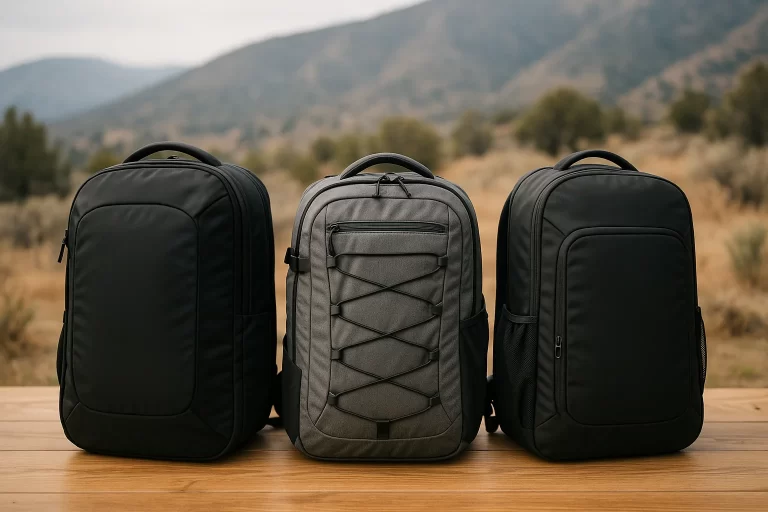
You will get caught in the rain. It’s not a question of if — it’s when. A bag with a durable water-resistant coating and quality zippers will protect your gear far better than one that soaks through in a light drizzle. Some bags come with a built-in rain cover, which is a useful bonus. Even if your bag is water-resistant, it’s worth using packing cubes or dry bags inside for your electronics and anything else that can’t get wet.
Durability
A good travel backpack should last years, not months. Look at the quality of the zippers — YKK is a widely trusted zipper brand and a reliable indicator of overall build quality. Check the stitching at stress points like strap attachment zones and handle loops. Read reviews that specifically mention long-term use rather than just first impressions. A bag that holds up after two years of hard travel is worth more than one that looks great in unboxing photos.
Tortuga and Other Premium Options Worth Knowing About
When it comes to bags designed specifically for travelers rather than hikers, Tortuga is a name that comes up consistently in 2026 buyer’s guides — including in Indie Traveller’s comprehensive roundup. The brand has built a strong reputation for creating bags that are carry-on compliant, well-organized, and genuinely comfortable for extended travel. If you’re considering a Tortuga model, it’s worth heading directly to their website to check the latest specs, pricing, and any updates to their current lineup. Manufacturer pages will always have the most accurate and current information.
The Matador Globerider 35L is another name circulating in travel communities right now, particularly among travelers who want a bag that transitions smoothly between urban environments and light outdoor use. For verified specs, weight, and pricing on the Globerider, check Matador’s official product page or a trusted review outlet directly — details change with new editions and it’s worth getting the current numbers before you buy.
👉 Read also: Epic Hiking Trails for Young Adventurers: Valbona-Theth, Kumano Kodo & More
Other brands consistently earning praise in 2026 include Osprey, Nomatic, Peak Design, and Cotopaxi — each with distinct strengths depending on your travel style. Osprey is beloved for comfort and durability on longer trips. Peak Design is a favorite among photographers and minimalists who want clean aesthetics and clever organization. Nomatic leans toward digital nomads with tech-forward layouts. Cotopaxi brings a sustainability angle and vibrant design that stands out in a sea of black and grey bags.
Budget vs. Premium: Is It Worth Spending More?
This is a fair question, especially when you’re a young traveler managing a tight budget. The honest answer is: it depends on how much you travel and how long you expect the bag to last.
A budget bag in the range of fifty to eighty dollars might serve you perfectly well for occasional weekend trips or a single gap year adventure. If you’re not sure travel is going to become a regular part of your life, starting with something affordable makes sense. You can always upgrade later once you know your travel style better.
But if you’re already committed to traveling regularly — or you’re planning a long trip where your bag will be your constant companion for months — investing in a premium option often pays off over time. A well-made bag at a higher price point typically lasts significantly longer, offers better comfort over extended wear, and saves you the frustration of replacing a cheaper bag after it falls apart mid-trip. Think of it as cost-per-use: a durable bag that lasts five years of regular travel often works out cheaper in the long run than buying two or three budget bags in the same period.
Some brands also offer warranties that cover manufacturing defects, which adds real peace of mind when you’re investing in gear. Check warranty terms before you buy — a lifetime or multi-year guarantee is a strong signal of a brand’s confidence in their product.
Tips for Buying Smart in 2026
- Read recent, long-term reviews. First impressions are useful, but reviews from travelers who’ve used a bag for six months or more will tell you far more about durability and comfort.
- Check carry-on dimensions carefully. Airlines vary in their size restrictions, and some budget carriers are stricter than others. Measure your bag and compare it against the airlines you fly most often.
- Consider your packing style. If you tend to overpack, a smaller bag forces discipline. If you travel with specialized gear — a camera kit, climbing equipment, musical instruments — factor that into your volume needs.
- Try before you buy when possible. Outdoor gear stores often stock travel backpacks you can try on and load up. Spending twenty minutes in a store can save you weeks of regret.
- Look for sales around major travel seasons. Gear brands often run promotions in late spring and early autumn — timing your purchase can save you a meaningful amount.
- Don’t forget packing cubes. They’re not glamorous, but packing cubes transform the interior organization of almost any bag and make your daily life on the road significantly easier.
Where to Research Before You Buy
Beyond this guide, there’s a wealth of solid, current information available. Publications like Better Trail, which published a detailed 2026 roundup in August of this year, offer hands-on testing and side-by-side comparisons that go deep into specific models. Nomadic Matt’s long-running guide on choosing the right travel backpack is another resource worth reading — it approaches the question from a practical, experience-first perspective that resonates with independent travelers. YouTube is also genuinely useful here: video reviews let you see the bag in action, understand how the compartments open and close, and get a real sense of scale that photos don’t always capture.
The key is to cross-reference. No single review tells the whole story. Read a few different sources, watch a couple of videos, and pay attention to which concerns or praises come up repeatedly — those are the things most likely to reflect your own experience.
The Bag That Fits Your Journey
There’s no single best travel backpack for every traveler. There’s the best one for you — based on where you’re going, how long you’re staying, what you need to carry, and how your body feels after eight hours of walking. The right bag fades into the background of your trip. You stop thinking about it because it just works. Your shoulders don’t ache, your passport is always where you expect it to be, and your gear arrives at every destination exactly as you packed it.
Take the time to choose well. Ask the questions. Read the reviews. Try the bag on. Because once you find the pack that fits your travel style, it becomes part of every story you bring home — quietly present in every photo, every border crossing, every sunrise you catch from a rooftop somewhere unexpected. Your next adventure deserves gear that’s ready for it.
This article was produced with AI assistance and reviewed editorially.


Caye Caulker Slow Travel: Snorkeling, Street Food, and Why You Should Stay Longer

Southeast Asia on a Shoestring: Budget Routes Across Thailand, Vietnam & Cambodia


