
Roaming Around the World
Solo Travel Safety: Real Talk About Staying Smart Without Staying Scared
Solo travel safety guide with practical street smarts, digital security, and confidence-building strategies for first-time solo travelers.

Solo Travel Safety: Real Talk About Staying Smart Without Staying Scared
Solo travel safety is one of the most searched topics among first-time travelers — and honestly, it deserves more than a generic checklist. Because the real conversation isn’t about whether solo travel is dangerous. It’s about understanding the difference between actual risk and the fear that keeps too many people from ever booking that first flight.
Millions of people travel alone every year. They wander through unfamiliar cities, take overnight trains, stay in hostels full of strangers, and come home with the kind of stories you can’t manufacture. Most of them encounter zero emergencies. What they do encounter is discomfort, uncertainty, and the occasional moment where something feels off. That’s not danger — that’s growth.
But let’s be honest. Risk is real. And being smart about it makes the whole experience better.
Before You Go: The Prep That Actually Matters
Good solo travel safety starts before you leave your front door. Not with paranoia, but with preparation.
Share your itinerary with someone you trust — a friend, a family member, anyone who knows roughly where you’ll be and when. You don’t need to check in every hour, but someone should know your general plan. It’s a simple habit that costs nothing and matters a lot if something goes sideways.
Research your destination beyond the highlights. Understand local customs, common scams targeting tourists, and which neighborhoods are best avoided at night. The UN World Tourism Organization publishes destination data that can give you a broader picture of travel trends and safety contexts by region. Local travel forums and communities are equally valuable — real experiences from people who’ve actually been there beat any guidebook.
- Save emergency contacts locally on your phone, not just in the cloud
- Photograph your passport, insurance documents, and bank cards
- Know the address of your country’s nearest embassy or consulate
- Download offline maps so you’re never dependent on mobile data
On the Ground: Awareness Without Anxiety
Situational awareness sounds intense, but it’s really just paying attention. Put your phone away when you’re walking through a new area. Notice who’s around you. Learn the rhythm of a place before you fully relax into it.
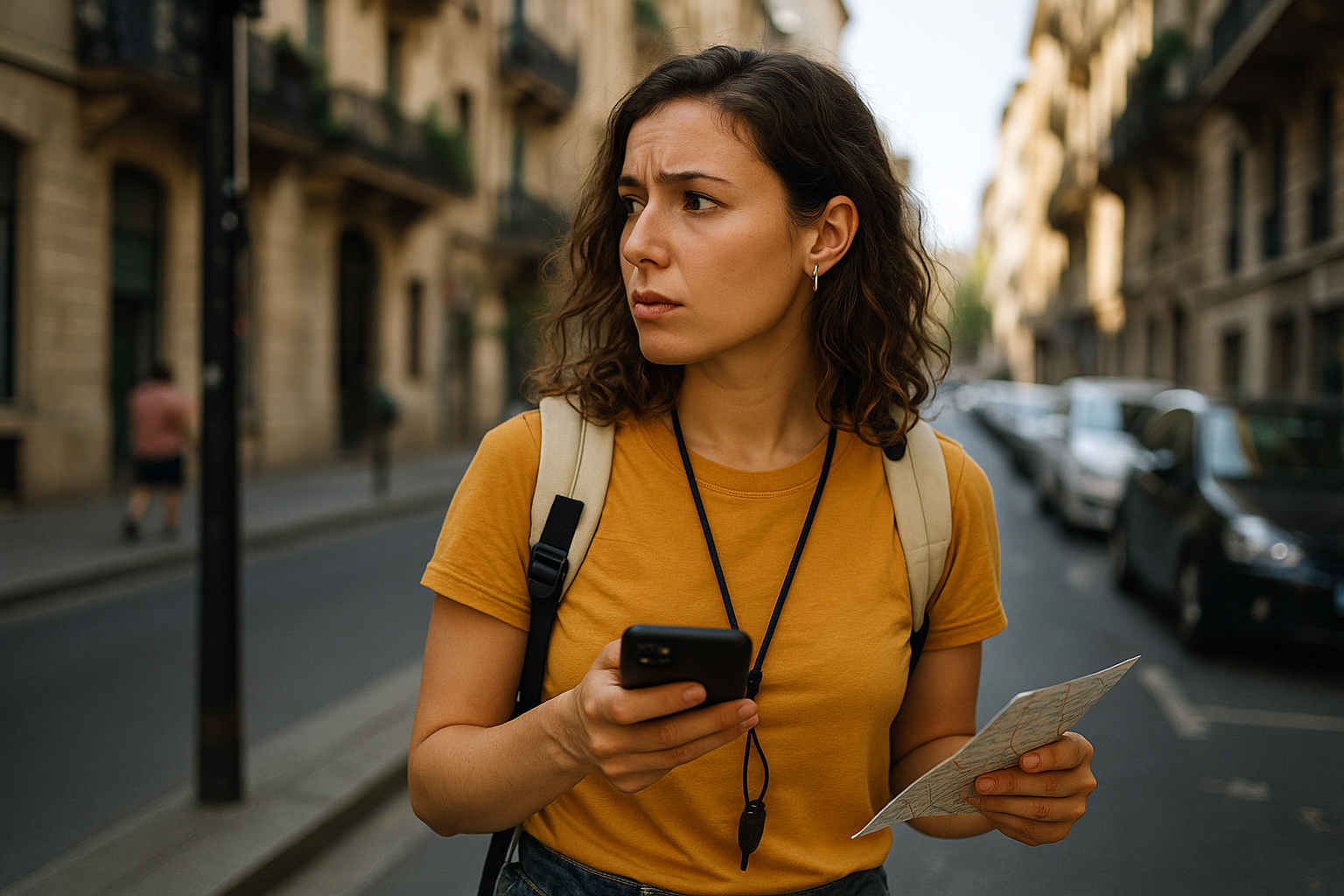
One of the most underrated tools in solo travel safety is simply blending in. Loud conversations about your hotel, waving expensive gear around, or looking visibly lost in the middle of a busy square can attract the wrong kind of attention. Walk with purpose, even when you’re figuring out where you’re going.
Connect with locals and other travelers early. Hostel common rooms, local cafés, walking tours — these are places where you build your informal network fast. Other solo travelers are often the best source of current, on-the-ground information. Someone who arrived two days before you already knows which street to avoid and which street food vendor is worth the queue.
Trust your gut — but also interrogate it. Psychological research consistently supports the idea that intuition is a real form of threat detection, shaped by pattern recognition your brain processes faster than conscious thought. If something feels wrong, take it seriously. But also ask yourself: is this discomfort because something is genuinely off, or because this is simply new and unfamiliar? Those are different things, and learning to tell them apart is part of becoming a confident traveler.
Digital Safety: The Risk You Can’t See
Physical awareness gets most of the attention, but digital vulnerability is just as real. Public WiFi in airports, cafés, and hostels is convenient and often unsecured. That means your data — passwords, banking details, personal messages — can potentially be exposed.
Use a VPN (Virtual Private Network) when connecting to public networks. Avoid accessing banking apps or entering card details on unsecured connections. Consider a travel-specific card with low foreign transaction fees and the ability to freeze instantly via an app. According to Interpol’s cybercrime resources, travelers are frequently targeted precisely because they’re distracted, in unfamiliar environments, and relying heavily on digital tools.
- Enable two-factor authentication on all key accounts before you travel
- Use a VPN on any public WiFi network
- Keep your phone’s Bluetooth off when you’re not using it
- Back up important files to a secure cloud service before departure
Building Confidence Over Time
Nobody becomes a seasoned solo traveler overnight. Confidence builds through experience, and experience starts small. If you’ve never traveled alone before, you don’t need to begin with a six-week backpacking trip across Southeast Asia. Start with a weekend in a nearby city. Get comfortable navigating alone, eating alone, making decisions alone. Then build from there.
The solo travel community is genuinely one of the most supportive spaces in travel culture. Online groups, forums, and apps connect solo travelers who share routes, tips, and honest experiences. That community knowledge is invaluable — especially for first-timers trying to separate genuine risk from unfounded fear.
It’s also worth acknowledging that solo travel safety isn’t a level playing field. Your experience will vary depending on your gender, appearance, nationality, and the cultural context of where you’re traveling. That’s not a reason to stay home — it’s a reason to research thoughtfully, connect with communities that reflect your experience, and go in with realistic expectations rather than a filtered highlight reel.
What Preparation Can and Can’t Do
Here’s the honest part: no amount of preparation eliminates all risk. Unexpected things happen. Plans fall apart. Occasionally, something genuinely difficult occurs. That’s true of life in general, not just travel.
What preparation does is reduce unnecessary risk, increase your ability to respond when things go wrong, and give you the confidence to handle the unexpected without panic. The goal isn’t to make solo travel feel completely safe — it’s to make you feel capable of handling whatever comes up.
And most of the time? What comes up is just life. A missed bus, a language barrier, a hostel that doesn’t quite match its photos. Small challenges that, in hindsight, become the moments you laugh about most.
Go Anyway
Solo travel safety matters — and so does actually going. The world is genuinely worth exploring, and the version of yourself that comes back from a solo trip is almost always more confident, more curious, and more capable than the one who left. Prepare well, stay aware, trust your instincts, and give yourself permission to discover what you’re made of. The journey is waiting.
This article was produced with AI assistance and reviewed editorially.


Luxury Train Travel Doesn’t Have to Break the Bank: The Eastern & Oriental Express Explained

Southeast Asia Spiritual Retreats: Luang Prabang & Cusco Hostels for Solo Travelers


