
Roaming Around the World
Hidden Gems vs. Viral Spots: How to Find Real Experiences Beyond Instagram
Discover authentic travel experiences away from viral destinations. Learn strategies to find genuine local moments and support communities responsibly.

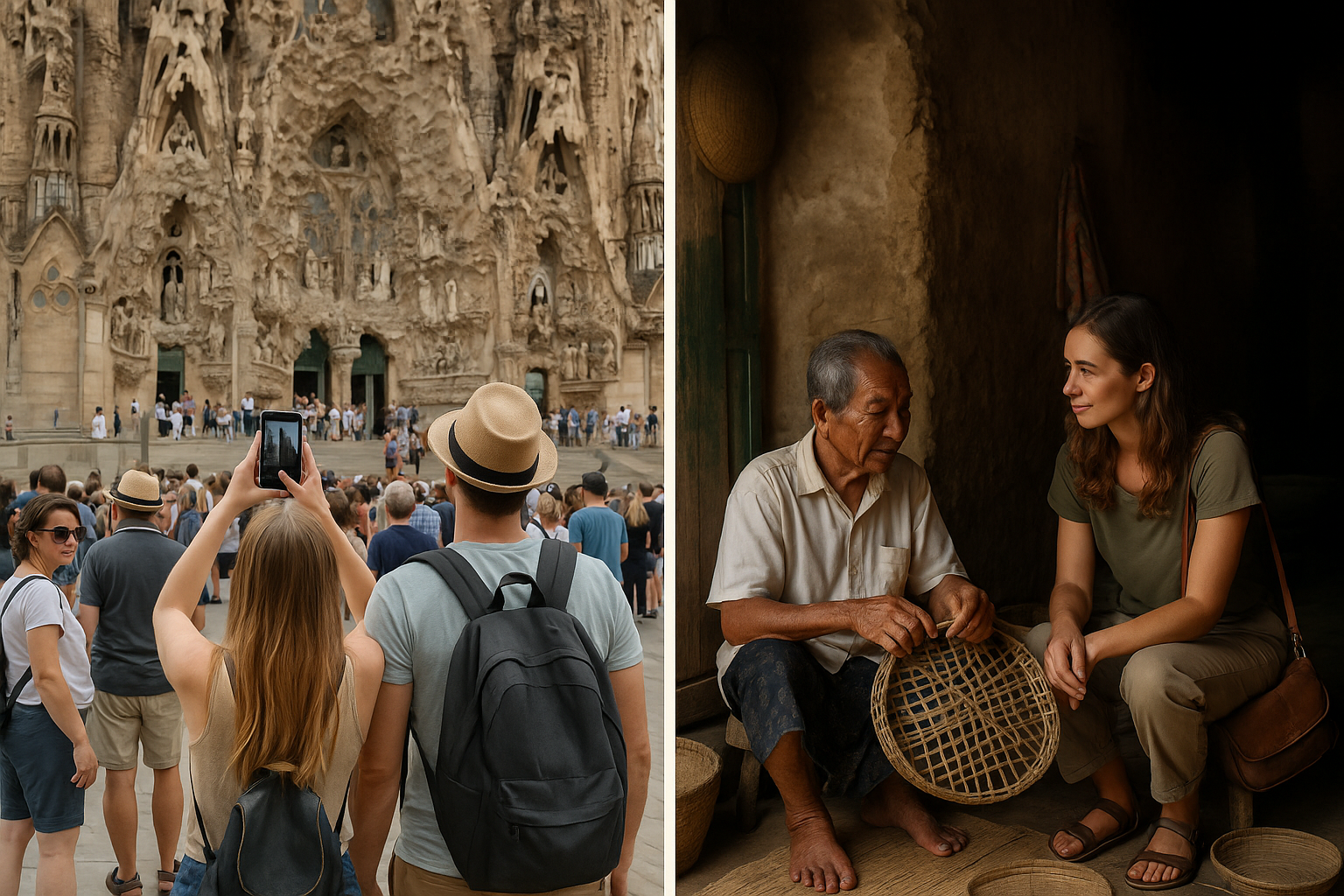
Hidden Gems vs. Viral Spots: How to Find Authentic Travel Experiences Beyond Instagram
Authentic travel experiences don’t usually come with a geotag. They happen in the small café where the owner knows every regular by name, on the back street that doesn’t appear in any listicle, or at the local festival you only heard about because you asked the right person at the right time. And yet, more and more of us are planning our trips around screenshots and saved posts — chasing the same viewpoints, the same murals, the same “hidden” staircases that somehow appear on everyone’s feed.
That tension — between what the algorithm shows us and what travel actually feels like — is worth exploring honestly.
What Happens When a Place Goes Viral
Viral destinations aren’t inherently bad. Exposure brings economic opportunity to communities that might otherwise be overlooked. But the speed and scale of social media attention can overwhelm places that were never designed for mass tourism.
Think about the small Slovenian village of Bled, or the narrow alleyways of Chefchaouen in Morocco. Both are genuinely beautiful. Both have also become so photographed that visiting them during peak season can feel more like queuing for a theme park ride than discovering somewhere real. Residents deal with overcrowding, rising rents, and the slow erosion of the everyday life that made those places interesting in the first place.
According to UN Tourism’s research on tourism and culture, unmanaged tourist flows can damage cultural heritage and displace local communities — outcomes that no travel influencer intends, but that happen anyway when thousands of people act on the same recommendation simultaneously.
The problem isn’t the destination. It’s the way we consume it.
Why Authentic Travel Experiences Require a Different Approach
Finding something genuine takes a little more effort than scrolling. But that effort is exactly what makes the experience worth having.
Start by changing your sources. Local blogs, regional newspapers, and niche interest communities — food forums, architecture enthusiasts, history groups — often surface places and events that never make it onto mainstream travel platforms. A food blogger based in Tbilisi will tell you things about Georgian cuisine that no algorithm will ever prioritize. A community forum for hikers in northern Portugal will point you toward trails that don’t appear in any guidebook.
Word of mouth still works, too. Talk to people. Ask your accommodation host where they eat lunch. Ask the person behind the counter at the market what neighborhood they’d recommend. These conversations are short, easy, and almost always lead somewhere interesting.
Timing Is Everything
Even the most crowded destinations have quieter versions of themselves. Visiting off-season, or simply adjusting your hours — arriving at a popular site before 8am or after 5pm — can completely change the experience. The place is the same. The feeling is entirely different.
Secondary cities are also worth your attention. While everyone floods into Lisbon or Bangkok, places like Évora in Portugal or Chiang Rai in Thailand offer a slower, more personal version of the same culture — without the crowds, and often at a fraction of the cost.
How to Support Communities Without Exploiting Them
One of the most meaningful ways to have authentic travel experiences is to spend your money intentionally. Eat at family-run restaurants. Book local guides rather than international tour operators. Stay in guesthouses owned by people who actually live there.
This isn’t just ethical — it’s practical. Local guides know things that no app does. They’ll take you to the viewpoint the tourists miss, tell you the story behind the building you walked past, and introduce you to the kind of spontaneous, unscripted moments that become the memories you actually keep.
The Responsible Travel guide to sustainable tourism puts it well: the goal is to leave a place better than you found it — or at minimum, no worse. That starts with being conscious of where your money goes and how your presence affects the people who actually live there.
The Paradox of Sharing What You Find
Here’s the uncomfortable truth: the moment you post that “hidden” café or that quiet beach, it becomes a little less hidden. Every share is a small contribution to the process that turns a local favorite into a tourist attraction.
That doesn’t mean you should never share anything. It means being thoughtful about what you share, when you share it, and how you frame it. There’s a difference between posting a photo that invites reflection and posting a pinned location that sends a thousand people to the same spot next weekend.
Some travelers choose to share experiences without revealing exact locations. Others wait months before posting. Neither approach is perfect, but both reflect an awareness that travel isn’t just about you — it’s about the places and people you encounter along the way.
Finding the Balance
You don’t have to avoid popular destinations entirely. Some viral spots are viral for good reasons. The key is in how you engage with them — whether you rush in for a photo and leave, or whether you slow down, look around, and actually try to understand where you are.
Authentic travel experiences aren’t reserved for remote jungles or undiscovered villages. They can happen anywhere, as long as you’re present enough to notice them. The difference between a tourist and a traveler isn’t the destination — it’s the curiosity you bring with you.
So do the extra research. Talk to locals. Wander without a plan sometimes. Spend your money where it matters. And before you post, ask yourself whether you’re sharing an experience or just a location. Travel slowly enough to actually feel the places you visit, and you’ll find that the most memorable moments rarely come from a trending hashtag — they come from showing up with genuine curiosity and an open mind.
This article was produced with AI assistance and reviewed editorially.


Luxury Train Travel Doesn’t Have to Break the Bank: The Eastern & Oriental Express Explained

Southeast Asia Spiritual Retreats: Luang Prabang & Cusco Hostels for Solo Travelers


