
Roaming Around the World
Responsible Travel: How to Explore Without Harming the Communities You Visit
Learn responsible travel practices that benefit local communities. Support small businesses, respect cultures, and minimize overtourism impact.

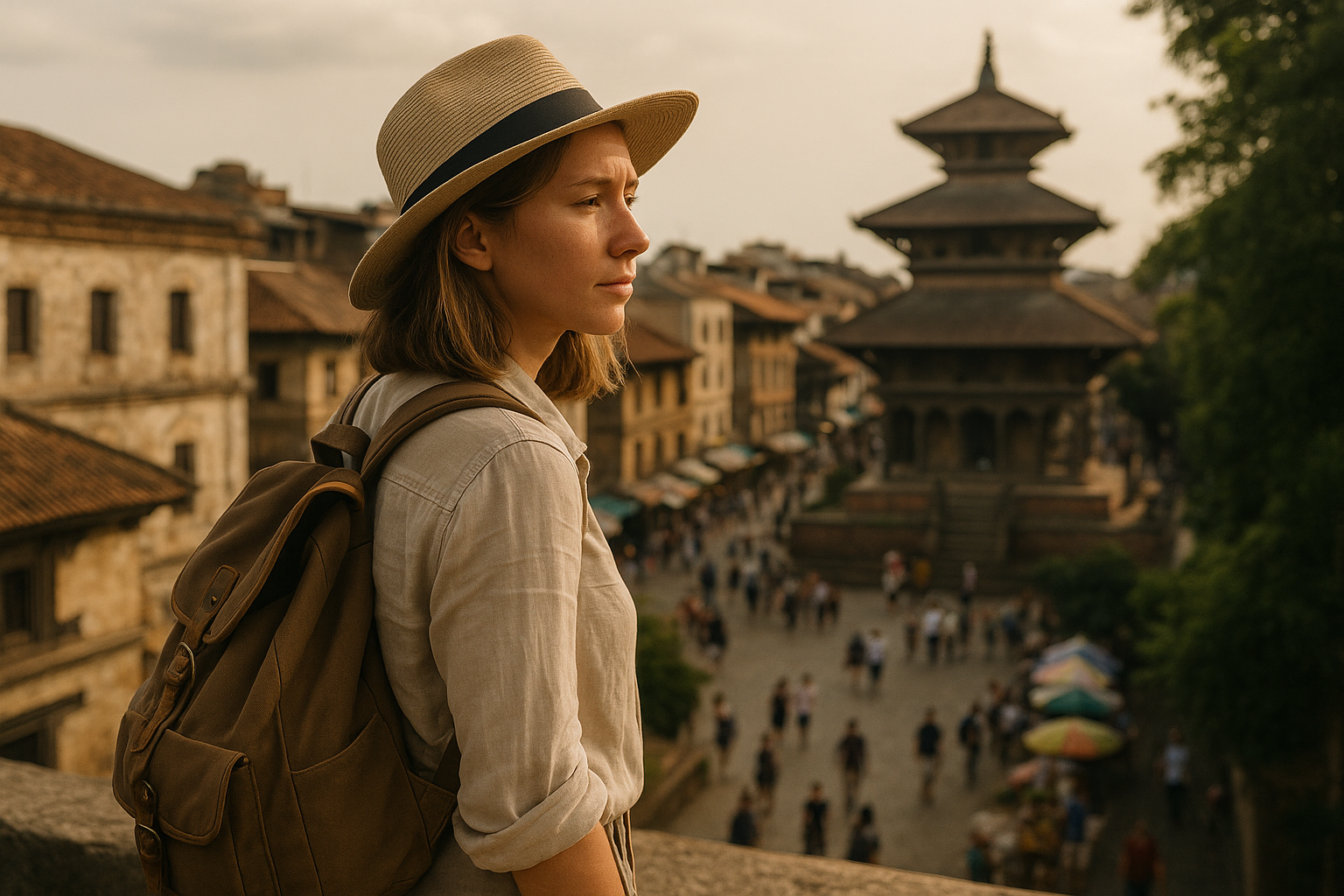
Responsible Travel: How to Explore Without Harming the Communities You Visit
Responsible travel isn’t just a trend — it’s one of the most meaningful shifts happening in the way young people experience the world. More and more travelers are asking a simple but powerful question before they book: What impact will my visit actually have? That question changes everything. It shapes where you stay, what you eat, who you pay, and how you show up in places that are someone else’s home.
This guide isn’t here to make you feel guilty about wanting to explore. Travel is one of the most transformative things you can do with your time and money. But it’s worth understanding that every trip leaves a footprint — and with a little intention, that footprint can do more good than harm.
What Responsible Travel Actually Means
Let’s clear something up. Responsible travel isn’t the same as eco-tourism or voluntourism, both of which can sometimes be more performative than impactful. It’s not about booking the most expensive “sustainable” resort or posting a photo with a rescued animal. It’s about making thoughtful decisions at every stage of your journey — from the accommodation you choose to how you interact with local people.
At its core, it means recognizing that you’re a guest. The streets you wander, the markets you browse, the temples you photograph — these are living, breathing parts of someone’s everyday life. Approaching them with curiosity and respect is the foundation of everything else.
Where Your Money Goes Matters
One of the most direct ways to practice responsible travel is to think about where your spending actually lands. Large international hotel chains and foreign-owned tour operators often send most of their revenue out of the destination entirely. When you stay at a locally owned guesthouse, eat at a family-run restaurant, or hire a local guide, your money circulates within the community.
This isn’t about sacrificing comfort. Some of the best experiences you’ll ever have — the meals that make you close your eyes, the conversations that stay with you for years — come from choosing local over convenient. Ask your host for recommendations. Wander away from the main tourist drag. Discover the places that don’t have English menus out front.
- Book accommodation through local hosts or small guesthouses rather than large chains.
- Eat where the locals eat — not just where tourists are directed.
- Hire local guides who are licensed and fairly compensated.
- Buy souvenirs directly from artisans, not from mass-produced stalls.
- Use local transport when it’s safe and practical to do so.
Understanding Overtourism — and Your Role in It
Some destinations are genuinely struggling under the weight of too many visitors. Venice is sinking — literally and figuratively — under the pressure of millions of tourists per year. Certain beaches in Thailand have had to close entirely for ecological recovery. Machu Picchu now requires timed entry tickets to protect the site from overcrowding.
Overtourism isn’t just an environmental problem. It drives up housing costs for residents, disrupts daily life, and can erode the very culture that made a place worth visiting in the first place. The good news? Individual choices really do add up. Traveling in the shoulder season, choosing less-visited destinations nearby, and respecting visitor limits at protected sites all make a genuine difference.
The United Nations World Tourism Organization’s sustainable development resources offer a useful framework for understanding how tourism impacts communities at a systemic level — worth a read before your next big trip.
Respecting Local Customs and Cultures
Showing up with curiosity is great. Showing up with awareness is even better. Every destination has its own norms around dress, behavior, photography, and interaction — and it’s your responsibility to learn them before you arrive, not on the spot.
Before visiting a religious site, check whether certain clothing is required. Ask before pointing a camera at someone. Be mindful of local customs around bargaining, tipping, or physical contact. These aren’t just rules to follow — they’re opportunities to connect more authentically with the people and places you’re visiting.
Photography ethics deserve a special mention. Snapping photos of people without their consent — especially in rural or indigenous communities — is a form of disrespect that’s easy to avoid. Ask first. If someone says no, respect that completely. The most meaningful travel memories rarely live in a camera roll anyway.
Vetting Activities and Operators
Not every “authentic experience” advertised to tourists is what it claims to be. Elephant sanctuaries that allow riding, orphanage visits used as tourist attractions, and wildlife encounters that involve captive or stressed animals are all examples of practices that look appealing on the surface but cause real harm underneath.
Before booking any activity, do a quick search. Look for operators that are transparent about their practices, pay fair wages, and have genuine community ties. Organizations like Responsible Travel curate vetted experiences and offer practical guidance for travelers who want to make better choices without spending hours researching every detail.
Small Choices, Real Impact
Responsible travel doesn’t require perfection. It requires intention. You don’t have to overhaul every aspect of how you travel overnight. Start with one or two shifts — choosing a locally owned hostel, skipping the plastic water bottle, learning a few phrases in the local language, or simply slowing down long enough to actually connect with the place you’re in.
The travelers who leave the most positive impact aren’t necessarily the ones with the biggest budgets or the most carefully planned itineraries. They’re the ones who show up with respect, spend thoughtfully, and leave a place a little better than they found it.
Travel as a Force for Good
Here’s the thing: when done with care, travel is genuinely one of the most powerful tools for building empathy, breaking down stereotypes, and fostering real connection between people from wildly different backgrounds. Responsible travel doesn’t limit that — it deepens it. You’ll come home with richer stories, more meaningful memories, and the quiet satisfaction of knowing your journey contributed something positive to the communities that welcomed you. That’s the kind of travel worth chasing.
This article was produced with AI assistance and reviewed editorially.


Luxury Train Travel Doesn’t Have to Break the Bank: The Eastern & Oriental Express Explained

Southeast Asia Spiritual Retreats: Luang Prabang & Cusco Hostels for Solo Travelers


