
Safety Zone
Travel Safety for Young Women: Practical Advice From Real Travelers
Discover honest, practical solo travel safety tips for women — from pre-trip preparation and smart packing to navigating nights out, public transport, and emergencies abroad. Travel confidently on your own terms.

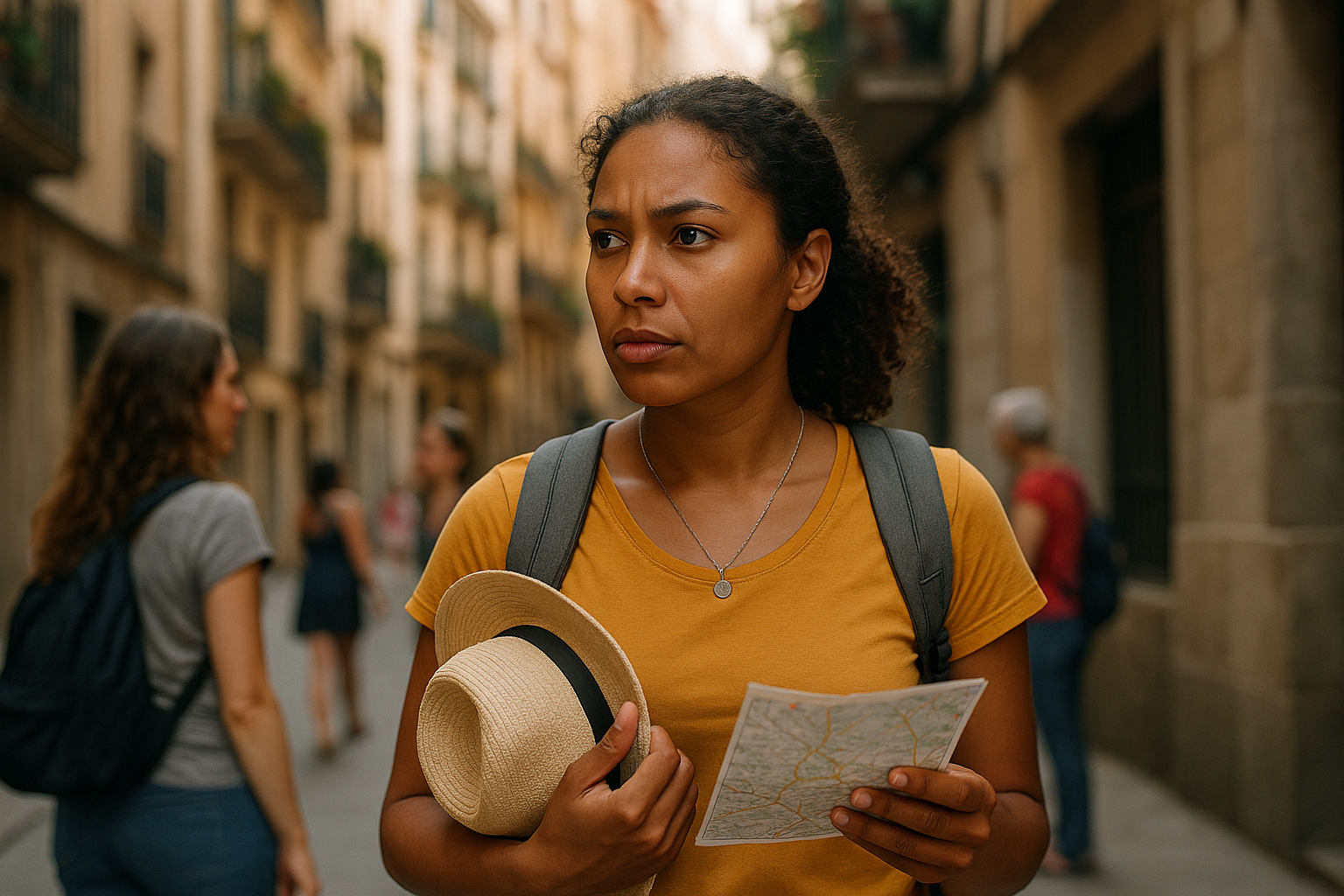
Solo Travel Safety for Women: Honest Advice for Exploring the World on Your Own Terms
Solo travel safety for women isn’t just about locks, alarms, or avoiding dark streets — it’s about confidence, preparation, and trusting the person who knows you best: yourself. More women than ever are choosing to travel alone, and for good reason. Solo travel is one of the most empowering things you can do. But let’s be real — it comes with questions worth taking seriously.
This isn’t a list of reasons to be scared. It’s a collection of honest, practical advice from travelers who’ve been there, made mistakes, learned fast, and kept going anyway. Whether you’re planning your very first solo trip or you’re a seasoned independent traveler looking to sharpen your instincts, this guide covers everything you need to travel smarter, safer, and with total confidence.
What Solo Travel Safety for Women Actually Means
When people talk about solo travel safety for women, they often jump straight to worst-case scenarios. That’s not what this is. Real safety is a combination of smart preparation, situational awareness, and the kind of quiet confidence that comes from knowing you’ve thought things through.
It means understanding your destination before you land. It means knowing what to do if something goes sideways. And it means building the mental toolkit to handle the unexpected — because travel, by its very nature, is unpredictable. That’s part of what makes it so good.
The women who travel solo most successfully aren’t fearless. They’re prepared. There’s a difference, and it’s worth holding onto.
Is Solo Travel Safe for Women Right Now?
Short answer: yes — with the right preparation. Solo female travel is more accessible, more supported, and more normalized than it’s ever been. There are entire communities, apps, and accommodation networks built specifically around helping women travel independently and confidently.
That doesn’t mean every destination is equal, or that you should ignore risk entirely. It means you can approach solo travel safety for women the same way you’d approach anything worth doing: with clear eyes, good information, and the confidence that comes from being genuinely prepared.
The goal isn’t to eliminate uncertainty — it’s to make sure uncertainty doesn’t catch you off guard.
Before You Go: Building Your Safety Foundation
The best safety decisions happen before you even pack your bag. A bit of focused preparation at home means you can spend your actual trip being present — not anxious.
Research Your Destination Like a Local
Before you book anything, spend some time actually understanding where you’re going. Not just the highlights reel — the real stuff. Which neighborhoods are easy to navigate at night? How does public transport work? What are the local customs around how women dress or interact in public spaces?
This kind of research doesn’t mean you’re looking for reasons not to go. It means you’re going prepared. There’s a big difference between informed caution and anxiety-driven avoidance. One helps you travel smarter; the other keeps you home.
A few things worth sorting before you leave:
- Save digital and physical copies of your passport, visa, and travel insurance documents.
- Share your itinerary with someone you trust back home — even a rough one.
- Research the local emergency numbers for each country you’re visiting.
- Download offline maps so you’re never standing on a street corner visibly lost.
- Look into travel insurance that covers medical emergencies and trip disruptions. The UK Foreign Travel Advice is a solid starting point for destination-specific safety information.
Know the Safest Destinations for Solo Female Travelers
Some destinations are consistently praised by women who travel alone — not because they’re risk-free, but because the infrastructure, local culture, and traveler community make independent exploration feel genuinely comfortable. Destinations frequently recommended for solo female travel safety include Japan, Portugal, New Zealand, Iceland, Georgia (the country), and Colombia’s major cities like Medellín and Cartagena.
That said, safety is rarely about the country as a whole. It’s about specific neighborhoods, times of day, and how well-prepared you are. Always check up-to-date travel advisories before you go, and look for first-hand accounts from other solo female travelers who’ve been there recently.
Set Up a Check-In Routine Before You Depart
One of the simplest and most effective solo travel safety tips for women is agreeing on a regular check-in schedule with someone back home before your trip even starts. It doesn’t need to be elaborate — a daily message, a shared location on Google Maps, or a quick voice note every evening is enough. The point is that someone who cares about you always has a rough idea of where you are. If they don’t hear from you, they know to act. It’s a small habit that adds a huge layer of reassurance — for you and for them.
👉 Read also: Solo Travel Safety: Real Talk About Staying Smart Without Staying Scared
Solo Travel Safety Essentials Every Woman Should Pack
Preparation goes beyond research — what you physically bring with you can make a real difference. You don’t need to overload your bag, but a few smart additions are worth it.
Tech and Connectivity
- A local SIM card or international data plan. Staying connected means you can navigate, call for help, or reach your emergency contacts without scrambling for Wi-Fi.
- A portable power bank. A dead phone is a vulnerability. Keep it charged.
- A VPN app. Useful for secure browsing on public networks in cafés and hostels.
- Safety apps on your phone. Apps like bSafe or Noonlight let you share your live location with trusted contacts and trigger an alert if you need help. Download one before you leave.
Physical Safety Items
- A door wedge alarm. Lightweight and inexpensive, these give you an extra layer of security in hostel rooms or budget hotels.
- A money belt or hidden pouch. Keep your cards and passport close to your body, especially in crowded areas.
- A small first-aid kit. Plasters, pain relief, antihistamines — the basics go a long way when you’re far from a pharmacy you recognize.
Documents and Backups
- Email yourself scans of your passport, visa, insurance policy, and any bookings.
- Keep a note of your country’s embassy contact details for every destination you visit.
- Write down key phone numbers somewhere offline — don’t rely entirely on your phone.
Your Instincts Are a Real Safety Tool
Every experienced solo traveler will tell you the same thing: listen to your gut. That slightly uncomfortable feeling when someone is being overly persistent, or that quiet sense that a situation isn’t adding up — those signals matter. They’re not paranoia. They’re information.
Solo travel safety for women often comes down to these small, instinct-driven decisions. Choosing to walk a different route. Leaving a bar earlier than planned. Trusting the vibe of a hostel before you check in. You don’t owe anyone an explanation for any of these choices.
Building this kind of situational awareness takes practice, and that’s one reason why many travelers recommend starting with shorter or closer-to-home trips before jumping into longer solo adventures. Each experience teaches you something about how you read environments, how you handle uncertainty, and how quickly you can adapt. That confidence compounds over time.
Choosing Safe Accommodation as a Solo Female Traveler
Where you sleep matters — not just for comfort, but for your peace of mind. The good news is that safe, welcoming accommodation for solo women travelers is easier to find than ever.
What to Look For
- Reviews from other solo female travelers. Platforms like Hostelworld and Booking.com let you filter reviews. Search specifically for what women say about safety, staff attitude, and the general atmosphere.
- Female-only dorm rooms. Many hostels offer these, and they’re worth considering — especially on your first few solo trips.
- 24-hour reception. Knowing someone is always at the desk gives you a reliable point of contact if something feels off.
- Central location. Staying closer to the action means shorter, better-lit walks home and easier access to transport.
Red Flags to Watch For
- Accommodation that’s hard to find on any review platform.
- Hosts who ask for unusual personal information upfront.
- Listings with very few photos or vague location descriptions.
- Prices that seem too good to be true — sometimes they are.
If you’re using platforms like Couchsurfing or Airbnb, read every review carefully and trust your instincts during any pre-arrival communication. A host who seems pushy or overly familiar before you’ve even arrived is a signal worth taking seriously.
Build Your Community Before and During the Trip
One of the most underrated aspects of solo travel safety that women rarely talk about openly is community. Traveling alone doesn’t mean being isolated — and some of the best connections happen precisely because you’re on your own.
Before you leave, tap into online networks of female travelers. Communities on Reddit, Facebook groups dedicated to women who travel solo, and apps like Her Way connect you with experienced travelers who can share destination-specific advice, recommend safe accommodation, and offer the kind of honest perspective you won’t find in a tourist brochure.
Once you’re on the road, connection happens naturally — if you let it. Stay in social hostels. Join free walking tours. Say yes to the group dinner invitation. These moments aren’t just fun; they’re also practical. Traveling with people you’ve just met, even for an afternoon, gives you a built-in safety layer and often leads to friendships that last well beyond the trip.
Navigating Uncomfortable Situations With Confidence
Let’s have the conversation that travel content often skips: harassment happens, and it’s not your fault when it does. Whether it’s unwanted attention on a train, a pushy vendor, or someone who doesn’t take a polite “no” seriously — these situations are real, and it’s worth thinking about how you’d handle them before they occur.
Some practical approaches that solo travelers swear by:
- Wear headphones when you want to signal you’re not open to conversation — you don’t even have to have music playing.
- Be direct and confident when setting boundaries. A clear, calm “no” is more effective than an apologetic one.
- Move toward other people if you feel unsafe. A busy café, a shop, or any public space with staff can quickly change the dynamic.
- Have a fake phone call ready — stepping away to “answer a call” is a simple, low-conflict exit strategy.
- Know that it’s always okay to make a scene if you genuinely feel threatened. Your safety matters more than avoiding awkwardness.
Cultural context matters here too. What’s considered normal interaction in one country might feel intrusive if you’re used to somewhere else. Research local norms around eye contact, dress, and social interaction — not to change who you are, but to understand the environment you’re stepping into.
Staying Safe at Night as a Solo Female Traveler
Nighttime brings its own set of considerations, and a little planning goes a long way.
- Plan your route home before you go out. Know which transport options are running late and where the nearest taxi rank or ride-share pickup point is.
- Use reputable ride-share apps rather than accepting rides from unofficial drivers. Share your live location with a friend when you’re heading back alone.
- Stay aware of how much you’re drinking. This isn’t about limiting your fun — it’s about staying in control of your own decisions.
- Stick to well-lit, busier streets when walking, even if it adds a few minutes to your journey.
- Let someone know your plans. A quick message to a friend or family member saying where you’re going and when you expect to be back takes seconds and adds real peace of mind.
How to Stay Safe Using Public Transport Alone
Public transport is one of the best ways to move around like a local — and for solo female travelers, a few simple habits make it much safer and less stressful.
- Research your route before you board. Knowing where you’re getting off means you’re not visibly confused or checking your phone every two minutes.
- Sit near other women or families when possible, especially on overnight trains or long bus journeys.
- Keep your bag in front of you in crowded spaces — pickpockets target distracted travelers, not just tourists.
- Book overnight trains with private or female-only compartments where available. Many rail networks across Europe and Asia offer these options, and they’re worth the small extra cost.
- Trust the official system. Use licensed taxis, official airport transfers, and verified apps. If someone approaches you offering a ride before you’ve asked, keep walking.
Managing Your Money Safely While Traveling Solo
Financial safety is a real part of solo travel safety for women — and it’s one that doesn’t get enough attention. Losing access to your money in a foreign country is stressful at best and genuinely dangerous at worst.
👉 Read also: First Trip Abroad: The Complete Checklist for Young Travelers (Without the Overwhelm)
- Spread your money across multiple sources. Carry some cash, have at least two cards from different providers, and keep a small emergency fund separate from your main wallet.
- Use a travel card with low foreign transaction fees. Cards designed for travel (like Wise or Revolut) let you spend in local currency without getting hit by hidden charges.
- Never flash large amounts of cash in public. Withdraw what you need for the day and keep the rest secure.
- Set up transaction alerts on your bank account so you know immediately if something looks off.
- Know your bank’s international helpline number before you travel — not just the app. If your card gets blocked, you’ll want to reach a real person fast.
How to Handle a Safety Emergency Abroad
Even the most prepared traveler can face an unexpected situation. Knowing what to do before something happens means you won’t have to figure it out under pressure.
If You Feel Threatened or Unsafe
- Get to a public space immediately. A busy restaurant, a hotel lobby, or a shop with staff changes the dynamic fast. Don’t worry about seeming dramatic — just move.
- Call or text someone. Even if you can’t speak freely, a message to a trusted contact with your location is enough to set help in motion.
- Use your safety app. If you’ve downloaded bSafe or Noonlight before your trip, this is exactly the moment it’s designed for.
- Contact local emergency services. Save the local emergency number for every country you visit — it’s not always 999 or 911.
If Your Passport or Documents Are Lost or Stolen
- Report the theft to local police immediately and get a written report — you’ll need it for insurance claims and replacement documents.
- Contact your country’s nearest embassy or consulate. They can issue emergency travel documents and point you toward local support.
- Access your digital document backups — this is exactly why you emailed yourself copies before you left.
- Call your bank to freeze any compromised cards and arrange replacements.
If You Experience Harassment or Assault
This is a difficult topic, but it’s an important one. If you experience harassment or assault while traveling, you are not alone and it is never your fault. Reach out to local authorities, your country’s embassy, or an international support organization like RAINN for guidance. Many countries also have dedicated tourist police units in major cities — worth knowing about before you need them.
Solo Travel Safety Tips for First-Timers
If this is your first solo trip, the planning stage can feel overwhelming. Here’s the honest truth: everyone starts somewhere, and the learning curve is much shorter than you think. A few principles that first-time solo female travelers consistently find useful:
- Start closer to home. A solo weekend in a city a few hours away teaches you more about your own travel style than any guide can. Build from there.
- Choose a destination with a strong solo travel community. Places like Lisbon, Bangkok, and Bali have well-established backpacker scenes where meeting other travelers is effortless — and where you’ll find plenty of women doing exactly what you’re doing.
- Book your first night in advance. Arriving somewhere new without a confirmed place to sleep adds unnecessary stress. Sort the first night, then be spontaneous from there.
- Give yourself permission to change your plans. Solo travel means you answer to no one. If a place doesn’t feel right, leave. If somewhere surprises you, stay longer. That flexibility is one of the greatest gifts of traveling alone.
- Connect with other solo female travelers online before you go. Reading real accounts from women who’ve just come back from your destination is worth more than any official travel guide.
How to Build Confidence as a Solo Female Traveler
Safety and confidence are deeply connected. The more comfortable you feel navigating new situations, the better your instincts become — and the more you enjoy every moment of the journey.
Confidence isn’t something you either have or don’t. It builds with every trip, every problem you solve on the road, every time you figure something out in a language you barely speak. The first solo trip is always the hardest. The second one feels completely different.
A few things that genuinely help:
- Learn a few words of the local language. Even basic greetings show respect and often open doors — locals respond differently to travelers who make the effort.
- Walk with purpose. You don’t have to know exactly where you’re going, but moving confidently makes you a less appealing target for opportunistic scams or unwanted attention.
- Dress in a way that feels like you. Research local norms and adapt where it genuinely matters for your safety, but don’t feel pressured to erase your identity. There’s a balance, and you’ll find it.
- Celebrate the small wins. Navigating a confusing metro system, ordering food in a new language, finding your way back from somewhere unexpected — these moments matter. They’re proof that you can handle more than you think.
The Mindset That Makes Solo Travel Work
Here’s something no packing list can give you: the right mindset. Solo travel safety for women isn’t just a set of rules to follow — it’s a way of moving through the world. Curious. Aware. Adaptable. Confident in your own judgment.
The travelers who have the best experiences aren’t the ones who never encounter anything difficult. They’re the ones who know how to respond when they do. They’ve thought through the scenarios, packed the right things, built the right habits — and then they’ve let go of the anxiety and actually enjoyed the journey.
That’s what this guide is really about. Not fear management. Adventure, done thoughtfully.
You’re more capable than you think. The world is more welcoming than the headlines suggest. And the version of you that comes home from a solo trip — more confident, more curious, more connected to yourself — is absolutely worth the leap.
Frequently Asked Questions: Solo Travel Safety for Women
What are the most important solo travel safety tips for women?
The essentials come down to preparation and awareness. Research your destination thoroughly before you arrive, share your itinerary with someone you trust, keep digital backups of all your documents, stay connected with a local SIM or data plan, and download a safety app before you leave. On the ground, trust your instincts, stay aware of your surroundings, and don’t be afraid to remove yourself from any situation that feels off.
Which destinations are considered safest for solo female travelers?
Japan, Iceland, Portugal, New Zealand, and Georgia consistently rank among the most recommended destinations for solo female travel safety. That said, safety depends heavily on specific neighborhoods, your level of preparation, and up-to-date local conditions. Always check current travel advisories and read recent first-hand accounts from other women who’ve visited.
How do I stay safe in accommodation as a solo female traveler?
Look for hostels and hotels with strong reviews specifically from solo female travelers. Female-only dorm rooms, 24-hour reception, and central locations all add meaningful layers of security. Use a door wedge alarm for extra peace of mind in shared spaces, and trust your instincts during any pre-arrival communication with hosts.
What should I do if I feel unsafe while traveling alone?
Move toward a busy public space immediately — a café, hotel lobby, or shop with staff. Contact a trusted person with your location, use your safety app if you have one, and call local emergency services if needed. You don’t owe anyone politeness when your safety is at stake. Make a scene if you have to.
Is solo travel safe for women who have never traveled alone before?
Absolutely — with the right preparation. Starting with a shorter trip closer to home is a great way to build confidence before tackling longer adventures. Choose destinations with active solo traveler communities, book your first night in advance, and connect with other solo female travelers online before you go. The first trip is always the hardest. After that, it gets easier fast.
What apps are most useful for solo female travel safety?
bSafe and Noonlight are two of the most widely recommended safety apps — both allow you to share your live location with trusted contacts and send alerts if you need help. Google Maps offline, Wise or Revolut for secure money management, and your country’s official travel advisory app are also worth having downloaded before you depart.
This article was produced with AI assistance and reviewed editorially.


Vietnam Uncovered: Beyond the Chaos, Into the Real Story

Beyond the Guidebook: What Hanoi Actually Feels Like


