
Asia
Southeast Asia’s Hidden Gems: Budget-Friendly Cities Beyond the Guidebook
Discover affordable Southeast Asian cities like Ipoh, Phu Quoc, and Kuala Lumpur neighborhoods where budget travel actually works. Real costs, local food, and genuine con

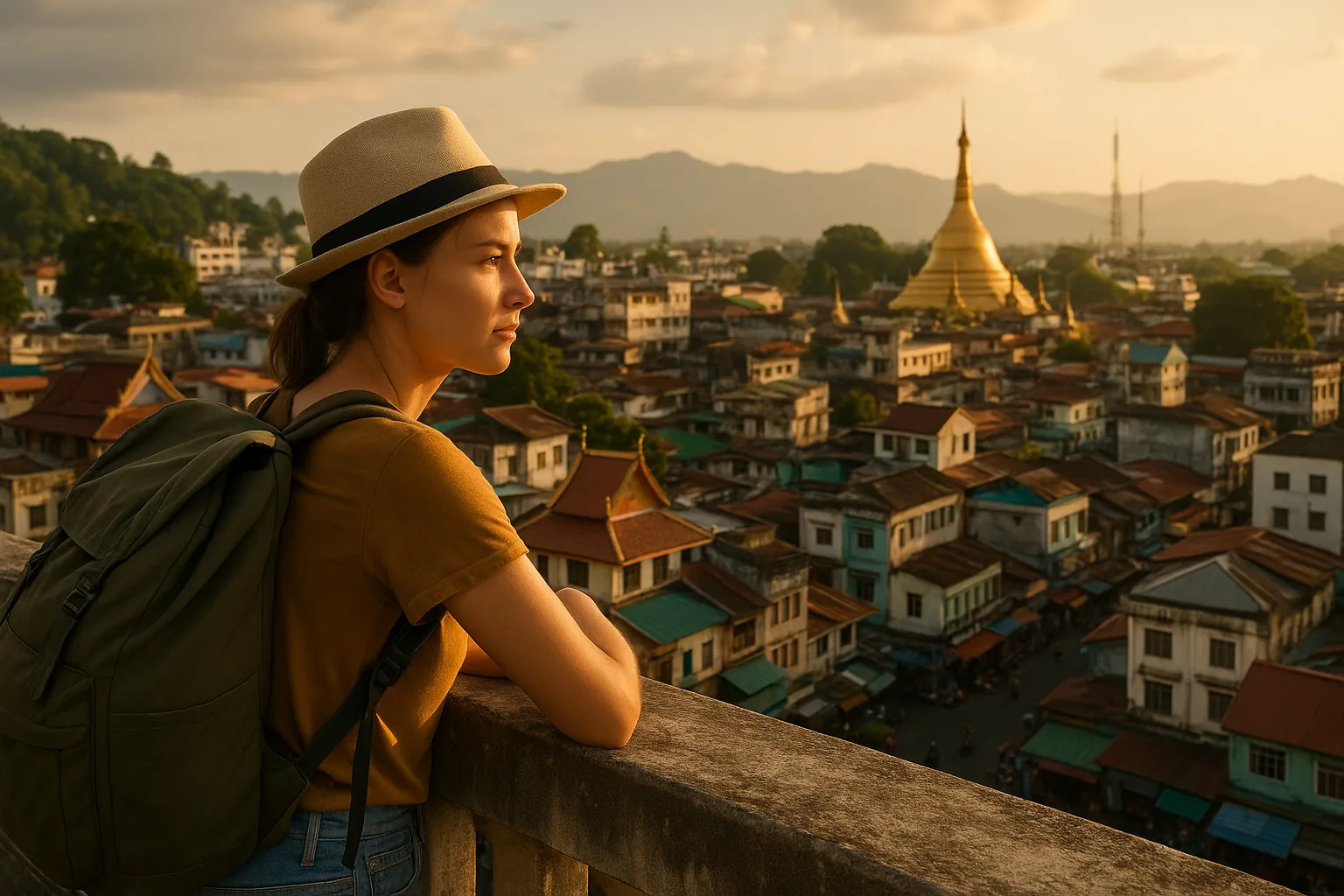
If you’re serious about budget travel in Southeast Asia, you already know the drill: Bangkok’s backpacker streets are crowded, Bali’s hidden beaches aren’t so hidden anymore, and Hội An’s lanterns have been photographed from every possible angle. That doesn’t mean the region has run out of surprises — it means you need to look slightly further than the first page of search results. The cities worth discovering right now are the ones where locals still outnumber tourists, where street food costs almost nothing, and where you can actually afford to stay long enough to feel like you belong somewhere.
Why Lesser-Known Cities Reward the Curious Traveler
There’s a particular kind of travel magic that happens when you arrive somewhere and realize you’re not following a script. No queue for the famous photo spot. No hostel packed exclusively with people doing the same two-week route. Just a city living its life, and you getting to be part of it for a while.
That’s the promise of Southeast Asia’s underrated cities — and it’s a promise that actually delivers. The region is enormous, culturally layered, and full of places that have developed their own distinct identity without being shaped by mass tourism. Colonial-era towns, fishing communities, mountain cities, and urban neighborhoods that haven’t been gentrified into Instagram backdrops yet. These are places where your money stretches further, your conversations go deeper, and your memories feel genuinely yours.
Travel platforms and publications like Rough Guides have been pointing travelers toward off-the-beaten-path Southeast Asian destinations for years — places like Sandakan in Malaysia and Davao in the Philippines — precisely because the mainstream circuit misses so much. The same logic applies to the cities below. They’re not secrets exactly, but they haven’t been overrun yet. Go while that’s still true.
Ipoh, Malaysia: Colonial Charm Without the Crowds
Ipoh sits in the Kinta Valley in Perak state, and it’s the kind of city that rewards slow travel. The old town is built around a legacy of the tin-mining era, and the streets carry that history in their architecture — wide colonnaded shophouses, faded pastel facades, and a general atmosphere of unhurried elegance that feels almost cinematic.
What makes Ipoh genuinely exciting for young travelers is the contrast between its heritage aesthetic and its surprisingly vibrant food and arts scene. Street food here has a serious reputation across Malaysia, and wandering through the old town in the early morning — when the coffee shops are just opening and the city is still waking up — is one of those simple travel experiences that stays with you. The local coffee culture is its own thing entirely, and the noodle dishes you’ll find at roadside stalls represent some of the most talked-about eating in the country.
For accommodation, the old town area is your best base. There’s a growing number of budget hostels and guesthouses that have been thoughtfully restored inside heritage buildings — you get character and community without paying boutique hotel prices. The traveler scene here is small enough that you’ll likely meet the same faces at breakfast that you met the night before, which is exactly the kind of organic connection that makes a trip feel real.
👉 Read also: Southeast Asian Stopovers: Budget Stays in Phnom Penh, Jakarta & Penang
Getting to Ipoh is straightforward. It sits on the main rail line between Kuala Lumpur and Penang, so it fits naturally into a broader Malaysia itinerary without requiring any complicated logistics. A few days here, sandwiched between those two better-known cities, gives you a very different — and arguably more authentic — window into Malaysian urban life.
Phu Quoc, Vietnam: Island Life Beyond the Resort Bubble
Phu Quoc has changed a lot over the past decade, and it’s worth being honest about that. Parts of the island have gone upmarket in a way that feels disconnected from the Vietnam you might have experienced on the mainland. But the whole island hasn’t been swallowed by resort development, and if you know where to look, you’ll find a place with genuine character rooted in its identity as a working fishing community.
The island’s fishing culture is visible and accessible if you make the effort. Early mornings at the fishing harbor, small seafood restaurants where the catch of the day is genuinely from that morning, and villages where nước mắm — the fermented fish sauce that’s fundamental to Vietnamese cooking — has been produced for generations. These aren’t staged experiences. They’re just life on the island, and you can be curious about them without making it feel like a tourist activity.
Where you stay on Phu Quoc makes a significant difference to your experience and your budget. The southern end of the island, around Duong Dong town, tends to offer a wider range of affordable guesthouses and smaller locally-run hostels, and it keeps you closer to markets, local restaurants, and transport connections. The northern and eastern parts of the island are quieter and less developed — better if you’re after beaches without the sunbeds, but less convenient if you want to move around easily.
Timing matters here too. The dry season brings more visitors and higher prices across the board. Coming slightly outside the peak window — in the shoulder months before or after the main tourist rush — gives you better rates and a more relaxed atmosphere without sacrificing the good weather entirely. It’s the kind of flexible thinking that budget travel in Southeast Asia rewards consistently.
Kuala Lumpur’s Neighborhoods: Beyond the Postcard Skyline
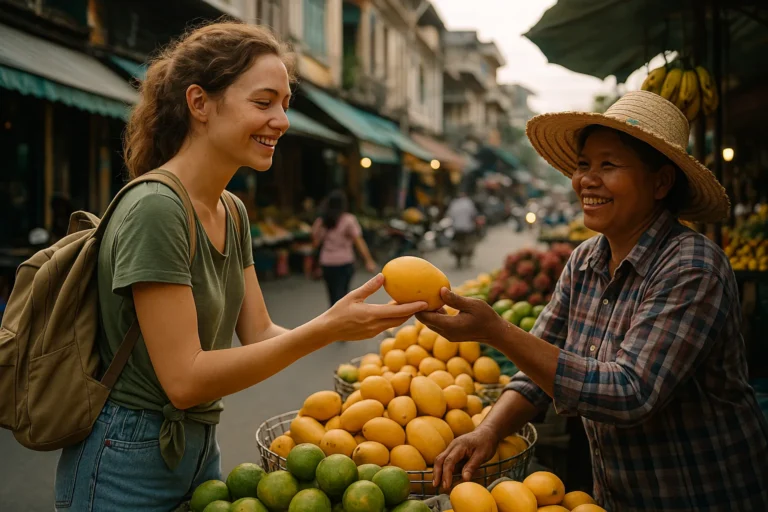
Most travelers pass through Kuala Lumpur on their way somewhere else, spend a day or two near the towers, and leave thinking they’ve seen the city. They haven’t. KL is a city of neighborhoods, and each one has its own rhythm, its own food culture, and its own version of what it means to live here.
Chinatown — known locally as Petaling Street — is the obvious starting point, and it earns its reputation. It’s busy, colorful, and genuinely lively in a way that doesn’t feel manufactured. The street market runs late, the hawker food is some of the best-value eating in the city, and the surrounding streets have enough independent coffee shops and small galleries to keep you occupied for a full day without spending much at all.
👉 Read also: Southeast Asia's Underrated Cities: Bandung, Malang, and Luang Prabang Beyond the Guidebook
Bukit Bintang is KL’s main entertainment and shopping district, and while it skews more expensive, it’s also where you’ll find the city’s most active nightlife, the best concentration of international hostels, and easy access to everything else. It’s worth basing yourself here for at least part of your stay, especially if it’s your first time in the city.
The more interesting discovery, though, is what’s happening in KL’s emerging neighborhoods. Areas that were overlooked a few years ago are now home to independent restaurants, creative studios, and the kind of community spaces where you actually meet people who live and work in the city. This is where KL stops feeling like a transit hub and starts feeling like a place worth staying. Wandering without a fixed plan — following a recommendation from your hostel, or just walking until something catches your eye — is genuinely one of the best ways to spend a day here.
Transport in KL is a genuine asset for budget travelers. The rail network covers the city well, and getting between neighborhoods by metro is fast and inexpensive. You can cover a lot of ground in a single day without spending much on getting around, which frees up your budget for the things that actually matter — eating well, staying longer, and doing it all again tomorrow.
Practical Thinking: Making Budget Travel in Southeast Asia Actually Work
Knowing which cities to visit is only part of the equation. Budget travel in Southeast Asia works best when you approach it with a few consistent habits rather than trying to optimize every single decision.
- Stay in locally-run guesthouses and hostels wherever possible. The money stays in the community, you get better local knowledge, and the atmosphere is almost always more interesting than a chain property.
- Eat where locals eat. This isn’t just about saving money — it’s about eating better. Street food and hawker stalls in Malaysian and Vietnamese cities consistently outperform tourist-facing restaurants on both quality and authenticity.
- Use overland transport between cities when the distance is reasonable. Trains and buses across Southeast Asia are often comfortable, scenic, and a fraction of the cost of flying. The journey itself becomes part of the experience.
- Travel in the shoulder season. The weeks just before or after peak tourist periods offer meaningfully better accommodation rates and a less crowded experience — without the weather risk of traveling in the full off-season.
- Build in slow days. The temptation to pack your itinerary with activities is real, but some of the best moments in any of these cities come from having nowhere specific to be. A slow morning at a coffee shop, an unplanned conversation, a neighborhood you wandered into by accident.
- Connect with other travelers thoughtfully. Hostels with communal spaces are still one of the best tools for meeting people who are doing interesting things. Ask where they’ve just come from. Share what you’ve found. That information loop is more useful than any guidebook.
The Traveler Community: Finding Your People on the Road
One thing that doesn’t get talked about enough in travel writing is the social dimension of choosing where to go. The traveler community in a city shapes your experience in ways that go beyond practical logistics. In the well-worn destinations, you’ll find a large and transient backpacker scene — fun in its own way, but often shallow. In cities like Ipoh, Phu Quoc outside the resort zone, or KL’s emerging neighborhoods, the travelers you meet tend to be people who made a deliberate choice to go somewhere less obvious. That shared curiosity creates a different kind of connection.
It also tends to mean better conversations with locals. In places that haven’t been saturated with tourism, people are often more genuinely curious about you — where you’re from, why you chose to come here, what you think of the food. Those interactions are what you’ll remember. Not the famous landmark, but the person who explained it to you.
The cities covered here sit in a sweet spot: they have enough infrastructure to be accessible and comfortable for independent travelers, but they haven’t lost the texture that makes a place worth visiting. That balance won’t last forever. Destinations cycle — what’s underrated today becomes the next big thing, and then the next overcrowded disappointment. The window to experience these places the way they are right now is open. It won’t be open indefinitely.
Southeast Asia has always rewarded the traveler who’s willing to look slightly beyond the obvious. The cities and neighborhoods on this list aren’t asking you to rough it or to sacrifice comfort for authenticity. They’re asking you to be a little more curious, a little more patient, and a little more willing to trust that the best version of any trip is usually the one you didn’t fully plan. Go find out for yourself.
This article was produced with AI assistance and reviewed editorially.


Teaching English Abroad in 2026: Top Countries, Visa Requirements & Real Salaries

Where to Stay in Latin America’s Top Destinations: Buenos Aires, Bogota & Beyond


