
United Kingdom
UK Hidden Gems: London Walks, Cornwall Beaches, and the Isles of Scilly
Discover the UK’s best-kept secrets with this travel guide covering London neighborhood walks, Cornwall’s coastal villages, and the remote Isles of Scilly.

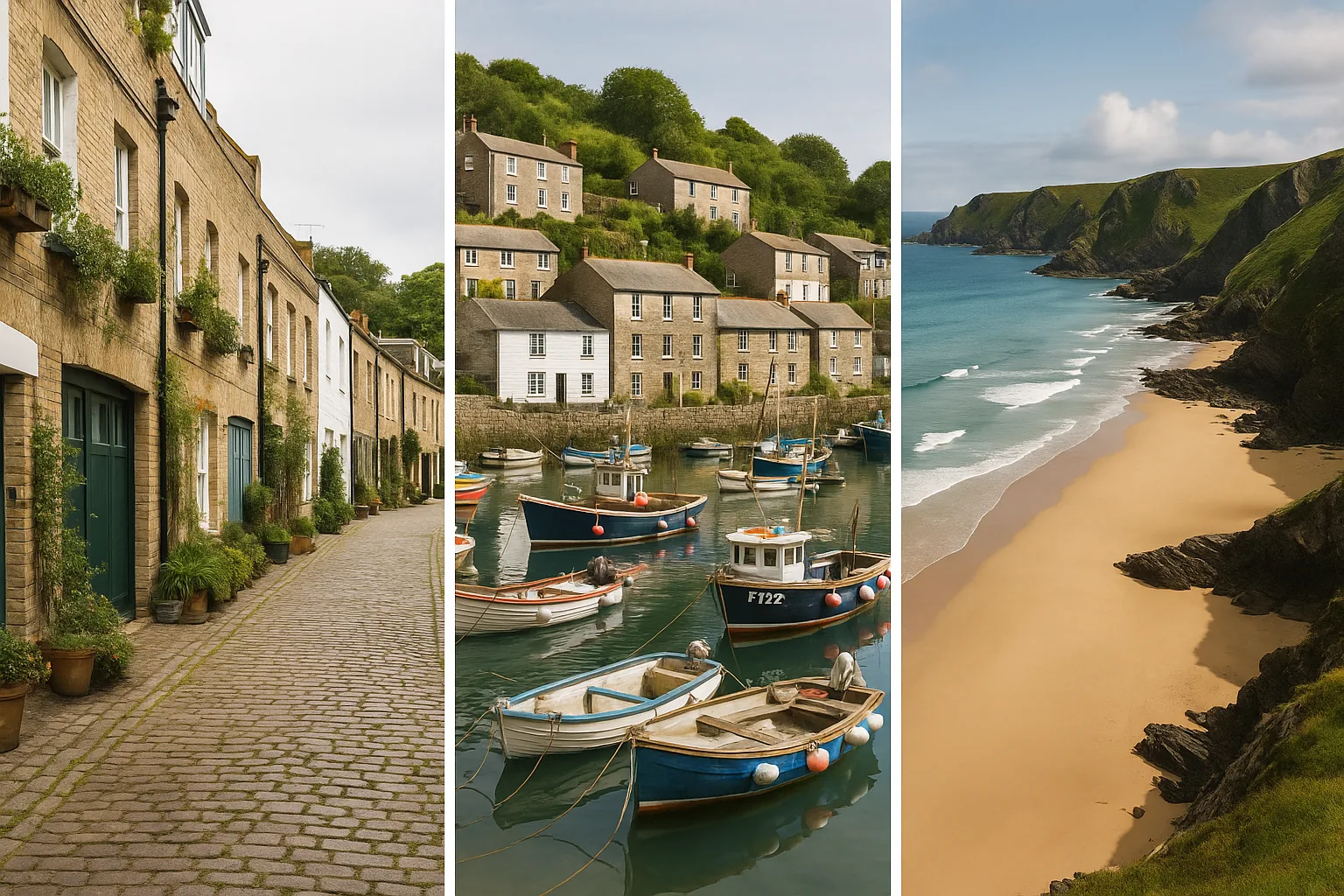
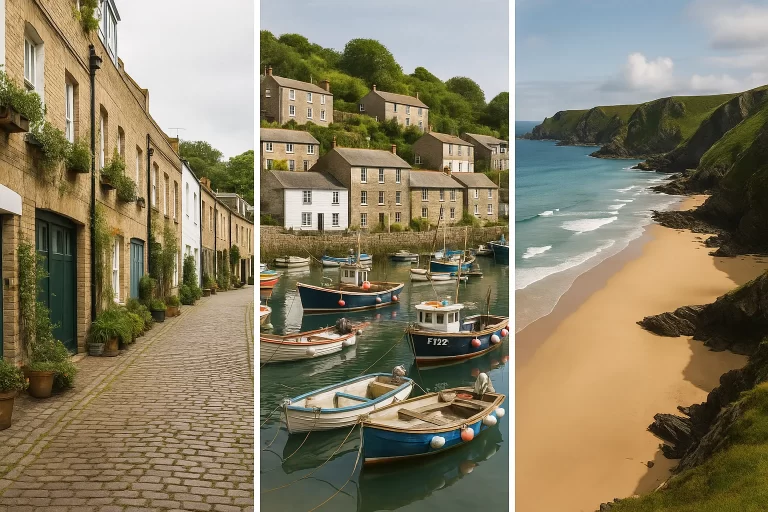
Why the UK Is the Ultimate Hidden Gems Travel Guide Destination You’re Sleeping On
Everyone’s heard about London. Most people have seen photos of Cornwall’s rugged coastline. And if you mention the Isles of Scilly, there’s a good chance whoever you’re talking to will ask where that is — which is exactly the point. The UK is one of those places that rewards the curious traveler, the one willing to look a little further than the postcard version. This uk hidden gems travel guide is your starting point for doing exactly that: getting past the obvious, into the real thing. Whether you’re walking through a London neighborhood that feels like a different city, standing on a Cornish beach with no one else in sight, or stepping off a small plane onto an island 28 miles off the coast of Cornwall, this is the kind of travel that actually stays with you.
Let’s get into it.
London Walks: Beyond the Tourist Trail
London is enormous. Most first-time visitors spend their days bouncing between the Tower of London, Buckingham Palace, and the South Bank — all genuinely worth seeing, by the way — but the city’s real character lives in its neighborhoods. The best way to understand London is to walk it, slowly, without a strict agenda.
The Neighborhoods Worth Exploring on Foot
Start in Bermondsey on a Saturday morning. The Bermondsey Antique Market sets up early, and the streets around it have a gritty, creative energy that feels nothing like tourist London. From there, walk north through Borough Market, grab something to eat, and follow the Thames eastward toward Wapping. This stretch of the river is quieter, lined with old warehouses converted into apartments, and offers some of the best unobstructed views of the water you’ll find anywhere in the city.
Dalston and Hackney in East London are worth an afternoon each. These are working neighborhoods with a strong arts and music scene, independent cafés, and street art that changes every few weeks. Walk from Dalston Kingsland station south through London Fields to Broadway Market on a Saturday, and you’ll see the city at its most relaxed and genuinely local.
For something more historically layered, try walking from Clerkenwell through Smithfield and into the City of London on a weekend, when the financial district empties out and you can wander among centuries-old churches and narrow lanes in near-total quiet. The contrast between the weekday rush and the weekend stillness is striking.
Notting Hill is famous for its market, but walk further north into Kensal Rise or south into North Kensington and the neighborhood becomes something more interesting — residential, diverse, full of independent bookshops and corner cafés. Hampstead Heath is another essential: climb Parliament Hill for one of the best views of the London skyline, then get deliberately lost in the woodland paths below. It’s hard to believe you’re still inside the city.
Greenwich deserves more than a quick visit to the observatory. Walk down through the park, through the old naval college, and take the foot tunnel under the Thames to Island Gardens on the Isle of Dogs. The view back toward the Royal Naval College from there is one of the most quietly spectacular in London, and almost no one talks about it.
Practical Notes for Walking London
- An Oyster card or contactless payment card covers all public transport and makes getting between neighborhoods easy and affordable.
- Most of London’s great walks are free — budget your money for food, markets, and the occasional museum entry instead.
- Spring and early autumn offer the best walking weather: mild temperatures, longer daylight hours, and fewer summer crowds.
- Many of London’s best neighborhoods are best explored on weekends, when the streets slow down and markets open up.
- Download an offline map before you go — signal can be unreliable in some underground stations and older parts of the city.
Cornwall: Where the Land Meets the Atlantic
Cornwall feels like a different country. The light is different here — softer, more diffuse, especially on overcast days when the sea turns silver and the cliffs glow green. It’s the kind of place that photographers and painters have been chasing for generations, and when you arrive, you understand why immediately.
The Coastline and Its Villages
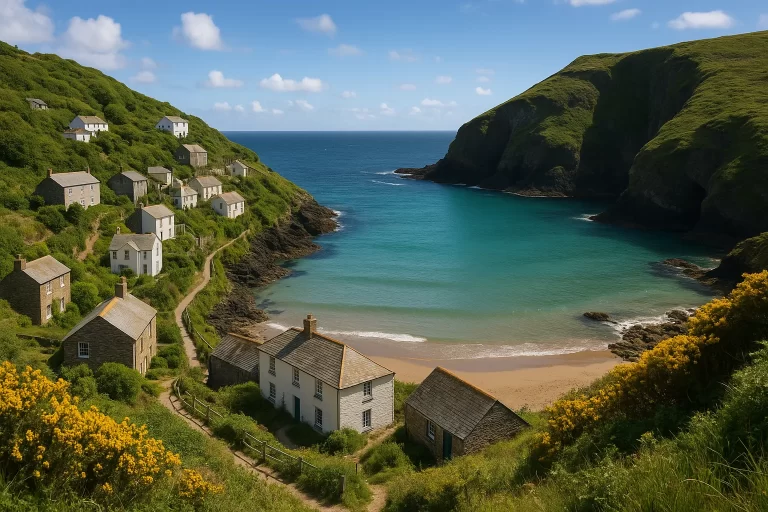
The South West Coast Path runs along Cornwall’s entire coastline, and even walking short sections of it gives you access to views and beaches that no road can reach. This is one of the most rewarding ways to experience the county: lace up your boots, pick a stretch, and walk. You’ll pass through fishing villages, across clifftops, and down to coves that feel entirely your own.
👉 Read also: UK Adventures Beyond London: Cornwall Beaches, Isles of Scilly & Theme Parks (2026)
Fistral Beach near Newquay is Cornwall’s most famous surf spot, and it earns its reputation. The waves here are consistent and powerful, and the surfing culture around Newquay is welcoming to beginners. Surf schools operate throughout the warmer months, and even if you never get to your feet on the board, the beach itself is spectacular.
Tintagel Castle, perched dramatically above the Atlantic on the north Cornish coast, is one of those places that makes history feel immediate. The ruins are real, the setting is extraordinary, and the walk down to the cave beneath the headland is worth every step. It’s a place that earns its legend.
St Michael’s Mount, rising from the water off Marazion near Penzance, is one of Cornwall’s most iconic sights. At low tide, you can walk across the causeway to the island. At high tide, a small boat takes you across. Either way, the approach is unforgettable. The gardens on the southern slopes are particularly beautiful in late spring.
The Minack Theatre, carved into the clifftop near Porthcurno, is one of the most extraordinary performance spaces in the world. Even if you don’t catch a show — and you should try to — the amphitheater itself is worth visiting for the views alone. The sea stretches out below the stage, and on a clear day the horizon seems impossibly far away.
For beaches away from the crowds, head to the Lizard Peninsula in the south. The villages here are quieter, the coves harder to reach, and the sense of having discovered something genuinely your own is strong. Kynance Cove, with its turquoise water and dramatic rock formations, is one of the most beautiful beaches in England — and while it’s no longer a secret, arriving early in the morning or late in the afternoon still rewards you with something close to solitude.
The Eden Project and Beyond
The Eden Project near St Austell is one of those places that sounds like a tourist trap and turns out to be genuinely extraordinary. The biomes — enormous geodesic domes housing entire ecosystems — are a feat of both engineering and vision. Inside, you walk through rainforest and Mediterranean environments within the space of an afternoon. It’s educational without feeling like a lesson, and visually unlike anything else in the UK.
Beyond the headline attractions, Cornwall rewards slow travel. Stay in a small village, eat at the pub, talk to people, and let the days shape themselves. The county has a strong food culture built around local seafood, and a meal of fresh crab or grilled mackerel at a harbourside café is one of the simple pleasures that makes a Cornwall trip memorable.
Getting Around Cornwall and When to Visit
- A car gives you the most flexibility, especially for reaching remote beaches and coastal paths.
- Train services connect London Paddington to Penzance, with stops at major towns including Bodmin, Truro, and St Ives.
- Late spring (May to June) and early autumn (September) offer the best combination of good weather and manageable crowds.
- July and August are busy — book accommodation well in advance if you’re visiting in peak summer.
- Winter Cornwall is quieter and atmospheric, though some attractions have reduced hours or close entirely.
The Isles of Scilly: England’s Most Unlikely Escape
Sitting 28 miles off the Cornish coast, the Isles of Scilly are the kind of place that makes you wonder why more people don’t know about them. They’re part of England, technically, but they feel like somewhere else entirely — closer in atmosphere to the Mediterranean or the Caribbean than anything you’d expect to find in the North Atlantic. The water is clear and genuinely turquoise in places. The beaches are quiet. The pace of life is slow in the best possible way.
As a destination, the Isles of Scilly represent the heart of any good uk hidden gems travel guide. They’re accessible enough that a determined traveler can get there without enormous effort, but remote enough that the crowds never really arrive. The archipelago has over 35 beaches spread across its islands — more than enough to find your own stretch of sand on even the busiest summer weekend.
Getting There
This is where many people stop before they start, assuming the islands are too difficult to reach. They’re not. Flights from Exeter, Newquay, and Land’s End are available, with some taking as little as 20 minutes from Land’s End — making the journey itself part of the experience. Helicopter flights from Penzance to Tresco are also available, which is genuinely one of the more memorable ways to arrive anywhere. There’s also a passenger ferry from Penzance, which takes longer but gives you a proper sense of the crossing. Check current schedules and book ahead, especially for summer travel.
For current transport and booking information, the official Visit Isles of Scilly website is your best starting point, with up-to-date details on ferries, flights, and island-to-island boat services.
👉 Read also: Isles of Scilly: The UK's Best-Kept Island Secret—12 Must-Visit Spots (2026)
The Islands Themselves
St Mary’s is the largest island and the main hub. Most visitors arrive here first and use it as a base for exploring the others by boat. The town of Hugh Town has cafés, shops, and accommodation options ranging from guesthouses to self-catering cottages. It’s small enough to walk across in an afternoon, but interesting enough to reward a longer stay.
Tresco is famous for its Abbey Garden, a subtropical garden that thrives in the island’s mild microclimate. Walking through it feels genuinely surreal — exotic plants growing in full Atlantic light, with the sea visible beyond the walls. The island itself is privately managed and has a particular kind of quiet luxury about it, though you don’t need to stay there to visit.
St Martin’s is the island that most rewards the traveler willing to go a little further. It has some of the finest beaches in the archipelago, a handful of places to eat, and a community feel that makes you want to stay longer than planned. The views from the higher ground across to the other islands are extraordinary on a clear day.
Bryher is the smallest of the inhabited islands and arguably the most characterful. It’s good for food, walking, water sports, and fishing, and has artist studios dotted across it — a reminder that the Scillies have long attracted people who need space and light to make things. The west coast of Bryher, facing the open Atlantic, has a raw, dramatic energy that contrasts sharply with the sheltered eastern beaches.
St Agnes is the southernmost inhabited island, quiet and slightly apart from the others in atmosphere. The island has its own small pub, a labyrinth, and beaches that face in every direction. It’s the kind of place where a day trip easily turns into a longer stay.
When to Visit and What to Expect
The Isles of Scilly are at their most spectacular from late spring through early autumn. May and June bring wildflowers across the islands and long evenings with the light lasting well past nine o’clock. September is quieter than August but still warm enough to swim. Winter visits are possible but require planning — some accommodation and boat services operate on reduced schedules, and the weather can be unpredictable.
Accommodation ranges from small hotels and guesthouses to self-catering cottages and glamping options. Book well ahead for summer, as the islands’ limited accommodation fills quickly. For a deeper look at what the islands offer, AFAR’s feature on the Scilly Isles captures the atmosphere well and is worth reading before you go.
- Bring layers — the weather can change quickly, even in summer.
- Cash is useful on the smaller islands, where card machines aren’t always available.
- Inter-island boat trips are the main way to get around and are a pleasure in themselves.
- Leave your itinerary loose — the best days on the Scillies are the unplanned ones.
- Snorkeling is excellent in the clear water around the islands, especially in sheltered coves.
Putting It All Together: A UK Journey Worth Taking
The beauty of combining London, Cornwall, and the Isles of Scilly into a single trip is the contrast. You move from one of the world’s great cities — loud, layered, endlessly complex — to a coastline that feels ancient and elemental, and then to a cluster of islands where the modern world barely reaches. Each destination makes the others more vivid by comparison.
A practical route runs from London by train to Cornwall, spending time exploring the coast and countryside before continuing west to Penzance and crossing to the Scillies. The whole journey can be done in ten days to two weeks, though each place rewards a slower pace if you have the time. This is the kind of uk hidden gems travel guide itinerary that works equally well for a first visit to Britain and for someone who thinks they’ve already seen the country.
The UK doesn’t always market itself well to young travelers. It can seem expensive, familiar, or simply less exotic than destinations further afield. But the places covered in this guide push back against all of that. They’re genuinely surprising, genuinely beautiful, and — particularly in the case of the Isles of Scilly — genuinely unknown to most of the world. That’s the whole point. The best travel isn’t always the most obvious. Sometimes the most rewarding journey is the one that takes you somewhere you almost didn’t think to look.
Pack light, stay curious, and give yourself permission to slow down. The UK has more to offer than most people realize — and the places in this guide are where you’ll find the version of it that actually stays with you.
This article was produced with AI assistance and reviewed editorially.


Southeast Asia on a Shoestring: Budget Routes Across Thailand, Vietnam & Cambodia

Southeast Asia Decoded: Hanoi 3-Day Itinerary + Vietnam Misconceptions Debunked


