
Asia
Hiking Southeast Asia’s Most Rewarding Trails: Kumano Kodo, Valbona-Theth & Beyond
Discover rewarding multi-day hiking trails across Southeast Asia and beyond. Explore Kumano Kodo, Valbona-Theth, costs, seasons, and what to expect on trail.

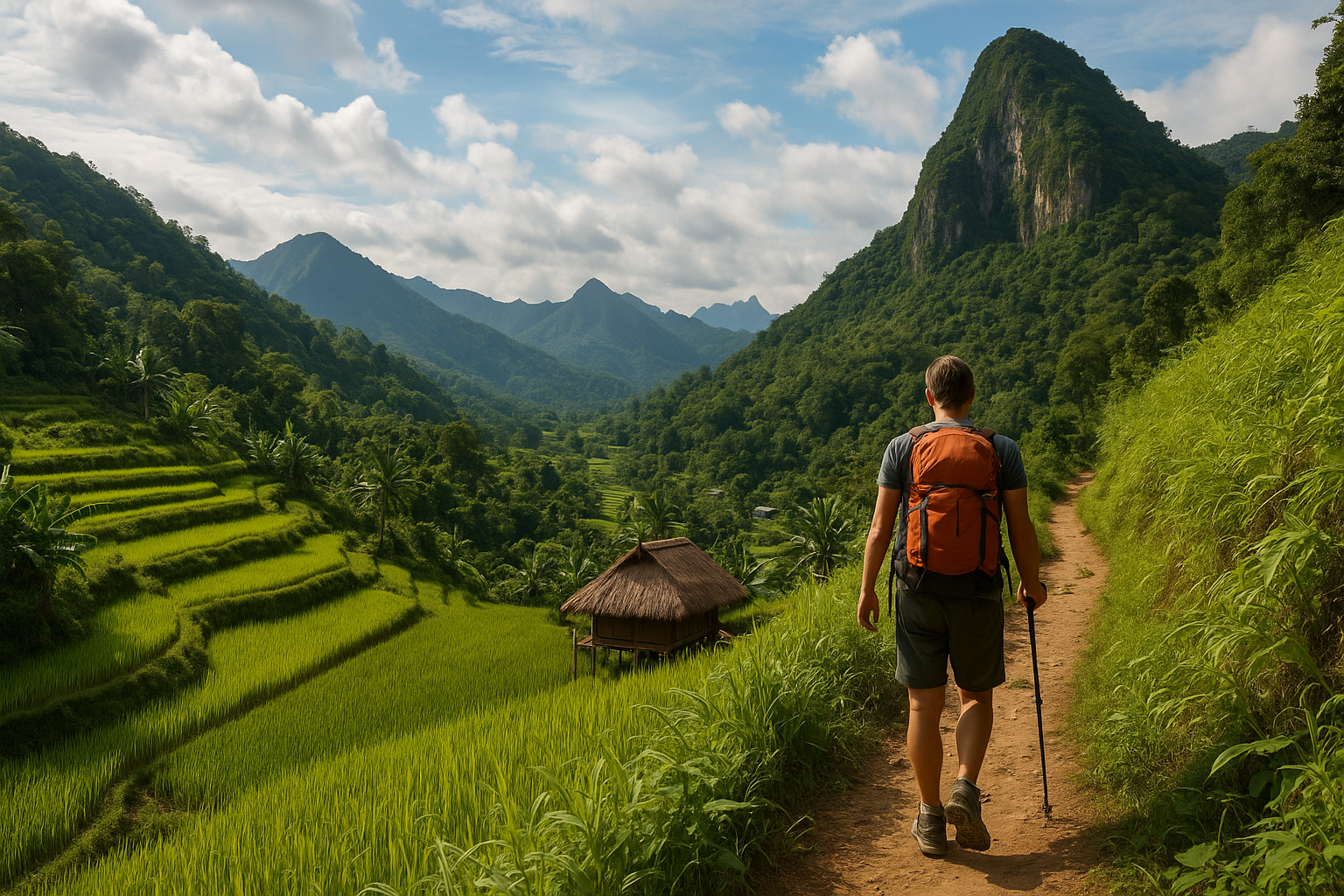
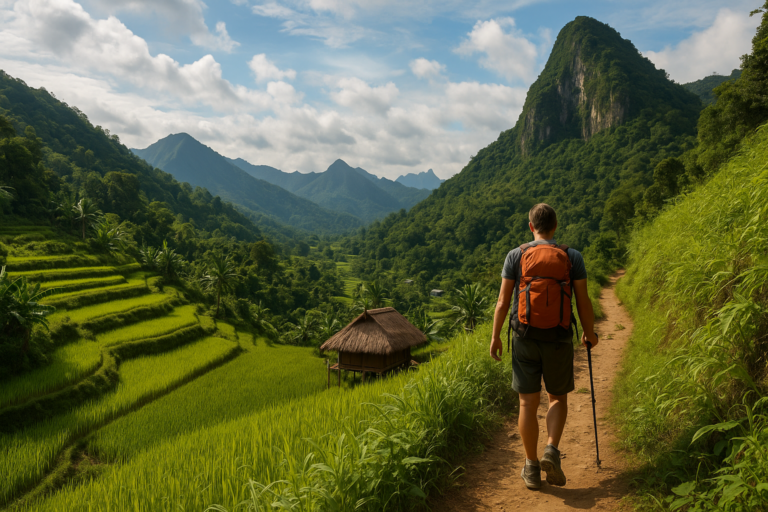
Why Hiking Trails in Southeast Asia (and Beyond) Belong on Your Adventure List
There’s a moment on every great hike when the trail opens up, the noise of everyday life disappears, and you realize you’re exactly where you’re supposed to be. Hiking trails in Southeast Asia have a way of delivering that feeling more intensely than almost anywhere else on the planet — whether you’re moving through ancient forest, cresting a ridge above the clouds, or arriving at a remote village where dinner is cooked over an open fire. But the adventure doesn’t stop at the borders of Southeast Asia. Some of the most rewarding multi-day routes in the world stretch across Japan’s sacred mountains and Albania’s wild Albanian Alps, and they deserve a place on your radar too.
This guide covers a range of long-distance hiking experiences that share one thing in common: they reward effort with something genuinely unforgettable. We’re talking about routes that challenge your legs, open your eyes to new cultures, and leave you with stories worth telling. Here’s what to know before you lace up your boots.
The Kumano Kodo, Japan: Walking a Sacred Path
The Kumano Kodo is one of those trails that stays with you long after you’ve finished walking it. Located on Japan’s Kii Peninsula in Wakayama Prefecture, it’s a network of ancient pilgrimage routes that have been used for over a thousand years. Pilgrims once walked these forested paths to reach the three Grand Shrines of Kumano — and today, hikers from around the world follow in their footsteps.
What makes the Kumano Kodo different from most hikes is the atmosphere. The trail winds through dense cedar and cypress forest, past mossy stone lanterns, ancient torii gates, and small roadside shrines tucked between the trees. It’s quiet in a way that feels intentional, like the landscape itself is asking you to slow down.
What to Expect on the Trail
The Kumano Kodo is made up of several interconnected routes, the most popular being the Nakahechi route. Most hikers choose to walk it over several days, typically spending between three and six days on the trail depending on the sections they cover. The terrain is generally manageable — well-maintained stone paths, forested ridges, and steady climbs — but it’s not flat. You’ll gain and lose elevation regularly, so a moderate level of fitness is helpful.
Accommodation along the route ranges from traditional Japanese guesthouses called minshuku or ryokan to small family-run lodges in villages along the way. Meals are often included in your stay, which means you’ll be eating home-cooked Japanese food after a long day on the trail — a genuine highlight of the experience. Water is generally available at designated points, but carrying enough between stops is always a smart habit.
Planning and Logistics
The nearest major access point is Osaka, and most hikers take the train down to Tanabe or Kii-Tanabe to start their journey. The Kumano Kodo Visitor Center in Tanabe is an excellent first stop — the staff there speak English and can help you plan your route, book accommodation, and arrange luggage forwarding between stops so you’re not carrying everything on your back every day.
The best seasons to walk the Kumano Kodo are spring (late March to May) and autumn (October to November), when temperatures are comfortable and the forest looks spectacular. Summer can be hot and humid, and the area receives heavy rainfall. Winter is possible but requires more preparation. For detailed trail maps and official route information, the Kumano Travel website is an invaluable resource.
The Valbona to Theth Trail, Albania: Europe’s Hidden Adventure
If you haven’t heard of the Valbona to Theth trail yet, write it down now. Tucked away in the Albanian Alps in the north of the country, this is one of the most famous trekking routes in Albania — and one of the most dramatic day hikes in the entire Balkans. The landscape is raw, the mountains are enormous, and the sense of discovery is real.
The hike covers approximately eight miles and involves around 4,000 feet — roughly 1,200 metres — of elevation gain, making it a genuinely challenging undertaking. You start in the Valbona Valley, climb steeply through alpine meadows and rocky switchbacks to a high mountain pass, then descend into the traditional village of Theth on the other side. The views from the pass are the kind that make you stop walking just to stare.
Difficulty and Duration
This is not a casual stroll. The elevation gain is significant, and the descent into Theth is long and steep on loose terrain. Most hikers with a reasonable level of fitness complete the route in around six to eight hours, though the pace varies widely depending on how many times you stop to take in the scenery (spoiler: it’ll be a lot). Trekking poles are strongly recommended, especially for the descent.
You don’t need any technical mountaineering skills to complete this hike, but you should be comfortable walking on uneven ground for an extended period. If you’ve done multi-hour day hikes before and felt good at the end, you’re probably ready for Valbona to Theth.
Getting There and Where to Stay
Most hikers start in Valbona, which is reached by a combination of buses and a scenic ferry ride across Lake Koman from Shkodër. The journey to get there is an adventure in itself — the ferry winds through dramatic canyon scenery that sets the tone perfectly for what’s ahead.
Both Valbona and Theth have small guesthouses run by local families, and staying in one is genuinely part of the experience. Expect simple but warm hospitality, home-cooked meals, and the chance to sit around a table with other hikers from across the world swapping trail stories. Accommodation is affordable by most standards, and the money goes directly into the local community.
The best time to hike this route is between June and September, when the pass is reliably snow-free. Outside of these months, the high section of the trail can be dangerous without proper equipment and local knowledge. July and August are the busiest months, but even then the trail never feels crowded in the way that popular hikes in Western Europe can.
Broader Hiking Trails Across Southeast Asia: Where to Start
Beyond Japan, the region offers an extraordinary range of hiking experiences. Hiking trails in Southeast Asia span everything from the towering peaks of the Himalayas to ancient rainforests in countries like Vietnam, Laos, Thailand, and Indonesia. The diversity is staggering — and that’s exactly what makes exploring this part of the world on foot so compelling.
For more inspiration and a broader overview of what’s possible across the continent, hiking-trails.com offers a solid starting point for researching routes across different countries and difficulty levels.
Northern Thailand: Doi Inthanon and Beyond
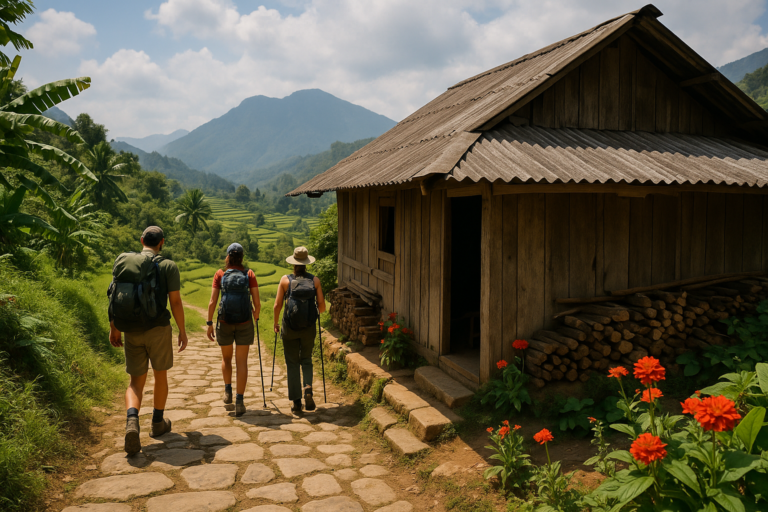
Thailand’s highest peak, Doi Inthanon, sits inside a national park in Chiang Mai province and offers a completely different hiking experience from the rest of the country. The trails here wind through misty cloud forest, past waterfalls and hill tribe villages, with birdlife that makes ornithologists genuinely emotional. It’s a world away from the beaches most people associate with Thailand, and it’s all the better for it.
Multi-day trekking in the hills around Chiang Mai is one of the most popular outdoor experiences in the region, with routes that combine forest walking with homestays in local villages. These treks offer real cultural immersion — you’re not just passing through a landscape, you’re spending time with the people who live in it.
Vietnam’s Fansipan and the Sapa Region
The Sapa region in northern Vietnam is famous for its terraced rice fields and its mountain trails, and the hike to the summit of Fansipan — the highest peak in Indochina — is a serious bucket-list objective for hikers visiting the country. The two to three day ascent takes you through diverse terrain, from lush valleys to exposed ridgelines, and requires a guide. The sense of achievement at the top is hard to overstate.
Even if you’re not aiming for the summit, the trails around Sapa offer some of the most scenic hiking in all of Southeast Asia, with the added dimension of passing through villages belonging to different ethnic minority communities whose traditions and way of life are deeply fascinating.
Indonesia: Volcanoes and Jungle Trails
Indonesia is a hiker’s playground. The country’s volcanic peaks — many of them active — draw trekkers from around the world, and the experience of watching sunrise from a crater rim above the clouds is something that’s very difficult to forget. Mount Rinjani on Lombok is one of the most popular multi-day volcano treks in the region, combining a challenging ascent with the reward of a crater lake and hot springs at the top.
Trails through Indonesian jungle, meanwhile, offer a completely different kind of adventure — dense, humid, alive with sound, and full of wildlife. These routes require more preparation and usually benefit from a local guide, but they deliver a level of immersion in the natural world that’s hard to match anywhere else.
Preparing for Multi-Day Hiking: What You Actually Need to Know
The single biggest mistake first-time multi-day hikers make is underestimating how different sustained daily hiking feels compared to a single-day outing. Your body needs time to adapt, and the mental challenge of consecutive days on the trail is real. Here’s how to set yourself up for success.
Physical Preparation
Start training at least six to eight weeks before a demanding multi-day hike. The most effective preparation is simply walking — progressively longer distances, on varied terrain, wearing the boots you plan to hike in. Add elevation gain wherever you can find it. If you live somewhere flat, stair climbing and weighted backpack walks are genuinely effective substitutes.
Strength training for your legs and core makes a significant difference, particularly for trails with steep descents like Valbona to Theth. Squats, lunges, and single-leg exercises help protect your knees on the way down.
Kit and Packing
- Footwear: Well-fitted, broken-in hiking boots or trail shoes are non-negotiable. Blisters from new boots can end a trip.
- Layers: Mountain weather changes fast. Pack a waterproof shell, a mid-layer, and moisture-wicking base layers regardless of the season.
- Navigation: Download offline maps before you set off. Apps like Maps.me or AllTrails work without a signal.
- Water: Carry more than you think you’ll need, and bring a filtration method or purification tablets for remote sections.
- First aid: A basic kit with blister treatment, pain relief, and any personal medication is essential.
- Sun protection: At altitude and in open terrain, sun exposure is more intense than it feels.
Food on the Trail
On routes with guesthouse accommodation, meals are usually available at the end of each day and sometimes in the morning before you set off. For the hours in between, carry enough snacks to keep your energy up — nuts, dried fruit, energy bars, and local snacks picked up at markets are all reliable options. Don’t rely on finding food mid-trail unless you’ve confirmed in advance that it’s available.
Choosing the Right Trail for Your Level
Not every trail suits every traveler, and that’s completely fine. The key is being honest with yourself about your current fitness level and experience, then choosing a route that challenges you without overwhelming you.
If you’re relatively new to multi-day hiking, start with a route that has shorter daily distances, reliable accommodation, and well-marked paths. The Kumano Kodo is a good example — it’s demanding enough to feel like a genuine achievement but manageable for someone who’s reasonably fit and prepared. The Valbona to Theth trail is a step up in terms of physical intensity and is better suited to hikers with some experience of sustained elevation gain.
For those who want to push further, the more remote trails of the Himalayas, the volcanic routes of Indonesia, or multi-week treks through the highlands of Laos and Myanmar offer experiences that take weeks to fully process after you get home.
The Real Reason to Go
At the end of the day, the reason to spend days walking through mountains and forests isn’t just the scenery — though the scenery is extraordinary. It’s the rhythm of it. The way a long trail strips everything back to something simple: walk, eat, rest, repeat. The conversations you have with strangers who become friends over shared meals in guesthouses. The villages you pass through that remind you how many different ways there are to live a life. The version of yourself you discover when you’ve been walking for six hours and you’re tired and your pack is heavy and you crest a ridge and the whole world opens up in front of you.
Whether you’re drawn to the sacred forests of Japan, the wild passes of Albania, or the rainforest trails of Southeast Asia, the experience of hiking through landscapes like these changes something in you — quietly, permanently, and for the better. Pack your boots, plan your route, and go find out for yourself.
This article was produced with AI assistance and reviewed editorially.


Vietnam Uncovered: Beyond the Chaos, Into the Real Story

Beyond the Guidebook: What Hanoi Actually Feels Like


