
Asia
Chiang Mai Beyond the Burning Season: A 12-Visit Local’s Complete Travel Guide (2026)
Chiang Mai beyond the burning season: a 12-visit local’s complete travel guide for 2026. Discover the best neighborhoods, food, day trips, and practical tips for visiting northern Thailand’s most captivating city — whatever the season.

Chiang Mai Beyond the Burning Season: A 12-Visit Local’s Complete Travel Guide (2026)
There’s a moment, usually somewhere between your first bowl of khao soi and your third temple visit, when Chiang Mai stops feeling like a destination and starts feeling like somewhere you actually belong. This city has a way of doing that. It pulls you in slowly — through its winding lanes, its morning markets, its mountain air, and the kind of warmth that doesn’t feel performed. After twelve visits across different seasons, different moods, and different versions of yourself, the layers just keep revealing themselves.
This Chiang Mai travel guide goes deeper than the highlights reel. It covers what takes multiple visits to truly understand: how to navigate the burning season without ruining your trip, which neighborhoods actually suit your travel style, and how to find the version of Chiang Mai that most tourists never see. Whether you’re planning your first trip or returning for another chapter, this is the guide you’ll actually use.
Why Chiang Mai Is Different From the Rest of Thailand
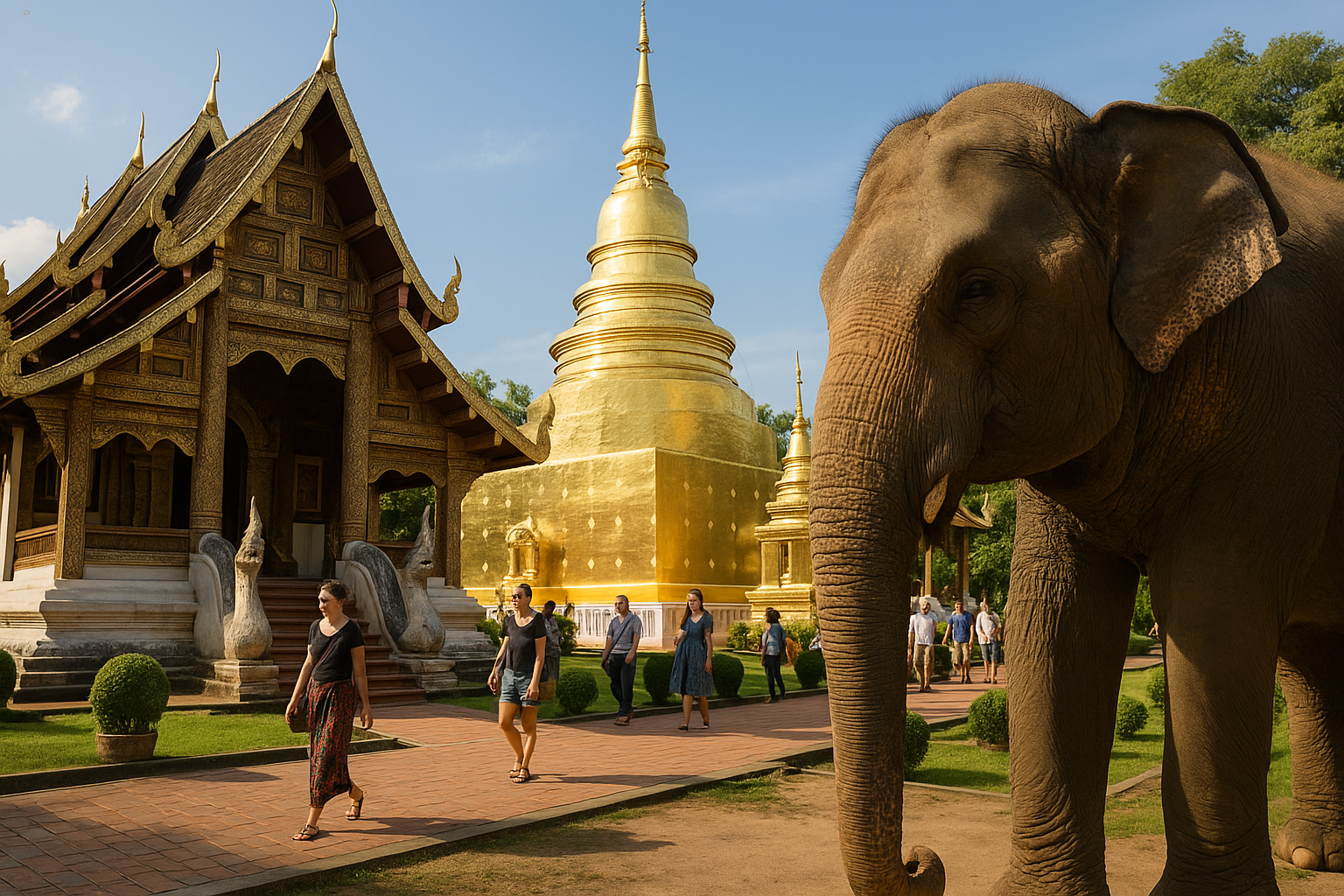
Thailand’s north operates on its own rhythm. Chiang Mai isn’t Bangkok — and that’s entirely the point. With a population of around 200,000 people, it’s compact enough to feel like a community but layered enough to keep surprising you every time you return. You can eat an extraordinary meal for almost nothing, rent a scooter and be in the mountains within thirty minutes, and still find a quiet corner of a 700-year-old temple without another tourist in sight.
The Old City sits at the heart of it all, surrounded by a moat and retaining wall that dates back to the 13th century, when Chiang Mai served as the capital of the Lanna Kingdom. That history isn’t just decorative — it shapes the character of the city. The architecture, the festivals, the food, and even the dialect spoken here all carry traces of a distinct northern Thai culture that’s separate from what you’ll find in the south or in the capital.
With over 300 temples scattered across the city, you could spend an entire trip temple-hopping and still not cover them all. But the most rewarding experiences in Chiang Mai tend to happen in the spaces between the landmarks.
Understanding the Burning Season: What Every Traveler Should Know
If you’ve done any research before landing on this guide, you’ve probably come across warnings about the burning season. It’s real, it matters, and it shouldn’t be ignored — but it also shouldn’t automatically rule out a visit if you plan carefully.
Each year, typically during the dry months in late winter and early spring, agricultural burning in the surrounding region creates significant smoke and haze that settles over the city and the wider northern Thailand area. During the worst periods, air quality can drop to levels that are genuinely uncomfortable — and potentially harmful — for people with respiratory conditions, allergies, or sensitivities.
Who Should Be Most Cautious During Burning Season
- Travelers with asthma, chronic respiratory conditions, or heart conditions should consult a doctor before planning a visit during peak burning months.
- Young children and older travelers are generally more vulnerable to poor air quality.
- Even healthy travelers may experience irritated eyes, a scratchy throat, or headaches during heavy smoke days.
Practical Tips for Visiting Chiang Mai During Burning Season
- Download a reliable air quality app before you arrive so you can check real-time conditions each morning.
- Pack a well-fitting N95 or equivalent mask — a basic surgical mask won’t filter fine particles effectively.
- Plan outdoor activities like mountain hikes or cycling for early morning, when air quality is often slightly better.
- On heavy smoke days, lean into indoor experiences: cooking classes, Thai massage, café culture, museum visits, and temple interiors.
- If conditions are severe, consider a short trip to a coastal destination and return when the haze clears.
The Best Time to Visit Chiang Mai (Beyond the Burning Season)
The honest truth? The best months to visit Chiang Mai are generally from late autumn through early winter, when the air is cool and clear, the skies are blue, and the mountains are at their most dramatic. The city feels completely different without the haze — sharper, more alive, and easier to fall in love with.
If your schedule only allows a visit during burning season, go in with realistic expectations and a good mask, and you’ll still have a meaningful trip. The culture, the food, and the people don’t disappear when the smoke rolls in. You just need to adapt how you move through the city.
For current air quality data, IQAir’s Chiang Mai page provides real-time readings that are worth bookmarking before you travel.
Navigating the City: Neighborhoods Worth Knowing
Chiang Mai’s layout is more intuitive than it first appears. Once you understand the different areas and what they offer, getting around — and deciding where to stay — becomes a lot easier.
The Old City
This is where the history lives. Enclosed within that ancient moat, the Old City is dense with temples, guesthouses, street food stalls, and the kind of narrow lanes that reward slow exploration on foot. It’s where you’ll find the famous Sunday Walking Street market, which transforms the main road into a sprawling night market filled with local crafts, food, and live music. Even if you don’t buy anything, walking it is an experience in itself — the energy is infectious and distinctly Chiang Mai.
Staying in the Old City puts you close to the main cultural sites, but it can also feel a little tourist-heavy, especially around the more popular temple areas. The trade-off is worth it for first-time visitors.
Nimman
Head west of the Old City and you’ll find Nimman — the neighborhood that’s become a hub for digital nomads, creatives, and young travelers. It’s trendy without being try-hard, lined with specialty coffee shops, independent restaurants, boutique stores, and co-working spaces. If you’re planning to work remotely while you’re here, or you just want reliable Wi-Fi and a flat white, Nimman delivers.
It’s also a good base if you want to be close to the action but slightly removed from the temple-circuit crowds.
👉 Read also: Chiang Mai Beyond the Burning Season: What to Expect and How to Stay Safe
The Riverside Area
The Ping River runs through the eastern edge of the city, and the neighborhoods along its banks have a slower, more relaxed feel. You’ll find independent cafés, art galleries, and some genuinely good restaurants tucked along the riverside roads. It’s less immediately obvious than the Old City or Nimman, which makes it worth seeking out — especially on your second or third visit, when you’re ready to slow down and explore properly.
Santitham: The Local’s Neighborhood
Most first-timers never make it to Santitham, which is exactly why it’s worth going. This residential neighborhood just north of the Old City is where Chiang Mai actually lives — local coffee shops with no English menus, noodle stalls that fill up at 7am, and a pace of life that feels completely removed from the tourist circuit. After a few visits to the city, this is the kind of neighborhood that starts to feel like home.
What to Eat in Chiang Mai: A Local’s Food Guide
Northern Thai cuisine is its own world, and Chiang Mai is the best place on earth to explore it. The flavors here are earthier, spicier, and more herb-forward than what you’ll find in Bangkok or the south. Here’s what to prioritize.
Khao Soi
If you only eat one thing in Chiang Mai, make it khao soi. This rich, coconut-curry noodle soup — topped with crispy fried noodles and served with pickled mustard greens, shallots, and lime — is the city’s signature dish. Every local has a favorite spot, and the debate about who makes it best is genuinely passionate. Try at least three different versions before you form an opinion.
Sai Oua (Northern Thai Sausage)
Grilled over charcoal and packed with lemongrass, galangal, kaffir lime leaves, and dried chilies, sai oua is the kind of thing you’ll find yourself craving months after you leave. Pick some up from a morning market and eat it with sticky rice for the full local experience.
Khao Kha Moo
Slow-braised pork leg served over rice with a soft-boiled egg and pickled greens — this is comfort food at its most satisfying. It’s cheap, filling, and available at stalls across the city. Look for places with a long queue of locals and you’re in the right spot.
Where to Eat Like a Local
Skip the tourist-facing restaurants around the main temple areas and head to the morning markets in residential neighborhoods instead. Talat Pratu Chiang Mai, just outside the Old City’s southern gate, is a good starting point. Get there before 8am for the best selection.
Experiences That Go Beyond the Tourist Circuit
The temples are worth visiting — some of them are genuinely extraordinary. But if you want to understand why people keep returning to Chiang Mai year after year, you need to look beyond the obvious itinerary.
Take a Thai Cooking Class
This sounds like a tourist cliché until you actually do it. A good cooking class in Chiang Mai typically starts at a morning market, where you learn to identify ingredients you’ve been eating without knowing their names. Then you spend a few hours cooking dishes from scratch in a traditional kitchen. You leave with recipes, skills, and a much deeper appreciation for what goes into northern Thai cuisine. It’s one of those experiences that changes how you eat for the rest of your life.
Visit a Hill Tribe Village Responsibly
The hill tribe communities in the mountains around Chiang Mai have complex histories and ongoing relationships with tourism. There are ethical tour operators who work directly with communities and ensure that visits are genuinely beneficial rather than exploitative. Do your research before booking — look for operators who employ local guides, give back to the communities, and focus on cultural exchange rather than spectacle. A well-organised visit can be one of the most meaningful experiences of your entire trip.
Explore the Night Bazaar and Local Markets
Beyond the Sunday Walking Street, Chiang Mai has a whole ecosystem of markets worth exploring. The Saturday Walking Street in the Wualai area has a slightly different character — more silverwork, more local crafts, and a bit less tourist density. Morning markets in the residential neighbourhoods are where locals actually shop, and wandering through one early in the day gives you a completely different window into daily life here.
Learn Basic Northern Thai Phrases
Standard Thai and the northern Kham Mueang dialect are different, but even a few words of standard Thai — hello, thank you, delicious — will open doors in ways that nothing else does. People genuinely appreciate the effort, and it shifts the dynamic of every interaction. Indie Traveller’s Chiang Mai guide covers some useful practical basics worth reading before you arrive.
Take a Meditation Retreat
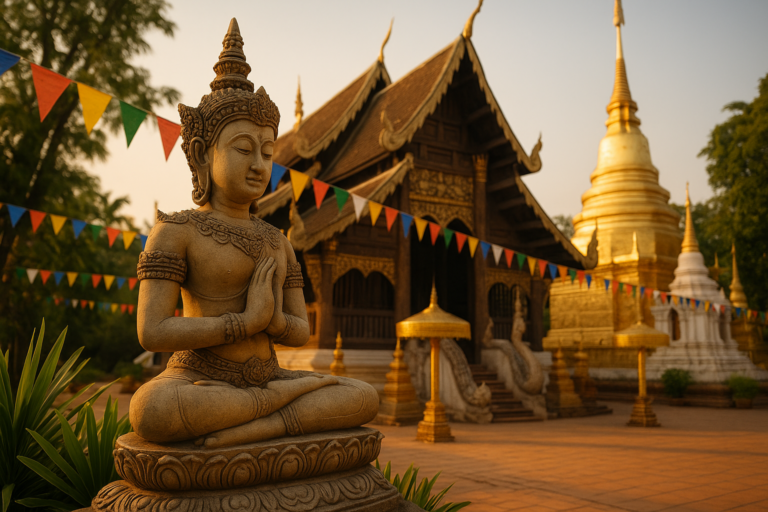
Chiang Mai has a long tradition of meditation practice, and several temples and dedicated centers offer short retreats — some as brief as a single day — that are open to travelers with no prior experience. It’s not about becoming a monk. It’s about slowing down enough to actually notice where you are. After the noise of travel, it can feel like pressing a reset button.
Day Trips That Are Absolutely Worth Your Time
Chiang Mai’s location in northern Thailand makes it one of the best bases for day trips in the entire country. The surrounding landscape is dramatic — mountains, waterfalls, national parks, and ancient towns all within a few hours’ reach.
Doi Inthanon National Park
Thailand’s highest peak sits inside Doi Inthanon National Park, roughly two hours southwest of the city. The park is home to cloud forests, spectacular waterfalls, hill tribe villages, and two royal pagodas built in honour of the Thai royal family. The temperature up here can drop significantly compared to the city, especially in the cooler months — bring a layer. It’s the kind of place that makes you feel genuinely far from the tourist trail, even though it’s accessible from the city in a single day.
👉 Read also: Chiang Mai Beyond the Temples: What 12 Visits Taught Me About Thailand's Most Misunderstood City
Chiang Dao
About an hour and a half north of the city, Chiang Dao is a small town sitting beneath a dramatic limestone mountain. There’s a cave complex worth exploring, excellent hiking trails, and a pace of life that feels completely unhurried. It’s become a favourite among travelers who want a taste of rural northern Thailand without committing to a long journey. Some people go for a day and end up staying three.
Sticky Waterfall (Bua Tong)
The name is unusual and the experience lives up to it. Unlike most waterfalls, the mineral-rich waters at Sticky Waterfall deposit calcium carbonate on the rocks, creating a surface with enough grip to actually walk up and down the cascades barefoot. It sounds gimmicky until you’re doing it — and then it’s just genuinely fun. It’s the kind of hidden gem that doesn’t show up on the first page of every travel blog, but it absolutely should.
Doi Suthep
Technically this one is right on the edge of the city rather than a full day trip, but it deserves its own mention. Doi Suthep is Chiang Mai’s most iconic temple, perched on the mountain that rises dramatically above the city. The views from the top are worth the climb — either up the 300-step staircase flanked by naga serpents, or via the cable car if you prefer. Go early in the morning to beat the crowds and catch the light at its best.
Lamphun: The Overlooked Ancient City
Just 26 kilometers south of Chiang Mai, Lamphun is one of the oldest cities in Thailand and one of the most undervisited. Its ancient temples — particularly Wat Phra That Hariphunchai — are genuinely stunning, and the town itself has a quiet, unhurried atmosphere that feels worlds away from the tourist buzz of Chiang Mai. It’s an easy half-day trip by local bus or scooter, and it consistently surprises people who make the effort to go.
Practical Things to Know Before You Go
A Chiang Mai travel guide wouldn’t be complete without the practical stuff — the things that make the difference between a smooth trip and a stressful one.
- Getting around: Renting a scooter gives you the most freedom, but only do it if you’re genuinely comfortable riding one. Red songthaew trucks (shared taxis) are a cheap and reliable way to get across the city. Ride-hailing apps also work well here.
- Cash: While card payments are increasingly accepted in tourist areas, many local markets, street food stalls, and smaller guesthouses still prefer cash. ATMs are widely available but charge withdrawal fees.
- Temple etiquette: Cover your shoulders and knees before entering any temple. Many have sarongs available to borrow at the entrance, but bringing a light scarf is easier.
- Food safety: Street food in Chiang Mai is generally safe and often excellent. Look for stalls with high turnover — busy places with lots of locals are usually your safest and most delicious bet.
- Connectivity: A local SIM card is cheap and easy to pick up at the airport or in the city. Data speeds are generally good, and you’ll be connected almost everywhere.
- Burning season timing: Peak burning season typically runs from February through April. If air quality is a concern, aim to visit between November and January for the clearest skies and most comfortable temperatures.
How Long Do You Actually Need in Chiang Mai?
Organised tours covering Chiang Mai and the surrounding region often run anywhere from ten to fourteen days, including temple visits, cooking classes, hill tribe experiences, and jungle treks. That’s a solid amount of time if you want to go deep. But even a long weekend gives you enough time to fall in love with the city — you just won’t be ready to leave when it ends.
If you’re building your own itinerary, three to five days in the city itself, plus one or two day trips, is a realistic starting point. The longer you stay, the more the layers reveal themselves. That’s the thing about Chiang Mai — it rewards return visits in a way that very few cities do. After twelve visits, there are still streets worth wandering down for the first time.
Frequently Asked Questions About Visiting Chiang Mai
Is Chiang Mai worth visiting during the burning season?
Yes — with the right preparation. Pack an N95 mask, download an air quality app, and plan outdoor activities for early mornings when conditions are often better. On heavy smoke days, lean into indoor experiences like cooking classes, Thai massage, and temple interiors. The city’s culture and food are just as rewarding regardless of the air quality.
When is the best time to visit Chiang Mai?
November through January is widely considered the best time to visit. The air is clear, temperatures are cooler (especially in the evenings), and the surrounding mountains look their most dramatic. This is also peak season, so expect more visitors and slightly higher prices.
How many days do you need in Chiang Mai?
A minimum of three days gives you a taste of the city. Five to seven days lets you explore properly, including a couple of day trips. If you have two weeks, you’ll start to feel like a local — and you’ll probably start looking at long-term rental prices.
Is Chiang Mai safe for solo travelers?
Chiang Mai is consistently rated one of the safest cities in Southeast Asia for solo travelers, including solo female travelers. The usual common-sense precautions apply — be aware of your surroundings, keep an eye on your belongings in crowded markets, and trust your instincts. The city has a well-established backpacker and digital nomad community, so it’s easy to connect with other travelers if you want company.
What’s the difference between Chiang Mai and Chiang Rai?
Chiang Mai is larger, more developed, and has a wider range of accommodation, food, and experiences. Chiang Rai, about three hours north, is smaller and quieter, and is best known for the White Temple (Wat Rong Khun) and its proximity to the Golden Triangle. Many travelers visit both — Chiang Mai as a base and Chiang Rai as a day trip or overnight stop.
Do I need to speak Thai to visit Chiang Mai?
No — English is widely spoken in tourist areas, guesthouses, and restaurants. That said, learning even a handful of Thai phrases will genuinely transform your interactions with locals. A simple “sawasdee krap/ka” (hello) and “khob khun krap/ka” (thank you) go a long way.
The Feeling You’ll Take Home
There’s a reason so many travelers end up back in Chiang Mai. It’s not just the temples, the food, the mountains, or the markets — though all of those are genuinely worth the journey. It’s the combination of all of them, wrapped in a city that feels like it still has something to show you no matter how many times you’ve been.
This Chiang Mai travel guide can point you in the right direction, but the real discovery happens when you put your phone in your pocket, follow a side street you haven’t been down before, and let the city surprise you. That’s when the trip becomes something you’ll actually remember.
Start planning, pack light, and go with an open mind. Chiang Mai will take care of the rest.
This article was produced with AI assistance and reviewed editorially.


Sri Lanka by Backpack: The Route, Costs, and Unmissable Stops

Uzbekistan’s Silk Road Cities: Samarkand & Bukhara in 2026


