
Mexico
Mexico’s Caribbean Corridor: Getting Around Cancun, Tulum & Isla Mujeres in 2026
Find the best cancun to tulum transport options including shuttles, buses, and private transfers. Learn costs, distances, and schedules for traveling between Cancun and T

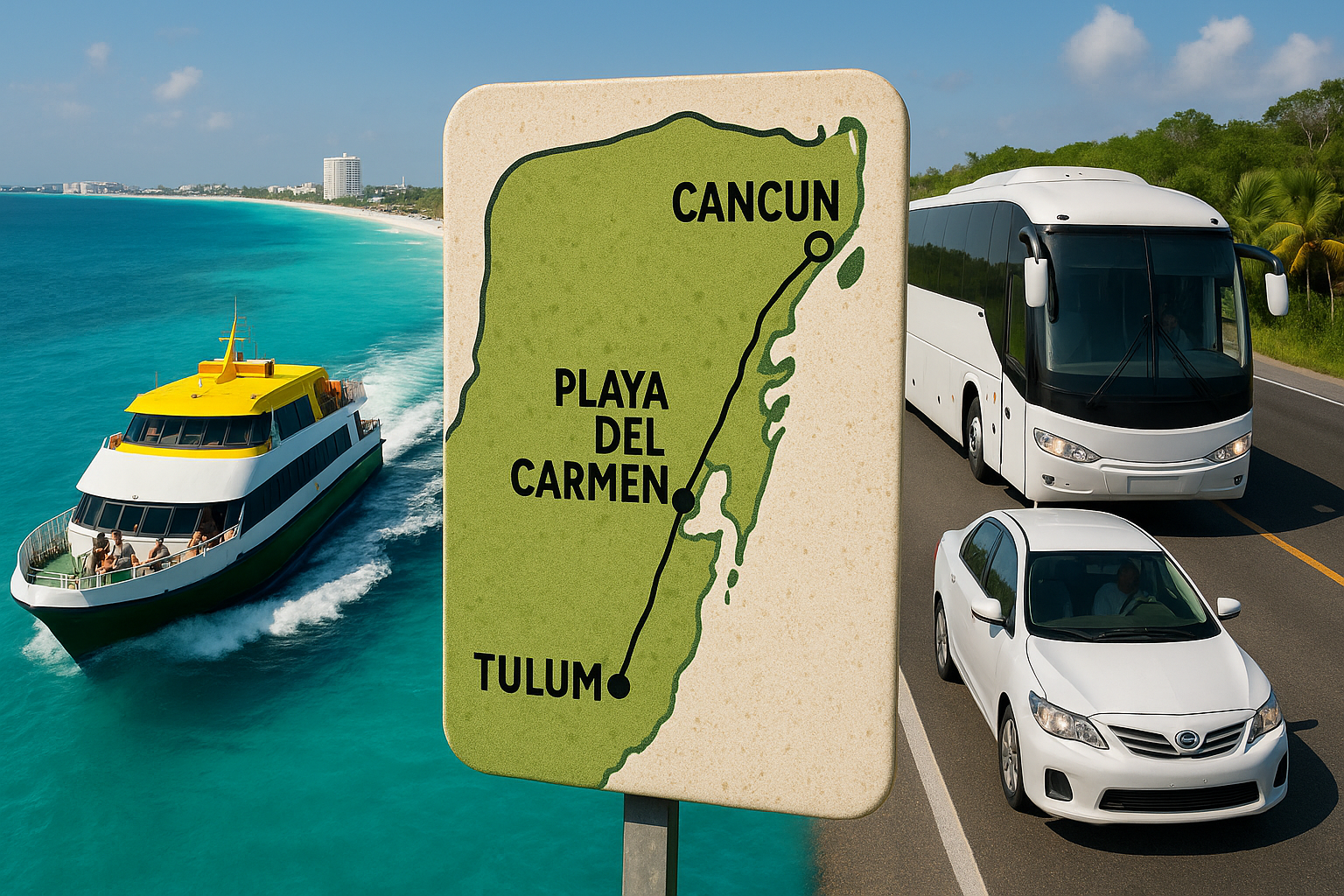
Mexico’s Caribbean Corridor: Moving Between Cancun, Tulum, and Isla Mujeres
There’s a stretch of Mexico’s Caribbean coastline that feels almost too good to be true — turquoise water, ancient ruins, and island life all packed into one relatively compact region. The triangle formed by Cancun, Tulum, and Isla Mujeres is one of the most visited corners of the Yucatán Peninsula, and for good reason. But knowing how to move between these three places efficiently can make the difference between a trip that flows beautifully and one that wastes hours in confusion. Whether you’re figuring out cancun to tulum transport, planning a ferry crossing to Isla Mujeres, or trying to squeeze all three destinations into a single trip, this guide walks you through the real logistics — so you can spend less time waiting and more time exploring.
Understanding the Triangle: What You’re Working With
Before diving into transport options, it helps to understand the geography. Cancun sits at the northern tip of the Quintana Roo coastline, functioning as the region’s main gateway. Most international flights land here, which makes it the natural starting point for most travelers. From Cancun, you can head south along the coast toward Tulum, or you can cross the water to Isla Mujeres, the small island that sits just off the northeastern tip of the peninsula.
Tulum lies roughly 130 kilometers south of Cancun along the coastal highway, passing through the Riviera Maya and towns like Playa del Carmen along the way. Isla Mujeres, on the other hand, is a short ferry ride from Cancun’s Puerto Juárez or the Hotel Zone ferry terminals. These three destinations form a loose triangle — each one distinct in character, each one worth visiting.
Cancun is the buzzing urban hub, full of energy and convenience. Tulum is the one that gets under your skin — jungle vibes, clifftop ruins, cenotes, and a creative, laid-back atmosphere that draws a different kind of traveler. Isla Mujeres is smaller, quieter, and genuinely charming in a way that surprises people who expect just another beach resort. Together, they cover almost every type of Caribbean experience you could want.
Cancun to Tulum: Choosing Your Transport
The road connecting Cancun and Tulum is well-traveled and well-served by multiple transport options. When it comes to cancun to tulum transport, you essentially have three main choices: shared shuttle, private transfer, or public bus. Each has its own rhythm, and the right one depends on your budget, your travel style, and how much flexibility you want.
Shared Shuttles
Shared shuttle services are one of the most popular options among young travelers. You book a seat on a van or minibus that departs at a scheduled time, and you share the ride with other travelers heading in the same direction. It’s more comfortable than a public bus, more affordable than a private transfer, and it often includes hotel pickup — which saves you the hassle of navigating to a bus terminal with a backpack on your back.
Several shuttle companies operate along the Cancun–Tulum corridor, making stops at popular points along the Riviera Maya like Playa del Carmen. If you’re planning to stop somewhere in between, a shuttle with flexible drop-off points is worth looking for. Always confirm pickup times and locations when you book, since schedules can vary by season.
Public Bus
If you want to travel like a local and keep costs as low as possible, the public bus is your friend. Mexico’s intercity bus network is genuinely good — the coaches that run between Cancun and Tulum are air-conditioned, reliable, and depart frequently throughout the day. You can buy tickets at the bus terminal in Cancun, and the journey takes you through the heart of the Riviera Maya.
The main trade-off is flexibility. Buses stop at designated terminals, not at your hostel door. If your accommodation is outside of town, you’ll need to factor in a taxi or local colectivo (shared minivan) at either end. That said, for budget-conscious travelers who don’t mind a bit of extra legwork, the bus is a solid choice. It’s also a great way to meet people — you never know who you’ll end up sitting next to.
Private Transfers
Private transfers are the most comfortable option and make sense if you’re traveling in a group, arriving late at night, or simply want a door-to-door service without any stress. Several transfer companies operate between Cancun airport and Tulum, and booking in advance is always recommended. Shuttle and transfer services connecting Cancun to destinations throughout the Riviera Maya are widely available, and many can be arranged through your accommodation or directly online before you travel.
For solo travelers or pairs, private transfers can feel like an unnecessary expense. But split between three or four people, the price difference compared to a shared shuttle narrows considerably — and you get the added bonus of traveling on your own schedule.
Renting a Car
If you’re planning to explore the region independently — stopping at cenotes, visiting ruins, or heading off the main road — renting a car gives you a level of freedom that no shuttle can match. The coastal highway between Cancun and Tulum is straightforward to drive, and having your own vehicle opens up a whole world of side trips. Just make sure you understand the insurance requirements and road conditions before you go. For more on travel essentials in Mexico, Boutique Travel Experts has a useful overview of what to prepare before your trip.
Cancun to Isla Mujeres: The Ferry Experience
Getting to Isla Mujeres is genuinely one of those travel moments you remember. You’re standing on a dock, sea breeze in your face, watching a small island come into view across the water — and even before you arrive, you can feel the pace of life shifting. The ferry crossing from Cancun to Isla Mujeres is short, scenic, and a little bit magical.
Isla Mujeres is accessible from Cancun via ferry, with crossings departing from a couple of different points depending on where you’re staying. The most commonly used terminal for travelers based in the Hotel Zone is the ferry dock there, while Puerto Juárez on the mainland serves travelers coming from downtown Cancun. Shuttle and transfer services also connect Cancun to the Isla Mujeres ferry terminal, which is worth knowing if you’re traveling with luggage or arriving from the airport.
The crossing itself takes around twenty minutes or so, and ferries run throughout the day in both directions. It’s worth checking current schedules and prices directly with the ferry operators before your trip, since these can change seasonally. Island Life Mexico’s Isla Mujeres guide is a helpful resource for up-to-date visitor information, including ferry logistics.

Once on the island, the best way to get around is by renting a golf cart — it’s become something of a local tradition, and it’s genuinely fun. You can cover the whole island in a couple of hours, stopping at beaches, viewpoints, and the colorful streets of the main town at your own pace. Bicycles and scooters are also available for rent if you prefer something a little more active.
Day Trips: Making the Most of Each Hub
One of the great things about this region is how well it lends itself to day trips. Each of the three main destinations sits within reach of some remarkable places, which means you can use any of them as a base and still see a huge amount.
Day Trips from Cancun
Cancun’s location makes it an ideal launch pad. From here, you can reach Tulum in a couple of hours, making it feasible as a day trip if you’re staying in Cancun but want to see the ruins and the beach. Isla Mujeres is even closer — a morning ferry crossing, a day on the island, and you’re back in time for dinner. Playa del Carmen and the surrounding Riviera Maya are also easily accessible, with shuttle services connecting Cancun to those destinations regularly.
For something a little different, the cenotes scattered throughout the jungle between Cancun and Tulum are worth exploring. These natural swimming holes — some open-air, some deep inside cave systems — are one of the Yucatán’s most distinctive features. Many can be visited as part of a day trip from Cancun, either independently or through an organized tour.
Day Trips from Tulum
Tulum is arguably the best base for exploring the wider region. The Tulum ruins are right on your doorstep, perched on a cliff above the Caribbean — arrive early to beat the crowds and you’ll have one of Mexico’s most iconic views almost to yourself. From here, you’re also within reach of the Sian Ka’an Biosphere Reserve, a vast protected area of jungle, lagoon, and coastline that’s genuinely unlike anywhere else in the region.
The cenotes around Tulum are some of the most beautiful in the Yucatán — Dos Ojos and Gran Cenote are frequently mentioned by travelers as highlights of their entire Mexico trip. You can reach most of them by bicycle from Tulum town, which makes for a great half-day adventure. Further afield, Cobá — an ancient Mayan city deep in the jungle — is another popular day trip, offering a very different atmosphere to the coastal ruins at Tulum.
Day Trips from Isla Mujeres
Isla Mujeres is smaller and slower, but that doesn’t mean you’re limited. The island itself rewards slow exploration — the northern beach, the southern lighthouse, the turtle sanctuary — but you can also use it as a base for snorkeling trips to the nearby reef. The waters around Isla Mujeres are part of the Mesoamerican Barrier Reef, and the marine life here is extraordinary. Day trips back to Cancun are straightforward, and some travelers choose to base themselves on the island while making day trips to the mainland.
Regional Logistics: Tips for Moving Around Smoothly
Moving between three destinations in a short trip requires a bit of planning, but it’s very manageable once you understand how the pieces fit together. Here are some practical points to keep in mind.
- Book transport in advance during peak season. The Riviera Maya is one of Mexico’s most visited regions, and during holiday periods, shuttles and ferries can fill up quickly. Booking ahead saves stress.
- Colectivos are your budget secret weapon. These shared minivans run along the main coastal highway and stop on request. They’re cheap, frequent, and used by locals and travelers alike. Great for short hops between towns.
- Keep small change handy. Taxis, colectivos, and some ferry terminals work better with cash. Having Mexican pesos in small denominations makes everything smoother.
- Check travel advisories before you go. Mexico is a vast and varied country, and conditions can differ significantly by region. The US State Department’s Mexico travel advisory is regularly updated and worth reading before your trip, regardless of your nationality.
- Visa requirements are straightforward for most travelers. British, EU, US, Canadian, and Australian passport holders can enter Mexico visa-free for tourism purposes for up to 180 days. Always verify requirements for your specific nationality before traveling.
- Flexibility is a superpower. The best transport option isn’t always the fastest or the cheapest — sometimes it’s the one that gives you the freedom to change your mind. Build a little breathing room into your itinerary and you’ll enjoy the journey as much as the destination.
How Long Do You Actually Need?
This is the question every traveler asks, and the honest answer is: it depends on how you travel. If you move fast and want to tick all three destinations off a list, you could technically do it in four or five days. But rushing through this region would be a shame. Tulum alone deserves at least two nights — one to arrive and settle in, one to explore properly. Isla Mujeres rewards a slower pace, and even a single night there changes the experience entirely compared to a rushed day trip.
A week gives you a comfortable rhythm: a couple of days in Cancun to get your bearings and make your ferry crossing to Isla Mujeres, then head south through the Riviera Maya toward Tulum with time to stop along the way. Two weeks lets you breathe — explore the cenotes, visit Cobá, take a day trip to Cozumel, and still have evenings to wander and discover things that weren’t in any guide.
The cancun to tulum transport corridor is genuinely one of the most well-connected stretches of coastline in Mexico, which means you’re never far from your next destination. But the best journeys here aren’t about speed — they’re about what you notice when you slow down enough to look.
Before You Go: A Few Final Thoughts
Mexico’s Caribbean corridor is one of those places that rewards curiosity. The transport infrastructure is good enough that you can move around without stress, but the region is rich enough that you’ll always find a reason to stay a little longer than planned. Whether you’re a first-time visitor trying to figure out the best cancun to tulum transport route, or a returning traveler looking to finally spend proper time on Isla Mujeres, the key is to plan enough to feel confident and leave enough space to be surprised.
Pack light, keep your documents accessible, download an offline map, and trust that the region will reveal itself at its own pace. The Caribbean has a way of doing that. You arrive with a plan, and somewhere between the ferry crossing and the jungle road and the cenote you didn’t expect to find, you realize the best moments were never in the itinerary to begin with. That’s the real magic of this corner of Mexico — and it’s waiting for you whenever you’re ready.
This article was produced with AI assistance and reviewed editorially.


Vietnam Uncovered: Beyond the Chaos, Into the Real Story

Beyond the Guidebook: What Hanoi Actually Feels Like


