
Asia
Backpacking Southeast Asia on a Shoestring: Sri Lanka, Laos & Thailand Itineraries for 2026
Explore three month-long itineraries through Sri Lanka, Laos, and Thailand with real costs, temple highlights, and insider tips for budget travelers in 2026.

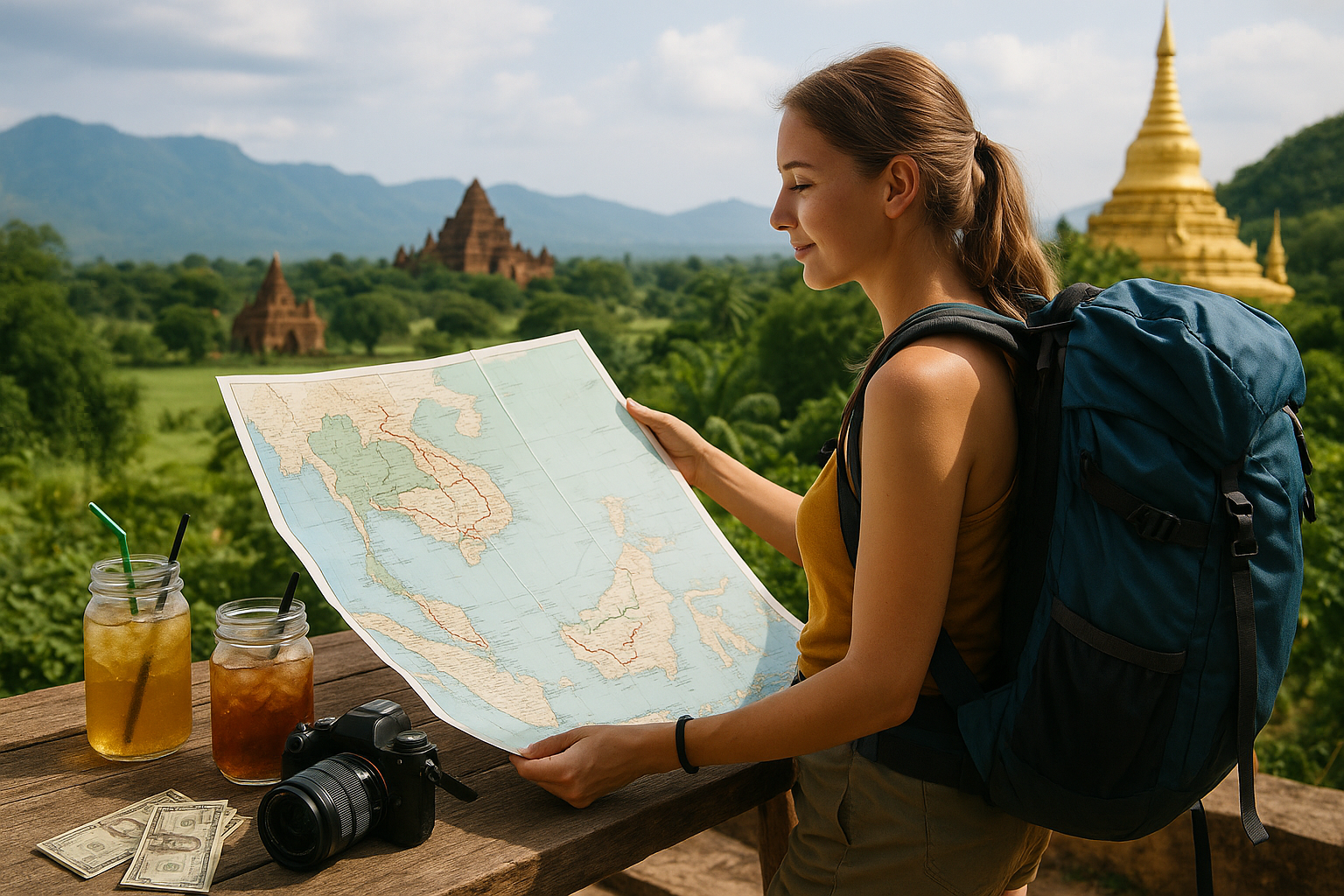
Why Backpacking Southeast Asia on a Budget Still Makes Perfect Sense in 2026
There’s a reason Southeast Asia has been drawing backpackers since the late 1960s and early 1970s. The trail that typically winds through Thailand, Laos, Vietnam, Cambodia, Malaysia, and Singapore has introduced generations of young travelers to a world that feels genuinely different — in the best possible way. Jungle canopies, ancient temples draped in morning mist, night markets where dinner costs less than a coffee back home, and a kind of freedom that’s hard to find anywhere else. If you’re thinking about backpacking Southeast Asia on a budget in 2026, the good news is this: the region remains one of the most rewarding and accessible places on earth for travelers who want real experiences without draining their savings.
What makes it so compelling right now isn’t just the low cost of living. It’s the sheer variety. You can spend a week trekking through dense emerald jungle, then catch a slow boat down a wide river, then end up watching the sun melt into the sea from a beach that still feels like a secret. The experiences available here — from rooftop bars in buzzing cities to silent temples at sunrise — would cost several times more anywhere in Europe or North America. A full month of travel in Southeast Asia can come in at a fraction of what you’d spend on a single weekend in New York. That’s not a pitch. That’s just the reality of how far your money goes here.
This guide breaks down three destination-focused itineraries — Sri Lanka, Laos, and Thailand — with honest detail about what to expect, how to move around, where to stay, and how to avoid the tourist traps that can quietly eat through your budget. We’ll also touch on why Vietnam’s northern loop deserves a spot in your planning. Whether you’re a first-timer or someone who’s done a lap of the region before, there’s always another layer to discover.
Sri Lanka: One Month of Temples, Tea Country, and Tropical Coastline
Sri Lanka often gets overlooked in favour of its Southeast Asian neighbours, but it rewards curious travelers enormously. The island packs an extraordinary amount of variety into a relatively small space: tropical beaches on the south and east coasts, misty hill country in the centre, ancient Buddhist temples, colonial forts, UNESCO World Heritage Sites, and some of the most scenic train rides you’ll find anywhere in the world.
How to Structure Your Month
A month gives you enough time to move slowly and actually absorb the place rather than just photograph it. A sensible approach is to start in the cultural triangle in the north-central region, where the ancient cities of Anuradhapura and Polonnaruwa sit alongside the iconic rock fortress of Sigiriya. These sites are genuinely impressive — not in a “you have to say that” way, but in the sense that standing at the top of Sigiriya at dawn, looking out over a flat green landscape that stretches to the horizon, is the kind of moment you’ll still be describing years later.
From there, head south into the hill country around Kandy and beyond toward Ella. The train journey through the tea plantations is one of those travel experiences that lives up to its reputation. The carriages are old, the windows open, and the landscape rolls past in shades of green that don’t seem real. Budget travelers can ride in the cheaper unreserved carriages for a very modest fare — just book or arrive early, because this route has become popular.
Ella itself is a small hill town with a relaxed pace, good guesthouses at affordable rates, and easy day hikes to viewpoints and waterfalls. Spend a few days here before heading south toward the coast. The southern beaches around Mirissa, Unawatuna, and Tangalle offer very different vibes — from lively surf spots to quiet bays where you can find a guesthouse room steps from the water without spending much at all.
Budget Breakdown and Practical Tips
Sri Lanka is genuinely affordable for backpackers who travel thoughtfully. Guesthouse dormitories and basic private rooms are widely available across the main tourist trail. Local food — rice and curry served on a banana leaf, fresh coconut, hoppers for breakfast — is both delicious and inexpensive. The tourist-facing restaurants in popular spots cost more, so the easiest way to keep costs down is to eat where locals eat, which also happens to be where the food is better.
Transport between cities is cheap by tuk-tuk, bus, or train. The main expense spikes come from entrance fees at the major cultural sites, which are priced for international visitors and can add up over a month. Budget for these separately and prioritise the ones that genuinely interest you rather than trying to tick every box. A wildlife safari in Yala or Udawalawe — where elephant sightings are common — is worth the splurge if nature is your thing.
For a deeper dive into planning your Sri Lanka route, Global Gallivanting’s Sri Lanka itinerary guide is a solid starting point with practical day-by-day structure.
Laos: The Slow Travel Capital of Southeast Asia
If there’s one country in the region that genuinely rewards travelers who slow down, it’s Laos. Landlocked, quiet, and less visited than its neighbours, Laos has a rhythm that’s almost contagious. You arrive expecting to stay a week and find yourself still there three weeks later, not because there’s nothing to do, but because the pace of life here is something worth experiencing in itself.
The Classic Route and Where to Linger
Most backpackers enter Laos from Thailand via the slow boat down the Mekong River — a two-day journey that already sets the tone for what’s to come. The boat drifts through forested hills and small villages, and the combination of movement, scenery, and enforced stillness is genuinely meditative. It’s one of the great overland journeys in Southeast Asia, and it costs very little.
Luang Prabang, the former royal capital, is where most people spend their first significant stretch of time in Laos. The town is a UNESCO World Heritage Site, and the blend of French colonial architecture, Buddhist temples, and the surrounding mountains and rivers makes it visually stunning. Wake up before dawn to watch the alms-giving ceremony, where monks in saffron robes walk in silence through the streets. Attend respectfully and quietly — this is a genuine religious practice, not a performance.
From Luang Prabang, the Kuang Si waterfalls are an easy and worthwhile day trip. The turquoise pools are postcard-perfect, but more importantly, they’re actually enjoyable to swim in. Head there early to beat the crowds and you’ll have stretches of the lower pools almost to yourself.
Further south, Vang Vieng has evolved from its chaotic party reputation into something more balanced — there’s still nightlife if you want it, but there’s also excellent kayaking, caving, and cycling through rice fields and karst mountains. Vientiane, the understated capital, is worth a few days for its temples, morning market, and the strange, wonderful Patuxai monument. Then consider heading south toward the 4,000 Islands region near the Cambodian border, where hammocks, river sunsets, and almost no agenda make for an ideal end to a Laos chapter.
Keeping Costs Low in Laos
Laos is one of the more affordable countries in the region for day-to-day costs. Guesthouses are cheap, local food is excellent and inexpensive, and public transport — while slow — costs very little. The slow boat is both the cheapest and most enjoyable way to travel long distances. The main costs to plan for are activities like kayaking, caving tours, and the occasional tuk-tuk when buses don’t align with your plans. As with Sri Lanka, eating local keeps costs manageable and the food more interesting.
Thailand: From Chiang Mai’s Mountains to the Southern Islands
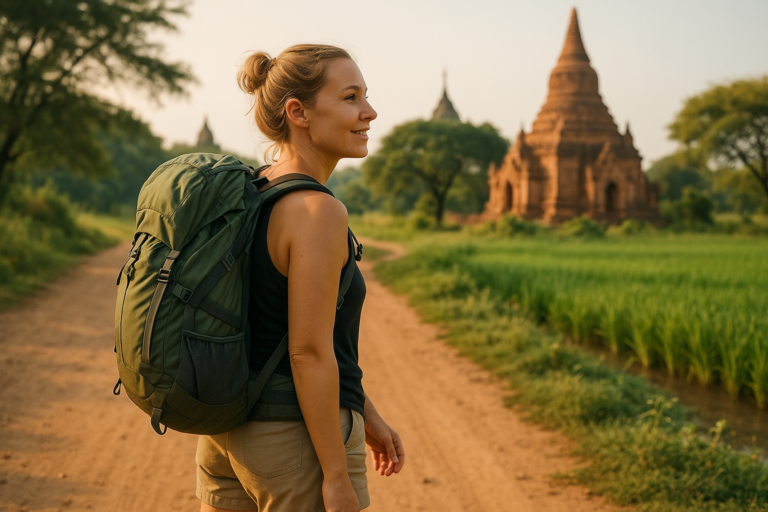
Thailand is the entry point for most backpackers on the Southeast Asia trail, and for good reason. It has everything — dense emerald jungles, limestone karst coastlines, world-class street food, ancient temple complexes, rooftop bars in neon-lit cities, and a transport infrastructure that makes getting around genuinely easy. Backpacking Southeast Asia on a budget in Thailand is almost effortless once you understand how the country works.
Chiang Mai: More Than Just a Base
Chiang Mai in the north is one of those cities that becomes a recurring chapter in many travelers’ stories. It’s easy to see why people return again and again. The old city is ringed by a moat and dotted with over three hundred temples — not an exaggeration. Doi Suthep, the hilltop temple overlooking the city, is worth the early morning climb before the heat sets in. The views across the valley are remarkable, and the temple itself is genuinely beautiful.
The city has a strong cultural identity rooted in the Lanna Kingdom, distinct from Bangkok in feel and history. The Sunday Walking Street market along Wualai Road is one of the best markets in the country — local crafts, street food, live music, and a crowd that’s a mix of residents and travelers. Eat your way through it slowly.
One important note for timing: Chiang Mai experiences a burning season, typically in the late dry months, when agricultural burning and forest fires can significantly reduce air quality. If clean air and clear mountain views are a priority, plan your visit outside this window — generally, the cooler months from November through February offer the most comfortable conditions. The city rewards multiple visits across different seasons, and many travelers who pass through once find themselves planning a return before they’ve even left.
Koh Lanta and the Southern Islands
Thailand’s southern islands offer a spectrum of experiences, from the well-developed and lively to the quiet and unhurried. Koh Lanta, in the Andaman Sea, sits toward the latter end of that spectrum. It has a more relaxed, stretched-out feel compared to busier islands — long beaches, a handful of laid-back villages, and a pace that suits travelers who want to actually rest rather than just change locations. Budget accommodation options are available, particularly away from the main tourist strip, and the diving and snorkelling in the surrounding waters is genuinely excellent.
For planning a broader Thailand backpacking route, Nomadic Matt’s Southeast Asia travel tips cover the classic trail structure well and are worth reading before you finalise your itinerary.
Getting the Most from Thailand Without Overspending
Thailand has a wider price range than Laos or Sri Lanka. The tourist infrastructure is well developed, which means there are plenty of comfortable options at mid-range prices — but there are also excellent budget options if you know where to look. Local transport by songthaew (shared pickup trucks) in cities like Chiang Mai costs a fraction of private taxis. Night trains between Bangkok and Chiang Mai are cheap, comfortable, and save you a night’s accommodation. Street food from market stalls and local restaurants is consistently better and cheaper than tourist-facing menus.
- Travel between islands by ferry rather than flying when distances allow — it’s cheaper and often more scenic.
- Stay in guesthouses run by local families rather than international hostel chains for a more authentic experience at better prices.
- Visit temples early in the morning to avoid both crowds and the midday heat.
- Use local markets for breakfast and lunch — pad thai from a street cart at 7am is one of life’s genuine pleasures.
- Learn a few words of Thai — locals appreciate the effort and it often opens doors that stay closed to travelers who don’t try.
Vietnam’s Northern Loop: A Route Worth Adding
While this guide focuses primarily on Sri Lanka, Laos, and Thailand, it would be a disservice not to mention the northern Vietnamese highlands as a natural extension of any regional itinerary. The area around Cao Bang in the northeast is one of the most visually dramatic landscapes in all of Southeast Asia — terraced rice fields climbing steep hillsides, waterfalls dropping through dense forest, and villages that feel genuinely remote despite being reachable by road.
A multi-day motorbike loop through this region is a popular option for confident riders, and the route offers the kind of slow, immersive travel that’s increasingly hard to find on the more beaten paths. The roads wind through mountain passes with views that stop you mid-corner, and the experience of navigating your own route through this landscape — stopping when something catches your eye, eating at roadside stalls, staying in small guesthouses — captures everything that makes independent travel in Southeast Asia so compelling.
Vietnam as a whole fits naturally into a longer regional trip. The country’s north-to-south (or south-to-north) overland route is well established, with excellent bus and train connections, and the food alone justifies the journey.
Practical Advice for Backpacking Southeast Asia on a Budget
Across all these destinations, a few principles apply consistently. They’re not secrets — they’re just the things that experienced regional travelers tend to do naturally.
- Move slowly. The faster you travel, the more you spend on transport and the less you actually experience each place. Give yourself more time than you think you need.
- Eat local. This is both the cheapest and most rewarding approach to food in every country on this list. The best meals you’ll have won’t be in tourist restaurants.
- Be flexible with timing. Shoulder seasons often offer better weather, fewer crowds, and lower prices than peak tourist months. Research the climate of each destination before you commit to dates.
- Carry cash. While digital payments are increasingly available in cities, rural areas and local markets still run on cash. ATM access can be limited in smaller towns.
- Respect local customs. This isn’t just polite — it genuinely enriches your experience. Covering your shoulders and knees at temples, removing shoes when asked, and observing religious ceremonies quietly all open up a more authentic version of the places you’re visiting.
- Book transport in advance for popular routes. The slow boat in Laos, night trains in Thailand, and certain ferry routes fill up quickly in high season. A little forward planning saves frustration.
The backpacking Southeast Asia budget question is one that comes up constantly, and the honest answer is that it depends entirely on how you travel. Those who eat local, use public transport, stay in guesthouses, and move at a relaxed pace can stretch their money remarkably far. Those who eat at tourist restaurants, take private transfers, and stay in international hostels will spend considerably more. Neither approach is wrong — but knowing which one suits you helps you plan honestly.
The Real Reason to Go
Numbers and itineraries only tell part of the story. The real reason to plan a backpacking trip through Southeast Asia in 2026 is harder to quantify. It’s the conversation you’ll have with a stranger on a slow boat who turns out to be one of the most interesting people you’ve ever met. It’s the moment you find yourself eating something you can’t name at a market stall at midnight and thinking this is exactly where I’m supposed to be. It’s the temple at dawn, the river at dusk, the mountain pass that opens onto a view that makes you stop the bike and just stand there for a while.
Southeast Asia has been drawing young travelers for decades because it delivers on its promise — not of luxury or comfort, but of genuine experience. The kind that changes how you see things, not just how many stamps are in your passport. Whether you spend a month in Sri Lanka, drift through Laos on the Mekong, explore the mountains around Chiang Mai, or ride a motorbike through the Vietnamese highlands, you’ll come back with stories worth telling. And honestly, that’s the whole point.
This article was produced with AI assistance and reviewed editorially.


Vietnam Uncovered: Beyond the Chaos, Into the Real Story

Beyond the Guidebook: What Hanoi Actually Feels Like


