
Tips & Tricks
Travel and Mental Health: Taking Care of Yourself While Exploring the World
Travel mental health matters more than most people admit. Learn how to manage loneliness, anxiety, and burnout on the road — and explore the world with more confidence, awareness, and joy.

Travel Mental Health: Taking Care of Yourself While Exploring the World
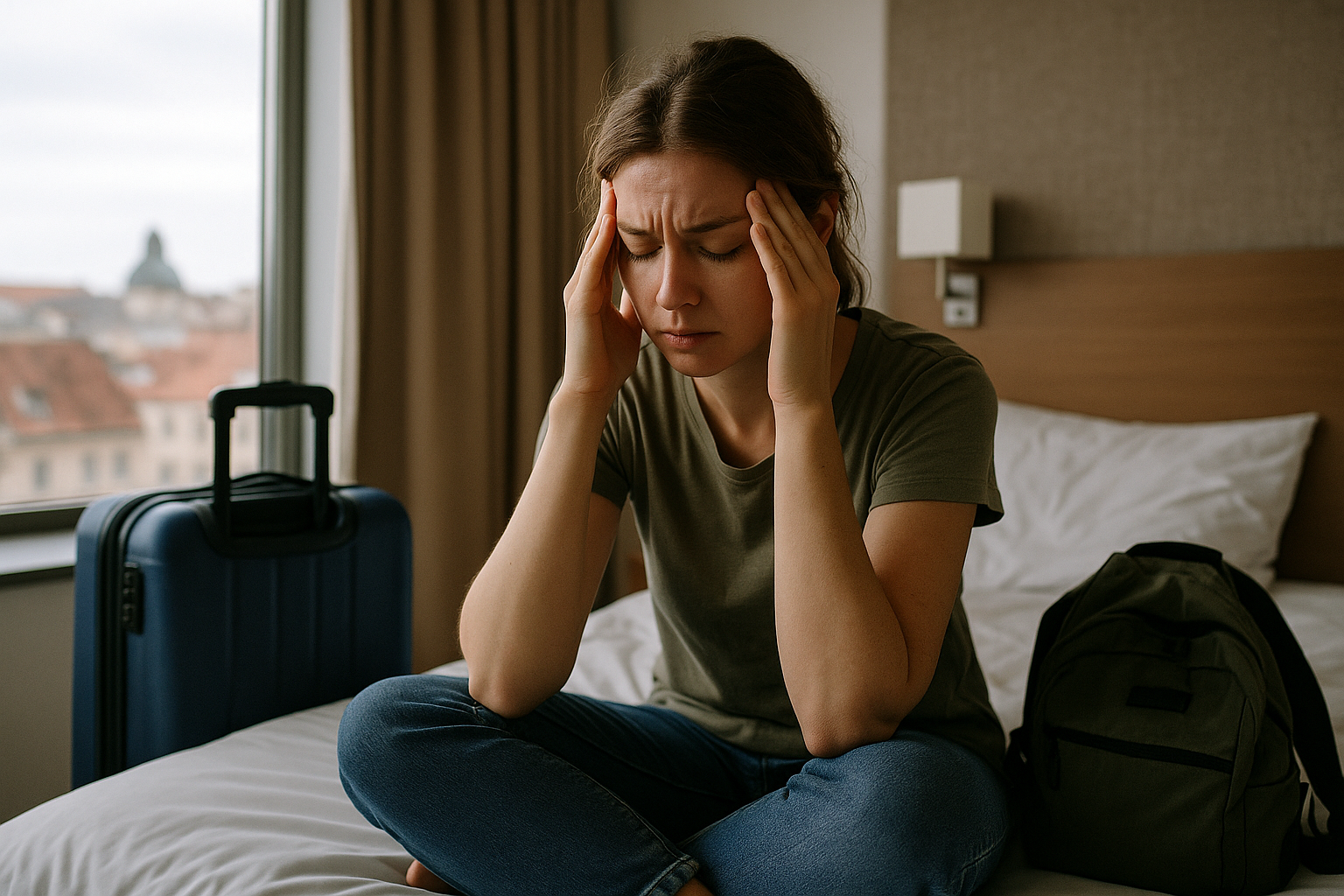
Travel mental health is something the travel community doesn’t talk about nearly enough — and that silence does a lot of damage. We share the golden-hour photos, the spontaneous road trips, the laughing-with-strangers moments. What we don’t post is the 2 a.m. feeling of being completely alone in a city where you don’t speak the language, or the creeping exhaustion that comes from moving every three days for six weeks straight. Both versions are real. Both deserve space in the conversation.
This isn’t about scaring you away from traveling. It’s the opposite. Understanding how travel affects your mental health — and having practical tools to manage it — means you can explore more freely, more confidently, and more sustainably. Whether you’re planning your first solo trip or your tenth, this guide will help you stay well on the road so you can actually enjoy the journey.
Why Travel Mental Health Matters More Than You Think
Most travel content focuses on where to go and what to see. Very little of it prepares you for how travel actually feels — the full emotional spectrum of it. And that gap matters, because your mental wellbeing directly shapes the quality of every experience you have on the road.
When you’re mentally well, you’re curious, open, and present. You notice things. You connect with people. You handle the inevitable chaos of travel with flexibility instead of panic. When you’re not, even the most stunning destination can feel flat, overwhelming, or just exhausting. Taking your mental health seriously while traveling isn’t a sign of weakness — it’s what separates a trip you’ll remember fondly from one you’ll spend years recovering from.
The Mental Health Challenges Nobody Warns You About
Loneliness and the Solo Travel Paradox
Solo travel is genuinely one of the most empowering things you can do in your twenties. It builds confidence, teaches self-reliance, and opens doors that group travel sometimes closes. But here’s the part the Instagram highlight reel skips: it can also be deeply lonely.
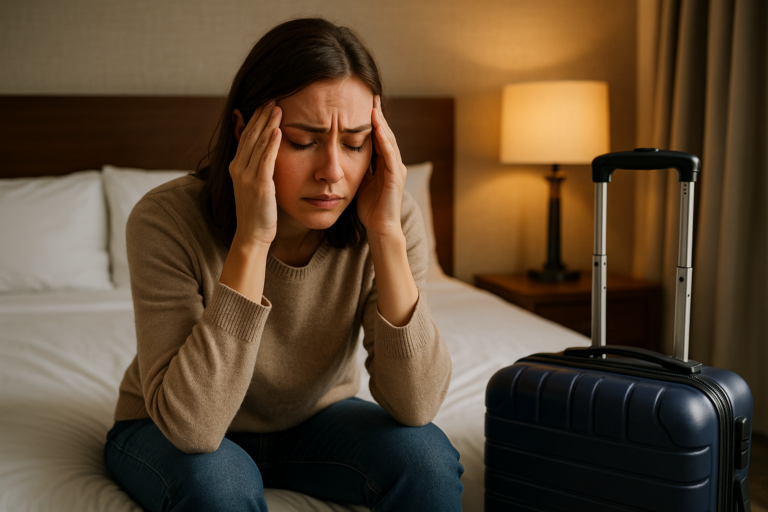
You can be surrounded by people in a hostel common room and still feel completely disconnected. You can spend an entire day exploring a beautiful city and realize, at dinner, that you haven’t had a real conversation with anyone. That kind of loneliness — the kind that exists inside otherwise exciting circumstances — can catch you completely off guard.
The loneliness isn’t a sign that you’re doing travel wrong. It’s a natural response to being separated from your established support system. Your brain is wired for consistent human connection, and transient friendships, however warm, don’t always fill that gap.
Culture Shock Is a Real Psychological Process
Culture shock gets dismissed as a mild inconvenience — a bit of confusion about local customs, maybe some frustration with the food. In reality, it’s a recognized psychological adjustment process with distinct phases. First comes the honeymoon phase, where everything feels exciting and new. Then comes disillusionment, where the differences stop feeling charming and start feeling exhausting. You might feel irritable, homesick, or emotionally flat in ways that seem disproportionate to the situation.
This is your mind working hard to recalibrate. Moving to a new country — even temporarily — means your brain has to relearn hundreds of micro-behaviors: how to buy groceries, how to navigate public transport, how to read social cues. That cognitive load adds up. Giving yourself permission to feel unsettled without judging yourself for it is one of the most useful things you can do.
Travel Burnout: When the Adventure Stops Feeling Like One
There’s a particular kind of exhaustion that comes from moving too fast for too long. You’ve probably felt it — or you know someone who has. You’re in a stunning location and you feel… nothing. Or worse, you feel irritable and resentful of the very trip you planned for months. That’s travel burnout, and it’s more common than most people admit.
Constant decision-making is genuinely tiring. Every day on the road involves dozens of micro-decisions: where to sleep, what to eat, how to get there, whether to trust this taxi driver, what to do if the hostel lost your booking. Your brain’s decision-making capacity is finite. When you’re also navigating language barriers, time zone changes, and the social effort of constantly meeting new people, the mental load becomes enormous.
Anxiety in Unfamiliar Environments
Travel is inherently unpredictable, and unpredictability is anxiety’s favorite playground. For travelers who already manage anxiety at home, being abroad can amplify those feelings significantly. For those who’ve never experienced anxiety before, travel can sometimes trigger it for the first time.
Logistical stress — missed connections, lost documents, communication barriers — can spike anxiety quickly. So can the physical side effects of travel: disrupted sleep, unfamiliar food, jet lag, and inconsistent routines all affect the neurological systems that regulate mood and stress response. According to the World Health Organization’s mental health resources, environmental and social disruptions are significant contributors to psychological stress — and travel involves both in abundance.
The Pressure to Have the Time of Your Life
Here’s one that doesn’t get talked about enough: the mental weight of feeling like you’re supposed to be having the best experience of your life — all the time. Social media has created an unrealistic baseline for what travel is supposed to look like, and when your reality doesn’t match the highlight reel, it’s easy to feel like you’re doing something wrong.
You’re not. Bad days happen on the road just like they happen at home. Feeling underwhelmed, homesick, or just tired doesn’t mean the trip is a failure. It means you’re human. Releasing the pressure to perform happiness is one of the most liberating things you can do for your travel mental health.
How Travel Affects Mental Health: The Science Behind the Feelings
It’s not just in your head — well, actually, it is, but in a very real, physiological way. Travel disrupts your circadian rhythm, alters your gut microbiome through new foods and environments, and keeps your stress-response system in a near-constant state of low-level activation. All of these things directly influence your mood, your energy, and your emotional resilience.
On the positive side, exposure to new environments stimulates neuroplasticity — your brain’s ability to form new connections and adapt. Novelty triggers dopamine release, which is why the first days of a trip often feel electric. Meaningful social connection, even brief, boosts oxytocin and reduces cortisol. Travel, when approached thoughtfully, can genuinely support mental wellbeing. The key word is thoughtfully.
Understanding this balance helps you work with your brain rather than against it. Rest when the stimulation gets too high. Seek connection when isolation starts to weigh on you. Eat and sleep consistently when everything else feels chaotic. Your mental health on the road responds to the same inputs it does at home — it just requires more deliberate attention when you’re far from your usual environment.
👉 Read also: Travel Burnout Is Real: How to Avoid It and Actually Enjoy Your Adventure
Building a Portable Self-Care Routine
Sleep, Nutrition, and Movement: The Non-Negotiables
When your mental health starts to slip on the road, the first place to look is the basics. Sleep deprivation affects mood, judgment, emotional regulation, and resilience — all of which you need in abundance when you’re navigating unfamiliar environments. Prioritizing sleep isn’t boring or uncool. It’s the difference between an experience that feels rich and one that feels overwhelming.
Nutrition matters too. Living on convenience store snacks and cheap noodles for weeks at a time is a genuine travel rite of passage, but it also affects your energy, your mood, and your ability to handle stress. Whenever you can, eat something real. Visit local markets, cook in hostel kitchens, find the neighborhood spots where locals actually eat. You’ll feel better, and you’ll have a more authentic experience while you’re at it.
Movement is one of the most accessible mental health tools available to travelers. You don’t need a gym. Walk instead of taking the bus. Swim if there’s an ocean nearby. Stretch in the morning before you look at your phone. Even twenty minutes of physical activity can meaningfully shift your mood and reduce anxiety.
Creating Structure Without Losing Spontaneity
One of the great myths of travel is that routine and spontaneity are opposites. They’re not. A loose daily structure — a consistent wake-up time, a morning habit, a regular check-in with yourself — actually creates the psychological safety that makes spontaneity feel exciting rather than chaotic.
Try anchoring your day with one or two consistent habits regardless of where you are. It could be a morning journal entry, a ten-minute meditation, or simply sitting with a coffee before you open any apps. These small rituals signal to your nervous system that even in an unfamiliar place, some things are stable. That stability is genuinely grounding.
Journaling as a Mental Health Tool
Journaling while traveling does two things simultaneously: it helps you process what you’re experiencing emotionally, and it creates a record of your journey that you’ll treasure for years. You don’t need to write beautifully or at length. A few honest sentences at the end of each day — what happened, how you felt, what surprised you — is enough to maintain self-awareness and catch early signs of burnout or low mood before they escalate.
Some travelers find that writing honestly about difficult feelings — loneliness, frustration, fear — makes those feelings less overwhelming. You’re not performing for an audience. You’re just checking in with yourself.
Protecting Your Digital Wellbeing on the Road
Your phone is both your greatest travel tool and one of your biggest mental health risks. Constant connectivity keeps you safe and informed, but it also means you’re never fully present — and presence is kind of the whole point of travel.
Set intentional limits on social media use. Comparing your experience to someone else’s curated highlight reel is a reliable way to feel inadequate about a trip that’s actually going well. Try designating phone-free windows during the day — a morning walk, a meal, an hour before bed. You’ll be surprised how much more you notice when you’re not documenting everything.
Managing Loneliness and Building Real Connections
Intentional Community on the Road
Loneliness in travel is real, but connection is genuinely available if you seek it intentionally. The key word is intentionally. Waiting passively for friendships to form is less effective than creating conditions where they can happen.
Stay in social accommodation — hostels with common areas, guesthouses run by local families, or community-focused coliving spaces. Join a free walking tour, not just for the sightseeing but for the social infrastructure it provides. Take a cooking class, join a local sports pickup game, or attend a language exchange event. These aren’t tourist traps — they’re genuine opportunities to meet people who share your curiosity.
Platforms like Meetup exist in cities around the world and connect travelers with local communities around shared interests. Whether it’s hiking, photography, board games, or conversation practice, showing up to something you actually care about is one of the most effective ways to build real connections quickly.
Staying Connected With Your People at Home
Maintaining relationships with your support network at home isn’t a sign that you’re not handling travel well. It’s a healthy, important part of sustaining your mental wellbeing on the road. Schedule regular calls with people who know you. Not just quick check-ins, but actual conversations where you’re honest about how you’re doing.
Time zones make this tricky, but it’s worth the effort. Even a weekly voice message exchange with a close friend can provide more emotional grounding than hours of scrolling. Speaking of which — be mindful of how you use social media while traveling. Comparing your experience to someone else’s curated highlight reel is a reliable way to feel inadequate about a trip that’s actually going well.
Grounding Techniques for Anxiety on the Road
When anxiety spikes in an unfamiliar place, having a few reliable grounding techniques can make a significant difference. The 5-4-3-2-1 method is a simple and effective one: name five things you can see, four you can touch, three you can hear, two you can smell, and one you can taste. It sounds almost too simple, but it works by redirecting your nervous system’s attention from anxious thoughts to present-moment sensory experience.
Slow, deliberate breathing is another tool that’s always available to you. A four-count inhale, a brief hold, and a six-count exhale activates the parasympathetic nervous system and reduces the physical symptoms of anxiety. You can do this on a crowded train, in an airport terminal, or sitting outside a café — no one even needs to know.
Familiarizing yourself with your surroundings as soon as you arrive somewhere new also helps. Walk the neighborhood without a destination. Find the nearest pharmacy, supermarket, and open space. This kind of low-stakes exploration builds a sense of competence and familiarity that reduces ambient anxiety considerably.
When to Slow Down — or Stop
Recognizing the Signs of Burnout
Travel burnout tends to build gradually and then arrive all at once. Signs to watch for include persistent irritability, emotional numbness in places that should feel exciting, difficulty making simple decisions, disrupted sleep despite physical exhaustion, and a growing sense that you’d rather be anywhere but here. If several of these are present consistently for more than a few days, your mind and body are asking you to slow down.
👉 Read also: Travel Safety for Young Women: Practical Advice From Real Travelers
The most underrated move in travel is the slow day. Pick a place you like and stay there longer than planned. Sleep in. Don’t visit a single attraction. Read a book in a park. Eat a long, unhurried meal. Give yourself permission to just exist somewhere without extracting experiences from it. This kind of rest isn’t wasted time — it’s what makes the rest of the journey sustainable.
Accessing Professional Support Remotely
Seeking professional mental health support while traveling is more accessible than it used to be. Teletherapy platforms allow you to connect with licensed therapists from almost anywhere in the world with a reliable internet connection. If you already have a therapist at home, ask before you leave whether they’re able to continue sessions remotely during your trip. Many are.
If you’re experiencing a mental health crisis abroad, contact the local emergency services or reach out to your country’s embassy or consulate — they can help you find appropriate local care. Some travel insurance policies include mental health coverage, so it’s worth checking yours before you depart.
There’s also no shame in cutting a trip short if your mental health requires it. Travel should serve your life, not the other way around. Coming home early to take care of yourself is not a failure. It’s good judgment.
A Note on Travel as a Coping Mechanism
It’s worth saying clearly: travel is not a cure for mental health conditions, and using it as an escape from unresolved struggles at home often intensifies rather than resolves them. The saying “wherever you go, there you are” exists for a reason. If you’re managing depression, trauma, or severe anxiety, speak with a mental health professional before planning an extended trip. Travel can be a genuinely enriching part of a healthy life — but it works best when it’s an addition to a stable foundation, not a substitute for one.
How to Prepare Your Mental Health Before You Leave
The best time to think about travel mental health isn’t when you’re already struggling on the road — it’s before you pack your bag. A little preparation goes a long way.
If you’re currently in therapy, have an honest conversation with your therapist about your plans. Talk through potential triggers, coping strategies, and what to do if things get difficult. If you take medication, make sure you have enough supply for the full trip, plus extra in case of delays. Research mental health resources at your destination — knowing where to turn if you need help is genuinely reassuring, even if you never use it.
It also helps to be honest with yourself about your baseline. Are you going through a particularly hard time right now? Is this trip motivated by genuine curiosity and excitement, or mostly by the desire to escape something? There’s no wrong answer — but being clear-eyed about your starting point helps you travel more intentionally and take better care of yourself along the way.
Mental Health Tips for First-Time Solo Travelers
If this is your first time traveling alone, the mental load can feel especially heavy. Everything is unfamiliar — the logistics, the social dynamics, the quiet moments when there’s no one to share things with. That’s completely normal, and it does get easier.
Start with a shorter trip before committing to months on the road. A week or two solo gives you a real sense of how you handle the emotional rhythms of independent travel without overwhelming you. Choose a destination with a strong backpacker community if connection matters to you — some cities are genuinely easier to meet people in than others. And build in a buffer day at the start of your trip to settle in, get your bearings, and let the initial wave of nerves pass before you start ticking things off your itinerary.
Most importantly: give yourself credit. Choosing to travel alone takes courage. The discomfort you feel in the early days isn’t a warning sign — it’s proof that you’re doing something that genuinely stretches you. That’s exactly where growth happens.
Traveling Well Means Taking Care of the Person Doing the Traveling
The most important thing you can bring on any journey is self-awareness. Know your limits. Recognize your patterns. Build in rest before you need it. Stay honest with yourself and with the people who care about you. The world is full of extraordinary places, and you deserve to experience them fully — not through a fog of exhaustion, anxiety, or loneliness that could have been addressed with a little more intention.
Travel mental health isn’t a niche concern for a specific type of traveler. It’s relevant to every single person who’s ever packed a bag and headed somewhere new. Take it seriously, and you’ll travel further, stay longer, and come home with stories that are genuinely worth telling.
Frequently Asked Questions
Is it normal to feel anxious or sad while traveling?
Completely. Travel involves constant change, uncertainty, and separation from your usual support system — all of which can affect your mood and mental state. Feeling anxious, homesick, or emotionally low at some point during a trip is far more common than travel content suggests. It doesn’t mean something is wrong with you or that the trip is a failure.
How do I deal with loneliness while traveling solo?
Seek out social environments intentionally — hostels with common areas, group tours, local events, or community platforms like Meetup. Stay connected with people at home through regular calls or voice messages. And give yourself permission to acknowledge the loneliness without judging yourself for it. Naming the feeling is often the first step to moving through it.
Can travel actually improve my mental health?
Yes — when approached thoughtfully. Exposure to new environments stimulates creativity and neuroplasticity. Meaningful connections made on the road can boost your sense of belonging. And the confidence that comes from navigating unfamiliar situations independently is genuinely good for your self-esteem. The caveat is that travel works best as a complement to a stable mental health foundation, not a replacement for one.
What should I do if I have a mental health crisis while abroad?
Contact local emergency services first if you’re in immediate distress. Your country’s embassy or consulate can also help you access appropriate local care. If you use a teletherapy platform, reach out to your therapist remotely. Check your travel insurance policy — many now include mental health coverage. And remember: asking for help when you need it is always the right call, wherever you are in the world.
How do I avoid travel burnout?
Build rest into your itinerary before you need it, not after. Avoid moving locations every day for extended periods. Anchor your days with small consistent habits. Eat well, sleep enough, and move your body. And give yourself permission to have slow, unproductive days — they’re not wasted time. They’re what makes the rest of the journey feel alive.
Is it okay to go home early if I’m struggling mentally?
Absolutely. Travel should serve your life and your wellbeing. If continuing a trip is genuinely harming your mental health, coming home is not a failure — it’s a mature, self-aware decision. There will always be another trip. There’s only one you.
This article was produced with AI assistance and reviewed editorially.


Sri Lanka by Backpack: The Route, Costs, and Unmissable Stops

Uzbekistan’s Silk Road Cities: Samarkand & Bukhara in 2026


