
Tips & Tricks
Travel Burnout Is Real: How to Avoid It and Actually Enjoy Your Adventure
Feeling exhausted instead of excited? Discover what travel burnout really is, how to spot the signs, and practical ways to recover and prevent it on your next adventure.

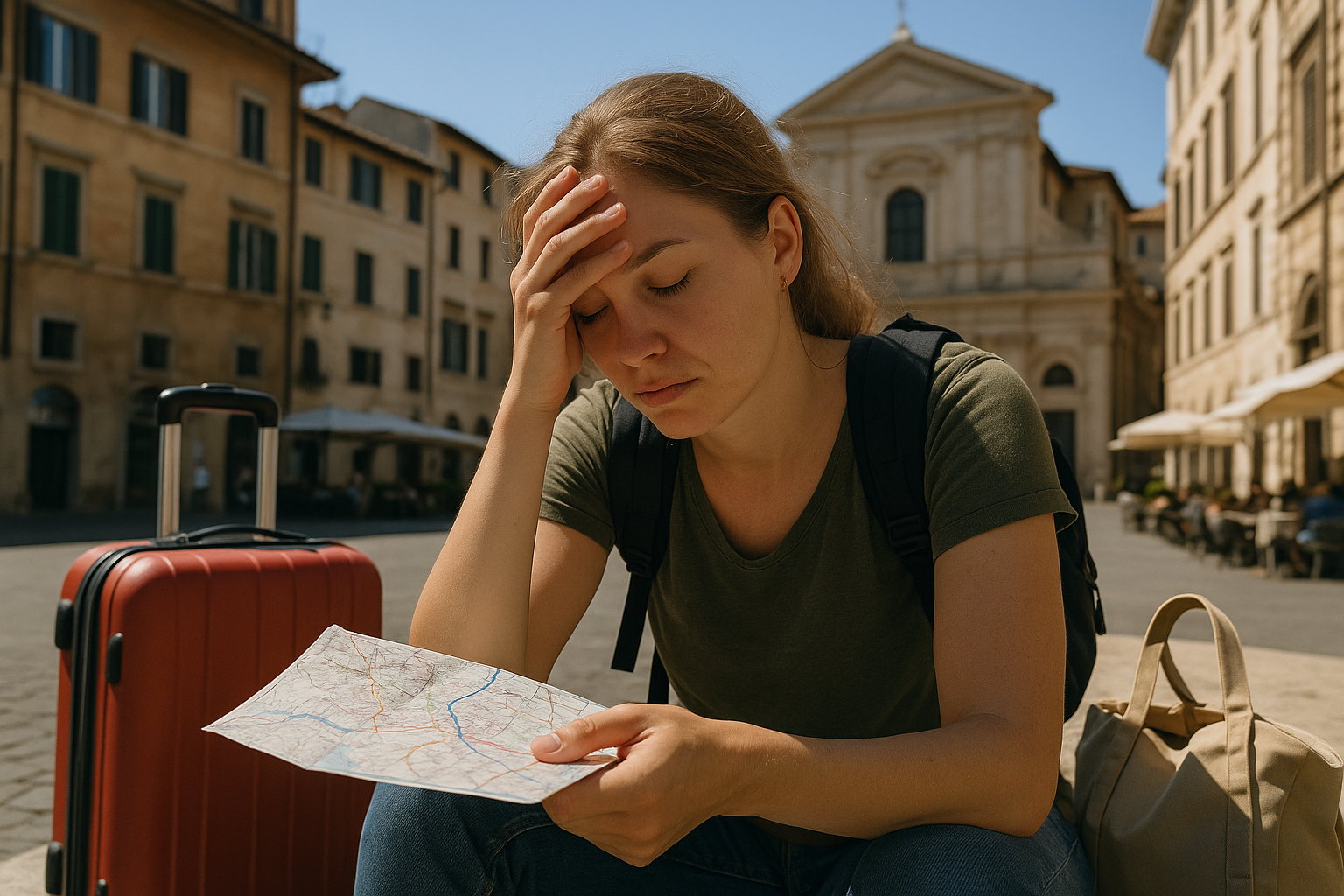
Travel Burnout Is Real — And More Common Than You Think
You’ve been counting down the days for months. You finally arrive somewhere incredible — and instead of feeling alive and curious, you feel exhausted, overwhelmed, and vaguely guilty about not enjoying yourself more. That’s travel burnout. It hits harder than most people expect, and it’s far more common than the highlight reels on your feed would ever suggest.
The good news? It’s completely normal, it’s not a sign that travel isn’t for you, and there are real, practical ways to prevent it — or recover from it if you’re already there. Let’s get into it.
The truth is, modern travel culture has a problem. We’ve been taught that more is always better. More countries, more sights, more content, more stories. But somewhere between the third museum of the day and the fifth city in seven days, the adventure starts to feel like a to-do list you can’t get ahead of.
What Is Travel Burnout?
Travel burnout is a state of physical, mental, and emotional exhaustion caused by the relentless pace of traveling — or by the pressure to make every single moment count. It’s not just tiredness after a long flight. It’s that hollow feeling where even the most beautiful places stop moving you, where everything feels like an obligation, and where you’d genuinely rather be home on your sofa than standing in front of a world-famous landmark.
It can happen on a two-week trip. It can happen after months of long-term travel. It can even creep in before you’ve left home, if the planning process has already drained you. The trigger is almost always the same: doing too much, resting too little, and forgetting to actually be present for the experience you worked so hard to have.
Why Travel Burnout Happens
It usually starts with the itinerary. You want to make the most of your trip, so you pack it full. Every morning, every afternoon, every evening — planned, booked, and optimized. Add social media pressure to that mix, and suddenly you’re not just traveling for yourself. You’re traveling for the feed, for the stories, for the proof that you’re living your best life.
The result? Decision fatigue, physical exhaustion, and a creeping sense that you’re watching your own trip from a distance rather than actually living it. According to the World Health Organization’s research on burnout and mental health, the symptoms of burnout — fatigue, irritability, reduced motivation, disrupted sleep — apply just as much to travel as they do to work. Your brain doesn’t automatically switch off just because you’re somewhere beautiful.
FOMO plays a huge role too. When you scroll through travel content and see someone doing seventeen things in a single day in Lisbon, it’s easy to feel like you’re falling behind. But here’s the thing: that highlight reel is never the full story. Nobody posts the afternoon they spent sitting quietly in a café because they were too tired to move.
Signs You Might Be Experiencing Travel Burnout
Travel burnout doesn’t always announce itself loudly. Sometimes it sneaks up on you gradually — a bad mood here, a skipped meal there — until one day the whole trip feels like a chore. Watch out for these signs:
- You wake up dreading the day’s itinerary instead of feeling excited
- Everything feels like an obligation rather than an adventure
- You’re snapping at travel companions or feeling irritable for no clear reason
- You can’t remember the last thing that genuinely made you smile on the trip
- You’re physically exhausted but still pushing through out of guilt
- You’re spending more time documenting experiences than actually having them
- The idea of visiting one more “must-see” fills you with dread rather than excitement
- You feel disconnected — from the place, from the people around you, from yourself
- Simple decisions — where to eat, which route to take — feel overwhelming
- You’re counting down the days until you go home, even if you still have weeks left
If any of those sound familiar, it’s time to slow down — not give up, just breathe.
How to Recover From Travel Burnout
If you’re already in the thick of it, the first step is to stop pushing through and actually acknowledge what’s happening. Recognizing travel burnout for what it is — not weakness, not ingratitude, just genuine exhaustion — is where recovery starts. Here’s how to begin feeling like yourself again.
Give Yourself a Full Unplanned Day
Cancel the plans. Seriously. Sleep in, find a café you like, sit with a book or just watch the street outside. Don’t document it. Don’t optimize it. Just exist somewhere new without any agenda. It sounds simple, but a single genuinely unstructured day can reset your entire relationship with a trip.
Reconnect With Why You Started Traveling
Think back to what made you want to travel in the first place. Was it the food? The people? The feeling of being somewhere completely unfamiliar? When burnout hits, it’s easy to lose sight of that original spark. Find one small thing that reconnects you to it — a local market, a long walk with no destination, a conversation with someone you’d never meet at home.
👉 Read also: Overtourism and You: How to Explore Popular Destinations Responsibly
Cut Your Daily Plans in Half
Whatever you had planned for tomorrow, do half of it. Not because you’re giving up, but because you’re giving yourself room to actually enjoy what you do. Two things done slowly and with full attention will always beat six things rushed and half-remembered.
Move Slower, Stay Longer
If you’re mid-trip and have flexibility, consider staying in your current location for an extra day or two instead of moving on. Familiarity is underrated. When you stop treating every place as a box to tick, you start noticing the things that make it worth being there — the rhythm of the neighborhood, the faces you start to recognize, the spots that feel like yours.
Do Something Ordinary
One of the most underrated cures for travel burnout is doing something completely mundane. Go to a supermarket. Sit in a park and read. Find a local gym or swimming pool. Cook a simple meal if your accommodation allows it. Ordinary moments in unfamiliar places have a quiet magic to them — and they give your brain a break from the constant stimulation of sightseeing.
How to Prevent Travel Burnout Before It Starts
The best way to deal with travel burnout is to avoid hitting that wall in the first place. These habits won’t make your trip less exciting — they’ll make it more sustainable, more memorable, and genuinely more enjoyable.
Do Less, Experience More
One of the most liberating shifts you can make is choosing depth over breadth. Instead of hitting six cities in two weeks, spend real time in two or three. Wander without a plan. Eat lunch where the locals eat. Find a neighborhood you love and return to it. The memories that stay with you longest are rarely the ones where you rushed through a famous landmark — they’re the unexpected moments that happened when you had time to let them.
Build Rest Days Into Your Plans
Rest days aren’t wasted days. They’re the days when you actually process what you’ve seen and felt. They’re also when the best spontaneous moments tend to happen — a conversation with a stranger, a market you stumbled into, a sunset you watched without rushing to the next thing. Mindfulness research consistently shows that giving your mind space to rest improves both mood and memory consolidation, meaning you’ll actually remember your trip better if you slow down.
A simple rule: for every three or four days of active exploring, give yourself one day with nothing mandatory on the agenda.
Set a Realistic Daily Limit
Two or three meaningful activities per day is usually enough. A morning visit to somewhere you’ve genuinely been looking forward to, a long lunch, an afternoon wandering wherever feels right. That’s a full, rich day. You don’t need to sprint from sight to sight to justify being somewhere.
Give Yourself Permission to Skip Things
Not every “must-see” needs to be seen by you. Travel is personal. If the famous cathedral doesn’t excite you but the local market does, go to the market. If everyone says you have to hike a particular trail but your body is asking for a slow morning and good coffee, listen to your body. Travel burnout often comes from ignoring your own instincts in favor of someone else’s checklist.
Redefine What a Good Day Looks Like
A good travel day doesn’t have to be packed. It doesn’t have to produce content. It doesn’t have to be documented to count. Some of the most meaningful travel moments are quiet ones — sitting in a square watching the world go by, sharing a meal with someone you just met, getting genuinely lost and finding something unexpected. Those moments don’t always make it onto social media, but they’re often the ones you carry home with you.
Manage the Social Media Pressure
This one’s worth saying directly: you don’t owe anyone a perfect travel feed. The pressure to constantly capture, post, and perform your trip is one of the biggest drivers of travel burnout among young travelers. Try setting a simple rule — one photo per place, or a designated window of time for posting — and then put your phone away. The experience in front of you is always more valuable than the content you could make from it.
Plan Your Trip With Recovery in Mind
Before you even leave home, build breathing room into your schedule. Leave at least one or two days at the end of your trip with nothing booked — a buffer that lets you revisit a place you loved, catch up on sleep, or simply arrive home without feeling like you need another holiday to recover from your holiday. That buffer isn’t laziness. It’s smart travel planning.
Travel Burnout and Long-Term Travel
If you’re traveling for months at a time — a gap year, a working holiday, or an extended backpacking trip — travel burnout can hit differently. It’s less of a sudden crash and more of a slow fade. The novelty wears off. Every hostel starts to look the same. You stop feeling excited about new places because you’ve seen so many already.
👉 Read also: Overcoming Travel Anxiety: How to Push Past Your Comfort Zone (Gently)
The fix here is usually to stop moving entirely for a while. Pick a place you genuinely like and stay for two or three weeks. Establish a routine. Find a café where they know your order. Take a class, join a local sports team, volunteer for a few days. Giving yourself roots — even temporary ones — can completely restore your energy and curiosity for the road ahead.
Long-term travelers also benefit from scheduling “home weeks” into their journey: periods where they intentionally live slowly, cook their own food, and treat their current location less like a destination and more like a temporary home. It sounds counterintuitive, but it’s one of the most effective ways to keep travel feeling fresh over many months.
Sustainable Travel Starts With You
Slower travel isn’t just a trend — it’s a genuinely better way to experience the world. Longer stays in fewer places let you build a real sense of a destination. You start to recognize faces, learn a few words in the local language, find your favorite coffee spot. You stop feeling like a tourist passing through and start feeling like someone who actually knows a place, even briefly.
Prioritize sleep. Eat proper meals. Drink water. These sound obvious, but it’s easy to deprioritize the basics when you’re trying to squeeze everything in. Your body is what carries you through the adventure — it deserves some attention too.
Travel Should Feel Like Freedom, Not a Performance
At its best, travel is one of the most expansive things you can do with your time. It opens you up to different ways of living, thinking, and seeing. But that only works if you’re actually present for it. Travel burnout is a signal worth listening to — it’s your mind and body asking you to reconnect with why you started exploring in the first place.
Slow down, trust your instincts, and remember that the goal was never to see everything. It was to feel something real. That’s always been enough.
Frequently Asked Questions About Travel Burnout
What exactly is travel burnout?
Travel burnout is physical, mental, and emotional exhaustion that comes from traveling at an unsustainable pace — or from the pressure to make every moment of a trip count. It’s not just tiredness. It’s a deeper sense of disconnection from the experience, where even beautiful places stop feeling exciting and everything starts to feel like an obligation.
How long does travel burnout last?
It depends on how deep in you are. For mild burnout, a couple of unplanned rest days can make a real difference. For more serious exhaustion — especially after months of long-term travel — you might need a week or more of genuinely slow, low-pressure time before you start feeling like yourself again. Be patient with yourself. There’s no fixed timeline.
Can you get travel burnout even on a short trip?
Absolutely. A week of over-packed itineraries can leave you more drained than a month of slow travel. It’s not about how long you’re away — it’s about the pace and the pressure you put on yourself while you’re there.
Is travel burnout the same as homesickness?
They can overlap, but they’re different. Homesickness is a longing for familiar people and places. Travel burnout is exhaustion from the relentless stimulation and demands of being on the move. You can feel both at once, or just one without the other. Either way, both are valid — and both are worth addressing.
What’s the best way to avoid travel burnout on a long trip?
Build in rest from the start. Plan fewer activities than you think you need. Stay in each place long enough to feel settled. Spend time doing ordinary things — cooking a meal, going to a local gym, reading in a park — rather than sightseeing every single day. The more your travel rhythm resembles a life rather than a sprint, the more sustainable it becomes.
Should I cut my trip short if I’m experiencing travel burnout?
Not necessarily. Before making that call, try slowing down significantly for a few days. Often, burnout isn’t a sign that you need to go home — it’s a sign that you need to stop rushing. Give yourself permission to do less, and see how you feel. If the exhaustion persists even after genuine rest, then it might be worth reconsidering your plans. Your wellbeing always comes first.
Can travel burnout happen before a trip even starts?
Yes — and it’s more common than people realize. Exhausting research, endless booking decisions, and the pressure to plan the “perfect” itinerary can drain you before you’ve even packed your bag. If pre-trip planning is stressing you out, simplify. Book the essentials, leave the rest flexible, and remind yourself that the best travel moments are rarely the ones you planned most carefully.
This article was produced with AI assistance and reviewed editorially.


Sri Lanka by Backpack: The Route, Costs, and Unmissable Stops

Uzbekistan’s Silk Road Cities: Samarkand & Bukhara in 2026


