
Food
Street Food Adventures: How to Eat Like a Local (And Not Get Sick)
Wondering about street food safety while traveling? Discover practical tips on spotting safe stalls, avoiding common risks, and eating like a local with confidence — wherever your journey takes you.

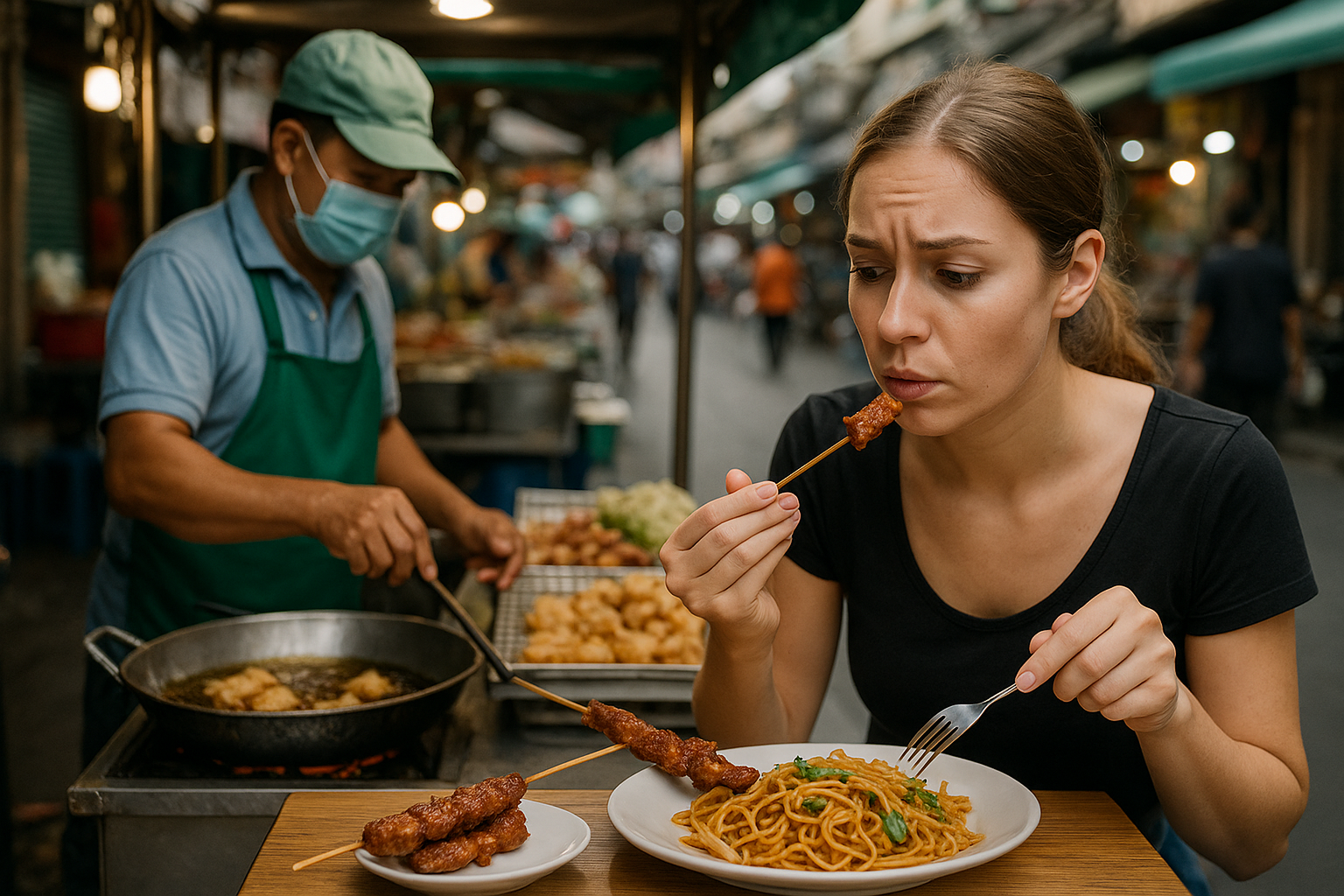
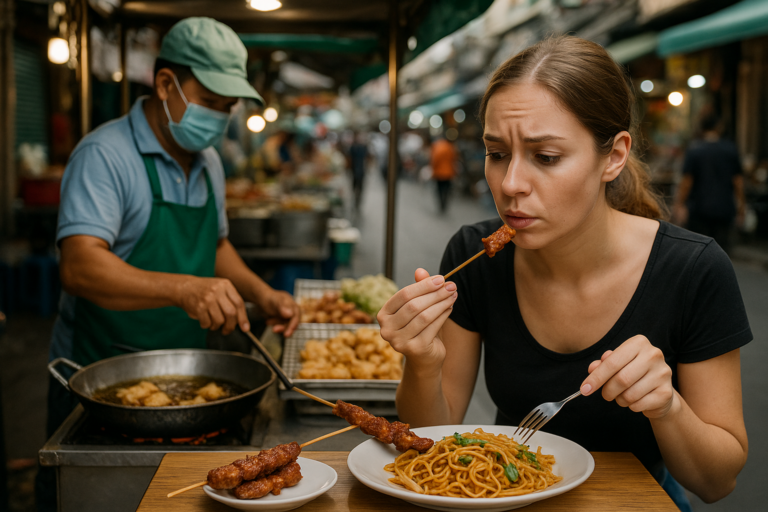
Street Food Adventures: How to Eat Like a Local (And Not Get Sick)
Street food safety is something every adventurous traveler thinks about — usually right before taking a bite of something that smells absolutely incredible from a cart tucked down a side street in a city they’ve never visited before. That moment of hesitation is completely normal. But here’s the thing: with a little knowledge and a curious mindset, street food becomes one of the most rewarding parts of any journey.
This guide covers everything you need to know about street food safety — from spotting a trustworthy stall to handling water, ice, and unfamiliar ingredients — so you can eat confidently, eat well, and eat like a local. Because the best meals of your trip probably won’t happen in a restaurant. They’ll happen standing at a stall, watching someone who’s been perfecting the same recipe for decades work their magic over an open flame.
Street food isn’t just food. It’s a window into a city’s soul.
Why Street Food Is Worth the Adventure
Street food represents the heart of local culinary culture in cities around the world. From the pad thai vendors of Bangkok’s night markets to the taco stands of Mexico City’s neighborhoods, these dishes carry generations of knowledge, tradition, and community identity. You won’t find that kind of authenticity on a laminated menu.
Beyond the taste, eating street food connects you to the people who actually live in a place. You’re sharing the same meal as the office worker on their lunch break, the grandmother picking up dinner, and the teenager who’s been coming to this stall since childhood. That’s not a tourist experience — that’s a real one.
Street food is also remarkably affordable, which means you can explore more, try more, and eat more without blowing your budget on a single sit-down meal. More variety, more stories, more memories.
Is Street Food Actually Safe? The Honest Answer
Yes — and the data backs it up. The vast majority of street food eaten by millions of travelers every year causes no illness whatsoever. The risk isn’t zero, but it’s far lower than most first-timers expect, especially when you know what to look for. Street food safety isn’t about avoiding the experience — it’s about approaching it with the right awareness.
The most common risks come down to a handful of factors: food handling, cooking temperatures, water quality, and cross-contamination. Once you understand those, you’ll feel confident navigating any market, night bazaar, or roadside stall anywhere in the world. No medical degree required — just observation and a bit of common sense.
Understanding Street Food Safety: What You Actually Need to Know
Follow the Locals
The most reliable indicator of a trustworthy stall is the crowd around it. If locals — especially regulars — are lining up, that’s a strong signal. High turnover means food is being cooked fresh constantly, which is exactly what you want. An empty stall in a busy market is worth a second thought. A stall with a queue of neighborhood regulars? That’s where you want to be.
Watch the Vendor
Take thirty seconds to observe before you order. Is the vendor handling raw and cooked food separately? Are surfaces reasonably clean? Are they using tongs or gloves when appropriate? You don’t need a sterile kitchen — you need basic hygiene practices. Most experienced vendors who’ve built a loyal local following take food handling seriously, because their reputation literally depends on it.
Cooked vs. Raw: Know the Difference
As a general rule, freshly cooked food served hot carries significantly lower risk than raw or pre-prepared dishes that have been sitting out. Grilled meats, fried snacks, soups, and stir-fries are usually safer choices, especially when you’re still building your stomach’s resilience in a new environment. Raw salads, pre-cut fruits, and dishes left uncovered in warm weather deserve a little more caution — not avoidance, just awareness.
The World Health Organization’s food safety guidelines highlight that proper cooking temperatures are one of the most effective ways to reduce foodborne illness risk — which is great news for anyone who loves watching their meal come straight off the grill.
Water and Ice: A Hidden Street Food Safety Risk
This one matters more than most people realize. In many destinations, tap water isn’t safe to drink, which means ice can be a hidden risk too. Stick to bottled or filtered water, and when in doubt, skip the ice in your drink. It’s a small adjustment that makes a real difference to how you feel for the rest of the trip.
A good rule of thumb: if you wouldn’t drink the tap water, don’t trust the ice either. In popular street food destinations across Southeast Asia, South Asia, and parts of Latin America, this single habit can save you a lot of discomfort.
Cross-Contamination: The Risk Most Travelers Overlook
Cross-contamination — when bacteria from raw ingredients transfer to cooked food — is one of the leading causes of foodborne illness for travelers. Watch whether the vendor uses the same chopping board or utensils for raw meat and ready-to-eat food. A vendor who switches tools or washes their hands between tasks is a good sign. If everything is being handled with the same unwashed knife, it’s worth moving on to the next stall.
How to Spot a High-Risk Stall
Not every stall is equal, and knowing the red flags saves you a miserable day in your hostel. Be cautious if you notice:
👉 Read also: Street Food Across Southeast Asia: What 200+ Stalls Taught Me That Guidebooks Won't Tell You
- Cooked food sitting uncovered in direct sun for long periods.
- Raw meat stored next to ready-to-eat dishes without separation.
- No visible water source for the vendor to wash hands or utensils.
- A stall that’s completely empty while surrounding ones are busy.
- Food that smells off or looks like it’s been reheated multiple times.
None of this means you need to be paranoid. It just means staying observant — the same skill that makes you a great traveler in general.
Street Food Safety Tips That Actually Make a Difference
Knowing the theory is one thing. Putting it into practice at a busy night market, surrounded by unfamiliar smells and a language you don’t speak, is another. These are the street food safety habits that experienced travelers actually rely on — simple, practical, and easy to remember in the moment.
Eat at Peak Hours
Timing matters more than most people think. Visit markets and stalls during peak meal times — lunch rushes and early evening — when food is being cooked constantly and nothing has been sitting around for hours. Arriving at an off-peak time means you might be eating food that was prepared earlier and reheated. Fresh is always safer, and peak hours guarantee freshness.
Start Small and Build Up
If you’re new to eating street food abroad, don’t go all-in on day one. Your digestive system needs a little time to adjust to new spices, oils, and cooking styles — even perfectly safe food can upset your stomach if it’s completely unfamiliar. Start with one or two dishes, see how you feel, and expand from there. By the end of the trip, you’ll be ordering with confidence.
Wash Your Hands (or Use Sanitizer)
Street food is often eaten on the go, which means soap and water aren’t always nearby. Carrying a small hand sanitizer is one of the easiest street food safety habits you can build. Use it before you eat, especially after navigating crowded markets. It takes five seconds and can save you days of discomfort.
Trust Your Senses
Your instincts are a surprisingly good guide. If something smells off, looks like it’s been sitting out too long, or just doesn’t feel right — move on. There’s always another stall. Street food markets are full of options, and the best ones are usually obvious: busy, fragrant, and run by someone who clearly takes pride in what they’re making.
Check for Food Safety Certifications or Ratings
In a growing number of cities — from Singapore to Bangkok to Mexico City — local health authorities now run street food vendor certification schemes. Look out for hygiene rating stickers or certificates displayed at the stall. They’re not universal, but where they exist, they’re a genuinely useful signal. Singapore’s National Environment Agency, for example, grades hawker stalls on cleanliness and food handling standards. A quick search before you travel can tell you whether your destination has a similar system in place.
Prepare Your Gut Before You Go
One of the most underrated street food safety tips is starting a daily probiotic a couple of weeks before your trip. It won’t make you invincible, but it can help your digestive system handle unfamiliar foods, spices, and bacteria more comfortably. Think of it as training for your stomach — the same way you’d prep physically for a big hike.
Know What to Do If Your Stomach Protests
Even careful travelers occasionally deal with an unhappy stomach. If it happens, don’t panic. Stay hydrated with bottled water and oral rehydration salts, rest, and ease back into eating with plain, simple foods. Most mild cases of traveler’s diarrhea resolve within 24 to 48 hours. If symptoms are severe, persistent, or include a high fever, get medical attention promptly. The CDC’s traveler’s health resources have clear, practical guidance worth bookmarking before you fly.
Street Food Safety by Region: What to Know Before You Go
Street food safety tips aren’t one-size-fits-all. Different regions come with different considerations, and a little destination-specific knowledge goes a long way.
Southeast Asia
Southeast Asia is arguably the world’s street food capital. Thailand, Vietnam, Indonesia, and Malaysia all have thriving street food cultures with incredibly high standards among popular vendors. Stick to stalls with high turnover, avoid raw shellfish in areas with questionable water quality, and be cautious with fresh salads dressed with tap water. Noodle soups, grilled skewers, and freshly fried dishes are generally excellent choices.
Latin America
Mexico, Colombia, Peru, and beyond offer some of the most vibrant street food scenes on the planet. Tacos, arepas, anticuchos, and empanadas are usually cooked to order and safe to enjoy. The main watch-out here is fresh salsas and garnishes that may have been prepared with unfiltered water. Ask for salsas on the side if you’re unsure, and peel your own fruit when possible.
South Asia
India, Sri Lanka, and Nepal have extraordinary street food traditions. Freshly fried snacks like samosas and pakoras are generally safe. Be more cautious with chutneys, cut fruit, and anything washed in tap water. Vegetarian dishes are often a lower-risk option since they avoid the complications of meat storage in hot climates.
Middle East and North Africa
Street food across Morocco, Egypt, Turkey, and Lebanon tends to be hearty, freshly prepared, and delicious. Falafel, shawarma, and flatbreads cooked to order are solid choices. As with other regions, watch out for raw salads and fresh juices made with tap water.
East Africa
Cities like Nairobi, Dar es Salaam, and Addis Ababa have growing and exciting street food scenes worth exploring. Freshly grilled meats, roasted maize, and fried snacks are popular and generally safe. Stick to cooked dishes, avoid pre-cut fruit from uncovered stalls, and always opt for sealed bottled water. The food culture here is deeply communal — eating on the street often means becoming part of a neighborhood’s daily rhythm.
Europe
Street food safety risks in Western and Northern Europe are generally low, thanks to strong food hygiene regulations. But that doesn’t mean you can switch off completely. Markets in Southern and Eastern Europe vary more widely in standards. The same rules apply everywhere: look for busy stalls, freshly cooked food, and vendors who handle ingredients with care. Europe’s street food scene — from Berlin’s currywurst to Istanbul’s simit sellers — is absolutely worth diving into.
How to Handle Dietary Restrictions and Allergies at Street Food Stalls
Navigating street food safety gets a layer more complex when you have dietary restrictions or food allergies — but it’s absolutely manageable. A little preparation before you arrive at the market makes a huge difference.
👉 Read also: I Ate at 200+ Street Stalls Across Southeast Asia: What Guidebooks Miss
Write down your dietary needs in the local language before you travel. Apps like Google Translate let you save phrases offline, and several allergy translation card services let you print wallet-sized cards listing your restrictions in dozens of languages. Handing one of these to a vendor is far more reliable than trying to mime “no peanuts” across a busy stall.
Be aware that cross-contamination is especially common in street food environments where multiple dishes are prepared in a small space. If your allergy is severe, ask about shared cooking surfaces and oils. Vendors who take pride in their craft will usually take your question seriously — and if they can’t accommodate you safely, they’ll often point you toward someone who can.
Vegetarian and vegan travelers should also know that “vegetarian” doesn’t always translate the same way across cultures. Fish sauce, shrimp paste, and meat-based broths are common invisible ingredients in dishes that appear plant-based. Knowing the local terms for these ingredients — and asking specifically — is worth the effort.
What to Pack for Safer Street Food Eating
A little preparation before you leave makes a big difference once you’re standing in front of a stall trying to decide what to order. These are the items worth throwing in your bag specifically with street food safety in mind.
- Hand sanitizer (60%+ alcohol): The single most useful thing you can carry. Use it before every meal.
- Oral rehydration salts (ORS): If your stomach does protest, ORS helps you recover faster and stay hydrated. Lightweight and cheap to pack.
- A mild probiotic: Starting a daily probiotic a couple of weeks before your trip can help your gut handle unfamiliar foods more comfortably.
- A reusable water bottle with a filter: Brands like LifeStraw and GRAYL make bottles that filter out bacteria and protozoa — useful in destinations where bottled water isn’t always easy to find.
- A basic digestive remedy: Something like bismuth subsalicylate (the active ingredient in Pepto-Bismol) can ease mild symptoms quickly. Check with your doctor before travel if you’re unsure what’s right for you.
- An offline translation app: Google Translate’s camera function can decode handwritten menus and ingredient lists on the spot — essential if you have allergies or dietary restrictions.
- Allergy translation cards: If you have a serious food allergy, printed cards in the local language are more reliable than trying to communicate in a noisy, busy market.
- Small local currency bills: Most vendors don’t carry much change. Having small bills ready makes the whole experience smoother.
Building Your Confidence at the Stall
If you’re new to street food exploration, start gradually. Don’t try seven unfamiliar dishes on your first afternoon — give your digestive system time to adjust to new ingredients, spices, and cooking styles. Start with one or two dishes that look familiar or have been recommended, then expand from there as your confidence grows.
Language barriers are real, but they’re rarely a dealbreaker. Pointing, smiling, and watching what other people order goes a long way. Many vendors in tourist-frequented areas have learned key phrases or keep a visual menu. And honestly, sometimes ordering something unexpected by accident leads to the best discovery of the trip.
Carrying basic digestive aids — like oral rehydration salts or a mild probiotic — is a smart move, not a pessimistic one. Being prepared without being fearful is exactly the right mindset to carry with you.
The Social Side of Eating on the Street
One thing nobody tells you before your first real street food experience: it’s surprisingly social. You end up standing next to strangers, sharing a table that’s really just a plastic stool, laughing at the chaos of a busy market, and somehow leaving with more than just a full stomach.
Street vendors are community figures. Many have been in the same spot for decades, feeding the same families across generations. When you eat at their stall, you’re participating in something that goes far beyond a transaction. You’re acknowledging their craft, their history, and their place in the neighborhood’s story.
Quick Street Food Safety Checklist Before You Eat
When you’re standing in front of a stall and your stomach is already making decisions your brain hasn’t caught up with yet, run through this fast mental checklist. It takes about ten seconds and covers the essentials.
- Is the stall busy with locals?
- Is the food being cooked fresh, right now?
- Is the vendor handling raw and cooked food separately?
- Does the food smell right — appetizing, not off?
- Is there a visible water source for handwashing?
- Is the food covered or protected from insects and direct sun?
- Have you sanitized your hands in the last few minutes?
- Are you eating at a peak mealtime when food is freshest?
If most of those boxes are ticked, go for it. That’s what travel is about.
Frequently Asked Questions About Street Food Safety
Is street food safe to eat abroad?
Yes, for the vast majority of travelers. Millions of people eat street food every day without any issues. The key is knowing what to look for — busy stalls, freshly cooked food, good vendor hygiene, and safe water sources. Street food safety is less about avoiding the experience and more about approaching it with a little awareness.
How do I know if a street food stall is safe?
Look for a crowd of locals, food being cooked to order over high heat, a vendor who handles raw and cooked ingredients separately, and a visible water source for washing hands or utensils. Hygiene certification stickers — where they exist — are also a good sign. Trust your senses: if it smells great and looks freshly made, that’s usually a reliable indicator.
Is street food safe to eat if I have a sensitive stomach?
It can be, with a few adjustments. Start with small portions of simply cooked dishes — grilled or fried items are usually gentler than heavily spiced stews. Build up gradually over the trip rather than diving into everything on day one. Taking a probiotic for a couple of weeks before you travel can also help your gut adapt more comfortably to new foods and environments.
What’s the biggest street food safety risk for travelers?
Water is the most commonly overlooked risk. In many destinations, tap water isn’t safe to drink — which means ice, fresh juices, and raw produce washed in tap water can all be potential sources of illness. Sticking to bottled or filtered water and skipping ice in drinks is one of the simplest and most effective habits you can build.
What should I do if I get sick from street food?
Stay hydrated with bottled water and oral rehydration salts, rest, and ease back into eating with plain foods. Most mild cases of traveler’s diarrhea clear up within 24 to 48 hours. If you have a high fever, blood in your stool, or symptoms that don’t improve after two days, seek medical attention. The CDC’s traveler’s health page has detailed guidance worth reading before your trip.
Can I eat street food if I have a food allergy?
Yes, but preparation is essential. Carry allergy translation cards in the local language, and be specific when asking about ingredients — cross-contamination is common in busy street food environments. If your allergy is severe, research your destination in advance to understand which local ingredients are most likely to appear in dishes you’d want to try.
This article was produced with AI assistance and reviewed editorially.


Hiking Kamikochi: Your Guide to Japan’s Most Stunning Alpine Adventure

First Time in Japan: What Actually Happens When You Get There


