
Roaming Around the World
The Rise of Slow Travel: Why Spending a Month in One Place Changes Everything
Slow travel means staying longer, going deeper, and actually experiencing a place. Discover what slow travel is, why it works, and how to start — even on a short trip.

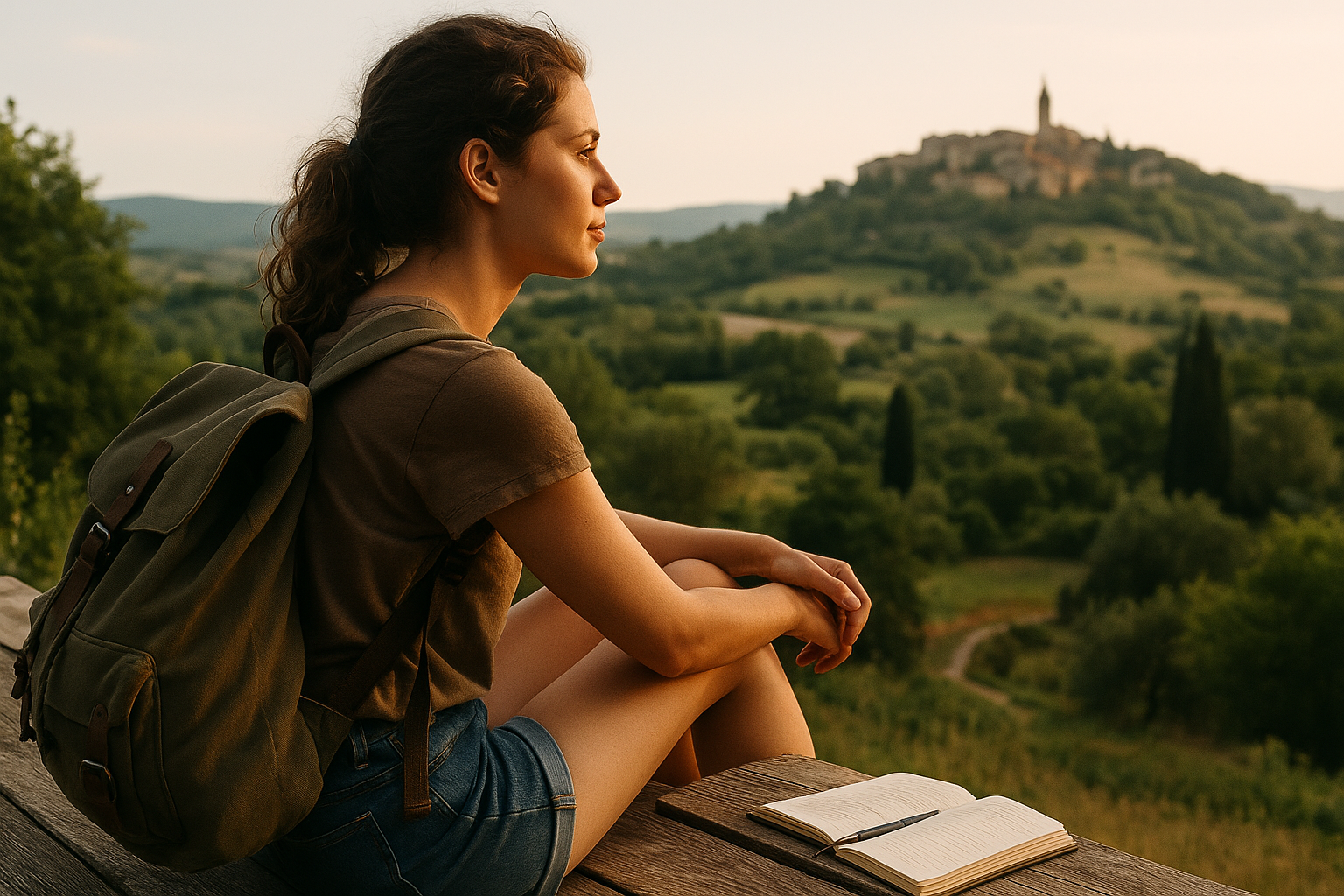
Why Slow Travel Is the Most Rewarding Way to See the World
Slow travel isn’t just a trend — it’s a completely different way of experiencing the world. Instead of cramming ten cities into two weeks, you pick one place, stay a while, and actually get to know it. You stop collecting passport stamps and start collecting something far more valuable: real stories, genuine connections, and the kind of memories that don’t fade after a few months.
More and more young travelers are making this shift, and once you try it, the old approach starts to feel exhausting just thinking about it. This isn’t about being lazy or settling for less. It’s about going deeper — finding the restaurants where nobody speaks English, the neighborhoods that don’t make it onto any top-ten list, and the quiet rhythm of a city’s mornings. If you’ve ever left a trip feeling like you barely scratched the surface, slow travel is the answer you’ve been looking for.
What Is Slow Travel, Exactly?
At its core, slow travel means spending more time in fewer places. Instead of bouncing between five countries in two weeks, you pick one city, one region, or even one neighborhood — and you actually live there for a while. A week minimum. A month if you can swing it.
It’s a mindset as much as a method. You stop optimizing for quantity and start prioritizing quality. You trade the highlight reel for the full story. Slow travel is about letting a place reveal itself to you gradually, the way it would to anyone who actually lives there.
It doesn’t require a gap year or a remote job. Even a three-week trip built around one destination instead of five countries is a completely different — and often far more memorable — experience.
Slow Travel vs. Fast Travel: A Quick Comparison
Fast travel gives you breadth — a taste of many places, a sense of variety, a longer list of destinations visited. Slow travel gives you depth — a real understanding of one place, genuine relationships, and the kind of stories that don’t fit neatly into a caption.
Most experienced travelers find themselves gravitating toward slower trips over time. Not because fast travel is wrong, but because they’ve realized that the memories that last aren’t usually the famous landmarks — they’re the unexpected Tuesday afternoon when something completely unplanned happened, and you were around long enough to let it.
| Fast Travel | Slow Travel |
|---|---|
| Many destinations, short stays | Fewer destinations, longer stays |
| Optimized for variety | Optimized for depth |
| Higher daily costs | Lower daily costs over time |
| Tourist-facing experiences | Authentic, local experiences |
| Higher carbon footprint | Lighter environmental impact |
The Problem with Trying to See Everything
There’s a certain kind of travel exhaustion that hits you when you’ve been moving every two or three days. You’re constantly repacking, recalculating, re-navigating. You arrive somewhere new, spend a day getting your bearings, and then it’s already time to move on. You end up collecting passport stamps instead of memories.
Instagram didn’t invent this problem, but it definitely made it worse. The pressure to hit every iconic viewpoint, every famous square, every rooftop bar — it turns travel into performance rather than experience. You start optimizing for photos instead of moments.
Slow travel pushes back against all of that. It asks a simple question: what if you actually stayed?
What Happens When You Stay for a Month
Something shifts around day five or six. The city stops feeling like a set and starts feeling like somewhere you actually live. You find your coffee spot. You figure out which market has the best produce. You start recognizing faces.
That familiarity isn’t boring — it’s the whole point. It’s what turns a destination into an experience. You stop being a tourist passing through and start becoming part of the everyday fabric of a place, even if just for a little while.
You also get the time to make real connections. Not the rushed “where are you from, where are you going” hostel conversations, but actual friendships. With locals, with other long-term visitors, with the owner of the restaurant you keep going back to. These are the connections that stick with you long after you’ve gone home.
The Language Factor
Even a month is enough to pick up the basics of a language in a meaningful way. Not fluency — but enough to order food, ask for directions, share a joke. And that small effort changes everything about how locals respond to you. You’re no longer just another tourist. You’re someone who tried, and that matters.
The Slow Travel Mindset: How to Actually Think Like a Slow Traveler
Slow travel starts before you even pack your bag. It begins with a decision to resist the urge to plan every hour and instead leave room for the unexpected. It means choosing curiosity over efficiency. When you arrive somewhere with a slow travel mindset, you’re not asking “what should I see today?” — you’re asking “what does this place feel like, and where does it want to take me?”
That shift in thinking is small but powerful. It turns a trip into a genuine experience rather than a checklist.
Slow Travel Is Also Easier on Your Budget
Here’s the practical side that doesn’t get talked about enough: staying longer almost always costs less per day. Monthly accommodation rates are significantly cheaper than nightly ones. You cook some of your own meals. You stop paying for expensive tourist transport every other day. You shop where the locals shop.
👉 Read also: The Art of Slow Travel: Why Rushing Through a Country Misses the Point
According to Lonely Planet’s guide to slow travel, extended stays allow travelers to cut daily costs considerably while actually improving the quality of their experience. Less spending, more living — that’s a combination worth thinking about.
You also save on the hidden costs of constant movement: train tickets, airport transfers, last-minute bookings, and the inevitable “I’m exhausted and just need a good meal” restaurant splurges that happen when you’re always on the go.
Budget Tips for Slow Travelers
- Book accommodation by the week or month. Look for apartments on local platforms rather than hotels — you’ll save money and feel more at home.
- Shop at local markets. Cooking even a few meals a week makes a real difference to your overall spend.
- Use slow transport. Trains and buses over flights where possible — cheaper, more scenic, and far less stressful.
- Avoid tourist-area pricing. Walk ten minutes from the main square and watch the prices drop immediately.
The Mental Health Argument
Constant movement is stimulating, but it’s also genuinely tiring. Decision fatigue is real. When you’re always figuring out where to sleep, what to eat, how to get somewhere, and what to see next, your brain never really gets a rest.
Slow travel gives you space to breathe. You establish routines. You have mornings that feel calm instead of rushed. You can actually sit with a place and let it affect you, rather than just passing through it.
Research from travel psychology consistently points to the idea that deeper immersion — rather than breadth of destinations — leads to more meaningful personal growth and stronger, longer-lasting memories. National Geographic has explored this shift, noting that travelers who spend extended time in fewer places report higher satisfaction and a stronger sense of connection to the cultures they visit.
Slow Travel and Sustainability: A Natural Fit
One of the less obvious benefits of slow travel is how much kinder it is to the planet — and to the communities you visit. Fewer flights, less carbon output, and more money spent in local businesses rather than international hotel chains all add up to a lighter footprint.
When you stay somewhere long enough to shop at the neighborhood market, eat at family-run restaurants, and use local transport, your travel budget actually circulates within the community. You’re not just passing through — you’re contributing. That’s a form of travel that feels good in more ways than one.
Overtourism is a real and growing problem in many popular destinations. Slow travel naturally steers you away from the most crowded spots and toward the quieter, more authentic corners of a place — which is better for everyone, including you.
How to Start Slow Traveling (Even on a Short Trip)
You don’t need to quit your job or become a digital nomad to try this approach. Even a three-week trip focused on one city or region instead of five countries is a completely different experience. Here’s how to get started.
- Choose a base, not an itinerary. Pick one city or town and let it surprise you over time instead of planning every day in advance.
- Explore on foot. Walk without a destination sometimes. The best discoveries usually happen when you’re not looking for anything specific.
- Eat where the locals eat. Stay away from tourist menus and follow the lunch crowds instead.
- Let yourself be bored occasionally. Boredom in a new place has a way of turning into curiosity, and curiosity leads to the best stories.
- Learn a few words of the local language. Even a handful of phrases opens doors that a phrasebook never could.
- Say yes to the unplanned. Leave gaps in your schedule. The best slow travel moments are the ones you didn’t see coming.
The Best Destinations for Slow Travel Right Now
Some places lend themselves naturally to the slow travel mindset — cities with distinct neighborhoods to explore, towns with a strong local culture, regions where life moves at a pace that invites you to slow down too.
Think about places where you can rent an apartment for a month and genuinely feel like a temporary local. Lisbon, Medellín, Chiang Mai, Tbilisi, Porto, Oaxaca — these are cities that reward patience. They have layers. The longer you stay, the more they reveal.
But honestly, almost any destination works if your approach is right. A small coastal town in Greece, a mountain village in Vietnam, a mid-sized city in Eastern Europe that most people fly over on their way somewhere else — slow travel is less about where you go and more about how you show up.
Emerging Slow Travel Destinations Worth Exploring in 2026
Beyond the well-known slow travel hubs, a new wave of cities is quietly becoming favorites among travelers who want depth over distance. Places like Plovdiv in Bulgaria, Kotor in Montenegro, Huaraz in Peru, and Kampot in Cambodia offer vibrant local culture, affordable long-stay accommodation, and the kind of unhurried pace that makes slow travel feel effortless. They’re not overrun yet — which means right now is exactly the right time to explore them.
How to Choose Your Slow Travel Base
Picking the right base matters more than most people realize. Look for a place with a walkable center, a mix of local and expat communities, affordable long-stay accommodation, and enough going on to keep you curious for weeks. Good transport links help too — not so you can leave quickly, but so you can make easy day trips into the surrounding region without feeling stuck.
Ask yourself: could I imagine having a routine here? If the answer is yes, you’ve probably found your base.
Slow Travel for Digital Nomads and Remote Workers
If you work remotely, slow travel isn’t just a holiday style — it can become a way of life. Settling into one place for a month means you’re not constantly hunting for Wi-Fi, adjusting to new time zones, or losing productive hours to travel days. You find a café that becomes your office. You build a rhythm. Work and exploration stop competing and start coexisting.
More cities are actively welcoming long-stay remote workers with dedicated co-working spaces, digital nomad communities, and even specific visa programs designed for extended stays. If that sounds like your kind of freedom, slow travel is the natural starting point.
👉 Read also: Travel on a Shoestring: How to Explore More by Spending Less
Slow Travel for First-Time Solo Travelers
If you’re heading out on your own for the first time, slow travel is genuinely one of the best approaches you can take. Staying in one place removes a huge amount of logistical pressure — you’re not constantly figuring out new transport systems, new neighborhoods, new currencies. You settle in, find your feet, and build confidence from there.
Solo slow travelers also tend to meet people more naturally. When you’re in the same café, the same co-working space, or the same neighborhood market three days in a row, conversations happen on their own. You don’t have to force it. Community finds you when you stop rushing past it.
Slow Travel with Friends: Making It Work for a Group
Slow travel doesn’t have to be a solo pursuit. Traveling with friends and committing to one place together is one of the best ways to actually bond on a trip. When you’re not constantly coordinating logistics across multiple cities, you have more energy for the things that matter — exploring together, cooking a meal in a shared apartment, getting genuinely lost in a neighborhood you stumbled into by accident.
The key is agreeing upfront to resist the urge to pack in too much. Set a loose shared intention: one base, a handful of day trips, and plenty of unscheduled time. Groups that travel slowly together tend to come home closer than groups that sprint through five countries in ten days.
Common Slow Travel Mistakes (and How to Avoid Them)
Even with the best intentions, it’s easy to slip into old habits. Here are the most common slow travel pitfalls — and how to sidestep them.
- Over-planning your slow trip. Ironic, but it happens. Resist the urge to fill every day with activities. Leave space for the unexpected — that’s where slow travel actually lives.
- Staying in tourist-heavy areas. If your apartment is surrounded by souvenir shops and English-language menus, move a few streets over. Authentic local life is usually just around the corner.
- Treating your base like a hotel. Slow travel works best when you engage with your surroundings. Introduce yourself to neighbors. Ask your landlord for local recommendations. Step outside your comfort zone a little.
- Comparing your pace to other travelers. Someone else’s highlight reel of five countries in two weeks is not a benchmark. Your one city, explored properly, is worth more than their entire itinerary.
- Forgetting to venture beyond the city. Your base is a starting point, not a boundary. Day trips into the surrounding region are one of the quiet joys of slow travel — and they’re usually far cheaper and less crowded than the main attractions.
Slow Travel on a Gap Year: Making the Most of Extended Time
A gap year and slow travel are a natural match — but it’s easy to fall into the trap of treating twelve months like a race to visit as many countries as possible. The travelers who come back from a gap year with the most to say aren’t usually the ones who hit thirty countries. They’re the ones who spent three months in Southeast Asia, really learned a city, picked up a language, and built friendships that are still going strong years later.
If you have extended time to travel, consider structuring it around two or three longer stays rather than a constant stream of new destinations. You’ll spend less, experience more, and return home with a perspective that a whirlwind tour simply can’t give you.
Why Slow Travel Matters More Than Ever in 2026
The idea of slow travel isn’t new, but the way people practice it keeps evolving. Right now, more young travelers are choosing it deliberately — not because they can’t afford to move fast, but because they’ve figured out that moving fast isn’t actually the point. The rise of remote work, longer visa options across Europe, Latin America, and Southeast Asia, and a growing awareness of overtourism have all made slow travel feel less like a niche choice and more like the obvious one.
What’s changed most is the infrastructure around it. Cities that once catered almost exclusively to short-stay tourists are now building genuine ecosystems for long-term visitors — co-working spaces, monthly apartment rentals, community events, and local networks that make it easy to put down temporary roots. Slow travel in 2026 is more accessible, more supported, and more rewarding than it’s ever been.
Slow Travel Packing: Travel Light, Stay Longer
One thing that surprises first-time slow travelers: you actually need less stuff, not more. When you’re not hopping between climates every few days, packing becomes simpler. You settle on a wardrobe that works for your base, do laundry like a local, and stop hauling a bag that weighs as much as a small person. A carry-on and a daypack is genuinely all you need for a month in most destinations — and traveling light means you can move freely, take spontaneous day trips, and arrive anywhere without the stress of checked luggage.
What to Pack for a Slow Travel Trip
- Versatile, mix-and-match clothing. Neutral tones, layers, and a couple of pieces that work for both exploring and going out.
- A reusable water bottle and tote bag. You’ll use both every single day, and they’ll save you money and plastic.
- A small daypack. Perfect for market runs, day trips, and everything in between.
- A good book or e-reader. Slow travel involves a lot of wonderful sitting-in-cafés time. Come prepared.
- A universal power adapter and a portable charger. The basics, but easy to forget.
How Slow Travel Changes You
Ask anyone who’s done it properly and they’ll tell you the same thing: slow travel doesn’t just change how you see a destination — it changes how you see yourself. When you spend weeks in one place, you learn how to be comfortable with uncertainty. You get better at navigating the unfamiliar. You discover that you’re more adaptable, more curious, and more capable than you gave yourself credit for.
You also come home with a different relationship to time. The constant rush of everyday life feels a little less urgent after you’ve spent a month letting a city reveal itself at its own pace. That shift in perspective is one of the most underrated benefits of slow travel — and it’s one that stays with you long after the trip is over.
Frequently Asked Questions About Slow Travel
How long do you need to stay somewhere to call it slow travel?
There’s no strict rule, but most slow travelers aim for at least one week in a single place — and ideally two to four weeks or more. The longer you stay, the more a destination opens up. Even two weeks in one city is enough to move past the tourist surface and start experiencing something more authentic.
Is slow travel cheaper than regular travel?
Generally, yes. Monthly or weekly accommodation rates are significantly lower than nightly rates. You cook more, take fewer taxis, and stop paying for constant transport between cities. The daily cost of slow travel almost always comes in lower than the daily cost of moving quickly between destinations.
Can you do slow travel if you only have two or three weeks of holiday?
Absolutely. Two or three weeks focused on one destination — or two destinations at most — is a completely different experience from trying to cover five countries in the same time. You don’t need months of free time to travel slowly. You just need to make a deliberate choice about how you use the time you have.
What’s the best destination for slow travel beginners?
Somewhere with a walkable center, a strong local culture, affordable long-stay accommodation, and a relaxed pace of life. Cities like Lisbon, Chiang Mai, Medellín, and Tbilisi are popular starting points for good reason — they’re welcoming, affordable, and endlessly interesting the longer you stay. But the honest answer is that the best destination is the one that genuinely interests you. Curiosity is the most important ingredient.
Do I need to speak the local language to slow travel?
Not fluently — but making an effort matters. Even learning a handful of basic phrases changes how locals respond to you and how connected you feel to a place. Slow travel gives you the time to pick up more than you’d expect, and that gradual progress is one of the most rewarding parts of the experience.
Is slow travel suitable for young travelers on a tight budget?
It’s actually one of the most budget-friendly ways to travel. Lower daily accommodation costs, home-cooked meals, local transport, and less spending on constant tourist activities all add up. Many young travelers find they can stay abroad longer on a slow travel budget than they could afford with a traditional fast-paced trip.
This article was produced with AI assistance and reviewed editorially.


Hiking Kamikochi: Your Guide to Japan’s Most Stunning Alpine Adventure

First Time in Japan: What Actually Happens When You Get There


