
Roaming Around the World
The Art of Slow Travel: Why Rushing Through a Country Misses the Point
Slow travel means staying longer, going deeper, and actually experiencing a place instead of rushing through it. Discover why it’s the smartest way to explore the world — and how to make it work for you.

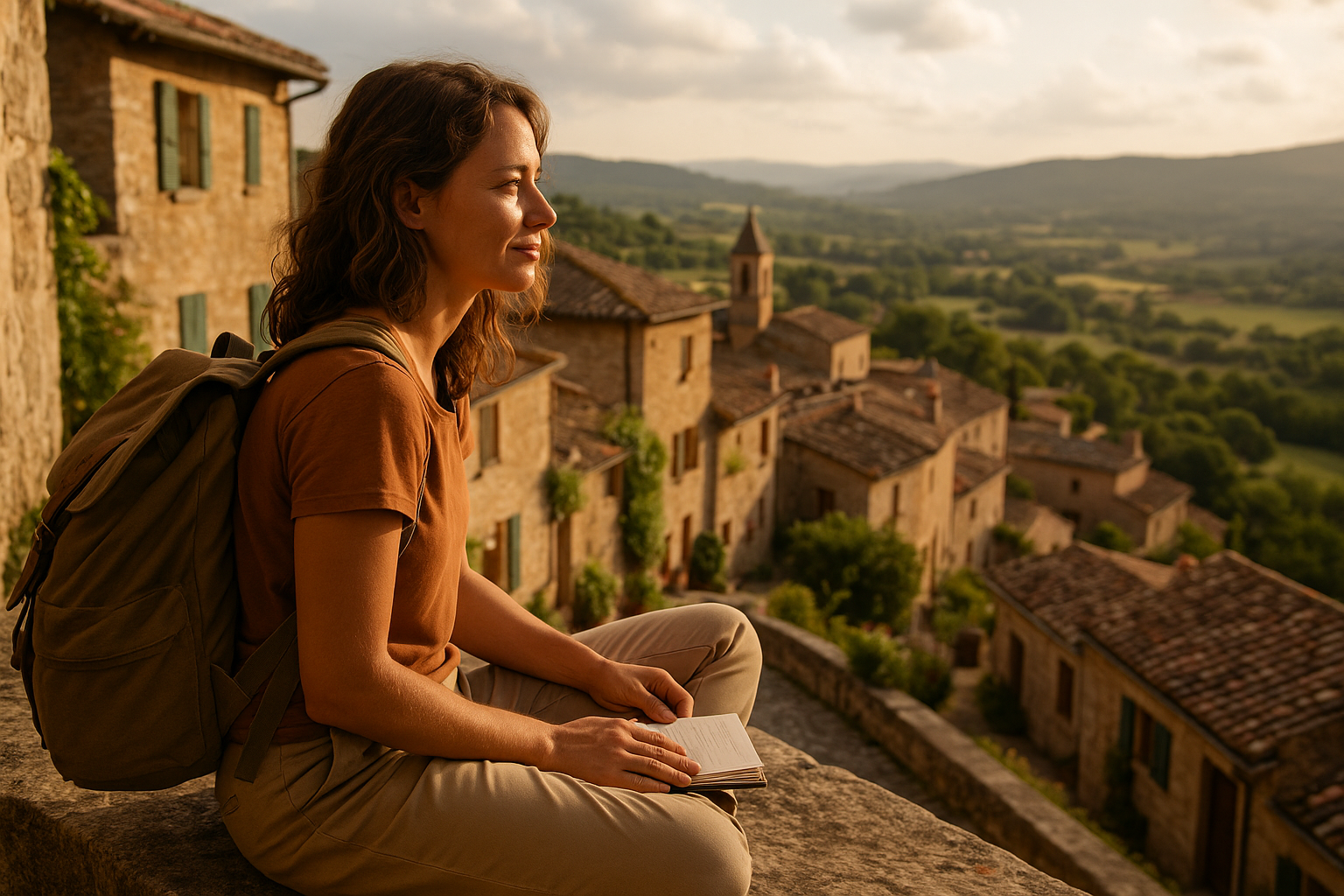
The Art of Slow Travel: Why Rushing Through a Country Misses the Point
Slow travel is one of those concepts that sounds simple on the surface — stay longer, move less — but reveals itself to be something far more transformative once you actually try it. If you’ve ever spent two weeks bouncing between six cities, arriving exhausted, barely remembering which cathedral was in which country, you already know the feeling. There’s a better way to explore the world, and it starts with giving yourself permission to stop rushing.
This isn’t about being lazy. It’s about being intentional. It’s about choosing depth over breadth, and walking away from a place with a story instead of just a stamp in your passport. With remote work more flexible than ever and digital nomad visas popping up across the globe, slow travel has never been more accessible — or more worth it.
What Is Slow Travel? A Clear Definition
There’s no strict rulebook. Slow travel generally means spending a meaningful amount of time in one place — think weeks rather than days — before moving on. It could mean renting a small apartment in Lisbon for a month, settling into a coastal town in Vietnam for three weeks, or spending an entire season in the mountains of Colombia.
The core idea is simple: you’re not trying to see everything. You’re trying to actually experience something.
Instead of following a highlight-reel itinerary, you start to notice the rhythms of a place. You learn which bakery opens earliest. You figure out where locals actually eat lunch versus where tourists get pointed. You start recognizing faces. People start recognizing yours. That’s when travel stops feeling like tourism and starts feeling like living.
And honestly? That’s when it gets interesting.
Slow Travel vs. Fast Travel: What’s the Difference?
Fast travel is built around maximizing destinations — more cities, more countries, more photos. Slow travel flips that logic entirely. Instead of asking “how many places can I fit in?”, you ask “how well can I actually know this one place?” The difference sounds small, but it changes everything about how you experience a trip.
Fast travel gives you highlights. Slow travel gives you stories. And stories are what you’ll still be telling years from now.
The Problem With Rushing
Fast travel has its appeal — there’s a genuine thrill in waking up in a new city every few days. But there’s also a cost that doesn’t show up on your booking app.
When you only have 48 hours somewhere, you default to the obvious. The famous square. The landmark everyone photographs. The restaurant with the most reviews. You’re not exploring — you’re executing a checklist. And the checklist rarely surprises you.
There’s also the exhaustion factor. Constant movement is physically and mentally draining. You spend so much energy navigating airports, finding accommodation, and orienting yourself that you never fully arrive anywhere. You’re always half-present, already thinking about the next destination.
The stories that stick with you — the ones you tell years later — almost never come from a whirlwind itinerary. They come from the afternoon you got completely lost and ended up at a family-run festival you hadn’t heard of. They come from the conversation that started at a market stall and turned into a three-hour lunch. Those moments need time to happen.
Cultural Immersion: The Real Reward of Slow Travel
One of the most compelling arguments for slow travel is what it does for your understanding of a place and its people. Culture isn’t something you can absorb in a weekend. It lives in routines, in conversations, in the way people interact with each other over time.
When you stay somewhere long enough, you stop being a visitor and start becoming a temporary resident. You shop at the same market every week. You pick up a handful of words in the local language — enough to make someone smile when you use them correctly. You start to understand the social dynamics that no guidebook ever explains.
Language is a perfect example. Even a basic attempt to communicate in someone’s native tongue opens doors that would otherwise stay shut. After a week in one place, you might know how to order coffee. After a month, you might be having actual conversations. That shift changes everything about how you experience a destination.
Extended stays also let you participate in local life in ways that short visits simply can’t. You might catch a regional festival, a neighborhood street party, or a seasonal tradition that happens once a year. You might get invited to someone’s home for dinner — not as a tourist attraction, but as a person who’s been around long enough to earn a little trust.
According to Responsible Travel, this kind of immersive approach leads to more meaningful cultural exchange for both travelers and host communities — a genuine two-way relationship rather than a transactional one.
The Economic Case for Staying Longer
Here’s something worth thinking about: slow travel is often better for the places you visit, not just for you.
When you stay in one place for weeks, you naturally spend more money in the local economy. You rent from a local landlord instead of a big hotel chain. You eat at neighborhood restaurants regularly, becoming a familiar face. You use local services — laundromats, markets, independent cafés, small transport operators. That money circulates in the community in a way that a one-night hotel stay rarely does.
Fast tourism, on the other hand, often concentrates spending in tourist-facing businesses that have little connection to the broader community. You end up feeding a parallel economy built around visitors rather than supporting the actual local one.
👉 Read also: The Rise of Slow Travel: Why Spending a Month in One Place Changes Everything
There’s also the overtourism conversation. Cities like Venice, Dubrovnik, and Kyoto have struggled under the weight of mass tourism — huge volumes of visitors who stay briefly, create strain on infrastructure and residents, and then leave. Slow travel naturally distributes visitor impact more evenly. When fewer people are constantly rotating through, and those who are there stay longer, the pressure on popular spots decreases significantly.
The Sustainable Travel International organization highlights slow travel as one of the most practical strategies for reducing the negative footprint of tourism on local communities and natural environments.
Your Carbon Footprint Shrinks Too
Environmental impact is a real consideration for a generation of travelers who genuinely care about the planet. And the math here is pretty straightforward.
Flights are the single biggest contributor to a traveler’s carbon footprint. If you visit five countries in two weeks, you’re likely taking five or more flights. If you spend two weeks in one region, moving slowly by train, bus, or bicycle, your emissions drop dramatically.
Staying longer in fewer places isn’t just better for your experience — it’s a meaningful way to travel more responsibly. You can still see a lot. You just see it differently. A month in Southeast Asia moving by overnight trains and local buses will take you further, in every sense, than two weeks of constant flights between capital cities.
The Practical Side: How to Make Slow Travel Work for You
Slow travel sounds great in theory, but a lot of young travelers assume it requires either unlimited time or unlimited money. Neither is true.
Accommodation costs drop significantly with longer stays. Monthly rental rates on platforms like Airbnb or local housing sites are almost always cheaper per night than short-stay rates. In many destinations — think Tbilisi, Medellín, Chiang Mai, or Porto — you can rent a comfortable apartment for less than you’d spend on a hostel bed every night.
Remote work has made extended travel genuinely accessible. If you work online, there’s no structural reason you can’t spend three months working from Oaxaca or Budapest. The rise of digital nomad visas in countries like Portugal, Costa Rica, Georgia, and Indonesia has made this even more straightforward from a legal standpoint. These programs are specifically designed for people who want to live and work in a country for an extended period without the bureaucratic headache.
Even students and people with limited time can apply the principle. You don’t need three months. A two-week trip that focuses on one region rather than an entire country is already a form of slow travel. Skip the frantic multi-city itinerary and spend your whole trip in one corner of Japan, one island in Greece, or one city in Morocco. You’ll leave knowing that place in a way that most visitors never do.
How to Budget for Slow Travel
One of the biggest misconceptions is that slow travel means spending more overall. In practice, it usually means spending smarter. Here’s how the numbers tend to work in your favor:
- Monthly apartment rentals in cities like Chiang Mai or Medellín can cost less than a week of hostel beds in Western Europe.
- Cooking a few meals a week — especially when you have access to a local market — slashes your daily food budget considerably.
- You stop paying the “new arrival” tax: the overpriced taxis, the tourist-trap restaurants, the entrance fees you didn’t know you could skip.
- Fewer flights means fewer expensive last-minute bookings and less money lost to airport meals and transfers.
The longer you stay, the more you learn to live like a local — and locals always know how to stretch a budget further than any travel hack ever will.
Practical Slow Travel Tips to Get Started
- Look for monthly rental deals on local housing sites or platforms like Airbnb and Booking.com
- Research digital nomad visa options for your target destination before you go
- Choose a base and take day trips rather than constantly relocating
- Shop at local markets and cook occasionally — it saves money and connects you to the culture
- Use slower transport (trains, buses, ferries) between locations when possible
- Join local Facebook groups or community boards to find events and recommendations from residents
- Set a loose weekly rhythm — a regular café, a market day, a neighborhood walk — so you start to feel at home
- Give yourself at least three to four days before judging whether a place is right for you
The Best Destinations for Slow Travel Right Now
Some places are simply built for this kind of travel. They’re affordable enough to stay a while, interesting enough to keep you curious, and set up with the infrastructure that makes longer stays easy. Here are a few worth putting on your radar.
Europe
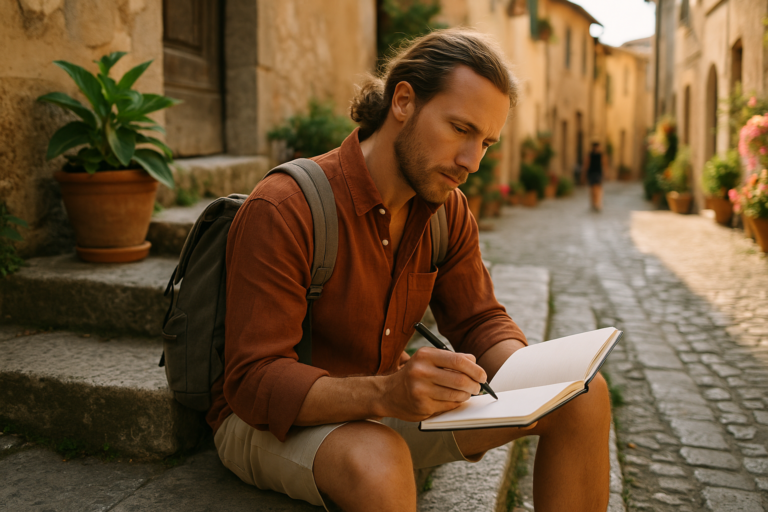
Porto, Portugal — Walkable, affordable by European standards, and full of character. The kind of city where you find a new hidden gem every time you wander a different street. Portugal’s digital nomad visa also makes longer stays straightforward.
Tbilisi, Georgia — One of the most underrated cities in the world for slow travel. Incredibly affordable, with a thriving arts scene, ancient architecture, and some of the most welcoming locals you’ll ever meet. Georgia allows most nationalities to stay visa-free for up to a year.
Plovdiv, Bulgaria — Skip Sofia and head here instead. A compact, creative city with a bohemian old town, a strong café culture, and a cost of living that makes your budget stretch further than almost anywhere else in Europe.
Latin America
Medellín, Colombia — Transformed over the past decade into one of the most vibrant cities in South America. Excellent infrastructure, a huge community of long-term travelers and remote workers, and a climate so consistently pleasant it’s nicknamed the City of Eternal Spring.
Oaxaca, Mexico — A cultural powerhouse in a compact, walkable package. World-class food, a thriving arts scene, and enough surrounding villages and natural landscapes to keep you exploring for months without ever feeling like you’ve run out of things to discover.
Southeast Asia
Chiang Mai, Thailand — A longtime favorite for slow travelers and digital nomads alike. Affordable, well-connected, and surrounded by mountains, temples, and villages that reward curiosity. The city has a genuine community feel that’s easy to tap into.
Hội An, Vietnam — One of those rare places that feels completely authentic despite being well-known. Stay a month and you’ll move well beyond the tourist trail into a rhythm of morning markets, bicycle rides through rice paddies, and evenings that never quite go the way you planned — in the best possible way.
Slow Travel as a Solo Traveler
Solo travel and slow travel are a natural match. When you’re moving fast, being alone can feel isolating — you’re constantly in transit, never quite settled, never building the connections that make a place feel real. Slow travel changes that dynamic entirely.
Staying somewhere for weeks gives you time to build a social life from scratch. You become a regular at a café. You join a language exchange, a climbing gym, a local running group. You meet other long-term travelers who are doing the same thing. Before long, you have a community — not because you forced it, but because you were simply around long enough for it to form naturally.
👉 Read also: The Art of Getting Lost: Why Wandering Without a Plan Leads to the Best Stories
Some of the most meaningful friendships made while traveling come from slow travel situations. The kind where you’ve shared enough ordinary days with someone that the connection feels real, not just a hostel-bar conversation you’ll forget by the next city.
The Psychological Payoff
There’s something that happens to your headspace when you stop rushing. It takes a few days — sometimes a week — but eventually the constant low-level anxiety of travel starts to lift. You stop feeling like you’re behind schedule. You stop calculating how many things you haven’t seen yet. You just start being where you are.
That shift is significant. Travel can be genuinely stressful when it’s structured around maximizing output. Slow travel reframes the whole thing. The goal isn’t to see more — it’s to feel more. And when you’re not racing between landmarks, you actually have the mental space to do that.
You notice things. The light at a certain time of day. The way a neighborhood changes between morning and evening. The small details that make a place feel like itself rather than a backdrop for photographs.
Mindfulness isn’t something you need to practice consciously when you’re slow traveling — it tends to happen naturally. You become more present because there’s no urgency pulling you somewhere else. And that presence is what turns a trip into a memory that actually stays with you.
The Stories You’ll Actually Tell
Ask any experienced traveler about their best travel memory and it’s almost never “the day I visited three museums and two cathedrals.” It’s always something unexpected. Something that happened because they were in the right place long enough for life to find them.
Slow travel creates the conditions for those moments. When you’re in a place for weeks, you become part of its daily rhythm. You’re around for the things that don’t make it onto travel blogs — the impromptu street concert, the neighbor who invites you for tea, the local football match that turns into a whole evening of conversation with strangers who become, briefly, friends.
Those are the stories worth collecting. Not because they’re dramatic or Instagram-worthy, but because they’re real. They happened to you, not to a version of you rushing past a famous facade with a camera.
Where to Start Your Slow Travel Journey
If you’ve never tried slow travel before, the best advice is to pick one place and resist the urge to plan too much around it. Choose a destination you’re genuinely curious about — not just one that looks good in photos. Book accommodation for at least two weeks. Give yourself a loose framework and then let the place fill in the details.
Some destinations lend themselves particularly well to longer stays. Cities with strong digital nomad infrastructure like Tallinn, Playa del Carmen, and Bali make it easy to settle in. Smaller towns in southern Europe, Latin America, and Southeast Asia often offer the perfect combination of affordability, local character, and enough to keep you curious for weeks without overwhelming you.
The first few days might feel slow in a way that’s unfamiliar. That’s normal. Sit with it. Go for a walk without a destination. Find a café you like and go back the next day. Let the place reveal itself on its own terms.
You’ll be surprised how quickly somewhere starts to feel like yours.
Travel Differently, Remember More
Slow travel isn’t a trend or a philosophy reserved for retirees with unlimited time. It’s a mindset shift that’s available to anyone willing to trade a longer checklist for a deeper experience. It’s for the 22-year-old spending a month in a city that surprises them. It’s for the student who decides to really know one country instead of briefly visiting five. It’s for anyone who’s come home from a trip feeling like they saw a lot but experienced very little.
The world doesn’t get more interesting the faster you move through it. It gets more interesting the longer you stay still. Slow down, look closer, and give yourself the time to actually be somewhere — because that’s when travel stops being something you do and becomes something that genuinely changes how you see everything.
Your next adventure doesn’t have to cover more ground. It just has to go deeper. And that kind of journey is always worth taking.
Slow Travel FAQ
How long do you need to stay somewhere to call it slow travel?
There’s no magic number, but most slow travelers aim for at least two weeks in one place. A month is even better. The key is staying long enough to move beyond the tourist surface — to find your regular café, learn a few local phrases, and start recognizing the faces around you. Even a focused two-week trip in one region counts if you’re resisting the urge to rush.
Is slow travel more expensive than regular travel?
Usually the opposite. When you stay somewhere for weeks, monthly rental rates kick in and your nightly cost drops significantly. You cook more, eat where locals eat, and stop paying the “tourist premium” that comes with constantly being somewhere new. In affordable destinations, slow travel can cost less per month than a single week of fast-paced multi-city travel.
Can you slow travel if you only have two weeks of holiday?
Absolutely. Two weeks in one city or one region is already slow travel. Instead of spreading yourself across five countries, go deep on one. You’ll come home knowing a place properly — and that feeling is worth far more than a longer list of destinations you barely remember.
What’s the best way to find accommodation for slow travel?
Start with platforms like Airbnb or Booking.com and filter for monthly stays — the discounts are often significant. Also check local Facebook groups for your destination, which frequently list furnished apartments rented directly by owners at lower rates. For popular slow travel hubs like Chiang Mai, Medellín, or Tbilisi, a quick search in expat community groups will turn up options you won’t find on any booking platform.
Is slow travel safe for solo female travelers?
Slow travel can actually feel safer than fast travel for solo female travelers, because you’re not constantly navigating unfamiliar situations at speed. You learn your neighborhood, you build a community, and you develop a feel for what’s normal in a place. That said, the same common-sense precautions apply anywhere — research your destination thoroughly, trust your instincts, and connect with other travelers and locals who can give you honest, up-to-date advice on the ground.
Do I need to speak the local language to slow travel?
Not at all — but slow travel is the best possible motivation to learn a little. Even a handful of phrases goes a long way. Locals notice and appreciate the effort, and it opens up conversations and connections that simply don’t happen when you’re communicating through a translation app. Many slow travelers find that picking up basic language skills is one of the most rewarding parts of the whole experience.
This article was produced with AI assistance and reviewed editorially.


Sri Lanka by Backpack: The Route, Costs, and Unmissable Stops

Uzbekistan’s Silk Road Cities: Samarkand & Bukhara in 2026


