
Tips & Tricks
Travel on a Shoestring: How to Explore More by Spending Less
Discover practical budget travel tips that actually work — from choosing the right destination and booking flights strategically to eating well for less and earning on the road. Real advice for travelers aged 16 to 30 who want more adventure, not more debt.

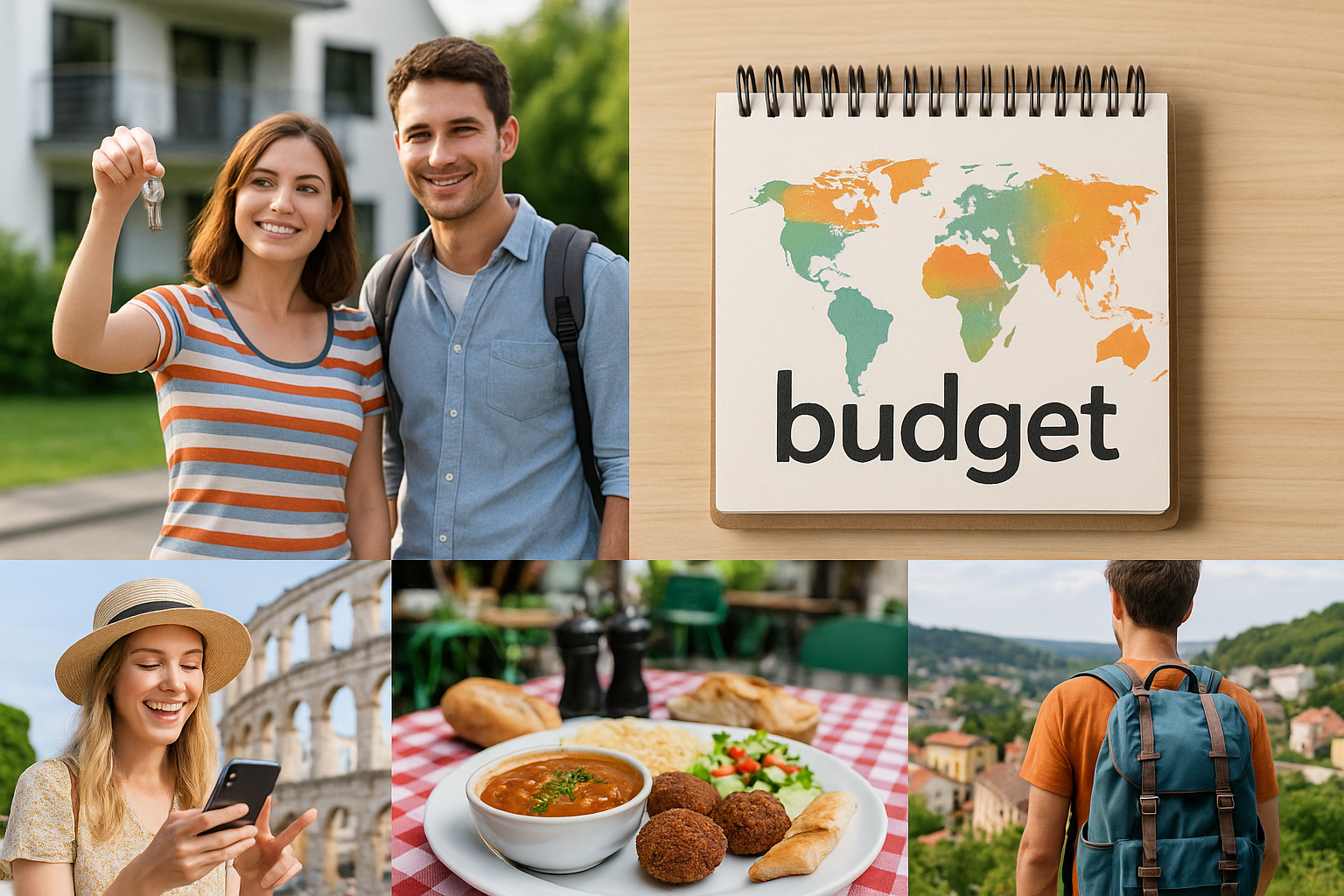
Budget Travel Tips That Actually Work (No Trust Fund Required)
The best budget travel tips don’t just save you money — they push you closer to the kind of travel that actually feels meaningful. Spending less often means slowing down, going deeper, and connecting with places in ways that a packed, expensive itinerary rarely allows. Whether you’re a student with a summer to burn, a young professional dreaming of a longer escape, or someone who’s simply realized that experiences matter more than things — this guide is for you.
We’re talking real, practical strategies that travelers aged 16 to 30 are using right now to explore the world on a shoestring. Not vague advice. Not “just spend less.” Actual tips you can apply to your next trip, starting today. Let’s get into it.
Choose Your Destination Wisely
Where you go matters as much as how you travel. Some destinations simply stretch your money further — not because they’re “cheap,” but because the local cost of living is lower and your currency goes a long way. Southeast Asia, Central America, Eastern Europe, and parts of South Asia consistently offer incredible value without sacrificing richness of experience.
Think about Vietnam, where a bowl of pho costs less than a dollar and a guesthouse room in Hanoi can run under fifteen. Or Georgia (the country, not the state), where the Caucasus mountains, ancient monasteries, and some of the world’s most underrated wine culture come with a price tag that feels almost unreal by Western standards. Bolivia, Albania, Indonesia, Morocco — these are places where a modest daily budget unlocks genuinely extraordinary experiences.
Timing matters too. Traveling in the shoulder season — the weeks just before or after peak tourist periods — often means lower accommodation prices, fewer crowds, and a more authentic atmosphere. You’ll share the streets with locals rather than tour groups. You’ll actually get a table at that restaurant everyone talks about. The trade-off might be slightly unpredictable weather, but a little rain never ruined a good adventure.
It’s also worth thinking about visa logistics. Some destinations offer long-stay visas or digital nomad visas that let you stay for months rather than weeks, which dramatically lowers your average daily cost. The longer you stay somewhere, the more you can negotiate rent, build routines, and skip the tourist markup entirely.
Plan Smart Before You Leave Home
A little preparation goes a long way when you’re traveling on a budget. You don’t need to plan every hour — spontaneity is part of the joy — but a few smart moves before you leave can save you serious money on the road.
Set a Realistic Daily Budget
Before you book anything, research the average daily cost for your destination. Sites like Numbeo and Budget Your Trip give you real data on accommodation, food, transport, and activities. From there, set a daily target that feels achievable — and build in a small buffer for the unexpected. Knowing your number makes every spending decision easier and less stressful.
Book Flights Strategically
Flexibility is your most powerful tool when it comes to flights. Traveling mid-week, avoiding school holidays, and booking a few weeks in advance rather than last-minute will consistently land you better prices. Use Google Flights to track price trends and set alerts for routes you’re watching. Being open to nearby airports or indirect routes can also unlock significant savings. And once you’re in a region, overland travel between countries is almost always cheaper — and more interesting — than flying.
Sort Out Your Finances Before You Go
A travel-friendly bank card that doesn’t charge foreign transaction fees or ATM fees will save you more than you’d expect over a long trip. Cards like Wise or Revolut are popular with frequent travelers for exactly this reason. Set them up before you leave, not when you’re standing at an airport ATM wondering why you’re being charged three different fees.
Travel insurance is non-negotiable, even on a tight budget. A single medical emergency abroad can cost more than your entire trip budget many times over. Look for policies that cover your activities — including adventure sports if relevant — as well as medical evacuation and trip cancellation. It’s one of the few things worth spending a little more on to get right.
Rethink Where You Sleep
Accommodation is usually the biggest line item in any travel budget, and it’s also where you have the most room to get creative. Hotels are rarely the answer when you’re traveling on a budget — but neither is suffering through a noisy dorm if that’s not your style. There’s a whole spectrum in between.
House-Sitting: Live Like a Local for Free
House-sitting is one of the most underused budget travel tips out there. Platforms like TrustedHousesitters connect homeowners who need someone to look after their property (and often their pets) while they travel, with travelers who need a free place to stay. You get a real home — a kitchen, a living room, a neighborhood — and they get peace of mind. Everyone wins.
The key is building a solid profile early. Get a few good reviews from shorter sits, be responsive and professional in your applications, and be honest about your experience with animals if pets are involved. Once you have a few sits under your belt, the opportunities open up fast. Imagine spending three weeks in a Lisbon apartment with two cats for the price of nothing. That’s not fantasy — it’s a Tuesday for seasoned house-sitters.
Hostels Done Right
Hostels have a reputation that doesn’t always match reality. Yes, some are loud and chaotic. But a good hostel is genuinely one of the best places to meet other travelers, get honest local advice, and feel part of a community on the road. Many now offer private rooms at a fraction of hotel prices, which gives you the best of both worlds.
Look for hostels with strong social ratings on platforms like Hostelworld, and pay attention to reviews that mention cleanliness and staff helpfulness. A hostel with a communal kitchen is worth its weight in gold — more on that in a moment.
Home Swapping and Couchsurfing
Home swapping networks let you exchange your home with someone in another country for a set period. It requires you to have a home to offer, which makes it more relevant for slightly older travelers or those with a base, but it’s a genuinely brilliant model. Couchsurfing, meanwhile, connects travelers with locals willing to offer a spare couch or room for free, with the cultural exchange being the real currency. It’s not for everyone, but for the right traveler, it opens doors — literally and figuratively.
👉 Read also: Budget Travel Hacks That Actually Work (Without Feeling Broke the Whole Time)
Eat Well Without Spending Much
Food is where budget travel can go one of two ways. You either eat badly and cheaply, or you discover that the most delicious meals of your life cost almost nothing. The second path is absolutely available to you — you just have to know where to look.
Follow the Locals
The simplest rule: eat where locals eat. If the menu is only in English and there’s a laminated photo of every dish, you’re probably paying a tourist premium. Walk two streets back from the main square. Find the place with plastic chairs and a handwritten board. Sit down. Order whatever they’re known for. This is almost always where the best food is, and it costs a fraction of the tourist-facing alternatives.
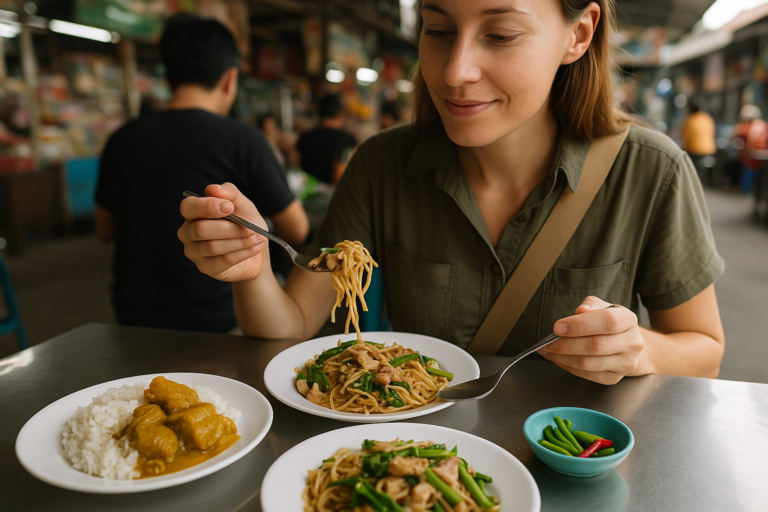
Street food culture in countries like Thailand, Mexico, India, and Morocco isn’t a budget compromise — it’s the actual food culture. Pad thai from a Bangkok street cart, tacos from a market stall in Oaxaca, chaat from a vendor in Jaipur — these are genuine culinary experiences, not tourist consolation prizes.
Markets and Self-Catering
Local markets are one of the great joys of travel regardless of budget, but they’re also a brilliant way to eat well for very little. Grab fresh bread, local cheese, seasonal fruit, and whatever looks interesting. Make breakfast or lunch in your accommodation if you have a kitchen. Save the restaurant budget for one proper dinner where you really want to sit down and experience the place.
This approach also forces you to interact with vendors, practice a few words of the local language, and understand what people in that place actually eat day to day. It’s budget travel that doubles as cultural immersion.
Get Around Without Breaking the Bank
Transport costs can quietly eat your budget if you’re not paying attention. Flights are the obvious big ticket, but ground transport adds up fast too.
Once you’re in a destination, use what locals use. Buses, shared minivans, local trains, ferries — these are almost always dramatically cheaper than tourist-facing transport options and often more interesting. A twelve-hour overnight train through the Vietnamese countryside costs a fraction of a domestic flight and comes with a window seat, a bunk bed, and a story worth telling. Overnight transport also saves you a night’s accommodation, which is a double win for your budget.
In cities, walking is free and almost always the best way to actually see a place. Some of the most memorable moments in travel happen when you’re just wandering without a plan, turning down a street because it looked interesting, stumbling onto a market or a courtyard or a viewpoint that wasn’t in any guidebook.
For longer distances, consider bus passes or rail passes if you’re moving through multiple countries in a region. In Europe, the Interrail pass can make multi-country travel surprisingly affordable. In Southeast Asia, a series of bus tickets booked locally often beats any pre-packaged tour on price.
Find Free and Low-Cost Experiences
One of the most liberating budget travel tips is this: the best things in most destinations cost nothing. Beaches, mountains, historic neighborhoods, local festivals, public parks, viewpoints, street art, markets — the world is full of extraordinary experiences that are completely free.
Many of the world’s great museums offer free entry on certain days or to visitors under a certain age. The British Museum in London is permanently free. The Smithsonian in Washington D.C. charges nothing. In Paris, national museums are free for anyone under 26 from EU countries. It’s always worth checking before you assume you need to pay.
Free walking tours operate in almost every major city on earth. These tours run on a tip-based model — you pay what you feel the experience was worth at the end. They’re usually led by passionate locals who genuinely love their city, and they’re one of the best ways to get oriented and find your own curiosity about a place. According to Lonely Planet’s budget travel guidance, free walking tours consistently rank among the highest-value experiences available to budget travelers worldwide.
Natural attractions — national parks, hiking trails, coastlines, rivers, volcanoes — are often the most spectacular things a destination has to offer, and many are accessible for free or a very small entry fee. A sunrise hike costs nothing but an early alarm. The view from the top is the same whether you paid five hundred dollars for a guided tour or got there on your own two feet.
Use Apps and Tools That Save You Money
Savvy budget travelers treat their phone like a money-saving toolkit. The right apps can cut costs at almost every stage of a trip — before you leave, while you’re moving, and once you arrive.
For Flights and Accommodation
Google Flights is still the gold standard for tracking airfare and spotting price drops. Set up alerts for your route and check the price calendar to find the cheapest travel dates at a glance. For accommodation, Hostelworld covers the budget end brilliantly, while Booking.com and Airbnb are worth comparing for private rooms and apartments — especially if you’re staying somewhere for a week or more.
For Getting Around
Rome2rio is genuinely useful for figuring out every possible way to get between two places, with rough cost estimates for each option. Citymapper works brilliantly for navigating public transport in major cities. And downloading offline maps on Google Maps or Maps.me before you arrive means you can navigate without burning through mobile data — or getting lost when you have no signal.
For Managing Money
Wise and Revolut both let you hold and spend multiple currencies without the painful fees that traditional banks charge. Track your daily spending with a simple app like Trail Wallet or even a notes app — just logging what you spend each day keeps you honest and helps you course-correct before you blow your budget mid-trip.
👉 Read also: Sri Lanka on a Shoestring: How to Skip the Tourist Crowds and Eat Like a Local
Make Your Money Work While You Travel
Stretching a budget isn’t only about spending less — it’s also about finding ways to keep earning while you’re on the road. This has never been more accessible than it is right now.
Remote Work and Freelancing
If your job can be done on a laptop, there’s a good chance you can do it from anywhere. More companies than ever offer remote or hybrid arrangements, and the rise of the digital nomad lifestyle has created real infrastructure around it — co-working spaces, nomad-friendly accommodations, and communities of people doing exactly this in cities from Chiang Mai to Medellín to Tbilisi.
Freelance platforms like Upwork, Fiverr, and Toptal connect skilled workers with clients globally. Writing, design, development, translation, marketing, video editing — if you have a skill, there’s likely a market for it online. Building a freelance income takes time and effort, but even a few consistent clients can fund months of slow travel in a lower-cost destination.
Teaching English and Seasonal Work
Teaching English abroad remains one of the most reliable ways to fund extended travel, particularly in Asia and Latin America. Programs vary widely — some include accommodation and flights in the package, others pay a local wage that covers your costs comfortably in context. A TEFL or CELTA qualification significantly expands your options and earning potential.
Seasonal work — harvest seasons, ski resorts, summer camps, hospitality — is another avenue that’s been funding young travelers’ adventures for generations. Australia’s Working Holiday Visa, for instance, lets travelers aged 18 to 30 (35 for some nationalities) live and work legally for up to a year, with the option to extend by completing regional work. New Zealand offers a similar program. These aren’t just income sources — they’re a way to actually live somewhere rather than just pass through.
Budget Travel Tips by Travel Style
Not every traveler is the same, and the best budget strategies depend on how you like to move through the world. Here’s a quick breakdown based on different travel styles.
The Solo Traveler
Solo travel can feel expensive because you’re covering every cost alone — no splitting accommodation or taxis. The fix? Stay in hostels or house-sit, join free walking tours to meet people quickly, and use apps like Meetup or Couchsurfing’s events feature to find local gatherings. Solo travelers also tend to be more flexible, which is a huge advantage when hunting for last-minute deals.
The Group Traveler
Traveling with friends unlocks real savings. Split the cost of a private Airbnb or apartment rental, share taxis, cook group meals, and negotiate better rates on tours or activities. The key is agreeing on a shared daily budget before you leave — nothing strains a friendship faster than mismatched spending expectations on the road.
The Long-Term Traveler
If you’re planning to travel for months rather than weeks, slow travel is your best friend. Pick one base, stay for three to four weeks, and let your daily costs drop naturally. You’ll find local supermarkets, discover the cheap lunch spots, and stop paying tourist prices for everything. The longer you stay, the more the place reveals itself — and the less you spend getting there.
The Real Value of Traveling on a Budget
Here’s the thing about budget travel that nobody really talks about enough: it makes you a better traveler. When you’re not insulated by expensive hotels and private transfers and tourist-facing experiences, you’re forced into contact with the actual texture of a place. You take the local bus. You shop at the neighborhood market. You figure out how things work. You ask for help and have real conversations. You stay longer in one place because moving is expensive, and staying longer means you actually get to know somewhere.
The most vivid travel memories rarely involve the most expensive moments. They’re the unexpected conversation with a stranger on a night train. The meal you found by following the smell down an alley. The morning you hiked to a viewpoint before anyone else arrived and had the whole thing to yourself. None of those things cost much. All of them are unforgettable.
Applying even a handful of these budget travel tips to your next trip won’t just save you money — it’ll change the quality of the experience entirely. Travel more, spend smarter, and fill your passport with stories you’ll be telling for years. The world is waiting, and it’s far more accessible than you think.
Frequently Asked Questions About Budget Travel
How much money do I actually need to travel on a budget?
It depends heavily on your destination. In Southeast Asia or Central America, many travelers get by comfortably on $30 to $50 per day, covering accommodation, food, transport, and activities. In Western Europe or Australia, that number is closer to $70 to $100. The key is researching your specific destination before you go and setting a realistic daily target based on real data, not guesswork.
What are the biggest budget travel mistakes to avoid?
The most common ones: booking accommodation too far in advance without flexibility, using airport ATMs with high fees, eating every meal in tourist areas, and moving between destinations too frequently. Every time you move, you spend money on transport. Slowing down is almost always the smarter — and more rewarding — choice.
Is budget travel safe?
Absolutely, when you’re informed and prepared. Research your destination, stay aware of your surroundings, keep digital copies of important documents, and always have travel insurance. Budget travel doesn’t mean reckless travel — it means smart travel. Millions of young people explore the world on tight budgets every year and come home safely with incredible stories.
Can I travel on a budget without staying in dorms?
Yes. House-sitting, home swapping, private hostel rooms, and budget guesthouses all offer private space without the hotel price tag. In many destinations, a clean private room at a family-run guesthouse costs less than a dorm bed at a well-known hostel chain. You have more options than you think — it just takes a little extra research to find them.
What’s the single best budget travel tip for first-time travelers?
Start by choosing the right destination for your budget. Where you go sets the ceiling on everything else. Pick a place where your money naturally goes further, give yourself enough time to slow down and settle in, and resist the urge to pack too many destinations into one trip. One place explored deeply will always beat five places seen in a rush — and it’ll cost you less too.
How do I save money on travel without planning every detail in advance?
You don’t need a minute-by-minute itinerary to travel smart. Sort the big things — flights, travel insurance, and a rough daily budget — before you leave. Everything else can stay flexible. Book your first night’s accommodation so you arrive somewhere, then figure out the rest as you go. Spontaneity is one of the great joys of travel, and it often leads to the best discoveries. Just make sure your finances are set up properly so you’re not scrambling at an ATM in an unfamiliar city.
This article was produced with AI assistance and reviewed editorially.


Sri Lanka by Backpack: The Route, Costs, and Unmissable Stops

Uzbekistan’s Silk Road Cities: Samarkand & Bukhara in 2026


