
Spain
European City Guides for Foodies and Explorers: Barcelona’s Cafes and Cocktail Bars, London’s Hidden Walks
Discover insider european city guides for Barcelona and London. Explore local cafes, cocktail bars, and hidden walks from someone who lived there.

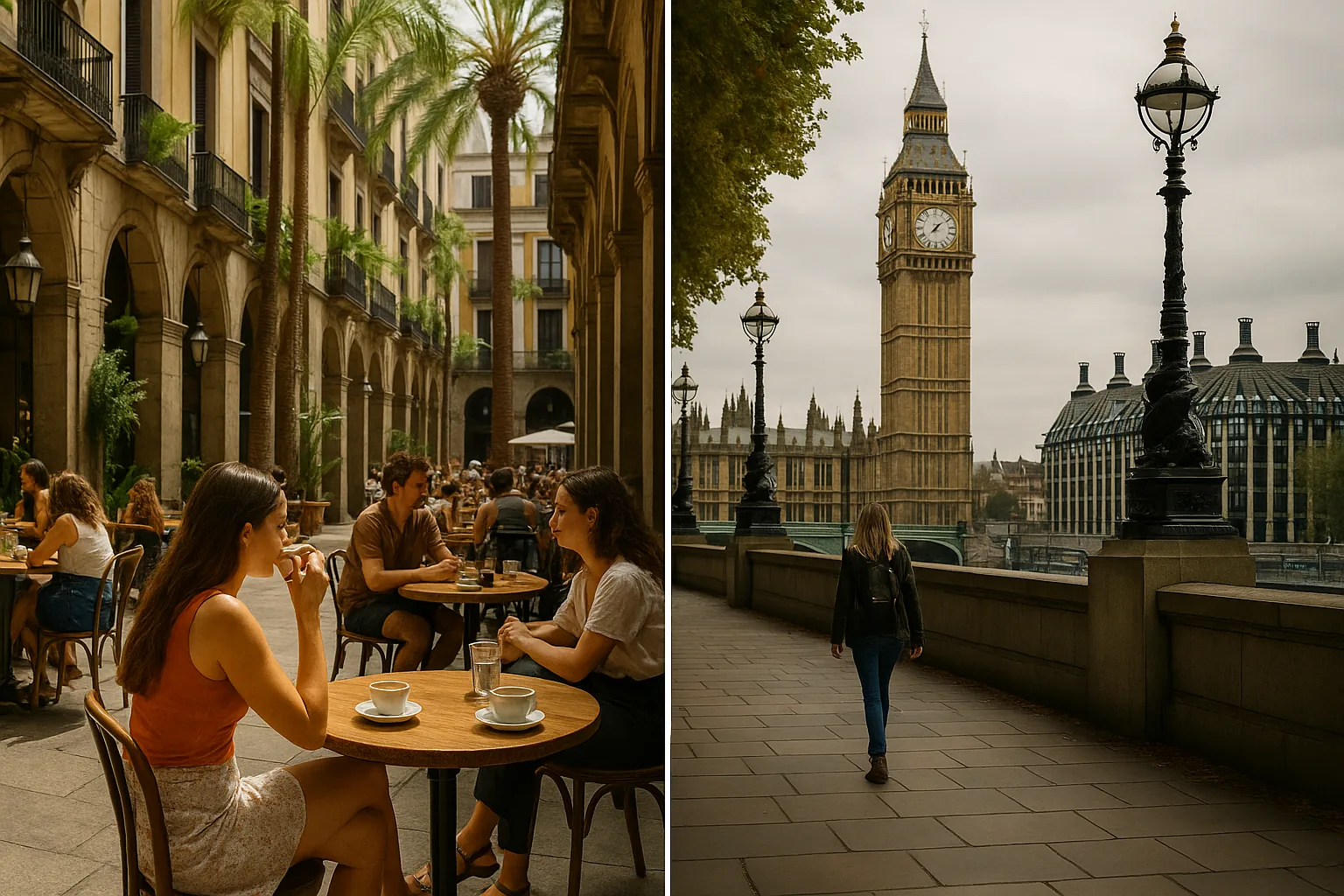
European City Guides for Foodies and Explorers: Barcelona and London Done Right
If you’re building your travel bucket list around food, coffee, cocktails, and long walks through neighborhoods that feel genuinely alive, then the european city guides covering Barcelona and London belong at the top of your reading pile. These two cities couldn’t feel more different — one sun-drenched and loud with life, the other layered with centuries of stories tucked behind every corner — but both reward the traveler who goes beyond the obvious. This guide is your starting point for experiencing both cities the way locals actually do.
Why Barcelona and London Are the Perfect Foodie Pairing
At first glance, Barcelona and London seem like an unlikely duo. Barcelona runs on sunshine, late dinners, and the kind of unhurried café culture that makes you want to cancel your afternoon plans. London moves faster, layers its flavors from every corner of the world, and hides its best experiences down side streets and in railway arches you’d walk straight past without a second look.
But here’s what connects them: both cities have a thriving scene built around people who genuinely care about what they’re eating, drinking, and experiencing. Whether you’re nursing a specialty flat white in the Eixample or sipping a craft cocktail in a converted warehouse in East London, you’re tapping into something that feels real. That’s the whole point.
The best european city guides covering Barcelona and London don’t just hand you a list of places. They help you understand the rhythm of each city — when to slow down, when to wander, and when to just sit somewhere beautiful and let the afternoon disappear.
Barcelona’s Café Culture: More Than Just Coffee
Barcelona takes its café culture seriously. This isn’t a city where you grab a coffee and go. It’s a city where you sit, you watch the street, you maybe order a second pastry, and you let the morning stretch out in front of you like it has nowhere to be.
Local expert Tilly Brogan, who previously lived in Barcelona, wrote the 12 Best Cafes in Barcelona (Local’s 2025 Guide) — a resource that’s genuinely useful precisely because it comes from someone who didn’t just visit but actually built a daily routine around these places. That lived experience makes all the difference. You get the café that’s worth the walk, not just the one closest to the tourist trail.
The Barcelona Food Experience blog also covers the city’s best cafés in depth, with a focus on specialty coffee, matcha, and pastries — which tells you everything you need to know about how Barcelona’s café scene has evolved. This isn’t just espresso and croissants anymore. You’ll find third-wave coffee roasters, natural wine by the glass before noon, and matcha lattes made with the same level of care you’d expect from a Kyoto tea house.
A Café Worth Seeking Out: Three Marks Coffee
If you want a concrete starting point, head to Three Marks Coffee on C/ d’Ausiàs Marc 151 in the Eixample. It’s a specialty coffee shop that takes its beans seriously without taking itself too seriously — the kind of place where the barista actually wants to talk about the origin of the single-origin you just ordered, but won’t make you feel bad if you just want a good flat white and a quiet corner.
The Eixample neighborhood itself is worth exploring on foot. The grid layout makes it easy to navigate, and the wide pavements were practically designed for wandering slowly with a coffee in hand. Duck into a side street and you’ll find independent bookshops, small galleries, and the kind of neighborhood bakeries that don’t need a social media presence because they’ve had a queue out the door since 1987.
Timing Your Barcelona Café Experience
Barcelona mornings are genuinely different from the rest of the day. The city wakes up slowly, and the cafés are at their best between about nine and eleven — before the midday rush and before the heat of the afternoon settles in. If you’re visiting in summer, this window is your sweet spot. Grab a table outside, order something cold if you need to, and watch the neighborhood come alive around you.
Weekday mornings tend to be calmer than weekends in most neighborhoods, so if you want that unhurried local feel, aim for a Tuesday or Wednesday morning rather than a Saturday when everyone has the same idea.
👉 Read also: Barcelona & London: Urban Exploration for Young Travelers (2025–2026 Local Guides)
Barcelona’s Cocktail Scene: Where History Meets Innovation
Barcelona’s cocktail bars exist on a fascinating spectrum. On one end, you have places that have been pouring drinks for nearly a century. On the other, you have bars that are rewriting what a cocktail can be — and getting global recognition for it.
Boadas: A Piece of Living History
Boadas, located at C/ dels Tallers 1 in Ciutat Vella, is one of the oldest cocktail bars in Barcelona. Walking in feels like stepping into a different era — the kind of bar where the bartenders wear white jackets and the drinks are made with the kind of quiet confidence that only comes from decades of practice. It’s small, it’s atmospheric, and it’s the sort of place you visit not just for the drink but for the feeling of standing somewhere that has absorbed a hundred years of stories.
Ciutat Vella — the old city — is the right neighborhood to explore around Boadas. The Gothic Quarter is nearby, and while it can get crowded, the streets immediately around it offer a mix of old and new that feels genuinely Barcelona. Wander far enough and you’ll find local bars that don’t appear on any list, which is often the best discovery of all.
Sips: One of the World’s Best Bars
At the other end of the spectrum sits Sips Cocktail Bar, ranked among the top bars in the entire world and located at C/ de Muntaner 108 in the 08036 area of Barcelona. This is serious cocktail territory. The drinks here are creative, technically precise, and genuinely surprising — the kind of cocktails that make you pause after the first sip and try to figure out what you’re actually tasting.
Getting a reservation at Sips takes planning. This isn’t a walk-in situation, especially on weekends. Book ahead, dress like you made an effort, and give yourself time to actually enjoy the experience rather than rushing through it. It’s one of those evenings you’ll still be talking about long after you’ve left Barcelona.
The broader cocktail scene in Barcelona rewards exploration beyond the famous names. Many of the best bars are in the Eixample and Gràcia neighborhoods, where a mix of local regulars and in-the-know visitors creates an atmosphere that feels genuine rather than performative. Ask your hotel or hostel staff where they actually go for a drink — that question alone will take you somewhere interesting.
London’s Hidden Walks: The City Reveals Itself on Foot
London is not a city you understand from a bus or a tube map. You understand it by walking — through neighborhoods that shift character every few streets, past buildings that tell completely different stories depending on which direction you approach them from, and along riverbanks and canal paths that feel a world away from the busy roads running parallel to them.
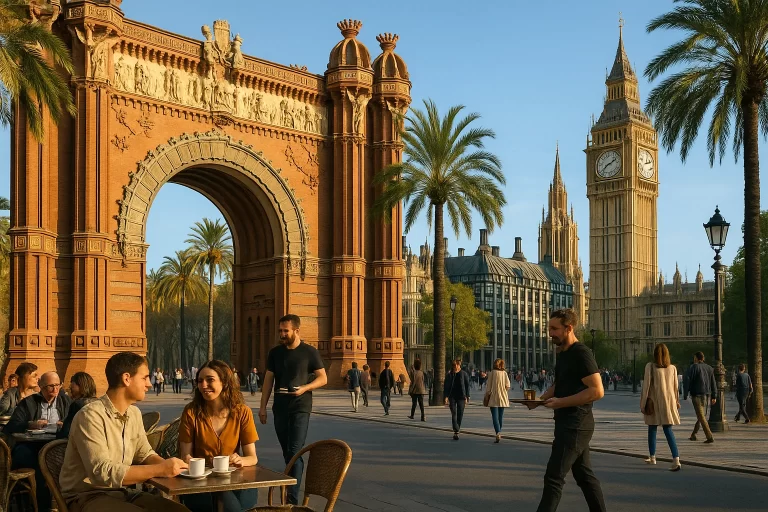
The good news is that London is one of the most walkable major cities in Europe, and its hidden layers are genuinely accessible to anyone willing to slow down and pay attention. The european city guides that do London justice are the ones that take you off the main tourist circuit and into the neighborhoods where people actually live.
Why Guided Walks Change Everything
There’s a difference between walking through London and walking through London with someone who knows its stories. Unusual London Walks, for example, offers guided experiences lasting around two hours that focus specifically on hidden gems and the unexpected narratives woven into the city’s streets. That kind of local knowledge — the detail about why a particular alley exists, or what happened in a specific building three hundred years ago — transforms a pleasant walk into something genuinely memorable.
If you prefer to explore independently, the same principle applies: do a little research before you set out, pick a neighborhood you don’t know well, and give yourself permission to get slightly lost. London rewards that approach consistently.
Neighborhoods Worth Exploring on Foot
Some of London’s most rewarding walks aren’t routes at all — they’re neighborhoods you simply drop into and explore. Here are a few worth building time around:
👉 Read also: Barcelona & Lisbon: Local Food & Drink Guides for Young Travelers
- Bermondsey and Borough: Start near Borough Market, wander south through Bermondsey’s gallery-lined streets, and follow the railway arches where independent food and drink producers have set up some of the city’s most interesting spots. The Bermondsey Beer Mile is a weekend institution for good reason.
- Hackney and London Fields: East London’s creative energy is most tangible here. Broadway Market on a Saturday is a genuine local institution, and the streets around London Fields mix Victorian terraces with independent cafés and bookshops that feel lived-in rather than curated.
- Hampstead and the Heath: For a walk that takes you completely out of the city while staying inside it, Hampstead Heath delivers every time. The views from Parliament Hill across the London skyline are the kind of thing that reminds you why people fall in love with this city.
- Southwark and the South Bank: Walk the Thames Path from London Bridge west toward Tate Modern and beyond. The combination of river views, street food, public art, and the sheer variety of people using this stretch makes it one of the best urban walks in Europe.
- Notting Hill and Portobello Road: Beyond the famous market (which is best on a Friday or Saturday morning), the streets around Notting Hill reward slow exploration. The pastel-colored houses are genuinely as photogenic as advertised, and the neighborhood cafés are far less crowded than you’d expect.
Combining Food and Walking in London
London’s food scene and its walkable neighborhoods overlap perfectly. Eating Europe publishes expert-curated city and food guides handcrafted by local foodies — and their London content reflects what makes the city’s food culture so compelling: it’s diverse, constantly evolving, and rooted in specific neighborhoods rather than being spread evenly across the city.
Build your walks around food and you’ll naturally end up in the right places. A morning at a market, a lunch at a neighborhood restaurant that doesn’t take reservations but is always worth the wait, an afternoon walk along a canal, and an evening in a pub that’s been serving the same street for a hundred years — that’s a London day that stays with you.
Practical Tips for Both Cities
Getting Around Without Wasting Time
In Barcelona, the metro is efficient and covers most of the areas you’ll want to visit. But for shorter distances — particularly within neighborhoods like the Eixample or Gràcia — walking is almost always the better choice. The city is compact enough that you’ll often discover something interesting on the way to wherever you were going.
In London, the Oyster card or a contactless bank card gives you access to the tube, buses, and the Overground. The Overground in particular is underused by visitors and connects many of the most interesting neighborhoods without the underground claustrophobia. For anything under thirty minutes on foot, walk — you’ll see more and spend less.
When to Visit Each City
Barcelona is genuinely enjoyable year-round, but spring and early autumn hit a sweet spot. The summer heat can be intense, and the city gets very busy with visitors in July and August. If you visit in summer, lean into the late-night culture — Barcelona after dark in warm weather is its own kind of magic.
London’s reputation for grey skies is somewhat earned, but the city in late spring and early summer — when the parks are green and the light lasts until nine in the evening — is genuinely beautiful. Winter has its own appeal too, particularly around the markets and the cozy pub culture that the city does better than almost anywhere.
Budget Realities
Barcelona is generally more affordable than London, particularly for food and drink. A coffee and pastry at a local café will cost you a fraction of what the same thing might run in central London. That said, both cities have options across every budget — the key is knowing where to look. Markets, neighborhood restaurants away from tourist centers, and happy hour cocktail menus are your friends in both cities.
Building Your Own Itinerary Across Both Cities
The beauty of combining Barcelona and London in a single trip is that they complement each other so well. Spend a few days in Barcelona moving slowly — long café mornings, afternoon walks, late cocktails — and then bring that same curiosity to London’s faster pace and layered neighborhoods.
Resources like the Jennifer Tropiano-curated London for Foodies and Cocktail Lovers itinerary show how much is possible even in a short visit when you approach a city with a clear focus. Whether your focus is coffee, cocktails, walking, or some combination of all three, both cities will reward you with more than you came looking for.
The best european city guides for Barcelona and London aren’t the ones that give you the longest list — they’re the ones that help you understand what makes each city worth experiencing on its own terms. Go with a loose plan, stay curious, and leave room for the unexpected. That’s where the best memories tend to happen.
Start Planning — Both Cities Are Ready for You
Barcelona and London are two of Europe’s most rewarding cities for young travelers who want something more than a checklist of famous sights. One offers sunshine, strong coffee, and cocktail bars that have earned their global reputations honestly. The other offers centuries of layered stories, neighborhoods that shift character every few streets, and walks that reveal a city far more interesting than any postcard suggests. You don’t have to choose between them — plan a trip that includes both, and you’ll come home with stories worth telling. Your next adventure is already taking shape.
This article was produced with AI assistance and reviewed editorially.


Vietnam Uncovered: Beyond the Chaos, Into the Real Story

Beyond the Guidebook: What Hanoi Actually Feels Like


