
North America
Hidden Beach Towns on a Budget: Where to Stay in Cape Cod, Sanibel Island & Siesta Key (2026)
Discover three affordable US beach destinations where locals stay. Explore Cape Cod and Florida’s Gulf Coast without the resort crowds or high prices.

Why Budget Beach Towns Are Having a Moment Right Now
There’s a certain kind of travel magic that only happens when you find yourself on a stretch of shoreline that doesn’t feel overrun. No queue for the sun loungers. No resort wristbands. Just sand, salt air, and the sense that you’ve landed somewhere real. That’s exactly the appeal of budget beach towns — and right now, three US coastal destinations are quietly delivering that experience better than almost anywhere else: Cape Cod in Massachusetts, and Siesta Key and Sanibel Island on Florida’s Gulf Coast.
These aren’t undiscovered secrets. Locals have known about them for decades. But compared to the spring-break chaos of Cancún or the eye-watering price tags attached to places like Nantucket or Miami Beach, these three destinations offer something genuinely rare: coastal beauty without the financial hangover. This guide breaks down what makes each place worth your time, how to approach them on a real budget, and what kind of experience you can actually expect when you arrive.
Cape Cod, Massachusetts: More Than a Weekend Postcard
What Makes Cape Cod Different
Cape Cod stretches roughly 90 minutes by car from Falmouth all the way up the hook to Provincetown — a narrow peninsula that juts into the Atlantic like a curled arm. That geography matters, because it means the Cape isn’t one place. It’s a collection of distinct towns, each with its own personality, pace, and price point. Knowing which town fits your travel style (and your budget) is half the battle.
The Upper Cape, closest to the mainland, tends to be more suburban and accessible. The Mid-Cape towns like Hyannis offer the most services and are often the most affordable base. The Outer Cape — Wellfleet, Truro, and Provincetown — is where the landscape gets dramatic, the crowds thin out (outside of peak summer), and the sense of being somewhere genuinely special starts to sink in. Provincetown, at the very tip, has a vibrant arts scene, a welcoming LGBTQ+ community, and a character unlike anywhere else on the East Coast.
How to Make Cape Cod Work on a Budget
The honest truth about Cape Cod is that summer — particularly July and August — is when prices climb and availability shrinks. The shoulder seasons are where the real opportunity lies. Late spring (May into early June) and early autumn (September into October) offer cooler temperatures but genuinely beautiful conditions: fewer crowds, easier parking, and accommodation that’s noticeably more accessible in terms of cost.
Vacation rental platforms are your best friend here. The Cape has a long tradition of weekly cottage rentals, and booking a simple cottage with a kitchen — even a modest one — can work out far cheaper than paying for multiple hotel nights, especially if you’re splitting costs with friends. Cooking your own meals, picking up fresh seafood from a local fish market, and spending your evenings around a fire pit rather than at a restaurant is honestly the most authentic Cape Cod experience anyway.
Camping is another genuinely excellent option. The Cape Cod National Seashore — a federally protected stretch of coastline covering a significant portion of the Outer Cape — has campgrounds that put you right in the middle of some of the most striking scenery on the Eastern Seaboard. Booking early is essential, but the experience of waking up within walking distance of those wide Atlantic beaches is hard to beat at any price.
What to Actually Do There
Spend a morning cycling the Cape Cod Rail Trail, a converted railway line that winds through forests and past kettle ponds. Rent a bike for the day and stop wherever looks interesting. Swim in one of the freshwater kettle ponds — they’re warmer than the ocean and completely free. Wander through Wellfleet’s art galleries. Catch the ferry from Provincetown to watch the sun drop into Cape Cod Bay. These aren’t expensive activities. They’re just good ones.
Siesta Key, Florida: Gulf Coast Beauty Without the Gulf Coast Price Tag
Understanding the Island
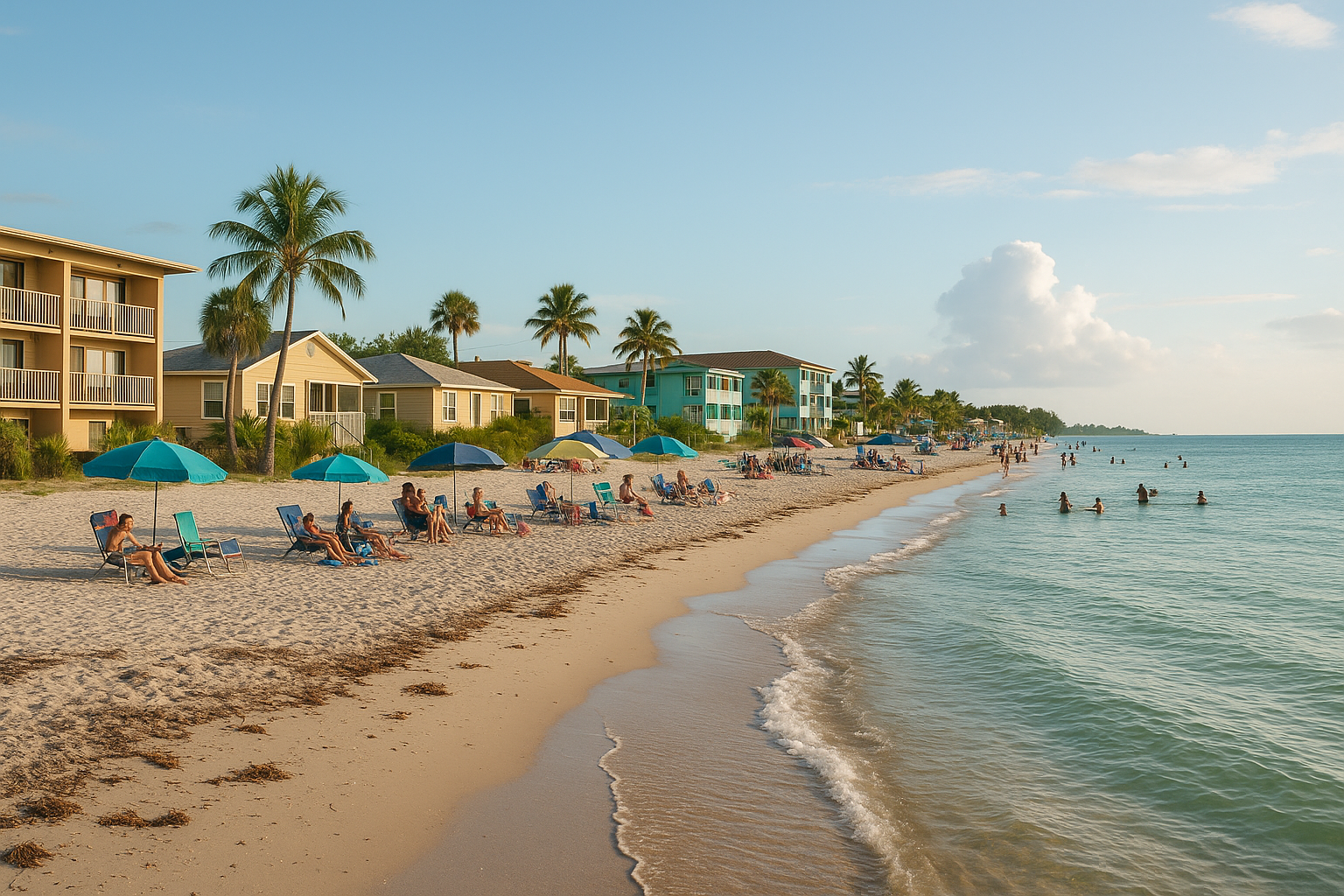
Siesta Key sits just off the coast of Sarasota, connected to the mainland by two bridges. It’s a small barrier island, but it punches well above its weight when it comes to natural beauty. The beach here is consistently ranked among the finest in the country, and for good reason — the sand is made of fine quartz crystal, which means it stays cool underfoot even in the Florida heat and has an almost powdery texture that’s genuinely unlike most beaches you’ll have visited before.
The island breaks down into a few distinct areas, and where you stay shapes the kind of trip you have. The northern end of the island, centered around Siesta Key Village, is the most lively. It’s where you’ll find restaurants, bars, boutique shops, and a relaxed but social atmosphere. This is also where several budget-friendly accommodation options cluster, including resorts like Siesta Key Beach Resort, Sea Spray Resort, and Tropical Breeze Resort — all within reach of both the village scene and the main beach.
Further south, around Crescent Beach and Turtle Beach, the atmosphere shifts. It’s quieter, more residential, and draws visitors who want to slow down rather than socialise. Turtle Beach even has a small campground, which is one of the more affordable ways to experience Siesta Key if you’re comfortable sleeping under canvas.
Timing Your Visit
Florida’s Gulf Coast follows a fairly predictable seasonal rhythm. Winter and early spring bring snowbirds — primarily older travellers escaping cold northern states — which pushes up demand and prices. Late spring, before the school holidays kick in, and the autumn months offer a more relaxed experience. Summer is hot and humid, with frequent afternoon thunderstorms, but it can also be surprisingly affordable and the water temperature is perfect.
If you’re flexible with timing, visiting just outside the peak windows gives you access to the same beaches, the same sunsets, and the same Gulf water — just with more breathing room and more options when it comes to where you stay.
Living Well on a Budget in Siesta Key
The Village area has a good range of casual dining — think fish tacos, fresh-squeezed juice, and beachside snack shacks — that won’t drain your account. Grocery stores on the mainland (a short drive or bike ride over the bridge) are significantly cheaper than anything on the island itself, so stocking up before you arrive is a straightforward way to cut costs. Many of the smaller resorts and rental properties have outdoor grills and communal spaces, which makes self-catering genuinely enjoyable rather than a chore.
The beach itself is free. That sounds obvious, but it’s worth saying — some of the most celebrated stretches of Florida coastline are public beaches with free access. Bring your own gear, find your spot, and spend the day doing exactly nothing in the best possible way.
Sanibel Island, Florida: Slow Travel at Its Best
What Sets Sanibel Apart
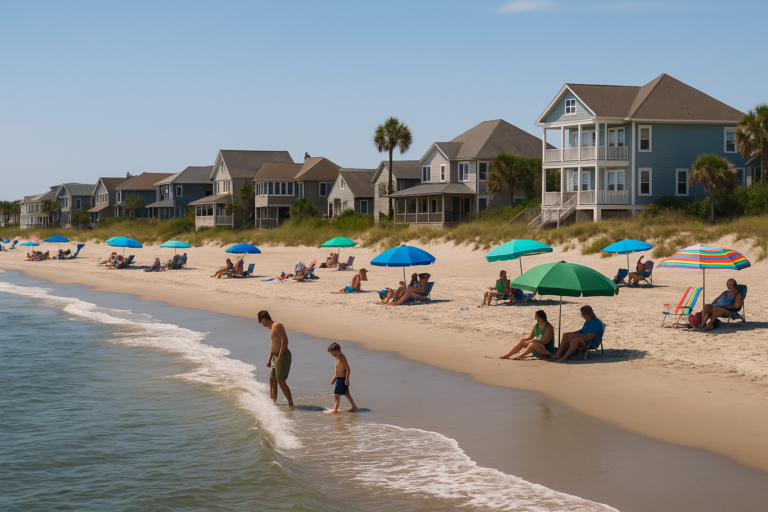
Sanibel Island, reachable via a causeway from Fort Myers on Florida’s southwest coast, has built a reputation as one of the most distinctive barrier islands on the Gulf Coast. It’s known for its exceptional shelling — the island’s east-west orientation means shells wash up in remarkable quantities — and for a commitment to low-density development that keeps the landscape feeling natural and unhurried.
The Sanibel & Captiva Islands Chamber of Commerce maintains up-to-date information on lodging specials, seasonal packages, and vacation planning resources, which is worth bookmarking as you plan your trip. The island also connects to Captiva Island at its northern end, giving you even more coastline to explore if you have the time.
Sanibel has a strong cycling culture — the island’s network of dedicated bike paths runs for miles and is one of the most pleasant ways to get around. Renting bikes for the duration of your stay and leaving the car parked is both economical and genuinely enjoyable. The pace of life here rewards that kind of slow exploration.
Budget Considerations on Sanibel
Sanibel has a reputation for being on the pricier side, and it’s fair to say that it’s not the cheapest barrier island in Florida. But that doesn’t mean it’s inaccessible on a real budget. The key is approaching it strategically. Visiting in the off-season — late summer or early autumn — opens up a wider range of accommodation at more accessible price points. Smaller motels and cottage rentals, particularly those slightly away from the beachfront, offer good value compared to the larger resort properties.
The J.N. “Ding” Darling National Wildlife Refuge covers a significant portion of the island and is free to explore on foot or by bike on certain days. It’s one of the best wildlife refuges on the East Coast, home to roseate spoonbills, alligators, ospreys, and dozens of other species. Spending a morning cycling the Wildlife Drive and watching the bird activity along the mangroves costs almost nothing and is one of those experiences that stays with you.
Making the Most of Your Time There
Sanibel rewards a slower pace. Wake up early and walk the beach before the day heats up — this is when you’ll find the best shells and have the shoreline largely to yourself. Grab breakfast from one of the local cafés. Spend the afternoon at the refuge or exploring the quieter western end of the island. Watch the sun go down from the beach with something cold in your hand. It’s not complicated. It doesn’t need to be.
Smart Strategies That Work Across All Three Destinations
Travel in the Shoulder Season
All three of these destinations have clear peak periods — summer and school holidays for Cape Cod, winter and spring for the Florida islands. Travelling just outside those windows consistently delivers a better experience at a lower cost. You’ll find accommodation easier to book, beaches less crowded, and a more genuine sense of what these places are like when they’re not performing for tourists.
Prioritise Self-Catering Accommodation
Across all three destinations, vacation rentals and properties with kitchen access offer the best combination of comfort and value. Being able to cook your own meals — especially breakfast and lunch — makes a significant difference to your overall spending. It also gives you the freedom to eat when you want, how you want, without being tied to restaurant hours or menus.
Use Free and Low-Cost Activities as Your Foundation
The best things about all three of these destinations are free: the beaches, the sunsets, the wildlife, the cycling paths, the coastal walks. Build your days around those, and treat paid experiences — a boat trip, a kayak rental, a good dinner out — as occasional highlights rather than daily expenses. That balance tends to produce the most satisfying trips.
Look Beyond the Most-Searched Options
If you’re open to staying slightly away from the most in-demand areas — a town or two further along the Cape, or on the quieter southern end of Siesta Key — you’ll generally find better availability and more interesting local character. The most-searched accommodation areas are popular for good reasons, but they’re also where competition for rooms is highest and prices reflect that.
The Bigger Picture: Why These Three Are Worth It
Budget beach towns get a bad reputation sometimes — people assume that affordable means compromised. These three destinations prove that wrong. Cape Cod offers a coastal experience that’s genuinely unlike anything else on the East Coast: dramatic scenery, distinct communities, and a sense of history that makes the landscape feel layered and interesting. Siesta Key delivers world-class beach quality with a relaxed, accessible atmosphere that suits independent travellers well. Sanibel offers something rarer still — a barrier island that has actively chosen to prioritise nature and quiet over development and noise.
None of them require a big budget to enjoy. They require a bit of planning, some flexibility on timing, and a willingness to travel the way the best trips are always made: with curiosity, without a rigid itinerary, and with your attention on what’s actually in front of you rather than what you think you’re supposed to be doing.
Your next coastal adventure doesn’t have to cost a fortune. It just has to be worth remembering — and these three destinations will make sure of that.
This article was produced with AI assistance and reviewed editorially.


Sri Lanka by Backpack: The Route, Costs, and Unmissable Stops

Uzbekistan’s Silk Road Cities: Samarkand & Bukhara in 2026


