
World Destinations
Island Showdowns: Bali vs. Lombok, Milos vs. Capri—Which Hidden Gem Fits Your Trip
Compare the world’s best islands to visit and find your perfect match. Explore Bali vs. Lombok, Milos, Capri, and hidden gems based on budget, crowds, and travel style.

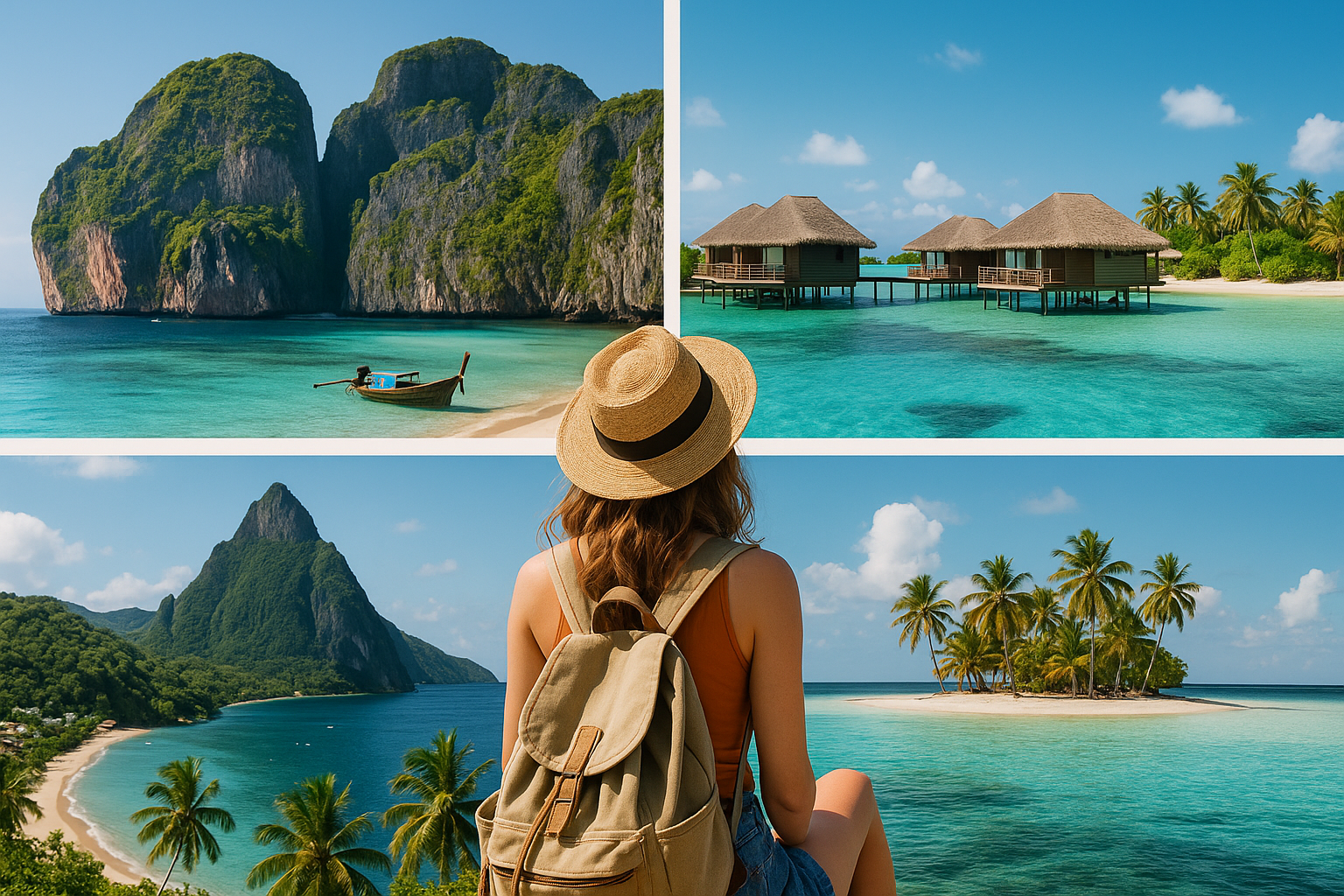
How to Choose Between the World’s Best Islands to Visit (When Every Option Looks Good)
There’s a particular kind of travel paralysis that hits when you’re staring at a map of islands. Too many options, all of them beautiful, none of them obviously wrong. If you’ve been going back and forth between Bali and Lombok, or wondering whether Milos or Capri actually fits your travel style, you’re in the right place. This guide cuts through the noise and helps you figure out which island — or island pair — actually matches what you’re looking for. Because the best islands to visit aren’t just the most famous ones. They’re the ones that fit you.
Bali vs. Lombok: Same Region, Completely Different Energy
These two Indonesian islands sit just 40 minutes apart by flight, but they feel like they belong to different chapters of the same story. Bali is the chapter everyone’s already read. Lombok is the one most people haven’t gotten to yet — and that’s exactly why it’s worth talking about.
Why Bali Still Earns Its Reputation
Let’s be honest: Bali is popular for a reason. The island has a way of pulling you in and refusing to let go. You can spend a morning watching the sun rise over rice terraces, an afternoon wandering through temple courtyards thick with incense, and an evening at one of the iconic beach clubs watching the sky turn orange over the Indian Ocean. That combination of culture, landscape, and social energy is genuinely hard to find anywhere else.
Bali is also incredibly well set up for travelers. Transport is easy to arrange, accommodation covers every budget, and you’ll find yourself surrounded by people from all over the world who are just as curious and open as you are. For first-time visitors to Southeast Asia, it’s a brilliant entry point. For experienced travelers, it still delivers — you just need to know which corners to explore.
The honest downside? Some parts of Bali feel more like a theme park than a destination. Certain areas are so saturated with tourists that the authentic texture of the place gets harder to find. That doesn’t mean it’s gone — it just means you have to be more intentional about where you go and when.
What Lombok Offers That Bali Can’t
Lombok is where you go when you want the beauty without the noise. The island is home to volcanic mountains, turquoise bays, and beaches that genuinely stop you mid-sentence. Trekking to deep waterfalls through dense forest is a real experience here — the kind where you arrive tired, muddy, and completely glad you made the effort.
The pace is slower. The crowds are thinner. And because Lombok hasn’t been as aggressively developed for tourism, there’s a rawness to it that feels increasingly rare. You’ll spend more time figuring things out, and that’s actually part of the appeal. Discovery feels earned here.
If you’re deciding between the two, think about what you actually want from your trip. If you want ease, variety, and a vibrant social scene, Bali delivers. If you want space, nature, and the feeling that you’re somewhere most people haven’t found yet, Lombok is the stronger choice. And if you have the time? Do both. The short flight between them makes it entirely possible.
For a deeper breakdown of both islands and how to plan your route, The Broke Backpacker’s Bali vs. Lombok guide is one of the most thorough resources available for budget-conscious travelers.
Milos vs. Capri: Europe’s Island Dilemma
On one side, you have Capri — glamorous, storied, and famous in the way that only Italian islands can be. On the other, Milos — a quieter corner of the Greek Cyclades that most people walk straight past on their way to Santorini or Mykonos. Both are genuinely worth visiting. But they’re not interchangeable, and choosing the wrong one for your travel style is a real risk.
Milos: The Greek Island That Doesn’t Need to Shout
Milos sits in the Cyclades, and it’s the kind of place that makes you wonder why everyone rushes to the more famous islands nearby. It’s quieter, less crowded, and in many ways more visually striking than destinations with far bigger reputations.
The most talked-about spot on the island is Sarakiniko Beach, and once you see it, you’ll understand why. The white volcanic rock formations that line the shore look like something between a moonscape and a sculpture garden. It’s one of those places that photographs can’t quite capture — you need to be standing on those rocks, with the Aegean below you, to really get it.
Firiplaka Beach offers a different kind of beauty: dramatic cliffs, clear water, and enough space to actually breathe. And then there’s Klima, a small fishing village where colorful boathouses sit right at the water’s edge, their reflections wobbling in the calm bay. It’s the kind of place that makes you slow down without even trying.
Milos rewards the traveler who’s willing to explore. Rent a scooter or a small boat, follow roads that don’t appear on every tourist map, and give yourself permission to get a little lost. The island is small enough that getting lost doesn’t actually mean much — it just means you’ll stumble across something you weren’t expecting.
The food scene is worth mentioning too. Eating in a taverna overlooking the water, ordering whatever the kitchen feels like making that day, is one of those simple travel experiences that somehow ends up being one of your best memories. Milos is full of moments like that.
If you’re weighing up the best islands to visit in Greece and you want something that hasn’t been completely overrun, Milos is a genuinely strong answer. Passport Nomads’ guide to Milos goes into useful detail on how to make the most of the island’s beaches, villages, and hidden corners.
Capri: Famous for a Reason, Worth Visiting Strategically
Capri is one of those destinations that divides opinion. Some travelers find it overpriced and overcrowded. Others think it’s one of the most beautiful places in the Mediterranean. Both groups are right, depending on when they went and how they approached it.
The island’s reputation is built on real things: dramatic limestone cliffs, clear water in shades of blue that don’t look real, and a particular kind of Italian elegance that you can’t manufacture. The problem is that these things attract enormous numbers of visitors, particularly during summer, and the experience can suffer as a result.
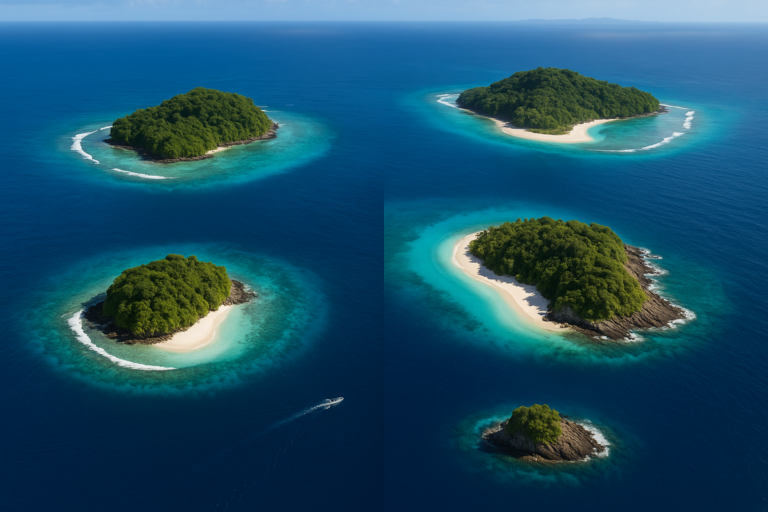
The key to Capri is timing and rhythm. Arrive early in the morning, before the day-tripper boats from Naples and the Amalfi Coast start unloading. Spend the middle of the day exploring the quieter upper parts of the island, away from the main port. Stay overnight if your budget allows — the island transforms once the day crowds leave, and you’ll see a version of Capri that most visitors never experience.
Capri is more expensive than Milos. It’s also more polished, more cosmopolitan, and carries a different kind of energy. If you’re drawn to that combination of natural beauty and Mediterranean style, it absolutely delivers. If you’d rather trade the glamour for something more raw and unhurried, Milos wins every time.
Lesser-Known Island Alternatives Worth Considering
The best islands to visit aren’t always the ones at the top of every list. Sometimes the most rewarding experiences come from choosing somewhere that isn’t already on everyone’s radar. Here are two alternatives that deserve more attention than they typically get.
The Isle of Man: An Island That Plays by Its Own Rules
The Isle of Man sits in the Irish Sea, roughly between England, Ireland, and Scotland, and it has a character that’s genuinely unlike anywhere else in the British Isles. It’s self-governing, which means it operates on its own terms — its own laws, its own currency, its own pace of life.
For travelers who enjoy coastline, countryside, and a sense of history without the crowds, the Isle of Man offers a lot. The landscape shifts dramatically as you move around the island, from rugged cliffs to green valleys to quiet beaches. It’s the kind of place that rewards slow travel — walking, cycling, and taking time to talk to people who actually live there.
The island has a strong motorsport heritage and hosts events that draw visitors from around the world, but outside of those periods it remains genuinely quiet. That quiet is the point. If you’re looking for an island experience in northern Europe that doesn’t involve fighting for a spot on the beach, the Isle of Man is worth serious consideration.
The Isles of Scilly: England’s Subtropical Secret
Most people who visit Cornwall don’t realize there’s an archipelago a short boat or helicopter ride away that looks like it belongs somewhere much further south. The Isles of Scilly are a cluster of small islands with a mild climate, clear water, and a pace of life that feels almost deliberately removed from the modern world.
There are no traffic lights. Very few cars. The kind of quiet that takes a day or two to actually settle into before you realize how much you needed it. The beaches are genuinely striking — pale sand, turquoise water — and because the islands attract a relatively small number of visitors, they never feel overwhelmed.
Each island has its own personality. Some are wilder and more exposed. Others have gardens, historic sites, and small communities that welcome visitors warmly. Getting between the islands by small boat is part of the experience — it gives you a sense of the archipelago as a whole rather than just a single destination.
The Isles of Scilly aren’t the easiest place to reach, and that’s part of what keeps them special. But for travelers who want something genuinely different from the usual European island circuit, they’re one of the most rewarding discoveries you can make.
How to Actually Choose: A Framework That Works
Comparing islands can feel overwhelming, but most decisions come down to a handful of honest questions. Answer these before you book anything:
- What do you actually want to do? If your ideal day involves trekking, swimming in natural pools, and eating at a local warung, Lombok fits better than Bali. If you want nightlife, yoga studios, and a buzzing social scene, Bali wins. Be honest with yourself about this.
- How much does crowd density affect you? If packed beaches and busy restaurants drain your energy, lean toward Milos over Capri, or Lombok over Bali. If you thrive on that kind of energy, the famous options deliver it in abundance.
- What’s your relationship with comfort and infrastructure? More famous islands tend to have better-developed tourist infrastructure. Lesser-known destinations offer more freedom but sometimes require more flexibility when things don’t go to plan.
- How long do you have? A short trip favors a single well-chosen island. A longer trip opens up the possibility of combining destinations — Bali and Lombok, or Milos with a day on a neighboring island.
- What kind of story do you want to come home with? This sounds abstract, but it matters. The traveler who spent a week on Milos talking to fishermen and watching sunsets from volcanic cliffs has a different story than the one who did beach clubs in Bali. Neither is wrong. But only one is right for you.
Getting the Most Out of Any Island You Choose
Whichever destination you land on, a few principles apply universally to island travel that’s genuinely rewarding rather than just photogenic.
Go early. Whether it’s a famous beach, a historic site, or a market, mornings are almost always better. The light is better, the crowds are thinner, and the experience feels more like discovery and less like a queue.
Stay longer than you think you need to. Islands reveal themselves slowly. The first day is orientation. The second day is exploration. By the third day, you start to find the rhythms and the hidden spots that don’t show up on any list. Give yourself that time.
Talk to people who live there. Not just other travelers — locals. Ask where they eat, what they think is overrated, what they’d show a friend visiting for the first time. You’ll get answers that no travel article can give you.
And resist the urge to optimize everything. Some of the best island experiences happen when you miss the boat you were planning to take, or when you follow a path that isn’t on the map, or when you sit somewhere beautiful for longer than you intended because leaving feels wrong. That kind of spontaneity is what islands are actually for.
The Bottom Line on Finding Your Perfect Island
The best islands to visit are the ones that match who you are as a traveler right now — not who you think you should be, and not the ones getting the most attention on social media this season. Bali and Capri are famous because they’re genuinely extraordinary. Lombok and Milos are quieter because they haven’t been fully discovered yet — and that window won’t stay open forever. The Isle of Man and the Isles of Scilly offer something rarer still: the feeling that you’ve found somewhere most people don’t know to look. Whichever island you choose, go with curiosity, stay open to surprise, and remember that the best experiences rarely happen on the itinerary. They happen in the gaps.
This article was produced with AI assistance and reviewed editorially.


New Zealand’s Geothermal Wonders: Rotorua & Where to Stay for Adventure & Maori Culture

Adventure Beyond the Beach: Things to Do in Jeju, South Korea & Tayrona Park, Colombia


