
Tips & Tricks
Budget Travel Hacks That Actually Work (Without Feeling Broke the Whole Time)
Discover practical budget travel tips that actually work — from saving on flights and accommodation to eating well and managing money on the road. Travel more, spend smarter.

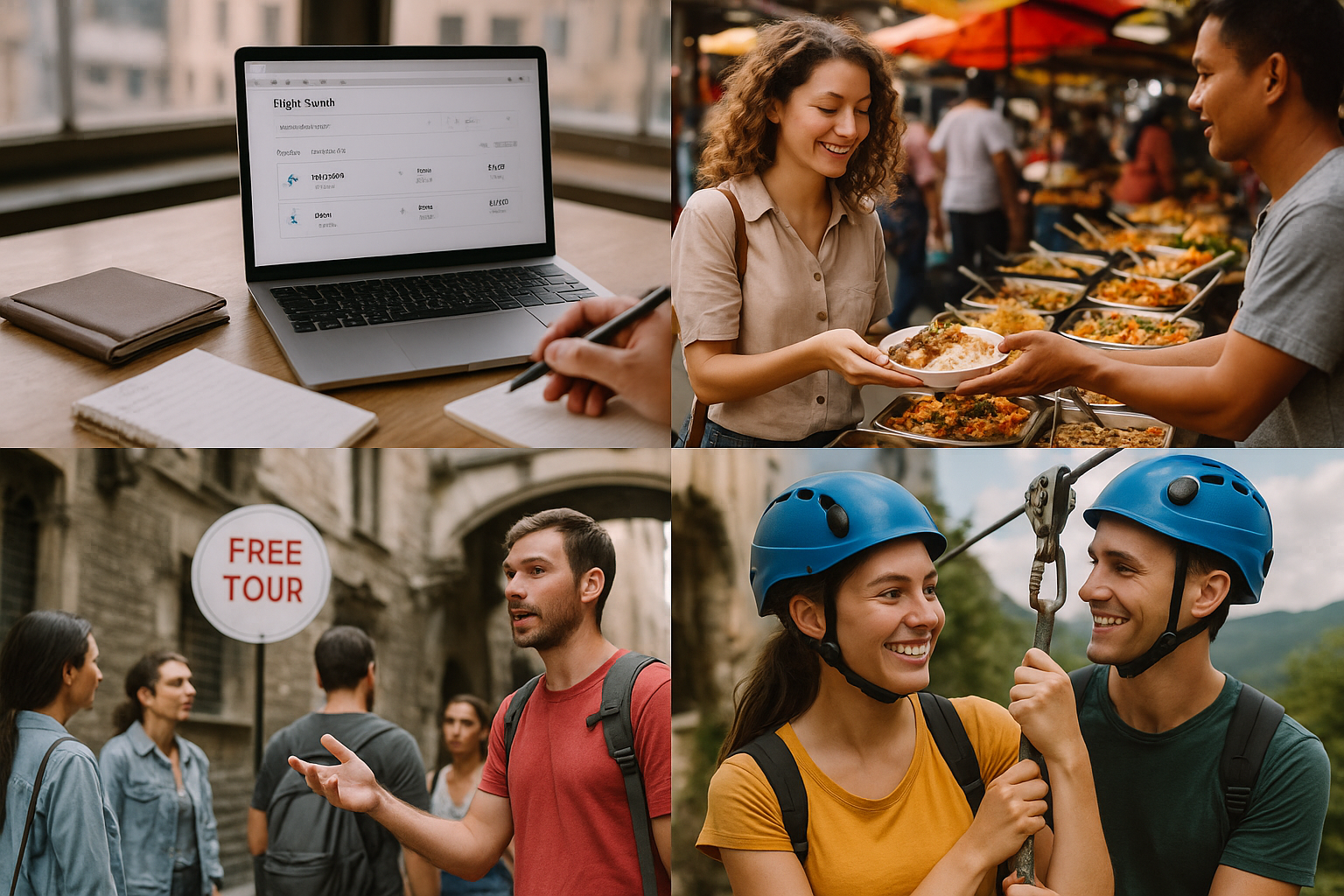
Budget Travel Tips That Actually Work (Without Feeling Broke the Whole Time)
Budget travel tips get thrown around everywhere, but most of them either state the obvious or push you toward experiences that feel more like survival than adventure. The truth? Smart budget travel isn’t about suffering through bad hostels or surviving on gas station snacks — it’s about spending smarter so you can experience more. There’s a real difference between being cheap and being value-conscious, and once you understand that distinction, the whole game changes. You stop counting every cent and start making deliberate choices about where your money actually matters.
Whether you’re planning your first solo trip or your tenth, these budget travel tips will help you stretch every dollar without sacrificing the experiences that made you want to travel in the first place. From booking flights at the right moment to eating like a local and finding free things to do that are genuinely worth your time — this is the practical, no-fluff guide you actually need.
Plan Ahead: The Foundation of Budget Travel
The single biggest factor separating travelers who blow their budget from those who don’t? Planning. Not rigid, minute-by-minute itineraries — just enough structure to avoid expensive last-minute decisions. Knowing roughly where you’ll sleep, how you’ll get around, and what things cost in your destination before you arrive puts you in control from day one.
Research the local currency, typical meal prices, and transport options. Set a daily spending target and track it loosely. You don’t need a spreadsheet — even a quick note on your phone at the end of each day keeps you aware without killing the spontaneity.
Build a Realistic Travel Budget Before You Leave
One of the most overlooked budget travel tips is simply knowing your numbers before you go. Look up average daily costs for your destination — accommodation, meals, local transport, and entry fees to attractions. Add a 15–20% buffer for unexpected expenses. That buffer isn’t pessimism; it’s the thing that stops one surprise from derailing your whole trip.
Destinations vary wildly. Southeast Asia, Eastern Europe, and Central America are genuinely affordable — many travelers explore comfortably on $35–55 a day. Western Europe, Japan, and Australia sit higher, with $70–100 a day being a realistic baseline for budget travelers. Build your plan around real local prices, not wishful thinking.
Choose Your Destination Strategically
One of the most powerful budget travel tips that rarely gets enough attention: pick your destination with cost in mind from the very start. The same travel style that costs you $40 a day in Vietnam could cost $120 a day in Scandinavia. That’s not a reason to avoid expensive destinations forever — it’s a reason to be intentional about when and how you visit them.
If your budget is tight, lean into regions where your money stretches furthest. Eastern Europe, Southeast Asia, Central America, and the Caucasus are all rich in culture, adventure, and authentic experiences — and genuinely affordable. Traveling during shoulder season in any destination also makes a noticeable difference. You get better prices, thinner crowds, and often a more local atmosphere.
Travel Slow to Spend Less
Here’s a budget travel tip that doesn’t get nearly enough credit: slow down. The more places you try to cram into a single trip, the more you spend on transport, rushed accommodation bookings, and tourist-trap meals grabbed between connections. Staying somewhere for a week instead of two nights changes everything. You find the good coffee shop around the corner. You discover which market has the best prices. You stop paying the “new arrival” tax that catches every traveler in their first day somewhere new.
Slow travel isn’t just cheaper — it’s a richer, more connected way to explore. You stop ticking boxes and start actually living somewhere, even briefly. That’s when the real memories get made.
How to Save Money on Flights
Flights are usually the biggest expense, so this is where small decisions create the biggest impact. The most consistent advice from experienced travelers? Be flexible — with your dates, your destination, and even your departure airport.
Tools like Google Flights let you explore entire months at a glance, showing you which days are cheapest. That midweek flight on a Tuesday or Wednesday? Often significantly cheaper than the Friday evening rush. If you can leave a day earlier or later, you’ll frequently save enough to cover a few nights of accommodation.
- Set fare alerts for routes you’re watching — prices shift constantly.
- Check nearby airports. Flying into a secondary city and taking a train can be cheaper overall.
- Travel during shoulder season — the weeks just before or after peak tourist periods. The weather is still good, the crowds are thinner, and prices drop noticeably.
- Consider layovers as mini-adventures rather than inconveniences. A long layover in a city you’ve never visited? That’s a free bonus stop.
Booking too early or too late can both cost you. The sweet spot for most international flights tends to be one to three months in advance, though regional routes vary. Stay curious, keep checking, and don’t panic-book.
Watch Out for Budget Airline Hidden Fees
Low-cost carriers can be a genuine bargain — or a trap. Before you celebrate that cheap fare, check what’s included. Baggage fees, seat selection charges, and airport check-in fees can quietly double the price of a ticket. Read the fine print, travel light if you can, and factor in the full cost before you compare options.
Use Points and Travel Rewards Wisely
If you’re not already thinking about travel rewards, now’s a good time to start. Many credit cards and airline loyalty programs let you accumulate points on everyday spending and redeem them for flights or upgrades. You don’t need to be a points obsessive — even a basic awareness of which card to use for which purchase can shave a meaningful amount off your annual travel costs. Just make sure you’re not spending more than you would otherwise just to chase points. The goal is smarter spending, not more of it.
Save on Accommodation Without Compromising Your Experience
Where you sleep matters — but not always in the way you’d expect. A well-located mid-range hostel in the heart of the city will often serve you better than a cheap private room an hour from everything you want to see. Factor in transport costs and time when you’re comparing prices.
👉 Read also: How to Actually Fund a Year of Travel: Real Jobs, Real Numbers, Real Stories
Hostels: More Than Just a Cheap Bed
Hostels have evolved. Many now offer private rooms alongside dorms, solid Wi-Fi, communal kitchens, and social spaces where you’ll genuinely meet people. Look for hostels with strong recent reviews, a social atmosphere, and a central location. The slightly pricier hostel in a great neighborhood almost always beats the bargain one that’s far from everything.
Alternative Accommodation Worth Exploring
- Couchsurfing: Stay with locals for free and get an insider’s perspective on the city. It’s one of the most authentic budget travel experiences out there.
- House-sitting: Platforms like TrustedHousesitters connect travelers with homeowners who need someone to look after their place. Free accommodation in exchange for a little responsibility.
- Work exchanges: Platforms like Worldpackers let you trade a few hours of work per day for a bed, meals, and real community connections.
- Booking directly: Many guesthouses and small hotels offer better rates when you contact them directly rather than through booking platforms.
Book Accommodation Flexibly When You Can
Locking in every night before you leave home sounds safe, but it can actually cost you more. Once you’re on the ground, you’ll hear about better places from other travelers, discover a neighborhood you’d rather be based in, or decide to stay longer somewhere you love. Where your plans allow, book your first night or two in advance and leave the rest open. Last-minute deals at hostels and guesthouses are real — especially outside peak season.
Get Around for Less: Budget Transport Tips
Transport costs add up fast if you’re not paying attention. The good news is that getting around cheaply is one of the easiest places to save without giving anything up.
- Use public transport like a local. Buses, metros, and trams are almost always cheaper than taxis or rideshares — and often faster during peak hours.
- Walk whenever you can. Beyond saving money, walking is how you stumble onto hidden gems — the bakery tucked down a side street, the mural you’d never have found on a map.
- Look into travel passes. Many cities offer day or multi-day transport passes that pay for themselves quickly if you’re moving around a lot.
- Consider overnight trains or buses. You travel while you sleep, saving both a night’s accommodation and a day of transport costs. Just make sure you’re comfortable enough to actually rest.
- Rent a bike. In many cities, bike-sharing schemes are cheap, practical, and a genuinely fun way to explore.
Eat Well Without Overpaying
Food is one of the most enjoyable parts of travel — and one of the easiest places to either waste money or discover something genuinely memorable. The rule is simple: go where the locals go.
Tourist restaurants near major landmarks charge a premium for convenience and atmosphere. Walk a few streets away, find a place with handwritten menus and regulars eating lunch, and you’ll often pay half the price for food that’s twice as good. Local markets are another brilliant option — fresh produce, regional specialties, and a real sense of how people in that city actually live.
Street food gets an unfairly bad reputation. In most parts of the world, street food is where the real culinary culture lives. Look for stalls with high turnover, fresh ingredients being prepared in front of you, and a queue of local customers. Those are your quality indicators.
If you’re staying somewhere with a kitchen — a hostel common room or an Airbnb — cooking a few meals yourself can free up budget for the dining experiences that genuinely matter. You don’t need to cook every meal. Just the ones where eating out wouldn’t add much to your experience.
The Lunch Trick That Saves You Money Every Day
In many countries, restaurants offer a set lunch menu — a two or three-course meal at a fraction of the dinner price. Same kitchen, same quality, significantly less cost. Make lunch your main meal, grab something light in the evening, and you’ll eat well without the bill that comes with a full sit-down dinner every night.
Stay Hydrated Without the Markup
Buying bottled water every day adds up more than you’d think — and creates unnecessary plastic waste. Carry a reusable water bottle and refill it wherever it’s safe to drink from the tap. In destinations where tap water isn’t safe, look for filtered water stations, which are common in many hostels and guesthouses across Southeast Asia and Latin America. A small water purification tablet or filter bottle is worth the investment for longer trips.
Free Activities That Are Actually Worth Your Time
Some of the most memorable travel experiences cost nothing. The challenge is knowing how to find them and how to make the most of them.
Free walking tours exist in almost every major city, and they’re genuinely excellent — not just a budget compromise. These tours are typically tip-based, led by passionate local guides who know their city inside out. You’ll hear stories that don’t appear in any guidebook. Come prepared with good questions, engage with your guide, and tip generously if the tour was worth it. It supports local guides and keeps the model sustainable.
Many world-class museums offer free entry on specific days or evenings. The Smithsonian Magazine’s guide to free museums worldwide is a useful starting point, but always check local museum websites directly — policies change seasonally. Beyond museums, natural attractions, public parks, historic neighborhoods, and local festivals often require nothing more than your presence and curiosity.
- Research free museum days before you arrive — plan your schedule around them.
- Look for community events: outdoor concerts, markets, cultural festivals.
- Explore on foot. Some of the best discoveries happen when you’re not following a map.
- Ask hostel staff or locals for their genuine recommendations — not the tourist trail.
Manage Your Money Smarter While Traveling
How you handle money on the road can save — or cost — you a surprising amount. A few simple habits make a real difference.
Use a Travel-Friendly Bank Card
Many traditional bank cards charge foreign transaction fees and poor exchange rates on every purchase. Travel-focused cards and accounts — like Wise, Revolut, or Charles Schwab (depending on where you’re from) — let you spend in local currencies at real exchange rates with minimal or no fees. Setting one up before you leave is one of the highest-return budget travel tips out there.
Withdraw Cash Strategically
In many destinations, cash is still king — especially at local markets, street food stalls, and smaller guesthouses. Withdraw larger amounts less frequently to minimize ATM fees, and always use bank ATMs over standalone machines in tourist areas, which often charge higher fees and offer worse rates.
Track Your Spending (Loosely)
You don’t need to obsess over every purchase, but a rough daily check-in keeps you aware. Apps like Trail Wallet or even a simple notes app work fine. Knowing you’ve already spent more than planned on one day helps you make smarter choices the next.
Pack Smart to Save Money on the Road
Packing might not be the first thing you think of when it comes to budget travel tips — but what you bring (and what you don’t) has a direct impact on your costs. Overpacking leads to checked baggage fees, heavier loads, and the temptation to leave things behind and rebuy them later.
👉 Read also: The 10 Best Budget Destinations for Young Travelers in 2026
Travel with a carry-on if you can. It keeps you mobile, saves you money on budget airlines, and means you’re never waiting at a baggage carousel. Pack versatile layers, a reusable water bottle, a basic first-aid kit, and a universal power adapter. These small investments before you leave save you from overpriced convenience purchases on the road.
A good quality daypack is worth every cent. It carries your essentials during the day, doubles as hand luggage, and keeps you from paying locker fees or leaving valuables unattended.
Know Where to Splurge (This Is the Part People Get Wrong)
Being budget-conscious doesn’t mean choosing the cheapest option every single time. That mindset actually costs you more in the long run — in money, comfort, and missed experiences.
Spending a little more on accommodation in a well-located neighborhood saves you money on transport and gives you back hours of your day. A slightly better hostel with a social atmosphere can lead to friendships, shared adventures, and travel companions you wouldn’t have found otherwise. That’s not a luxury — that’s good value.
The same logic applies to experiences. If there’s something you’ve genuinely been looking forward to — a cooking class, a guided hike, a boat trip at sunrise — don’t skip it to save thirty euros. These are the moments you’ll still be talking about years later. Cut costs on the things that don’t matter to you, and invest in the things that do.
Avoid what experienced travelers call “false economy” — booking the cheapest possible option only to spend more fixing the consequences. The overnight bus that saves you a hotel night but leaves you exhausted for two days. The no-name airline with hidden fees that ends up costing more than the original flight you passed on. Sometimes the slightly more expensive choice is genuinely the smarter one.
Budget Travel Tips for Staying Safe Without Spending More
Safety and budget travel aren’t at odds — but a few smart habits protect both your wellbeing and your wallet. Losing a passport, a phone, or a bank card abroad is expensive and stressful. A little preparation goes a long way.
- Get travel insurance. It’s one of the few things you should never skip to save money. A single medical emergency or cancelled flight without coverage can cost more than your entire trip. Compare policies and find one that covers the activities you’re planning — hiking, diving, or winter sports often need specific add-ons.
- Keep digital copies of your documents. Store photos of your passport, visa, and insurance policy in a secure cloud folder. If anything goes missing, you’ll thank yourself.
- Use a money belt or hidden pouch in crowded areas. Pickpocketing is rare but real in busy tourist spots. Don’t make yourself an easy target.
- Have a backup card. Keep a second debit or credit card stored separately from your main wallet. If one gets lost or blocked, you’ll have an immediate fallback without scrambling for an emergency transfer.
Budget Travel Tips for First-Time Solo Travelers
If this is your first time traveling solo on a tight budget, the whole thing can feel a little overwhelming. It doesn’t need to be. A few extra habits specific to solo travel make the experience smoother — and cheaper.
Hostels are your best friend, and not just for the price. The communal atmosphere means you’re rarely actually alone. You’ll meet people at breakfast, on free walking tours, or in the common room who are heading in the same direction — and splitting costs on day trips, taxis, or shared Airbnbs suddenly becomes an option. Solo doesn’t have to mean solitary.
Join online communities before you go. Travel forums, destination-specific Facebook groups, and apps like Meetup connect you with other travelers and locals who can point you toward the best affordable spots, warn you about tourist traps, and sometimes become genuine travel companions. The community is out there — you just have to tap into it.
Finally, trust your instincts. Solo budget travel sharpens your decision-making fast. You’ll quickly learn which shortcuts are worth taking and which ones cost you more in the end. Every trip teaches you something new about how to do it better next time.
Frequently Asked Questions About Budget Travel
How much money do I actually need to travel on a budget?
It depends entirely on where you’re going. In affordable regions like Southeast Asia or Central America, $35–55 a day covers accommodation, food, local transport, and a few activities. In Western Europe or Japan, budget for $70–100 a day as a realistic minimum. Research your specific destination before you set a number — and always add a buffer for unexpected costs.
What’s the single most effective budget travel tip?
Flexibility. Being open with your travel dates, destination, and plans unlocks the best deals on flights, accommodation, and experiences. Rigid itineraries are expensive. A little spontaneity saves you more than almost any other strategy.
Is budget travel safe?
Absolutely — with the right preparation. Get travel insurance, keep digital copies of your documents, carry a backup payment card, and stay aware of your surroundings. Budget travel doesn’t mean cutting corners on safety. It means being smart about where you spend and where you don’t.
How do I save money on food while traveling?
Eat where the locals eat. Markets, street food stalls, and neighborhood restaurants away from tourist areas offer better food at a fraction of the price. Use the set lunch trick — a full meal at lunch costs significantly less than the same dish at dinner. And if you have access to a kitchen, cook a few meals yourself to free up budget for the dining experiences that genuinely matter.
Should I book everything in advance or stay flexible?
A mix of both works best. Book your first night or two and any major transport in advance to avoid scrambling on arrival. Leave the rest open where you can — last-minute deals are real, and the freedom to change plans is one of the best parts of budget travel.
What are the best destinations for budget travelers right now?
Southeast Asia (Vietnam, Thailand, Cambodia), Eastern Europe (Georgia, Albania, North Macedonia), Central America (Guatemala, Nicaragua), and South America (Colombia, Bolivia, Peru) consistently offer incredible experiences at genuinely low daily costs. These regions reward curious, adventurous travelers who want authentic connections over polished tourist trails.
This article was produced with AI assistance and reviewed editorially.


City Guides for Young Travelers: Buenos Aires, Quito, and Trujillo (Culture, Food & Adventure)

Where to Stay in Southern Africa: Botswana, Namibia & Madagascar for First-Time Visitors


