
Tips & Tricks
The Best Travel Backpacks for 2026: Tortuga Pro Review & Buyer’s Guide
Find the best travel backpacks for 2026 with our comprehensive guide featuring the Tortuga Pro V2 and top options by travel style, capacity, and budget.

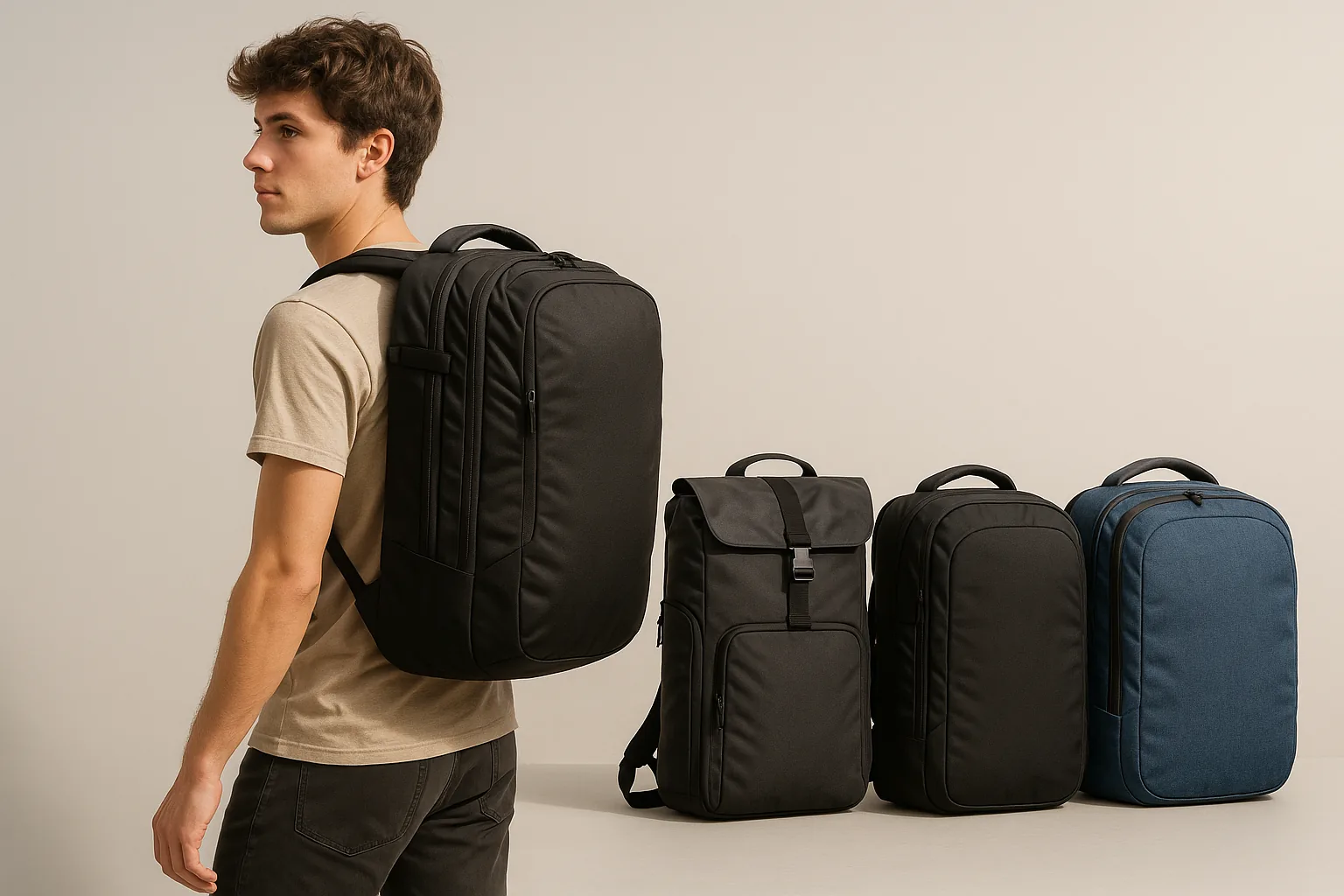
How to Choose the Best Travel Backpacks in 2026
You’ve got a one-way ticket, a rough itinerary, and about three weeks before you need to pack your entire life into a single bag. The pressure is real. Choosing from the best travel backpacks on the market right now isn’t just about picking something that looks good on Instagram — it’s about finding a pack that works as hard as you do, fits overhead bins without a fight, and carries your world comfortably from hostel to hostel, city to city, and continent to continent. This guide breaks it all down: what to look for, which backpacks stand out in 2026, and how to match the right pack to your specific style of travel.
Why Your Backpack Choice Actually Matters
It sounds obvious, but the wrong backpack can genuinely ruin a trip. Too big, and you’ll be checking it at every airport, paying fees, and dragging it through cobblestone streets while everyone else breezes through. Too small, and you’re doing laundry every two days in a sink that barely works. Too uncomfortable, and every transfer becomes something you dread.
The best travel backpacks hit a sweet spot: they’re carry-on compliant, organized enough to keep you sane, and comfortable enough to wear for long stretches. They’re built for people who want to move freely — not people who want to haul luggage.
For young travelers especially, the backpack is more than gear. It’s a philosophy. It says you’re not over-packing, not over-planning, and not letting logistics get in the way of the experience. Getting this choice right sets the tone for everything that follows.
Backpack Sizes and Capacity: What You Actually Need
Before you fall in love with any specific pack, you need to know your size. Capacity is measured in liters, and the range that makes sense for most travelers sits between 30L and 45L. Here’s a rough breakdown:
- 30–35L: Ideal for weekend trips, minimalist travelers, or anyone committed to packing light. These packs are almost universally carry-on compliant and feel effortless to move around with.
- 35–40L: The sweet spot for most travelers. You can fit two to three weeks of clothes, your tech gear, and everyday essentials without going overboard. Most major airlines accept these as carry-on luggage.
- 40–45L: Better for longer trips, adventure travel, or anyone who needs to carry extra gear — think hiking layers, camera equipment, or a laptop plus accessories. Some airlines may ask you to check these, depending on the carrier and the pack’s dimensions.
If you’re planning a trip longer than a month, or you’re heading somewhere with unpredictable weather that demands bulkier clothing, a 45L pack makes sense. For everything else, 35–40L is the range to target. The goal is always to carry less than you think you need — you’ll thank yourself the moment you’re sprinting through a train station.
The Tortuga Pro Backpack 40L: A Closer Look
The Tortuga Pro Backpack 40L has earned a strong reputation among dedicated single-bag travelers, and it’s not hard to see why. Wirecutter, one of the most trusted gear review platforms around, recommends it specifically as the best backpack for travelers who are committed to the one-bag lifestyle — people who refuse to check luggage no matter how long the trip.
Priced at $350, the Tortuga Pro sits at the premium end of the market. That’s not a small investment, especially if you’re traveling on a student budget. But the case for spending more on a backpack you’ll use for years — rather than replacing a cheap one every trip — is genuinely compelling. Think of it as cost-per-adventure rather than sticker price.
What makes the Tortuga Pro stand out? It’s designed from the ground up for travel rather than hiking or commuting. That means a clamshell opening that lets you pack and unpack like a suitcase, a dedicated laptop compartment, a padded hip belt for load distribution on longer walks, and a lockable zipper system for security in busy areas. The harness system is built to disappear against your back — meaning you can wear it through an airport, onto a bus, and around a new city without feeling like you’re hauling a boulder.
At 40L, it also hits that ideal carry-on capacity. You’re not sacrificing space for convenience — you’re getting both. For anyone serious about one-bag travel, the Tortuga Pro is one of the best travel backpacks you can invest in right now.
You can explore the full specs directly on the Tortuga website.
👉 Read also: Travel Gear for Young Backpackers: The 2026 Backpack Buyer's Guide and Top Reviews
Other Top Travel Backpacks Worth Knowing About
The Tortuga Pro is excellent, but it’s not the only pack worth your attention. Depending on your travel style, budget, and priorities, several other backpacks have earned genuine praise from experienced travelers and rigorous reviewers alike.
Cotopaxi Allpa 35L: Best Small Carry-On for Most Travelers
The Cotopaxi Allpa 35L is Wirecutter’s pick for the best small carry-on travel backpack for most situations. At 35L, it’s compact enough to slide under the seat in front of you on budget airlines — a genuine advantage if you travel frequently and want to avoid any gate-check drama. It’s also built with Cotopaxi’s signature colorful aesthetic, which means it’s easy to spot on a luggage carousel if you ever do check it.
The Allpa’s organizational layout is thoughtful: multiple compartments, external water bottle pockets, and a layout that makes sense for both short city breaks and longer journeys. If you tend to pack light and move fast, this is the pack for you.
Peak Design Travel Backpack 45L: Best Large Carry-On
For travelers who need more room — photographers, those on extended trips, or anyone who simply can’t leave the extra layer at home — the Peak Design Travel Backpack 45L is Wirecutter’s top recommendation for the best large carry-on travel backpack. Peak Design is known for building gear that’s both functional and beautifully designed, and this pack is no exception.
It expands and compresses depending on how much you’re carrying, which gives you flexibility across different types of trips. The internal organization is exceptional, particularly for anyone carrying camera gear or tech accessories. It’s a premium product at a premium price, but the craftsmanship justifies the investment for frequent travelers.
Osprey Farpoint 40 and Fairview 40: Best for Long Journeys on Foot
If your trip involves serious time on your feet — multi-day hikes, long overland routes, or destinations where you’ll be walking for hours with everything on your back — the Osprey Farpoint 40 (for men) and Fairview 40 (for women) are the packs to consider. Wirecutter recommends them specifically for long journeys on foot, and Osprey’s reputation for comfort and durability is well-established in the travel community.
These packs prioritize back support and load distribution in a way that pure travel packs sometimes don’t. The suspension system is designed to move with your body rather than against it. If your adventure involves more trail than terminal, Osprey delivers.
Patagonia Black Hole MLC 45L: Best for Working Travelers
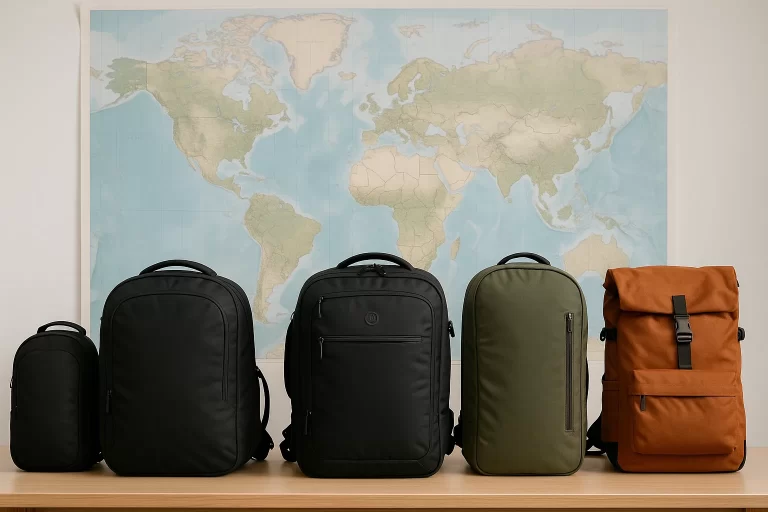
The Patagonia Black Hole MLC 45L is Wirecutter’s pick for the best backpack for working out of — meaning it’s built for digital nomads, remote workers, and anyone who needs to carry a full laptop setup alongside their travel gear. Patagonia’s commitment to durable, sustainable materials also makes this a pack you can feel good about owning.
The MLC (Maximum Legal Carry-on) name tells you everything about its design intent: it’s engineered to be as large as possible while still fitting airline overhead bins. The organization is excellent for work gear, with a dedicated tech compartment and easy access to your most-used items.
Choosing by Travel Style
The right backpack isn’t universal — it depends entirely on how you travel. Here’s a practical breakdown by travel style:
Budget Backpackers
You’re moving frequently, staying in hostels, and watching every expense. You need a pack that’s durable enough to handle rough treatment, organized enough to find things quickly, and sized to avoid checked baggage fees. The Cotopaxi Allpa 35L or the Osprey Farpoint 40 both deliver solid performance without the ultra-premium price tag of some competitors. Look for packs with lockable zippers, a rain cover, and a layout that keeps your valuables accessible.
👉 Read also: Travel Gear for Young Adventurers: The Best Backpacks Tested in 2026
Adventure Travelers
If your trip involves hiking, camping, or any serious outdoor activity alongside city exploration, you need a pack that can handle both worlds. The Osprey range is purpose-built for this. Look for reinforced base panels, a hip belt that actually transfers weight to your hips, and weather-resistant materials. A 40–45L capacity gives you room for technical layers and gear without going full expedition mode.
One-Bag Minimalists
You’ve committed to the philosophy: one bag, no compromises, no checked luggage ever. The Tortuga Pro 40L was designed for you. So was the Peak Design 45L if you need the extra space. Focus on packs with a clamshell opening (so you can pack and unpack without destroying your organization), a laptop compartment that meets TSA requirements, and a carry-on size that works across both full-service and budget airlines.
Digital Nomads and Working Travelers
Your laptop is your livelihood, and your pack needs to protect it. The Patagonia Black Hole MLC 45L is the standout here, but the Peak Design 45L is also excellent for anyone carrying camera gear or multiple devices. Look for padded laptop sleeves, cable management, and enough organizational depth to separate work gear from personal items.
Features to Look For Before You Buy
Regardless of which pack you’re considering, there are a handful of features that separate genuinely great travel backpacks from ones that look good in photos but frustrate you in practice:
- Clamshell opening: Opens flat like a suitcase, making packing and security checks far easier than top-loading designs.
- Hip belt and sternum strap: Essential for comfort when you’re carrying a full load. Even on a travel pack, these make a significant difference on long walking days.
- Laptop compartment: Should be padded, accessible from the outside, and positioned to pass through airport security without unpacking your entire bag.
- Lockable zippers: A small security feature that matters in crowded markets, busy transit hubs, and overnight buses.
- Weather resistance: Look for water-resistant materials or an included rain cover, especially if you’re heading somewhere unpredictable.
- Carry-on compliance: Check the dimensions against the airlines you fly most frequently. This is non-negotiable if you want to avoid checked baggage fees.
- Hidden back panel access: Some packs keep the main compartment accessible only through a panel against your back — a smart anti-theft design for crowded destinations.
Where to Research Before You Decide
Buying a travel backpack is a real investment, and it’s worth doing your homework before committing. Several trusted sources publish thorough, hands-on reviews that go well beyond marketing copy.
Outdoor Gear Lab tests backpacks across travel, commuting, and everyday use scenarios, with their guide updated as recently as August 2026. Their methodology is rigorous and their recommendations are genuinely useful for anyone who wants detailed, comparative analysis across multiple products.
Pack Hacker, Indie Traveller, and Gear Junkie all publish regularly updated guides that cover a wide range of packs across different budgets and travel styles. YouTube channels like Away Together have also done detailed side-by-side comparisons of top-rated packs in the 35L–45L range, which can give you a visual sense of how different packs look and function in real use.
Reading across multiple sources — rather than relying on a single review — gives you a much clearer picture of which packs consistently perform well and which ones have recurring issues that reviewers keep flagging.
A Note on Price and Value
The best travel backpacks span a wide price range, and the most expensive option isn’t always the right one for your situation. A $350 pack like the Tortuga Pro makes sense if you’re a frequent traveler who will use it for years. A more affordable option makes equal sense if you’re taking your first big trip and want to figure out your packing style before committing to premium gear.
What matters most is matching the pack to your actual travel habits — not aspirational ones. If you know you’ll always check a bag, a heavy-duty carry-on backpack is overkill. If you’re genuinely committed to traveling light and moving fast, investing in a quality pack pays off quickly in saved baggage fees, faster airport experiences, and the simple freedom of arriving somewhere with everything you need on your back.
The Right Pack Changes Everything
There’s a particular feeling when you find the right backpack. You zip it up, throw it on, adjust the straps, and suddenly the trip feels real. You’re not just thinking about traveling — you’re ready to go. That’s what the right pack does: it removes friction and adds freedom. It turns a list of destinations into a genuine adventure waiting to happen.
Whether you go for the Tortuga Pro’s one-bag mastery, the Cotopaxi Allpa’s lightweight agility, the Osprey’s trail-ready comfort, or the Peak Design’s creative versatility, the best travel backpacks in 2026 are genuinely impressive pieces of gear. Take your time, do your research, and choose the one that fits the traveler you actually are — not just the traveler you imagine being. Then pack it up, head out the door, and go collect some stories worth telling.
This article was produced with AI assistance and reviewed editorially.


Hiking Kamikochi: Your Guide to Japan’s Most Stunning Alpine Adventure

First Time in Japan: What Actually Happens When You Get There


