
Argentina
Buenos Aires and Capri: Navigating Iconic Destinations Without the Crowds
Experience Buenos Aires and Capri without overwhelming tourist crowds. Discover neighborhood secrets, timing strategies, and authentic local experiences in 2026.

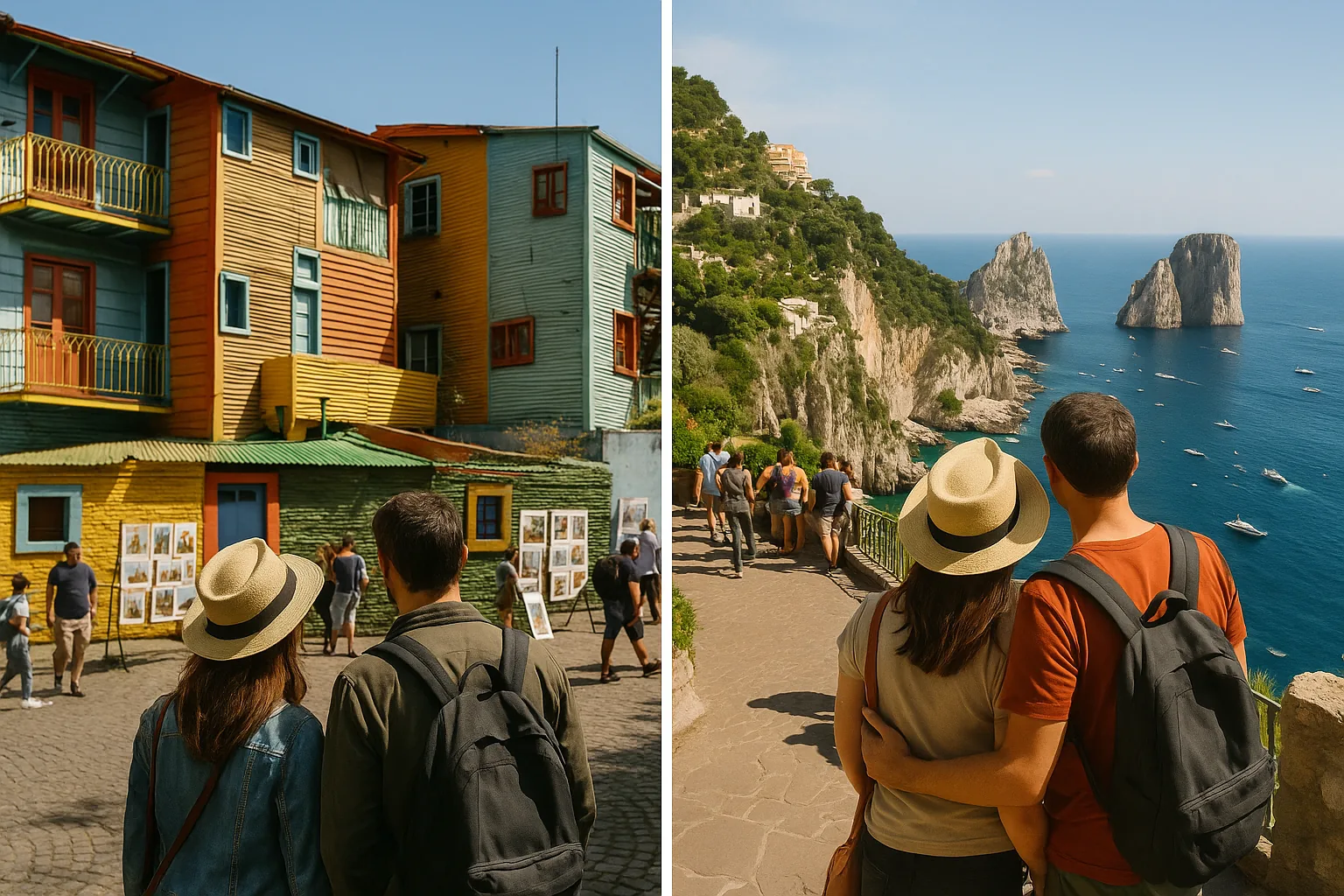
Some destinations earn their fame honestly — and Buenos Aires and Capri are two of the best examples. One is a sprawling South American capital where passion runs through the streets like electricity; the other is a sun-drenched Mediterranean island that looks like it was painted by hand. Both are genuinely worth the journey. But both also attract enormous numbers of visitors, and without a plan, the experience can tip from magical to overwhelming fast. If you’re serious about avoiding crowds at travel destinations like these, the good news is that it’s completely doable — it just takes a little strategy, a willingness to adjust your schedule, and the curiosity to look beyond the obvious spots.
Why Buenos Aires Rewards the Curious Traveler
Buenos Aires is one of those cities that reveals itself slowly. The first layer is all grand boulevards and European-style architecture. But dig a little deeper and you find something far more alive — a city built on contradictions, full of neighborhoods that each feel like their own world. The key to experiencing it without feeling like you’re just ticking off tourist stops is to slow down and pick your moments.
The city is large enough that crowds rarely feel suffocating the way they do on a small island. But certain spots — particularly on weekends and during summer months in the Southern Hemisphere — can get genuinely packed. The trick is to move like a local: late mornings, long lunches, and evenings that stretch well past midnight.
Exploring the Neighborhoods: Palermo, San Telmo, and La Boca
Palermo is the neighborhood most travelers end up gravitating toward, and for good reason. It’s green, walkable, and full of independent restaurants, coffee shops, and boutiques. But it’s also split into several sub-neighborhoods — Palermo Soho, Palermo Hollywood, and the quieter edges near the parks — and knowing which pocket you’re in makes a real difference. The further you drift from the main commercial strips, the more the city opens up. You’ll find locals sitting on their doorsteps, small bakeries without a sign in English, and parks where families spend entire Sunday afternoons doing absolutely nothing in the best possible way.
San Telmo is older and grittier, with cobblestone streets and colonial buildings that have seen better centuries. It’s the neighborhood most associated with tango culture, and on weekends the outdoor market draws a mix of antique hunters, artists, and tourists. If you want to see it at its most authentic, visit on a weekday morning. The market stalls are quieter, the café owners have time to talk, and the whole place feels less like a performance and more like a real neighborhood living its life.
La Boca is the one spot in Buenos Aires where you genuinely need to be strategic. The famous Caminito street — with its brightly colored corrugated iron houses and street tango dancers — is one of the most photographed spots in all of South America. It’s worth seeing. But it’s also a concentrated tourist zone, and it can feel very staged if you arrive at peak midday hours. Go early, before the tour buses arrive, and then explore the streets just beyond the main strip. The surrounding neighborhood is raw and real in a way that the postcard version never quite captures.
Eating and Drinking the Buenos Aires Way
Food in Buenos Aires is a serious subject. The city’s café culture runs deep — these aren’t places to grab a quick coffee and leave. A traditional confitería is a place where you settle in, order something small, and stay for as long as you like. Nobody rushes you. It’s one of the most genuinely relaxing travel experiences you can have in a major city, and it costs almost nothing.
Steak is, of course, the headline act. Buenos Aires has an extraordinary tradition of asado — the Argentine barbecue culture that’s as much a social ritual as it is a meal. You don’t need to go to a famous or expensive parrilla to eat well. In fact, the smaller, neighborhood spots often serve better food at a fraction of the price. Ask locals where they actually go, not where they send tourists.
Tango is another experience that deserves more than a surface-level encounter. The tourist-facing tango shows can be spectacular, but they’re also polished productions designed for an audience. If you want to feel the real pulse of tango culture, look for a milonga — a social dance event where locals go to dance for themselves, not for spectators. Many milongas welcome beginners, and even watching from the edge of the room is an experience that stays with you.
👉 Read also: Capri Without the Crowds: Visiting Italy's Most Iconic Island Smartly in 2026
For budget-conscious travelers, Buenos Aires is genuinely one of the more accessible major cities in the world. Street food, market lunches, and neighborhood restaurants offer excellent value. Staying in a hostel or small guesthouse in Palermo or San Telmo puts you close to everything without the prices of the more commercial areas.
Timing Your Visit to Buenos Aires
Buenos Aires sits in the Southern Hemisphere, which means its seasons are reversed from Europe and North America. The spring months — roughly September through November — offer some of the most pleasant weather: warm but not oppressive, and before the summer holiday crowds arrive. Autumn, from March through May, is similarly comfortable and tends to be quieter than peak summer. July and August are winter months in Buenos Aires, which brings cooler temperatures but also fewer tourists and lower prices — a genuine trade-off worth considering if you’re flexible.
The city is genuinely a year-round destination, but avoiding the peak December-to-February summer period will give you a noticeably different experience — less crowded, more affordable, and more room to breathe.
Capri: One of the Most Crowd-Challenged Destinations in Europe
Capri is, without question, one of the most beautiful places in the Mediterranean. It’s also one of the most visited, and during peak summer months, the pressure of day-trippers can turn the narrow lanes of Capri Town into something closer to a theme park than a quiet Italian island. But here’s the thing: the crowds on Capri are almost entirely predictable and manageable — if you understand how they work.
The vast majority of visitors arrive by ferry from Naples, Sorrento, or the Amalfi Coast as day-trippers. They arrive mid-morning, spend a few hours in the most obvious spots, and leave by late afternoon. This means the island has a very clear rhythm, and once you understand it, you can work with it rather than against it.
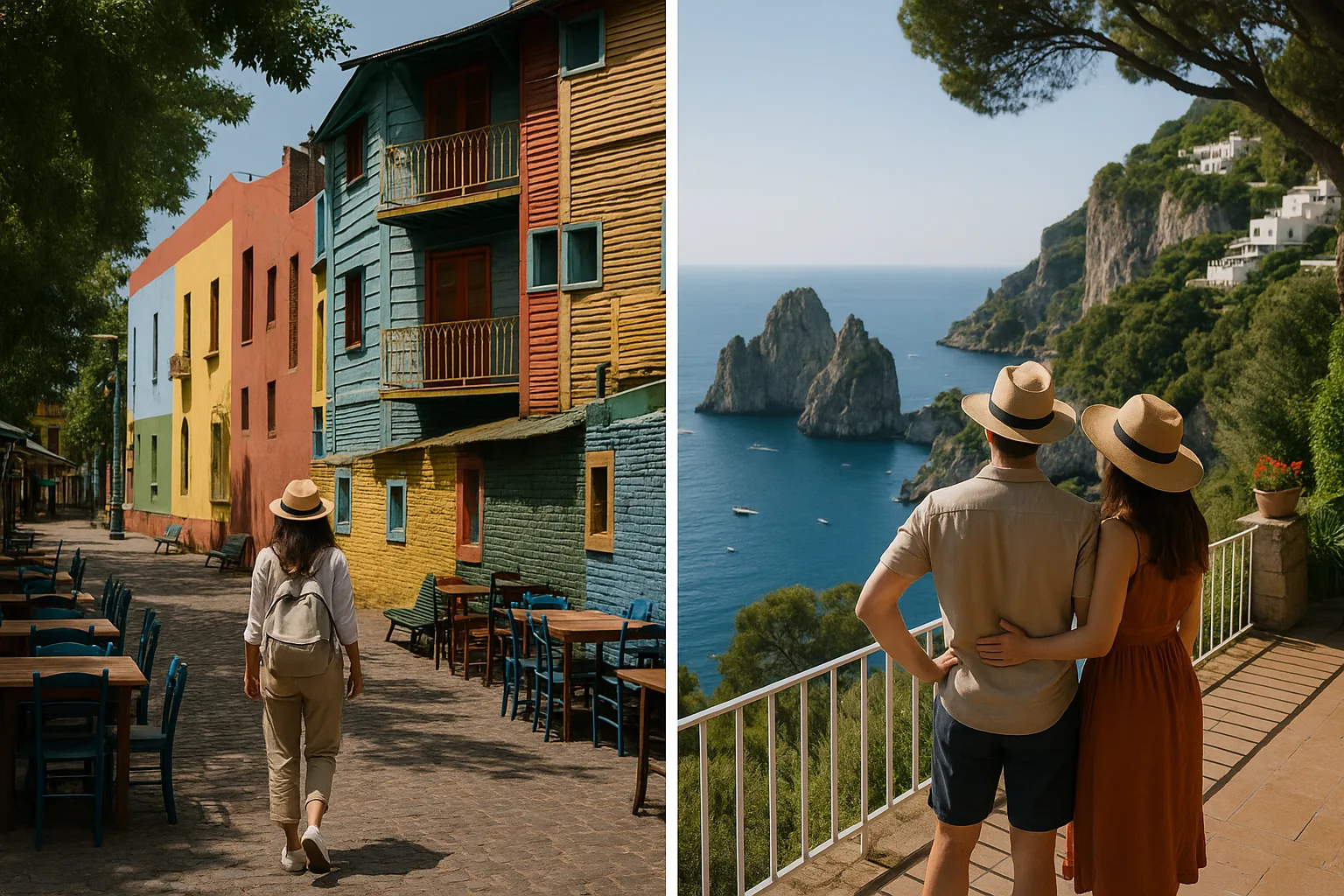
According to verified traveler advice, staying overnight on Capri is one of the single most effective strategies for experiencing the island as it actually is. When the last ferries leave and the day-trippers are gone, the island transforms. The piazzas quiet down, the restaurants breathe, and you get to see a version of Capri that most visitors never experience.
Practical Strategies for Avoiding Crowds on Capri
If you do stay overnight — and it’s strongly worth considering — aim to explore the town before 11am or after 4pm. These are the windows when day-tripper traffic is at its lowest, and the difference in atmosphere is striking. Early morning on Capri, with the light coming in over the water and the streets still quiet, is one of those travel moments you’ll genuinely remember.
Planning ahead matters more on Capri than almost anywhere else. Experienced travelers consistently recommend doing things as early as possible and building in extra time before any departure — at least an hour — because the ferry queues and the funicular up from the Marina Grande can create serious bottlenecks, especially in July and August. Underestimating this is one of the most common mistakes visitors make.
One of the most effective — and most overlooked — strategies for avoiding crowds at travel destinations like Capri is simply to walk. The island has a network of isolated paths and hiking trails that most visitors never use because they stick close to the towns. Taking these less-traveled paths, with a good map in hand, opens up a version of Capri that feels genuinely wild and untouched — rocky coastal trails, views that stretch across the Tyrrhenian Sea, and stretches of path where you might not see another person for an hour. The Fodor’s travel community is one place where experienced visitors have shared these kinds of practical, on-the-ground tips.
👉 Read also: Beyond the Crowds: Hidden Gems in Capri, Italy (2026)
If you’re visiting Capri as a day trip rather than staying overnight, timing your departure strategically also helps. Leaving around noon or by mid-afternoon — rather than waiting until the evening rush — keeps you ahead of the largest crowd surges and makes the ferry experience significantly more comfortable.
Where to Focus Your Time on Capri
Capri Town and Anacapri are the two main settlements on the island, and they have very different characters. Anacapri, the higher village, tends to be quieter than Capri Town and rewards exploration. The chair lift up to Monte Solaro offers one of the most spectacular views in the entire Mediterranean — and if you go early in the morning, you may have the summit almost to yourself.
The Blue Grotto — Grotta Azzurra — is the island’s most iconic attraction, and it comes with the queues to prove it. If seeing it matters to you, go as early as the boats start running. The experience is genuinely extraordinary: the way the light filters through the underwater entrance and turns the water an electric blue is something no photograph fully captures. But the queues in peak season can stretch to hours, so patience or very early timing is essential.
For food, Capri’s restaurants range from casual trattorias to seriously expensive hotel dining rooms. The local cuisine is worth exploring — insalata caprese made with local tomatoes and fresh mozzarella, grilled fish, and limoncello made from the island’s famous lemons. Eating slightly away from the main piazza, at smaller spots tucked into the side streets, generally means better food at lower prices and a more relaxed atmosphere.
Timing Your Visit to Capri
The shoulder seasons — late spring and early autumn — are widely considered the best times to visit Capri. May and early June bring warm weather, clear water, and manageable crowds before the peak summer rush. September and October offer similar conditions on the other side of the season, with the added benefit that many accommodation prices drop and the island feels more like itself again.
July and August are the most crowded months by a significant margin. If those are the only months you can travel, the strategies above become even more important — overnight stays, early starts, and a willingness to explore the paths less taken will make the difference between a frustrating experience and a genuinely memorable one.
Connecting the Two Destinations
Buenos Aires and Capri might seem like an unlikely pairing — one a vast, electric city in South America, the other a tiny island in the Bay of Naples — but they share something important for travelers trying to experience them authentically. Both reward people who are willing to move at a different pace than the crowd, who eat where locals eat, who walk the less obvious routes, and who treat the destination as something to inhabit rather than consume.
The strategies for avoiding crowds at travel destinations like these are rarely complicated. Stay longer. Start earlier. Wander further. Eat later. Talk to people. The tourists who feel most disappointed by famous places are usually the ones who arrived with a checklist and left before the real experience had a chance to begin.
Whether you’re watching the sun rise over the rooftops of San Telmo or standing on a quiet Capri trail with the sea spread out below you, the version of these places that stays with you — the one you’ll still be talking about years later — is almost never the one you found by following the crowd. It’s the one you found by stepping just slightly to the side of it.
This article was produced with AI assistance and reviewed editorially.


Buenos Aires and Capri: Navigating Iconic Destinations Without the Crowds

Buenos Aires 2026: Tango, Steak & the Neighborhoods Where Locals Actually Live


