
Asia
Budget Travel Mistakes in Southeast Asia: What One Backpacker Learned So You Don’t Have To
Learn from real traveler errors across Southeast Asia—visa mishaps, overpacking, cultural faux pas, and money-wasting traps. Practical lessons to travel smarter.

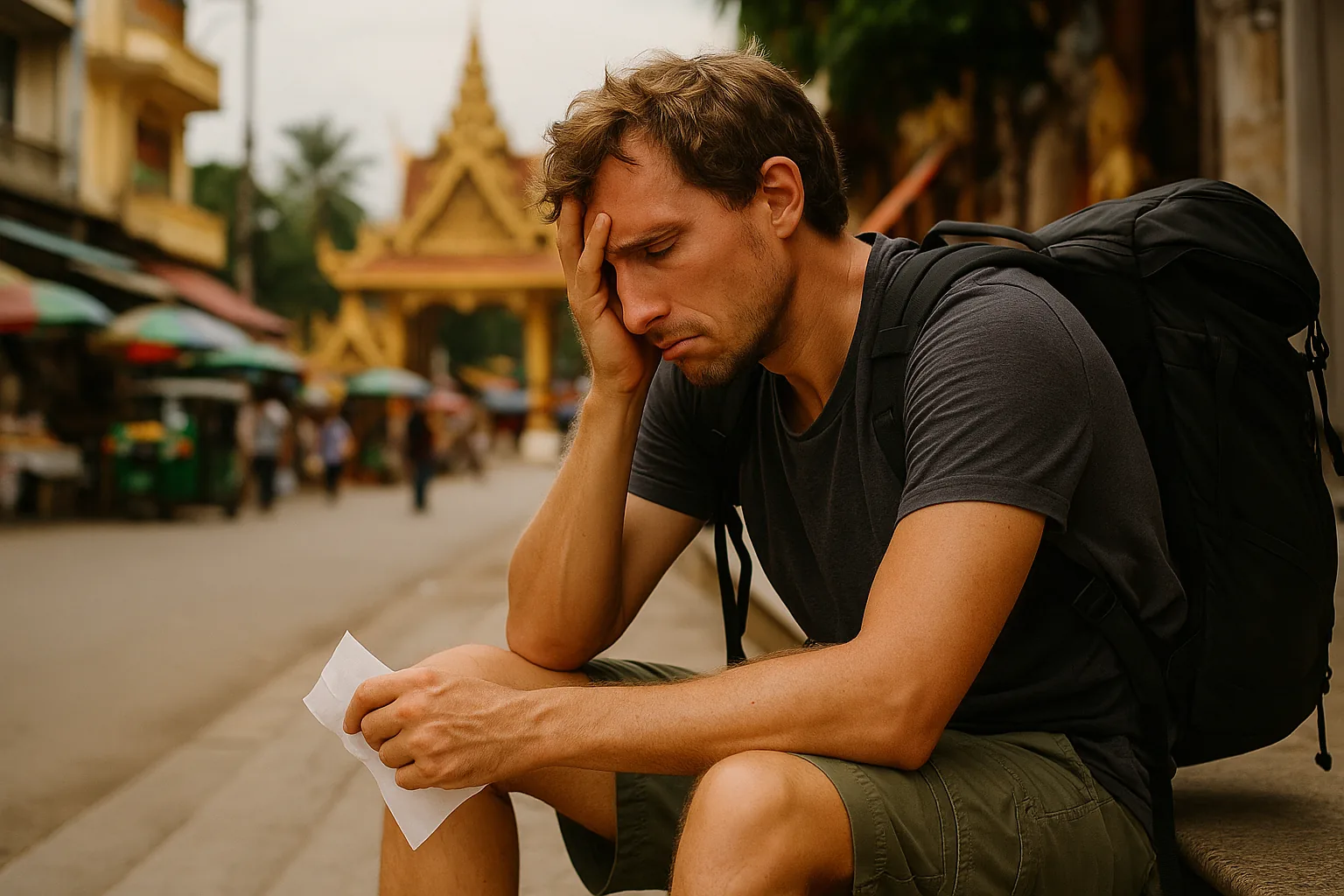
The Southeast Asia Travel Mistakes Nobody Warns You About (Until It’s Too Late)
Southeast Asia pulls you in fast. The food, the temples, the coastlines, the energy of cities that never really sleep — it’s the kind of region that gets under your skin and stays there. But it also has a learning curve that catches a lot of first-timers off guard. The most common southeast asia travel mistakes aren’t dramatic disasters. They’re quieter than that: a bag that’s too heavy, a phone with no SIM card, a wrong assumption about how one country works versus the next. This guide is about those moments — the ones that cost you time, money, or a little dignity — and how to sidestep them before they happen to you.
Treating Southeast Asia Like One Single Destination
Here’s a mindset shift that’ll change how you plan your whole trip: Southeast Asia is not one place. Thailand, Vietnam, Indonesia, Cambodia, Malaysia, Laos, Singapore — each of these countries operates on its own terms. Different currencies, different visa rules, different cultural norms, different transport systems, different price expectations.
Travelers who breeze through without adjusting their approach often end up frustrated. What works in Bangkok doesn’t necessarily work in Hanoi. The way you dress at a beach in Bali is not how you dress at a temple in Luang Prabang. The street food culture in Penang is its own universe compared to what you’ll find in Phnom Penh.
Before you cross each new border, take an hour to actually research that specific country. Not just the highlights — the logistics. How do locals get around? What’s the currency situation? Are there any entry requirements you need to prepare for? That one hour of research can save you a full day of confusion on the ground.
Don’t Assume Visa Rules Are Universal
Visa requirements vary significantly across the region, and they change. Some countries offer visa-on-arrival for many nationalities; others require you to arrange things in advance. Policies shift depending on your passport, the length of your stay, and sometimes the current political climate. Never assume that because entry was easy in one country, the next will be the same. Check the official government or embassy website for each destination before you travel, and double-check closer to your departure date.
Overpacking: The Classic Mistake That Never Gets Old
It sounds obvious. Everyone says it. And yet overpacking remains one of the most common southeast asia travel mistakes backpackers make — especially first-timers who want to be prepared for every scenario.
Here’s the reality of traveling through Southeast Asia with a bag that’s too heavy: you’ll be hauling it through humid 35-degree heat, up narrow staircases in guesthouses with no lifts, onto overnight buses with barely any storage, and across uneven streets that weren’t designed with wheeled luggage in mind. Your back will remind you of every poor packing decision you made.
The practical advice here is to pack less than you think you need. Laundry services are cheap and widely available across the region — you can get a bag of clothes washed, dried, and folded for very little money in most towns. You don’t need seven outfits. You don’t need three pairs of shoes. You don’t need a full pharmacy.
- Aim for a bag you can carry comfortably for 20 minutes without stopping.
- Lay out everything you plan to pack, then put half of it back.
- Leave space — you’ll pick things up along the way.
- Wear your heaviest shoes on travel days instead of packing them.
A lighter bag means more freedom. And freedom is kind of the whole point.
Arriving Without Mobile Connectivity Sorted
Underestimating the importance of having a working phone when you land is a genuine problem — and one that’s easy to avoid. Many travelers arrive expecting to figure out connectivity once they’re on the ground, only to discover that navigating an unfamiliar airport, finding a taxi, locating their accommodation, and messaging anyone requires a working internet connection.
Ride-hailing apps like Grab are essential across much of Southeast Asia. They’re safer, more transparent with pricing, and far more convenient than negotiating with drivers who may see a lost-looking tourist as an opportunity. But Grab only works if your phone is connected.
👉 Read also: Southeast Asia on a Shoestring: Rookie Mistakes, Budget Hacks, and Real Costs
Google Maps, WhatsApp, booking confirmations, translation apps — so much of modern travel runs through your phone. Getting a local SIM card is usually fast, affordable, and available at most major airports right after you land. Research which network has good coverage in the countries you’re visiting, and sort it out before you leave the arrivals hall. It’s one of the smallest investments you can make with one of the biggest payoffs.
Ignoring the Weather — Especially Rainy Season
Southeast Asia’s weather is not something to underestimate. The region experiences a genuine monsoon season, and in places like Laos, northern Vietnam, and parts of Indonesia, the rain doesn’t just drizzle — it arrives in heavy, sustained downpours that can last for hours and turn streets into rivers.
Not packing an umbrella or a light rain jacket for rainy season travel is a mistake that feels minor until you’re completely soaked, your bag is wet, and your plans for the afternoon have dissolved. A compact travel umbrella takes up almost no space and costs very little. It’s one of those things you’ll be grateful for every single time you use it.
Beyond the umbrella, understanding the seasonal patterns of each country you’re visiting helps you plan smarter. The rainy season doesn’t hit every part of the region at the same time — which actually means you can often find drier weather somewhere, even during the wet months. Do a bit of research on climate patterns before you book, and factor the weather into your route.
Getting Confused by Currency — and Losing Money Because of It
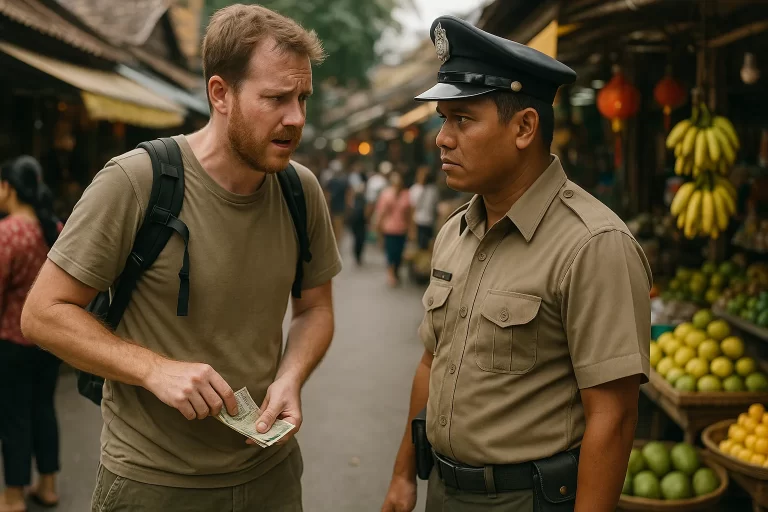
Currency confusion is a genuine southeast asia travel mistake, and it’s more common than you’d expect. The issue isn’t just exchange rates — it’s the sheer difference in scale between currencies. Vietnamese Dong, for example, involves numbers in the millions for relatively small amounts. It’s easy to misread how much you’re spending, especially in the first few days when everything still feels unfamiliar.
Travelers have withdrawn what they thought was a modest amount from an ATM, only to realize later they’d taken out far more — or far less — than intended. The mental conversion can trip you up when you’re tired, jet-lagged, or just moving fast between countries.
A few habits that help:
- Before you arrive in a new country, look up the rough exchange rate and write it down somewhere accessible.
- Use a simple rule of thumb — know what the equivalent of your home currency looks like in the local currency.
- Keep a small notebook or use your phone’s notes app to track daily spending.
- Use a travel-friendly bank card that doesn’t charge heavy foreign transaction fees — it makes a real difference over a long trip.
- Withdraw smaller amounts more frequently until you’re confident with the currency, rather than pulling out large sums at once.
For a deeper look at how to manage a backpacking budget across the region, The Rolling Pack’s Southeast Asia budget guide breaks down costs country by country in a way that’s genuinely useful for planning.
Underestimating Cultural Sensitivity
This one matters more than any logistical mistake on this list. Southeast Asia is home to deeply rooted traditions, religious practices, and social customs that deserve real respect — not just a surface-level acknowledgment.
Modesty is important across much of the region, particularly when visiting temples, religious sites, and rural communities. Turning up to a temple in shorts and a sleeveless top isn’t just a fashion faux pas — it’s genuinely disrespectful to the people for whom that space holds deep spiritual significance. Many temples provide sarongs or cover-ups at the entrance, but arriving already dressed appropriately shows a level of awareness and respect that locals notice and appreciate.
Beyond dress codes, there are other cultural norms worth learning before you go:
- Removing your shoes before entering homes and many temples is standard practice across the region.
- Public displays of frustration or anger are generally frowned upon — staying calm and polite goes a long way, even when things go wrong.
- Touching someone’s head, even a child’s, can be considered offensive in some cultures.
- Being loud or boisterous in sacred spaces is disrespectful everywhere.
- Learning even a few words in the local language — hello, thank you, please — is always appreciated and often met with genuine warmth.
The more you approach each country with curiosity and humility rather than assumptions, the richer your experience will be. Locals notice when travelers make an effort, and those small moments of genuine connection are often what you remember most.
👉 Read also: Budget Backpacking Southeast Asia: Sri Lanka, Laos & Beyond
For a broader look at navigating cultural expectations across the region, Adventures and Sunsets’ guide to common Southeast Asia travel mistakes covers cultural sensitivity alongside practical logistics in a way that’s worth reading before your first trip.
Falling Into Tourist Trap Spending
Budget travel in Southeast Asia is absolutely possible — the region is genuinely affordable for backpackers. But there’s a version of “budget travel” that ends up costing more than it should, because tourist-facing prices in popular areas can be significantly inflated compared to what locals pay.
The trick isn’t to be suspicious of everything. It’s to be aware. In heavily touristed areas — popular beach towns, major city centers, spots right outside famous temples — prices for food, transport, and activities tend to be higher. Walk two streets away from the main tourist drag and you’ll often find the same meal for a fraction of the cost, eaten by actual locals.
Some other patterns that quietly drain a travel budget:
- Booking transport through your guesthouse without comparing prices elsewhere — they often add a commission.
- Eating exclusively at restaurants with English menus and photos on the wall, rather than exploring local food stalls.
- Paying for guided tours of things you could easily explore independently.
- Exchanging money at airport kiosks, which typically offer worse rates than in-town exchange offices or ATMs.
None of this means you should be obsessive about every cent. Spending money on experiences that genuinely matter to you is the whole point of traveling. It’s the unconscious spending — the convenience fees, the tourist-price meals, the commissions — that adds up without you noticing.
Moving Too Fast and Missing the Point
One of the quieter southeast asia travel mistakes is building an itinerary that’s so packed you never actually settle anywhere. It’s tempting when you’re looking at a map and realizing how much there is to see. But rushing from city to city, island to island, country to country means you’re constantly in transit, constantly orienting yourself, and never quite present in any one place.
Some of the best experiences in Southeast Asia happen when you slow down. When you spend three days in a small town instead of one. When you go back to the same street food stall twice and the vendor starts to recognize you. When you have time to wander without a destination, to follow a conversation wherever it leads, to discover something that wasn’t in any itinerary.
Give yourself permission to stay longer than you planned somewhere that surprises you. That flexibility — that willingness to let the journey shape itself a little — is what separates a good trip from an unforgettable one.
Building Confidence Before You Go
If you’re a first-time traveler reading this and feeling slightly overwhelmed, here’s something worth holding onto: every experienced traveler in Southeast Asia made most of these mistakes at some point. The overpacked bag, the confusion at the ATM, the wrong outfit at a temple — these are part of the learning curve, not signs that you’re not cut out for this.
The difference between a stressful trip and a transformative one often comes down to preparation and mindset. Do the research. Pack thoughtfully. Approach each country with genuine curiosity. Keep your sense of humor when things go sideways, because they will sometimes — and those moments often make the best stories.
Southeast Asia is one of the most rewarding regions in the world to explore. The food alone is worth the flight. The landscapes, the history, the warmth of the people you’ll meet along the way — it adds up to something that stays with you long after you’ve come home. Avoiding these common southeast asia travel mistakes won’t guarantee a perfect trip. But it will give you more space to focus on what actually matters: the experiences, the connections, and the memories you’ll carry with you for years.
Your adventure is waiting. Go prepared, go curious, and go open to everything the region has to offer.
This article was produced with AI assistance and reviewed editorially.


Southeast Asia on a Shoestring: Budget Travel Guide to Border Crossings & Regional Itineraries

London Beyond the Eye: 8 Walks from Landmarks to Hidden Neighborhoods (2026)


