
Tips & Tricks
Why Budget Travel Matters: How Traveling Cheap Changes Your Perspective in 2026
Discover why budget travel matters beyond saving money. Learn how traveling cheap leads to authentic experiences, longer stays, and meaningful connections with locals.

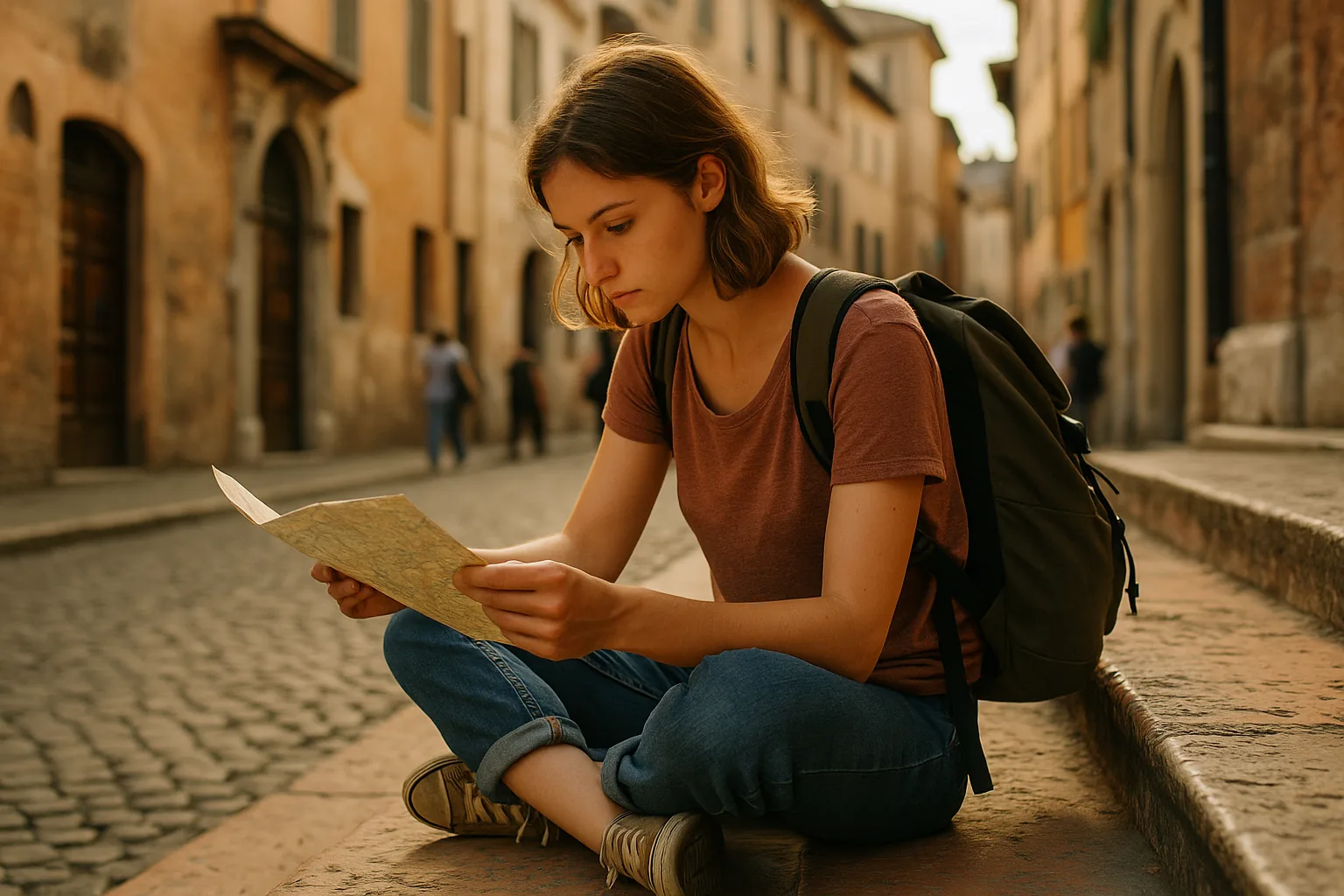
Why Budget Travel Is More Than Just Saving Money
Here’s something worth thinking about: roughly two-thirds of people planning to travel in 2026 are actively looking for budget-friendly ways to do it. That’s not a niche group of backpackers scraping by on instant noodles — that’s most travelers. And according to Skyscanner’s Gen Z travel report, 52% of Gen Z Americans say they’ll travel abroad more this year, but only a fraction of them plan to spend significantly more on flights or accommodation. The message is clear: young people want to see the world, and they’re finding smarter ways to do it.
But budget travel isn’t just a financial strategy. It’s a mindset — one that quietly reshapes the way you experience a place, connect with people, and understand yourself. When you strip away the all-inclusive resort, the private transfers, and the curated hotel concierge experience, something unexpected happens. You start actually living in the places you visit, rather than just passing through them. This article is about why that matters, and why traveling on a tighter budget might be one of the most valuable things you do in your twenties.
The Real Cost of Luxury Travel (And What You Might Be Missing)
Let’s be honest — luxury travel looks incredible on a screen. Rooftop pools, business class seats, five-star breakfasts with a view. Nobody’s pretending that doesn’t sound appealing. But here’s the thing: the more insulated your travel experience, the less you actually engage with the place you’re visiting.
When you stay in a high-end hotel in a tourist district, eat at restaurants that cater exclusively to visitors, and move between attractions in private taxis, you’re essentially watching a destination through glass. Everything is comfortable. Everything is familiar. And everything is designed to make you feel like you never really left home.
Budget travel forces a different kind of engagement. When you’re navigating local bus routes, hunting for a guesthouse recommended by someone you met at a hostel, or figuring out how to order lunch from a menu you can’t fully read — you’re not just visiting a place. You’re participating in it. That’s a fundamentally different experience, and it tends to stay with you long after the trip is over.
As Forbes notes, travel is getting noticeably more expensive in 2026 — which makes smart, intentional spending more important than ever. The goal isn’t deprivation. It’s redirection: spending less on the things that don’t actually enrich your experience, so you can spend more — in time, energy, and occasionally money — on the things that do.
Seven Reasons to Try Budget Travel at Least Once
1. You Stay Longer
This is one of the most underrated benefits of traveling cheap. When you’re not spending a small fortune on accommodation and flights, your budget stretches further — and that means you can stay in a place for weeks instead of days. Staying longer changes everything. You stop rushing. You find your rhythm. You discover the café you’d never have noticed on a three-day itinerary. You start to feel like a temporary local rather than a passing tourist.
2. You Meet More People
Hostels, shared transport, street food markets, community kitchens — budget travel naturally puts you in shared spaces with other people. Some of those people will become travel companions. Some will give you the best recommendation of your trip. Some will become genuine, lasting friendships. When you’re isolated in a private room or a luxury resort, those encounters simply don’t happen in the same way. The social dimension of budget travel is one of its most quietly powerful gifts.
3. You Eat Better (Seriously)
The best food in almost any country is rarely found in the tourist-facing restaurants with laminated menus and photos of every dish. It’s in the market stalls, the family-run spots down side streets, the places where locals actually eat. Budget travel steers you toward those places — not out of principle, but out of practicality. And more often than not, the food is cheaper, fresher, and far more memorable than anything you’d find in a hotel dining room.
👉 Read also: The 10 Best Budget Destinations for Young Travelers in 2026
4. You Develop Real Problem-Solving Skills
Things go wrong when you travel. Buses are late, bookings get confused, maps lead you somewhere unexpected. When you’re traveling with a tight budget and no concierge to call, you figure it out yourself. You ask for help. You adapt. You improvise. These aren’t just travel skills — they’re life skills, and the confidence you build navigating unfamiliar situations follows you home.
5. You Discover Places You’d Never Have Planned to Visit
Budget travel rewards flexibility. When you’re not locked into a rigid, pre-paid itinerary, you can follow a tip from a fellow traveler, take the slower route, or stop somewhere you didn’t know existed. Some of the most memorable moments in any journey happen exactly like this — unplanned, unscheduled, and completely unexpected. Spontaneity is a luxury that budget travel actually affords you.
6. You Engage More Deeply with Local Culture
When your budget depends on understanding how things actually work in a place — how the public transport system operates, what a fair price looks like, which neighborhoods are worth exploring — you inevitably learn more about the culture you’re visiting. You pick up phrases in the local language. You understand the rhythms of daily life. You stop being a spectator and start being, even briefly, a participant. That depth of engagement is hard to replicate when everything is pre-arranged and paid for in advance.
7. You Come Home with a Different Perspective on What You Actually Need
There’s something quietly transformative about realizing you can be genuinely happy with very little. A comfortable bed, good food, interesting company, and something worth exploring the next morning — that’s often enough. Budget travel has a way of recalibrating your sense of what’s necessary and what’s just comfortable habit. That shift in perspective doesn’t disappear when you unpack your bag. It tends to stay.
How Constraints Create Authentic Experiences
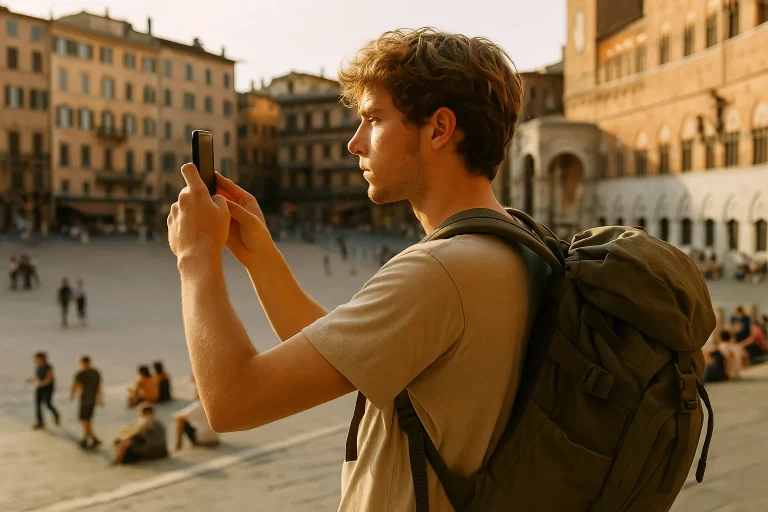
It might sound counterintuitive, but limitations can be a form of creative freedom. When you don’t have the budget to stay in the tourist-facing part of town, you end up somewhere more genuine. When you can’t afford the organized tour, you explore on your own and find things the tour wouldn’t have shown you. When you’re eating where your wallet allows, you’re eating where real people eat.
This isn’t romanticizing poverty or pretending that having less money is inherently virtuous. It’s recognizing that the structures of budget travel — the shared spaces, the local transport, the neighborhood guesthouses — tend to create conditions for more authentic encounters than the structures of luxury travel do. You’re simply more likely to have a real conversation with a local when you’re sitting next to them on a regional train than when you’re being driven past them in a private transfer.
There’s also something to be said for the mindset that budget travel cultivates. When every experience costs something, you become more intentional about which ones you choose. You prioritize. You slow down. You pay attention. That quality of attention — being genuinely present in a place because you’ve chosen to be there rather than because it was included in a package — is what tends to produce the experiences worth remembering.
Budget Travel in Practice: Smart Spending, Not Skimping
It’s worth being clear about what budget travel actually looks like in 2026. It doesn’t mean suffering through terrible accommodation or skipping experiences you genuinely want. It means being strategic about where your money goes — and redirecting what you save toward the things that actually matter to you.
Here are some practical principles that experienced budget travelers tend to live by:
👉 Read also: How to Actually Fund a Year of Travel: Real Jobs, Real Numbers, Real Stories
- Travel during shoulder season. The weeks just before or after peak tourist periods often offer significantly lower prices with very similar weather and far fewer crowds.
- Prioritize slow travel. Fewer flights and longer stays reduce costs and increase depth of experience simultaneously.
- Use accommodation as a social tool, not just a place to sleep. Hostels, guesthouses, and home-sharing platforms connect you with other travelers and locals in ways that hotels rarely do.
- Eat where locals eat. Markets, street food stalls, and neighborhood restaurants consistently offer better value and better food than tourist-facing establishments.
- Be flexible with your itinerary. Fixed plans often cost more. The ability to move when prices drop or opportunities arise is one of the most valuable assets a budget traveler has.
- Use technology intelligently. Gen Z travelers are already doing this — using AI tools to plan trips, compare options, and find value. That’s not cutting corners; it’s traveling smarter.
- Splurge intentionally. Budget travel doesn’t mean never spending money on something special. It means saving on the things that don’t matter to you so you can genuinely invest in the things that do.
The Forbes piece on saving money while traveling makes exactly this point: smart travel strategies aren’t about deprivation. They’re about extending your trip or unlocking specific experiences that would otherwise be out of reach. That framing matters. Budget travel, done well, is an expansive approach to the world — not a restrictive one.
Where Budget Travel Takes You in 2026
The good news is that exceptional value still exists in the world, even as travel costs rise. There are destinations across Southeast Asia, Eastern Europe, Central America, and parts of Africa and the Middle East where your budget goes remarkably far — not because the experiences are lesser, but because the local cost of living makes quality accommodation, food, and transport genuinely affordable for a traveler on a modest budget.
The key is doing your research and staying open. Some of the most rewarding destinations for budget travelers in 2026 are places that haven’t yet been overwhelmed by mass tourism — which means the experiences they offer are often more authentic precisely because they haven’t been packaged for export yet. That combination of value and authenticity is exactly what makes budget travel so compelling for young people who care about genuine connection over curated comfort.
The Shift in How Young Travelers Think About Travel
Something has genuinely changed in the way people aged 16 to 30 approach travel. The Skyscanner data points to it: Gen Z travelers are going more places, but they’re not necessarily spending more to do it. They’re using technology to find value, making sustainable choices, and prioritizing experiences over status symbols. That’s not just a financial decision — it’s a values-based one.
There’s a growing recognition among young travelers that the most memorable trips aren’t always the most expensive ones. The story you tell for years isn’t usually about the thread count of your hotel sheets — it’s about the unexpected afternoon you spent lost in a market, the conversation with a stranger that changed how you thought about something, the view you found by accident that no travel guide had mentioned. Those experiences don’t require a large budget. They require curiosity, flexibility, and a willingness to show up without everything figured out in advance.
That willingness — to be slightly uncertain, slightly uncomfortable, slightly outside your comfort zone — is ultimately what budget travel teaches you. And it’s a skill that makes every subsequent journey richer, whether you’re traveling on a shoestring or splurging on something special.
Why This Matters Beyond the Trip Itself
Travel changes people. That’s not a cliché — it’s something you tend to understand viscerally once you’ve done it. But the kind of change that happens when you travel cheaply, slowly, and openly is different from the kind that happens when you travel in a bubble of comfort and convenience. It’s more disorienting in the moment, and more lasting in its effects.
When you’ve navigated a foreign city with a limited budget and no safety net of luxury, you come home knowing something about yourself that you didn’t know before. You know you can figure things out. You know that people, generally, are kind and willing to help. You know that a different way of living is possible — and often, that it’s genuinely good. That knowledge reshapes how you see your own life, your own assumptions, and your own definition of what a good day looks like.
That’s the real argument for budget travel. Not that it saves you money — though it does. Not that it’s more sustainable — though it often is. But that it puts you in direct, unmediated contact with the world as it actually is. And that contact, repeated across different cultures and landscapes and conversations, is what travel is really for.
So if you’ve been waiting until you can afford to do it “properly” — consider that you might already be able to. Pack lighter than you think you need to, spend smarter than you think you can, and go. The world is more accessible than it looks from the outside, and the experiences waiting for you on the other side of a budget flight and a hostel bed are often the ones you’ll be talking about for the rest of your life.
This article was produced with AI assistance and reviewed editorially.


Caye Caulker Slow Travel: Snorkeling, Street Food, and Why You Should Stay Longer

Southeast Asia on a Shoestring: Budget Routes Across Thailand, Vietnam & Cambodia


