
Asia
Sri Lanka on a Shoestring: Budget Backpacking Guide with Practical Tips for 2026
Explore budget travel in Sri Lanka with practical tips on cheap accommodation, local food, transport hacks, and free activities across temples, beaches, and highlands.

Why Sri Lanka Should Be Your Next Big Adventure
If you’ve been dreaming of a destination that packs ancient temples, misty mountain trains, wild coastlines, and some of the most welcoming people you’ll ever meet into a single trip — and you want to do it without draining your bank account — budget travel in Sri Lanka might just be the answer you’ve been looking for. This island nation sits at the southern tip of India, and it punches far above its weight when it comes to experiences per dollar spent. You get incredible food, diverse landscapes, and genuine cultural depth, all on a shoestring that would barely cover a weekend in Western Europe.
Sri Lanka has earned a devoted following among backpackers for good reason. It’s compact enough to explore in two to three weeks, varied enough to keep every day feeling different, and affordable enough that you can actually slow down and enjoy it rather than rushing through just to keep costs manageable. Whether you’re fresh out of school, taking a gap year, or squeezing in a longer trip before life gets complicated, Sri Lanka rewards the curious traveler who’s willing to take the local bus and eat where the locals eat.
Understanding the Three Major Regions
Before you start planning, it helps to think of Sri Lanka in three broad zones. Each one offers a completely different experience, and a well-planned route can weave through all of them without too much backtracking.
The Cultural Triangle
In the north-central part of the island, the Cultural Triangle is home to some of Sri Lanka’s most iconic ancient sites. Sigiriya — the famous rock fortress — draws crowds, but right next door, Pidurangala Rock offers a similarly spectacular view at a fraction of the entrance fee and with far fewer tourists jostling for space at the summit. It’s one of those rare cases where the alternative genuinely rivals the original.
Polonnaruwa is another highlight of this region, featuring sprawling ancient ruins that feel genuinely atmospheric rather than over-restored. Hiring a local guide here is worth every rupee — the stories and context they provide turn a walk through old stones into something that actually stays with you. You can cover most of the site by bicycle, which you can rent cheaply from guesthouses nearby.
The Central Highlands
This is where Sri Lanka surprises people who only picture beaches when they think of the island. The central highlands are cool, green, and dramatic. Tea plantations cascade down hillsides in every direction, the air smells of eucalyptus and rain, and the train journey from Kandy to Ella is widely regarded as one of the most scenic rail rides in the world. Sitting in an open doorway as the train winds through mist and mountains is the kind of moment you’ll be describing to people for years.
Ella itself is a small hill town that’s become a firm favourite on the backpacker trail. Hike up Little Adam’s Peak in the morning, walk the Nine Arch Bridge, and you’ll understand why people extend their stays here. Horton Plains National Park, accessible as a day trip, offers free-feeling highland hiking with the famous World’s End cliff drop as the reward at the end of the trail — though there is an entrance fee, it remains one of the more affordable wildlife experiences on the island.
The South Coast and Beyond
The south coast is where you come to decompress. Long stretches of beach, surf towns, and a slower pace of life make this the natural end point of most itineraries. Tangalle is quieter and more relaxed than some of the more developed beach towns further west, making it a good spot if you want to actually read a book and swim rather than navigate tourist crowds. Arugam Bay, on the east coast, is Sri Lanka’s surf heartland — a genuinely laid-back community where the days revolve around tides and the evenings around simple food and conversation.
Getting Around: Buses, Trains, and Tuk-Tuks
Transport is one area where budget travel in Sri Lanka really shines. The country has a functional and extensive public transport network, and using it is not just the cheapest option — it’s often the most interesting one.
Buses
Buses connect virtually every corner of the island and are the most affordable way to move between cities and towns. They can be crowded and occasionally chaotic, but they’re also where you’ll have your most spontaneous conversations and unexpected encounters. Long-distance buses are available for the bigger routes, and for shorter hops, the local minibuses are frequent and easy to figure out even without much Sinhala or Tamil. Simply tell the conductor your destination and they’ll sort the rest.
Trains
The train network is slower than buses but far more scenic, and for certain routes — especially the hill country journey through the highlands — it’s not just transport, it’s an experience in itself. Tickets are very affordable, and while reserved seating exists, many travelers opt for the unreserved carriages or simply stand in the open doorways. Book ahead for the popular Kandy to Ella route if you want a seat, especially during peak season.
Tuk-Tuks
Tuk-tuks are everywhere and are perfect for short distances, getting to trailheads, or navigating towns that buses don’t serve conveniently. Always agree on a price before you get in, or look for drivers using a meter in larger cities. Tuk-tuks are more expensive than buses per kilometre, but for flexibility and convenience they’re hard to beat — and sharing one with fellow travelers splits the cost nicely.
Where to Stay Without Spending a Fortune
Sri Lanka has a well-developed guesthouse culture that suits budget travelers perfectly. Family-run guesthouses are common across the island, particularly in smaller towns and beach destinations. These places typically offer clean, simple rooms, home-cooked breakfasts, and the kind of local knowledge that no guidebook can replicate. Your host will know which waterfall is worth the walk, which beach is quietest on weekends, and which restaurant is actually good versus which one just looks good for tourists.
Hostels have grown significantly in number, especially in Colombo, Kandy, and Ella, giving solo travelers the option of dormitory beds and the social atmosphere that comes with them. For those who prefer more privacy, guesthouses consistently offer better value than hotels, and booking directly — rather than through a platform — often gets you a small discount and a warmer welcome.
Camping is possible in some areas, particularly around national parks, though it’s less developed as an infrastructure compared to Southeast Asia. Check local regulations before pitching a tent anywhere unfamiliar.
Eating Well for Less: Sri Lankan Food Culture
This is where budget travel in Sri Lanka genuinely excels. Sri Lankan food is extraordinary — deeply spiced, varied, and built around fresh ingredients — and eating well does not require spending much at all. In fact, some of the best meals you’ll have on this island will come from the most unassuming places.
Rice and Curry
The backbone of Sri Lankan cuisine is rice and curry, and it’s served everywhere at every time of day. A typical plate arrives with a mound of rice surrounded by several small curries — vegetable, lentil, fish, or meat — along with chutneys and sambols. It’s filling, nutritious, and incredibly flavourful. Local restaurants serving this style of meal are among the cheapest places to eat and consistently deliver some of the most satisfying food on the island.
Street Food and Snacks
Street food is woven into daily life across Sri Lanka. Kottu roti — chopped flatbread stir-fried with vegetables, egg, and your choice of protein — is the iconic street food experience, prepared loudly and theatrically on a flat iron griddle. The rhythmic clatter of the blades is basically the soundtrack of Sri Lankan evenings. Hoppers, which are bowl-shaped fermented rice pancakes, are another staple worth seeking out, especially the egg hopper variant eaten for breakfast. Short eats — small pastries and savoury snacks sold at roadside stalls and bakeries — are perfect for cheap, on-the-go fuel between destinations.
Fruit and Drinks
Fresh coconuts are sold roadside across the island and offer both hydration and a genuine taste of the tropics at very low cost. Tropical fruit — papaya, pineapple, mango, woodapple — is abundant and inexpensive, especially when bought from local markets rather than tourist-facing shops. Ceylon tea, obviously, is exceptional and essentially free or near-free everywhere you go. Trying it in the highlands, close to where it was grown, is one of those simple pleasures that costs almost nothing but feels genuinely special.
Free and Low-Cost Experiences Worth Your Time
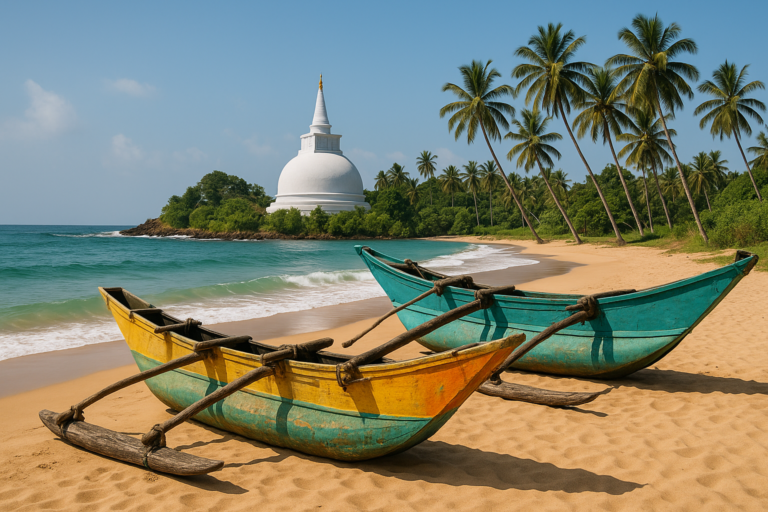
Some of the most memorable things to do in Sri Lanka cost very little or nothing at all. Beaches along the south and east coasts are free to access and genuinely beautiful — you can spend entire days swimming, watching fishing boats, and exploring coastal villages without spending anything beyond food and accommodation.
Temples are central to Sri Lankan life, and many can be visited for a modest donation or small entrance fee. The Temple of the Tooth in Kandy is a must-visit cultural experience, and attending an evening puja ceremony there is one of those atmospheric, genuinely moving moments that reminds you why travel is worth it. Dress modestly (shoulders and knees covered) and remove shoes before entering any religious site.
Hiking is another area where Sri Lanka delivers extraordinary value. Beyond Horton Plains, there are trails around Ella, routes through tea plantation country, and paths to viewpoints that reward early risers with mist-wrapped valleys and silence. Many of these cost nothing beyond the effort of getting there.
Wildlife watching at Wilpattu National Park and Yala National Park requires a jeep safari, which does add cost — but sharing a vehicle with other travelers from your guesthouse brings the price down considerably. Seeing leopards, elephants, and sloth bears in the wild is the kind of experience that justifies the splurge, and Sri Lanka’s national parks offer some of the best wildlife density in South Asia.
Planning Your Route: Key Stops to Connect
A classic backpacker route through Sri Lanka might start in Colombo or nearby Negombo Beach — both good places to land, get your bearings, and recover from the flight. From there, heading north into the Cultural Triangle to visit Sigiriya, Pidurangala, and Polonnaruwa makes sense before moving south into the highlands via Kandy. The train from Kandy through to Ella is the centrepiece of most itineraries, and for good reason.
From Ella, the south coast beckons — Tangalle and the surrounding beaches offer a natural place to unwind after the activity of the highlands. Adventure seekers might detour to Kitulgala, a river town known for white-water rafting and jungle hiking. Those chasing surf and a more social scene should factor in Arugam Bay on the east coast, though this requires a longer journey across the island.
Two weeks is a reasonable minimum to cover the highlights without feeling rushed. Three weeks allows you to slow down, revisit places you love, and have the spontaneous detours that often become the best parts of any trip. For more detailed itinerary inspiration, resources like Finding the Universe’s two-week Sri Lanka itinerary and Never Ending Footsteps’ cost of travel breakdown offer well-tested, practical guidance.
When to Visit and What to Expect
Sri Lanka has two distinct monsoon seasons that affect different parts of the island at different times, which means there’s rarely a universally bad time to visit — you just need to know where to go when. The southwest (south coast, highlands, Cultural Triangle) is generally best visited between December and April, when the weather is drier and more settled. The east coast, including Arugam Bay, sees its best conditions from roughly May through September.
The shoulder periods — around May and October — can offer a useful balance of fewer crowds and still-manageable weather, though you should expect some rain. Peak season brings more tourists and slightly higher prices, particularly around the Christmas and New Year period. Traveling slightly outside these windows can make a noticeable difference to both your budget and your experience of popular sites.
Practical Tips Before You Go
- Visa: Most nationalities require an Electronic Travel Authorization (ETA) before arriving. Apply online well in advance of your trip through the official government portal.
- SIM card: Local SIM cards are cheap and easy to pick up at the airport on arrival. Data is affordable and coverage is good across most of the island.
- Cash: While card payments are increasingly accepted in tourist areas, carrying cash in local currency (Sri Lankan rupees) is essential for local buses, street food, smaller guesthouses, and rural areas.
- Dress code: Pack a light scarf or sarong for temple visits. Shoulders and knees should be covered at religious sites, and many temples provide wraps at the entrance for a small fee.
- Health: Check current health recommendations with your doctor or travel clinic before departure, including any vaccinations and malaria precautions depending on your itinerary.
- Bargaining: Appropriate in markets and with tuk-tuk drivers, but not in restaurants or shops with fixed prices. Be respectful and keep it light — it’s a negotiation, not a battle.
- Respect: Sri Lanka is a deeply religious country with a rich cultural heritage. Approach temples, ceremonies, and local customs with genuine curiosity and respect, and you’ll find people extraordinarily warm and generous in return.
The Bottom Line on Budget Travel in Sri Lanka
Budget travel in Sri Lanka is not about cutting corners — it’s about making choices that put you closer to the real experience of the island. Riding the local train through the highlands, eating kottu roti from a street stall, hiking to a viewpoint at sunrise, sharing a tuk-tuk with strangers who become friends — these are the moments that define a trip here, and none of them cost much at all. Sri Lanka rewards the traveler who moves at a human pace, stays curious, and isn’t afraid to follow a local recommendation down an unmarked road. You’ll spend less than you expect and come home with more than you imagined.
This article was produced with AI assistance and reviewed editorially.


Sri Lanka by Backpack: The Route, Costs, and Unmissable Stops

Uzbekistan’s Silk Road Cities: Samarkand & Bukhara in 2026


