
Spain
Local Food & Drink Guides: Barcelona Cafes, Cocktail Bars & Hidden Eats
Discover Barcelona’s authentic food culture through local cafes, traditional bars, and vibrant markets. Learn where residents eat and drink like a true insider.

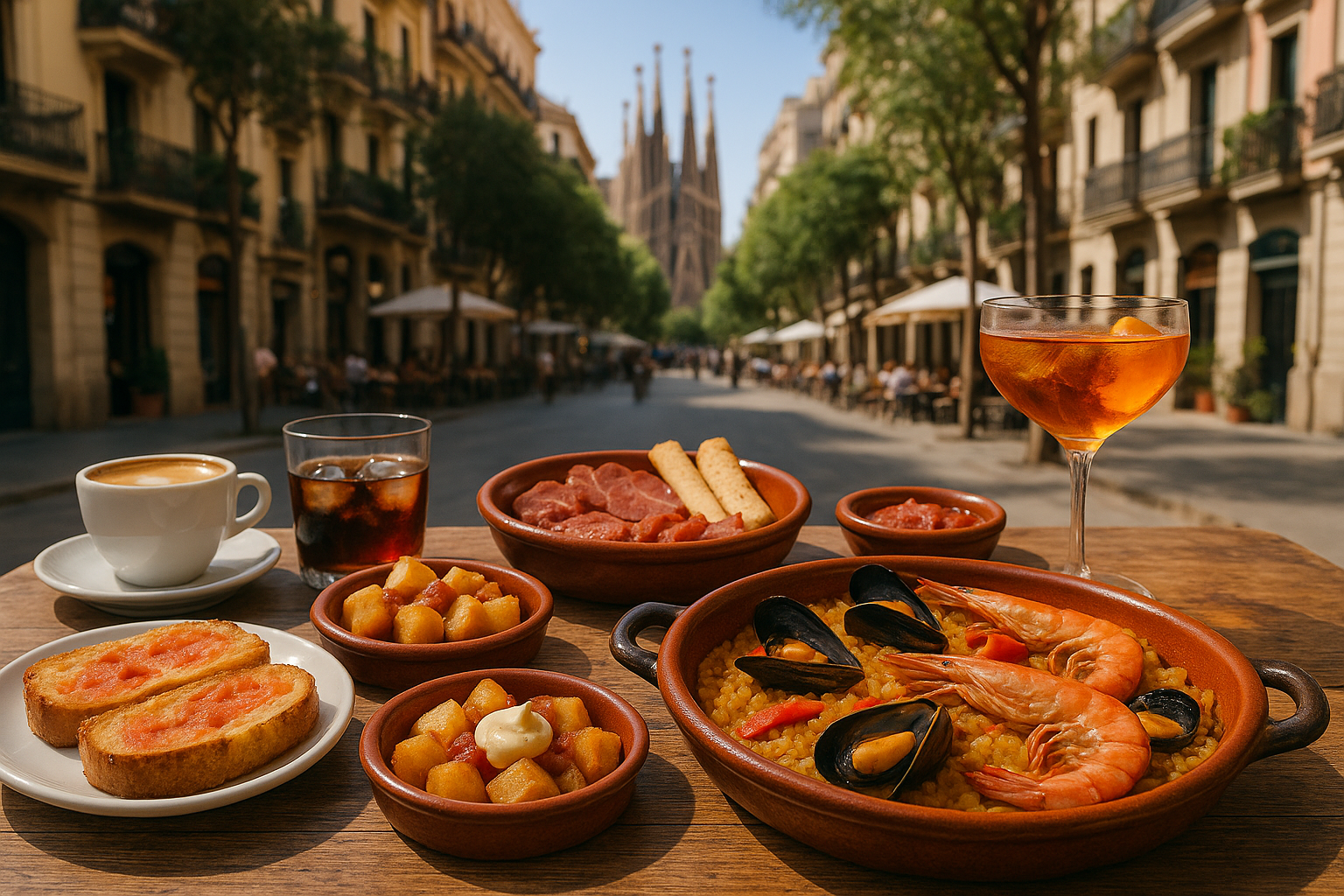
Why Food Is the Best Way to Understand Barcelona
Every city has a personality, and Barcelona wears its heart on its sleeve — usually on a plate. If you’re putting together your barcelona food guide, the first thing to know is this: eating here isn’t just about filling up between sightseeing stops. It’s a ritual, a social act, a window into how the city actually lives. Skip the tourist menus and the rushed lunch sets near the big landmarks, and you’ll find something far more interesting waiting just around the corner.
Barcelona sits at the crossroads of Catalan tradition and Mediterranean abundance. The food culture here is deeply local, fiercely proud, and constantly evolving. Whether you’re wandering through a covered market at noon, pulling up a stool at a neighbourhood bar for a mid-morning snack, or sharing plates with strangers at a long communal table, you’re participating in something that goes way beyond tourism. You’re connecting with the city on its own terms.
This guide is your starting point. It’s built around the idea that the best travel memories are made through food — and that Barcelona gives you more opportunities for those memories than almost anywhere else in Europe.
The Barcelona Bar: More Than Just a Place to Drink
Before we talk about what to eat, let’s talk about where the city actually lives: the bar. In Barcelona, bars are social institutions in the truest sense. They’re not just places you go at night after a long day. They’re where office workers stop for a second breakfast mid-morning, where families gather on Sunday mornings over coffee and something small to eat, and where the neighbourhood catches up on the week’s news.
This culture of the bar as a community hub is one of the things that makes Barcelona feel so alive at almost any hour. Step into a local spot at 10am and you’ll find people standing at the counter, chatting with the barista, sharing a pastry. Come back at noon and it’s transformed into a pre-lunch meeting point. By evening, the same space might be packed with friends sharing plates and drinks before heading somewhere else entirely.
One drink you’ll want to get familiar with is vermut — a traditional fortified wine with deep roots in Barcelona’s bar culture. It’s slightly bitter, slightly herbal, often served over ice with a slice of orange and an olive. Vermut hour, which locals call la hora del vermut, typically happens late morning into early afternoon on weekends. It’s one of those rituals that feels completely ordinary once you’re part of it, and completely unforgettable when you look back on it later.
If you want to drink like a local, don’t just order whatever’s on the cocktail list. Ask what the bar is known for. Sit at the counter if you can. Let a conversation start naturally. That’s the Barcelona way.
Markets: Where the City’s Food Story Begins
No barcelona food guide would be complete without talking about the markets. La Boqueria is the most famous — a vibrant, covered market that’s been a fixture of city life for generations. You’ll find everything here: fresh produce piled high in vivid colours, seafood on ice, hanging cured meats, wheels of cheese, and stalls selling prepared foods you can eat as you walk.
It’s worth knowing that La Boqueria can get very busy, especially during peak tourist hours. The experience is still worth it, but if you want to see the market at its most authentic, aim to arrive early. Locals shop in the morning before the crowds build up, and that’s when you’ll get a clearer sense of the market as a working, breathing part of the neighbourhood rather than a photo opportunity.
While you’re there, look for the cured meats. The difference between Jamón Serrano and Pata Negra comes down to how the pig was raised and what it was fed — Pata Negra comes from free-range, acorn-fed pigs, which gives the meat a richer, nuttier flavour. It’s one of those things that sounds like a small detail until you actually taste the difference side by side. Also keep an eye out for Queso Manchego, a traditional sheep’s milk cheese originally from the La Mancha region — firm, slightly tangy, and one of the great cheese experiences you can have in this part of the world.
Beyond La Boqueria, Barcelona has a network of neighbourhood markets worth exploring. Each one has its own character and its own regulars. Wandering into one without any particular plan is one of the best things you can do in this city.
Catalan Flavours You Need to Try
Catalan cuisine is its own distinct tradition — not just a regional variation of something else, but a fully developed culinary identity with centuries of history behind it. Once you understand that, the food starts to make more sense, and more sense means more appreciation.
One of the most iconic Catalan experiences is calçots with romesco sauce. Calçots are a type of green onion, grilled over open flames until charred on the outside and tender inside, then dipped into a rich, nutty romesco sauce made from roasted peppers, tomatoes, almonds, and olive oil. The whole ritual of eating them — peeling back the outer layer, dunking generously, eating with your hands — is joyful and a little messy and completely worth it. They’re traditionally a late-winter and spring dish, so if you’re visiting between roughly January and April, this is something you genuinely shouldn’t miss.
Beyond calçots, Catalan cooking leans heavily on quality ingredients treated simply. Bread rubbed with fresh tomato and olive oil — pa amb tomàquet — is everywhere, and it’s one of those things that sounds too simple to be special until you eat it and wonder why you don’t have it every day. Fresh seafood, grilled vegetables, slow-cooked stews, and an abundance of legumes all feature prominently. The cuisine is honest and grounded, and it rewards people who pay attention.
Eating Beyond the Tourist Trail
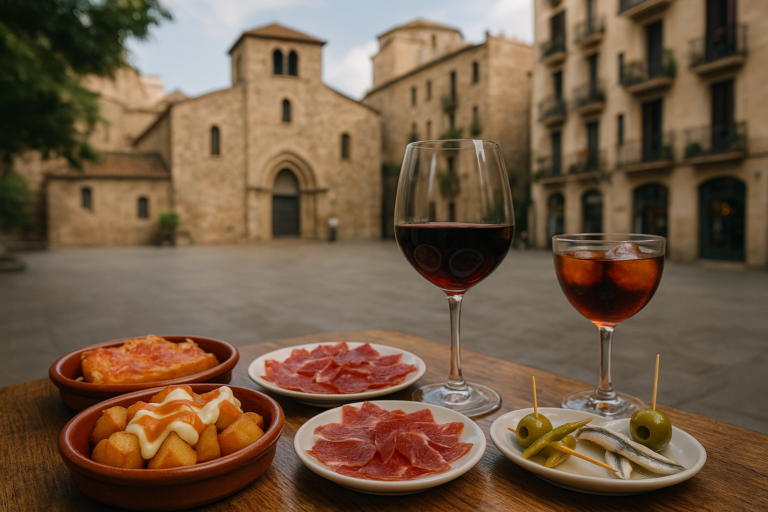
One of the most important things any barcelona food guide can tell you is this: the best food is rarely where the biggest crowds are. Barcelona has a rich network of non-touristy restaurants tucked away in residential neighbourhoods, far from the main attractions. These are the places where the food is made for people who eat there every week, not for visitors passing through once.
Finding these spots takes a little effort. Walk into neighbourhoods like Gràcia, Poblenou, or Sant Antoni with no particular agenda. Look for places where the menu is written on a chalkboard in Catalan. Notice where locals are actually eating lunch. Trust your instincts. Some of the most memorable meals you’ll have in Barcelona will come from places you stumbled into without a reservation or a recommendation — just curiosity and a willingness to try something unfamiliar.
If you want a more structured approach to discovering local food culture, consider joining a food experience with a local host. Platforms like Eatwith connect travellers with local cooks and food enthusiasts who share meals in their homes or lead market tours — it’s a genuinely different way to experience the city’s food scene, and it often leads to conversations and connections you wouldn’t find any other way.
Cocktail Bars and the Barcelona Night
Barcelona’s cocktail scene has grown into something genuinely exciting. The city has always had a strong bar culture, but the craft cocktail movement has added a new layer of creativity to what was already a vibrant drinking culture. You’ll find everything from intimate speakeasy-style spots to open terraces where the whole city seems to gather on warm evenings.
The best cocktail bars in Barcelona tend to be neighbourhood places rather than hotel bars. They’re run by people who care deeply about what they’re making, often using local ingredients and Catalan spirits alongside the classics. Condé Nast Traveler keeps a regularly updated list of the best bars in Barcelona that’s worth checking before you go — it gives you a solid starting point without locking you into a rigid itinerary.
A few things to keep in mind about drinking in Barcelona: the night starts late. If you show up to a bar at 9pm expecting it to be buzzing, you might be surprised by how quiet it is. Locals typically eat dinner between 9pm and 11pm, and the real energy in bars and clubs doesn’t build until well after midnight. Lean into this rhythm rather than fighting it. Have a long dinner, take a walk, and let the night unfold at its own pace.
Coffee Culture in the City
Barcelona takes its coffee seriously, and the café scene reflects that. You’ll find everything from old-school neighbourhood cafés where the espresso machine looks like it’s been there since the 1970s (and the coffee is excellent because of it) to newer specialty coffee shops with carefully sourced beans and precise brewing methods.
The most important thing to know is that ordering a “coffee” in Barcelona usually means a small, strong espresso. If you want something longer, ask for a café amb llet (coffee with milk) or a cortado. Sit down when you can — café culture here is about slowing down, not grabbing and going. Even fifteen minutes at a corner table watching the street outside is a genuinely good use of your time.
Cafés in Barcelona are also great places to work if you’re a digital nomad or just need a few hours of quiet. Many spots are welcoming to people who linger, especially outside of peak hours. Just order something every hour or so — it’s common courtesy and it keeps the relationship with the staff friendly.
Practical Tips for Eating Well in Barcelona
- Eat on local time. Lunch is the main meal of the day, typically between 2pm and 4pm. Dinner starts late — rarely before 9pm. Adjust your schedule and you’ll eat much better.
- Look for the menú del día. Most local restaurants offer a set lunch menu on weekdays — usually two or three courses with a drink included. It’s excellent value and a great way to try proper Catalan cooking without spending a lot.
- Explore beyond the Gothic Quarter. The most touristy areas have the most tourist-oriented restaurants. Neighbourhoods like Eixample, Gràcia, and Poblenou have a much wider range of authentic options.
- Go to the market early. La Boqueria and other covered markets are best experienced in the morning before the crowds arrive. You’ll see the city at its most everyday and genuine.
- Don’t skip the bar breakfast. A coffee and a pastry or a small sandwich at a neighbourhood bar is one of the great simple pleasures of Barcelona. It costs almost nothing and sets you up perfectly for a morning of exploring.
- Ask for recommendations. Locals are generally happy to point you toward their favourite spots. The question “where do you actually eat around here?” will get you much further than any list.
- Try seasonal dishes. Catalan cuisine changes with the seasons. Whatever is in season when you visit is what you should be eating — it’ll be fresher, better prepared, and more meaningful.
Food as the Gateway to the Real Barcelona
The best barcelona food guide isn’t a list of addresses. It’s a way of thinking about how you move through the city. When you orient your days around food — around markets in the morning, long lunches in neighbourhood restaurants, late-evening tapas and drinks — you naturally end up in the parts of Barcelona that feel most alive and most real.
You slow down. You sit longer. You start conversations with people at the next table or behind the bar. You find yourself in a neighbourhood you hadn’t planned to visit, eating something you’d never heard of an hour ago, and thinking: this is exactly why I travel.
That’s what Barcelona does when you let food lead the way. It’s not just a meal. It’s the whole experience — the light coming through the market roof in the morning, the sound of a bar filling up at lunchtime, the warmth of a terrace at midnight with a glass of something cold and a city that shows no signs of slowing down. Come hungry. Stay curious. The city will take care of the rest.
This article was produced with AI assistance and reviewed editorially.


Sri Lanka by Backpack: The Route, Costs, and Unmissable Stops

Uzbekistan’s Silk Road Cities: Samarkand & Bukhara in 2026


