
Mexico
Cancun to Tulum: Your Complete 2026 Travel Guide (Transport & Stops)
Complete guide to getting from Cancun to Tulum with bus, taxi, rental car and tour options. Compare costs, travel times, and discover stops along the way.

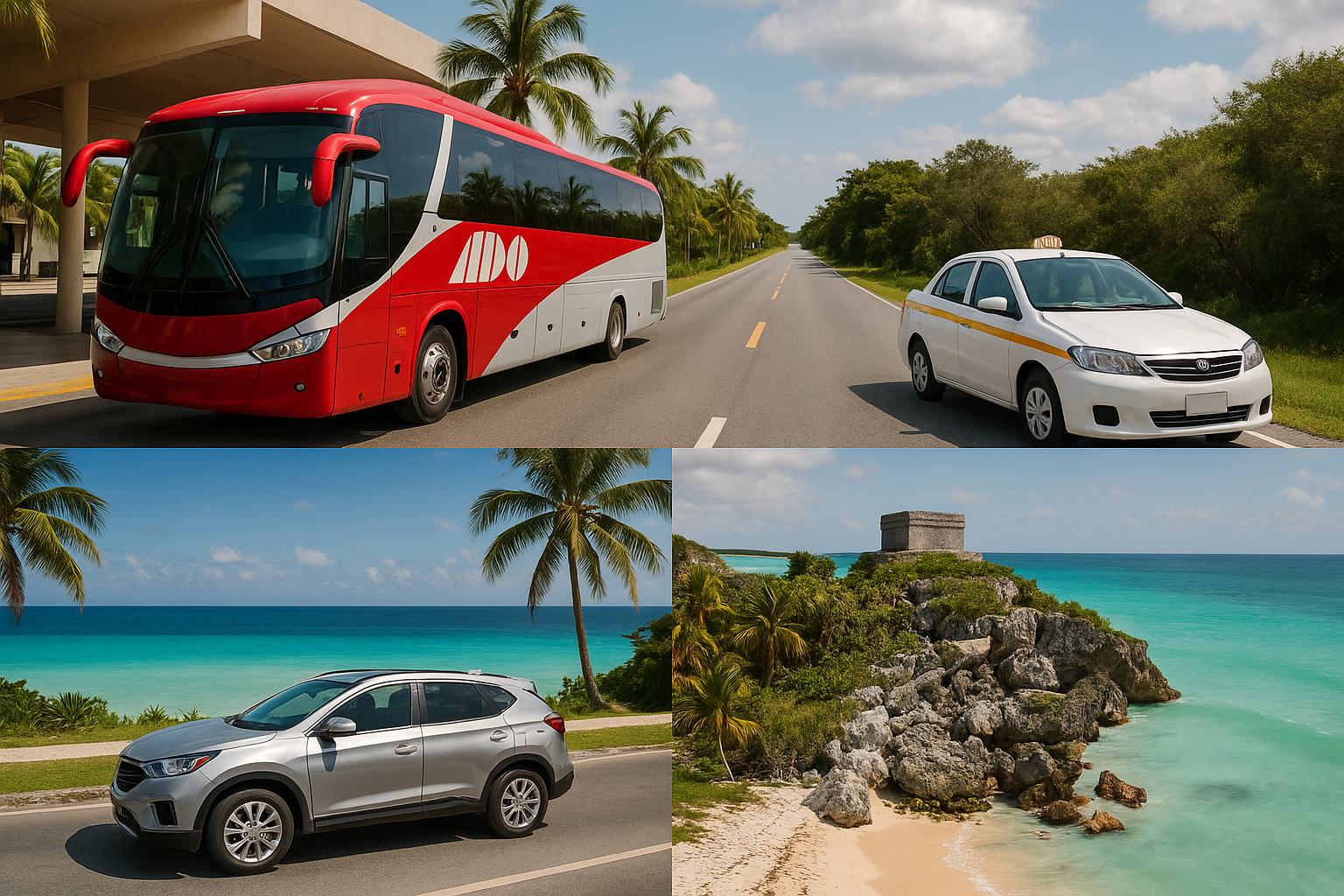
Getting from Cancun to Tulum: Everything You Need to Know in 2026
The journey from Cancun to Tulum is one of the most iconic road trips in all of Mexico. Whether you’re flying into Cancun Airport and heading straight down the coast, or you’ve spent a few days soaking up the city before making your move, this stretch of the Yucatán Peninsula is packed with things to discover along the way. The route itself sits at roughly 130 kilometers, and under normal conditions, you’re looking at around one hour and forty-five minutes of travel time — but the real magic happens when you slow down and explore what’s in between. This guide breaks down every transport option, every worthwhile stop, and everything you need to know to make the Cancun to Tulum journey one of the best parts of your trip.
Why Tulum Is Worth the Journey
Before we get into the logistics, let’s talk about why you’re going in the first place. Tulum isn’t just another beach town. It’s a place where ancient Mayan ruins sit on clifftops overlooking the turquoise Caribbean Sea, where jungle cenotes hide just a few kilometers from the coast, and where the atmosphere manages to feel both laid-back and electric at the same time.
The archaeological zone here is genuinely unlike anything else in the region. You’re standing among ruins that were built centuries ago, with nothing but open ocean stretching out in front of you. It’s one of those moments that stays with you. Beyond the ruins, Tulum’s beach road is lined with boutique guesthouses, open-air restaurants, and the kind of energy that attracts curious travelers from all over the world.
It’s not a hidden gem anymore — but it still delivers. You just need to know how to move through it smartly.
Your Transport Options from Cancun to Tulum
Taking the Bus: The Budget-Friendly Classic
If you’re traveling on a budget or simply prefer the ease of not driving, the bus is your best friend on this route. ADO, Mexico’s main long-distance bus operator, runs regular services between Cancun and Tulum throughout the day. The buses are comfortable, air-conditioned, and reliable — a genuinely pleasant way to travel. You can check current schedules and book tickets directly through the ADO official website before you leave home, which is worth doing during peak season.
The journey by bus typically takes somewhere between two to two and a half hours depending on stops, which is slightly longer than driving yourself but still very manageable. Buses depart from Cancun’s main bus terminal, which is centrally located and easy to reach from most hotels and the airport zone.
ADO also runs a faster, more express-style service on some routes, so it’s worth checking both options when you look at departure times. Prices vary by season and booking window, but the bus remains one of the most affordable ways to cover this distance. Always book ahead if you’re traveling around Mexican holidays or during the high season between December and April.
Shared Shuttles and Colectivos
For something a little more local, colectivos are a fantastic option. These shared minivans run along the main highway corridor and pick up and drop off passengers at various points along the route. They’re cheaper than private transfers and faster than stopping buses, and they give you a much more authentic slice of how locals actually get around.
You’ll typically find colectivos departing from near the main bus terminal area or from designated stops. They fill up quickly and leave when they’re full, so there’s no fixed schedule — just show up, find your van, and go. It’s spontaneous in the best way. The trade-off is that you’re sharing the ride and you might make a few stops, but for most travelers, that’s a small price to pay for the experience and the savings.
Shared shuttle services also operate specifically for tourists, offering a middle ground between the local colectivo and a full private transfer. These are pre-booked, air-conditioned, and often include hotel pickup. They cost more than a colectivo but significantly less than a private car.
Private Transfers: The Comfortable Option
If you’re arriving on a long flight, traveling with a group, or simply want the ease of door-to-door service with no guesswork, a private transfer is genuinely worth considering. A private round-trip transfer from Cancun Airport to Tulum runs at approximately $130, which split between a few people becomes very reasonable.
Private transfers mean no waiting, no stops, and a driver who knows the route. Many services also allow you to request stops along the way, which is worth asking about when you book. It’s not the most adventurous option, but there are moments in travel when comfort and simplicity are exactly what you need.
Renting a Car: Freedom on Your Own Terms
Renting a car for this route is a genuinely great idea — especially if you want to explore the stops between Cancun and Tulum at your own pace. The main highway, Federal Highway 307, is well-maintained, clearly signed, and easy to navigate even if you’ve never driven in Mexico before.
With a rental car, you can pull over at a cenote on a whim, stop for lunch in a town you’ve never heard of, or take a detour to ruins that aren’t on the standard tourist circuit. That kind of freedom is hard to put a price on. You’ll want to book your rental in advance through a reputable company, and it’s worth checking what insurance is included — full coverage is usually recommended for driving in Mexico.
The main consideration with renting is cost. When you factor in the rental fee, fuel, and insurance, it’s more expensive than the bus. But if you’re splitting it with two or three other people and planning to make several stops, the math often works out in your favor. You can explore current rental options through platforms like Rentalcars.com to compare prices across providers before you commit.
Parking in Tulum itself can be tricky in high season, so factor that in if you’re planning to stay for more than a day trip.
Stops Worth Making Along the Route
Cenotes: Underground Worlds Just Off the Highway
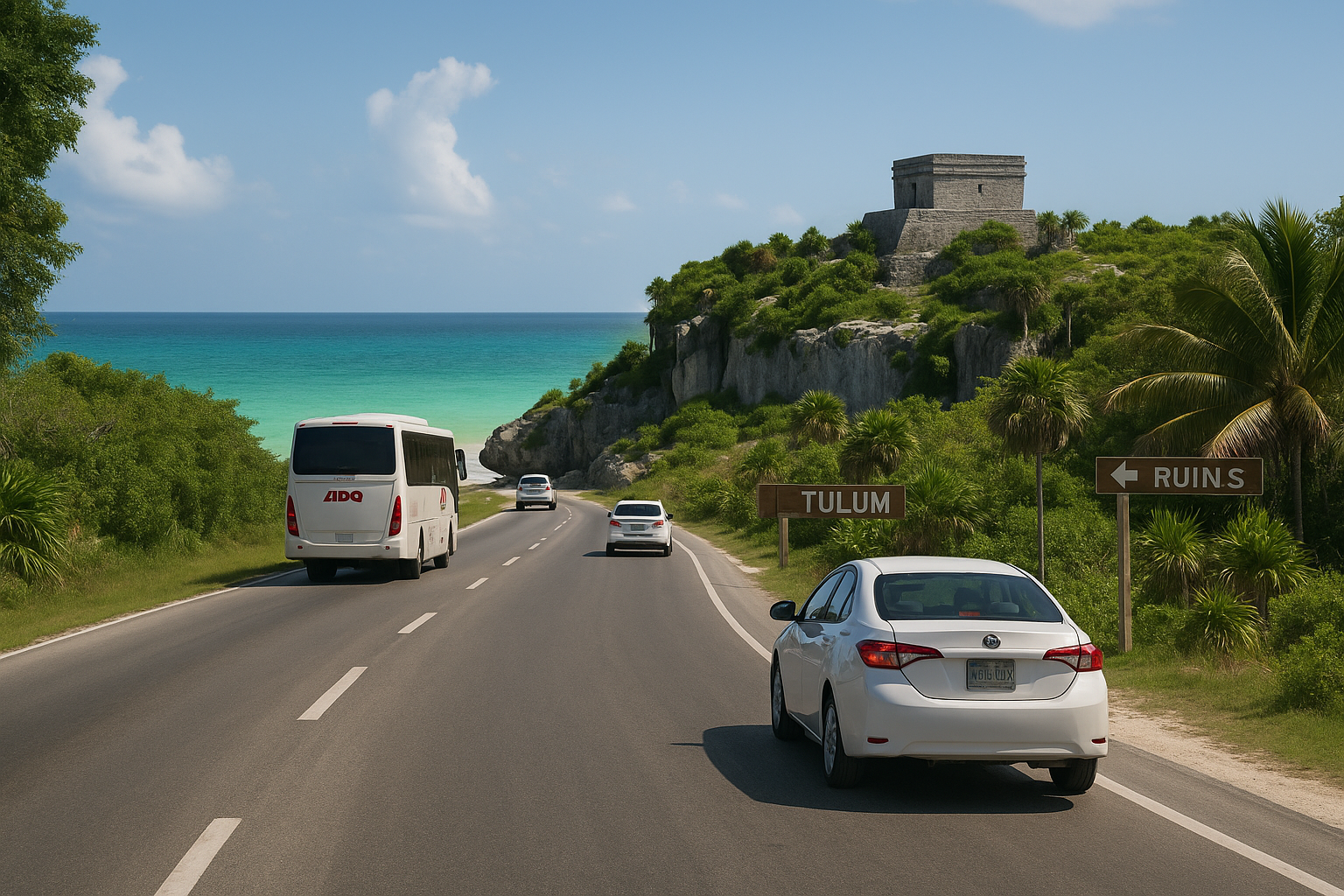
The stretch between Cancun and Tulum sits above one of the largest underground river systems on the planet. This means cenotes — natural sinkholes filled with crystal-clear freshwater — are scattered throughout the jungle on both sides of the highway. Some are famous and well-visited; others are quieter, reached by a short walk through the trees.
If you have your own car or you’re on an organized tour that includes stops, swimming in a cenote is an experience you shouldn’t skip. The water is cool, the light filters in from above in these stunning rays, and the silence underground is unlike anything you’ll find on the beach. Some cenotes are open-air and feel like swimming in a natural pool; others are cave systems where you float through chambers lit only by filtered sunlight and your own headlamp.
Go early in the morning if you can. The light is better, the crowds are smaller, and the whole experience feels more intimate. Most cenotes charge a modest entrance fee and ask you to shower before entering to protect the ecosystem — follow the rules, because these places are genuinely fragile.
Puerto Morelos: A Town That Moves at Its Own Speed
About 35 kilometers south of Cancun, Puerto Morelos sits just off the main highway and feels like it belongs to a different era. It’s a small fishing village with a slightly tilted lighthouse, a laid-back central square, and a reef just offshore that’s part of the Mesoamerican Barrier Reef — the second largest in the world.
Stop here for lunch, rent a snorkel, and spend an hour in the water. The reef is healthy and close to shore, and the town itself has a handful of excellent restaurants where you can eat fresh seafood without paying tourist prices. It’s the kind of place that makes you wonder why you ever rush anywhere.
Playa del Carmen: Energy and Options
Playa del Carmen is the obvious big stop on this route. It’s a full city in its own right, with a famous pedestrian street — Quinta Avenida — lined with restaurants, shops, and bars that run for several kilometers. It’s lively, well-connected, and worth at least a few hours if you haven’t been before.
From Playa del Carmen you can also catch a ferry to Cozumel, one of the world’s top diving destinations, if you want to add a side trip to your itinerary. The ferry crossing takes about 45 minutes and runs regularly throughout the day.
Akumal: Where Turtles Swim
A little further south, Akumal is famous for one thing: sea turtles. The bay here is a natural feeding ground, and on a good morning you can snorkel alongside them in relatively shallow water. It’s one of those wildlife encounters that feels genuinely special rather than staged. Arrive early, be respectful, and don’t touch anything — the turtles are wild animals and the experience is better for everyone when you keep your distance.
The Ruins of Cobá: A Different Kind of Ancient City
If you’re interested in Mayan history and you have a full day to work with, Cobá makes for a compelling detour inland from the highway. Unlike the coastal ruins at Tulum, Cobá sits deep in the jungle, surrounded by lakes and dense vegetation. The site is large enough that many visitors rent bicycles or take tuk-tuks to move between structures. It offers a very different atmosphere from Tulum’s clifftop setting — quieter, more immersive, and less crowded in the early morning hours.
Planning Around Weather and Crowds
The Yucatán Peninsula has a tropical climate, which means heat and humidity are constants. That said, there are better and worse times to make this journey depending on what you’re looking for.
The dry season, running roughly from November through April, brings the most predictable weather and the clearest skies. It’s also peak tourist season, which means the highway can get congested, popular cenotes fill up by mid-morning, and accommodation prices in Tulum climb significantly. If you’re traveling during this window, book everything in advance and start your days early.
The rainy season, from around May through October, brings afternoon showers and the occasional tropical storm. But it also brings greener jungle, fewer crowds, lower prices, and a different kind of beauty. Many experienced travelers actually prefer this time of year. Just keep an eye on hurricane forecasts if you’re visiting between August and October, and have a flexible itinerary.
Regardless of when you travel, the early morning is your best friend on this route. Cenotes are quieter, the ruins are cooler, and the light on the Caribbean is something else entirely before the midday sun takes over.
Practical Tips Before You Go
- Carry cash in Mexican pesos. Many cenotes, colectivos, and roadside food stalls don’t accept cards.
- Download an offline map before you leave. Cell coverage can be patchy in more rural stretches between towns.
- If you’re taking the bus, arrive at the terminal with some time to spare. Seats fill up quickly in high season.
- Bring reef-safe sunscreen. Several cenotes and marine areas now require it, and it’s better for the ecosystems you’re there to enjoy.
- Stay hydrated. The heat on the Yucatán Peninsula is no joke, especially if you’re spending time outdoors between stops.
- If you’re renting a car, take photos of it from every angle before you drive away — just standard good practice anywhere.
- The stretch of highway around Playa del Carmen can slow down significantly during rush hours, so factor that into your timing if you’re driving.
Which Option Is Right for You?
There’s no single best way to travel from Cancun to Tulum — it really depends on your style, your budget, and how much you want to explore along the way. If you’re on a tight budget and just need to get there, the bus is reliable and comfortable. If you want flexibility and the freedom to stop whenever something catches your eye, renting a car is hard to beat. If you’re arriving tired from a long-haul flight and just want to arrive without thinking about it, a private transfer takes all the stress away.
The one thing that’s true across all options: don’t just rush through. The Yucatán Peninsula rewards curiosity. The best moments on this route often happen when you stop somewhere unplanned, follow a sign down a dirt road, or spend an extra hour somewhere you hadn’t budgeted time for.
The Cancun to Tulum route is more than a transfer — it’s the beginning of the story. Take your time with it, and you’ll arrive with memories that started long before you reached your destination.
This article was produced with AI assistance and reviewed editorially.


City Guides for Young Travelers: Buenos Aires, Quito, and Trujillo (Culture, Food & Adventure)

Where to Stay in Southern Africa: Botswana, Namibia & Madagascar for First-Time Visitors


