
Asia
Bali vs. Lombok: The Real Breakdown for Budget Backpackers in 2026
Compare Bali and Lombok costs, crowds, and experiences. Find out which Indonesian island actually offers better value for budget backpackers in 2026.

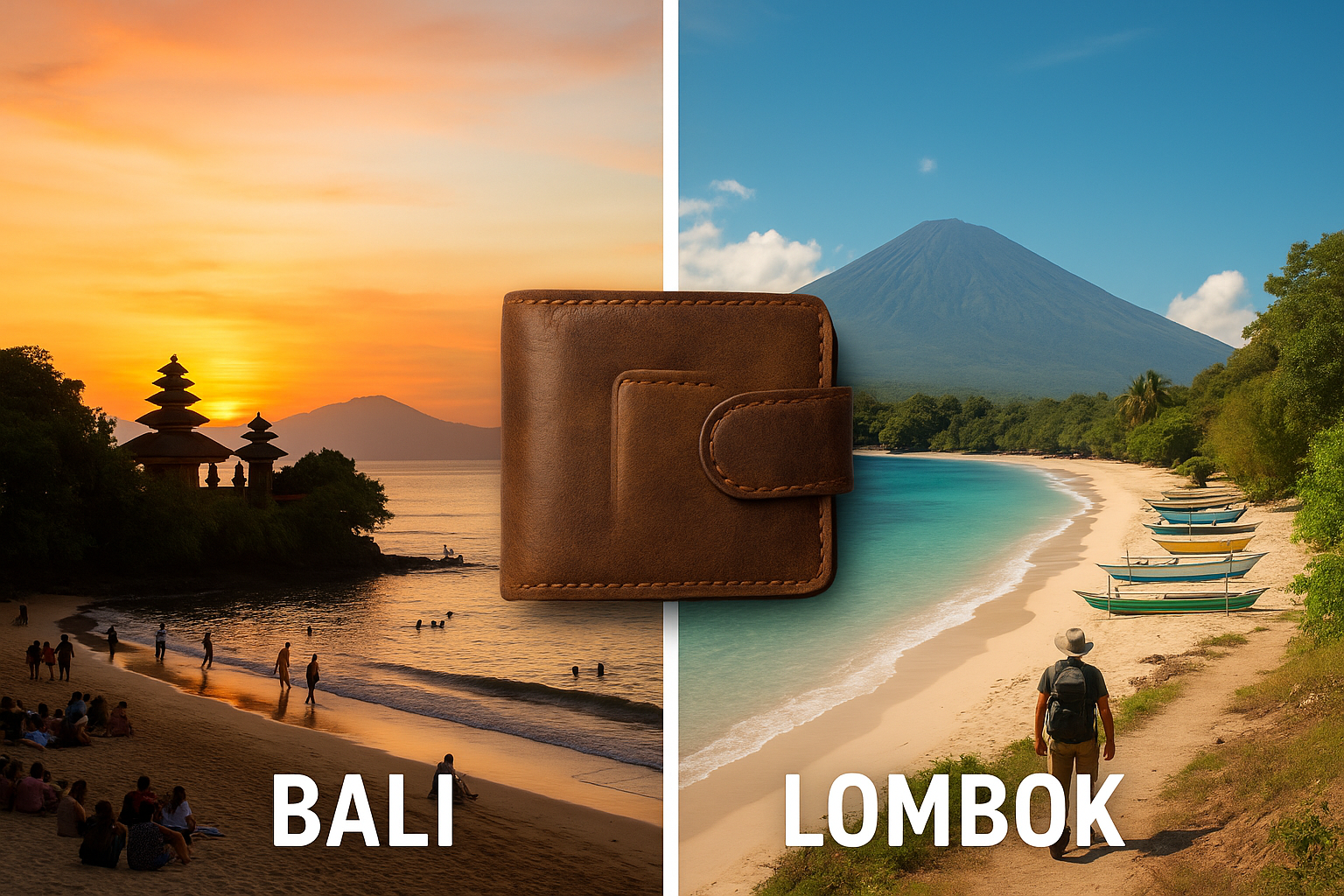
Bali vs. Lombok Budget: Which Indonesian Island Actually Fits Your Wallet?
Indonesia has more than 17,000 islands, but two names keep coming up in every backpacker conversation: Bali and Lombok. They sit just 35 kilometres apart across a narrow strait, yet stepping from one to the other can feel like travelling to a completely different world. If you’re trying to figure out the Bali vs. Lombok budget question — which island gives you more for your money, which vibe suits your travel style, and whether the hype around either of them is actually justified — you’re in the right place. This is the honest, practical breakdown you need before you book anything.
Two Islands, Two Very Different Identities
Bali has been on the global travel radar for decades. It has temples, rice terraces, surf breaks, yoga retreats, rooftop bars, and an entire wellness industry built around the idea of finding yourself somewhere between a green smoothie and a sunset. It’s well-connected, easy to navigate (once you accept the traffic), and genuinely stunning in places. But it’s also crowded, commercialised in its most popular corners, and increasingly expensive in the spots that everyone wants to visit.
Lombok is something else. People describe it as the Bali of twenty years ago — and that comparison says a lot. The beaches are quieter. The streets feel calmer. The locals haven’t yet been outnumbered by tourists in most parts of the island. And then there’s Mount Rinjani, one of the most dramatic volcanoes in Southeast Asia, rising above everything and drawing trekkers who want something genuinely challenging. Lombok also has the Gili Islands just off its northwest coast — three small, car-free islands that have their own distinct energy.
Neither island is better in an absolute sense. But one of them is probably better for you, depending on what you’re looking for and how much you want to spend each day.
The Real Cost of Travelling Bali in 2026
Let’s be direct: Bali’s reputation as a cheap destination has eroded significantly over the years, particularly in the areas that attract the most visitors. Places like Seminyak, Canggu, and Ubud tend to be noticeably pricier than the rest of Indonesia. To put that in concrete terms, a plate of nasi goreng — Indonesia’s beloved fried rice dish — costs around $1.50 in Jakarta but can climb to over $5 in Seminyak. That might not sound like much in isolation, but multiply that across every meal, every coffee, every activity, and it adds up fast.
Indonesia’s overall daily travel budget ranges from around $30 to $120 depending on your travel style, and Bali sits comfortably at the higher end of that range in its tourist hotspots. If you’re staying in budget guesthouses, eating at warungs (local food stalls), and renting a scooter to get around, you can still keep costs relatively reasonable. But if you’re tempted by the Instagram-famous cafés, the boutique hotels, and the surf schools with polished branding, your daily spend will climb quickly.
Where Bali genuinely earns its premium is in the quality and variety of what’s available. It scores between 9 and 10 across all accommodation categories — from budget hostels to luxury villas — meaning you have real choice at every price point. It also scores a perfect 10 for digital nomad infrastructure, which matters if you’re working remotely and need reliable internet, co-working spaces, and a community of like-minded travellers. The wellness scene is equally well-developed, also scoring a 10, which explains why so many people come to Bali specifically for yoga retreats, meditation courses, and spa experiences.
The one area where Bali genuinely struggles is traffic. It scores a 2 — described as the worst score in the rating database — and anyone who’s been stuck on a scooter in Canggu during peak hours will tell you that’s not an exaggeration. Getting around takes time, patience, and a willingness to accept that your journey will probably take twice as long as Google Maps suggests.
What Does a Day on Lombok Actually Cost?
Here’s where Lombok starts to look very attractive for budget-conscious travellers. Across comparable accommodation and food, Lombok consistently comes in 15 to 25 percent cheaper than Bali. That’s not a marginal difference — over a two-week trip, that gap translates into real money that you could spend on experiences instead.
A budget traveller on Lombok’s mainland — staying in a guesthouse, eating local food, getting around by rented motorbike — can expect to spend somewhere between $28 and $35 per day. That’s a genuinely comfortable budget that doesn’t require constant sacrifice. Mid-range travellers who want a nicer room, the occasional restaurant meal, and some paid activities should plan for around $60 to $80 per day.
The one exception to Lombok’s affordability is the Gili Islands. Gili Trawangan in particular has developed a strong party and dive tourism scene that pushes prices up. Accommodation and food on the Gilis run 30 to 40 percent higher than on the Lombok mainland. They’re worth visiting — the snorkelling and diving are genuinely excellent, and the no-motorised-vehicles rule gives them a wonderfully slow pace — but factor that premium into your planning if you’re heading there.
If trekking is on your list, a guided two-day trek up Mount Rinjani costs between $95 and $160 per person. That’s not a small amount for a budget traveller, but it’s a multi-day adventure that includes guides, porters, camping equipment, and meals on the mountain. For what you get — one of the most spectacular volcanic landscapes in the region — it represents genuine value.
Bali vs. Lombok Budget: A Side-by-Side Comparison
To make this clearer, here’s how the two islands compare across the key categories that matter most to budget backpackers:
- Daily budget (budget traveller): Lombok mainland $28–35/day; Bali tourist areas tend to push toward the higher end of Indonesia’s $30–120 range, especially in Seminyak, Canggu, and Ubud.
- Food costs: Lombok’s local warungs offer some of the most affordable meals on either island. Bali has plenty of cheap options too, but the concentration of tourist restaurants drives up average costs in popular areas.
- Accommodation: Lombok is 15–25% cheaper for comparable stays. Bali scores higher on variety and quality across all price points, but you pay for that range.
- Getting around: Renting a motorbike is the go-to on both islands. Lombok’s roads are less congested, which makes the experience more enjoyable. Bali’s traffic (rated 2 out of 10) is a genuine daily frustration.
- Activities: Bali’s tourism infrastructure means activities are well-organised and easy to book. Lombok’s experiences feel rawer and less commercialised, which is either a feature or a bug depending on what you want.
- Digital nomad life: Bali wins comfortably here, scoring a perfect 10 for infrastructure. Lombok is improving but still lags behind significantly.
- Wellness and retreats: Bali scores a 10 and has an enormous industry built around yoga, meditation, and spa culture. Lombok has options but nothing on the same scale.
The Vibe Difference: What No Budget Breakdown Can Fully Capture
Numbers only tell part of the story. The experience of being on each island feels genuinely different, and that matters as much as the daily spend.
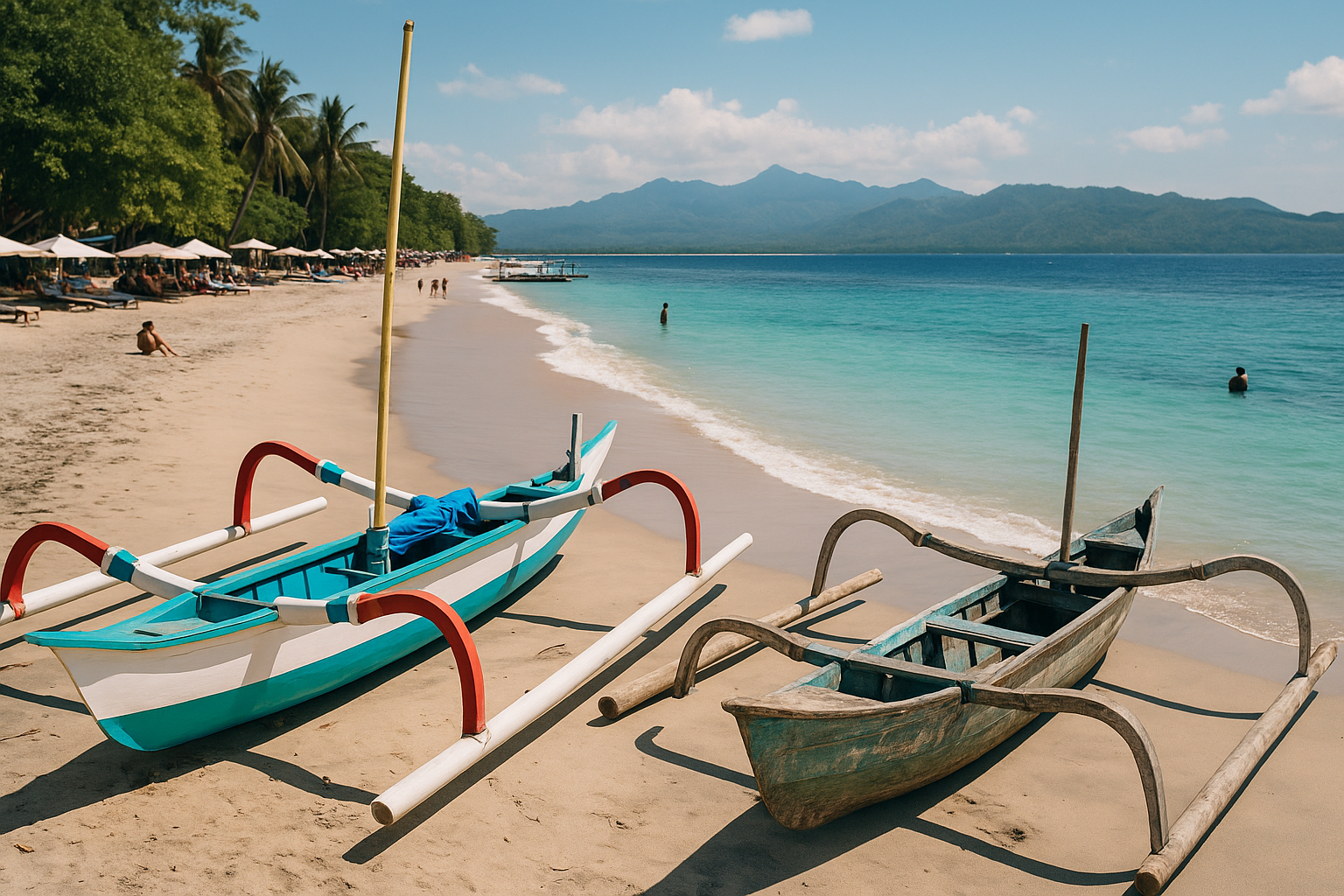
Bali is energetic and social in a way that can be overwhelming or wonderful depending on your mood. In Canggu, you’ll find yourself surrounded by surfers, digital nomads, and travellers who’ve been there for months. The café culture is real and excellent. The nightlife in Seminyak is lively. The spiritual side — the temples, the ceremonies, the offerings left on every doorstep — adds a layer of cultural depth that’s easy to access if you look beyond the tourist strip. Bali rewards curiosity. Wander into the rice fields around Ubud at sunrise, visit a temple ceremony in a village that doesn’t appear on any major tourist map, or take a cooking class with a local family, and you’ll understand why people keep coming back.
Lombok, by contrast, feels quieter and more spacious. One traveller description captures it well: Lombok is like a vacation from your Bali holiday. After the noise and stimulation of Bali, arriving in Lombok feels like exhaling. The beaches — Mawun, Selong Belanak, Tanjung Aan — are genuinely beautiful and far less crowded. The local Sasak culture is distinct from Bali’s Hindu traditions and worth exploring in its own right. And the overall rating on Lombok (7.5 vs. Bali’s 6.6) suggests that travellers who make the crossing tend to come away very satisfied.
If you’re someone who thrives on community, infrastructure, and a packed social calendar, Bali is probably your island. If you want fewer crowds, lower prices, and the feeling that you’ve found something slightly off the beaten path, Lombok will suit you better.
Who Should Choose Bali?
Bali makes most sense if:
- You’re a first-time visitor to Indonesia and want well-organised infrastructure around you.
- You’re working remotely and need reliable co-working spaces and fast internet.
- You want to do a yoga retreat, wellness programme, or surf course with plenty of options to choose from.
- You’re travelling solo and want to meet other travellers easily.
- You’re happy to spend a bit more in exchange for variety and convenience.
Just go in with realistic expectations. Bali is not the hidden gem it once was. It’s a well-developed tourism destination with all the advantages and trade-offs that come with that. You can still have an authentic, meaningful experience there — but you’ll need to seek it out rather than stumble into it.
Who Should Choose Lombok?
Lombok makes most sense if:
- You’re travelling on a tight budget and want your money to stretch further — that 15–25% saving is significant over a longer trip.
- You want beaches that feel genuinely uncrowded and natural.
- Trekking Mount Rinjani is on your list — it’s one of the most rewarding multi-day hikes in Southeast Asia.
- You’ve already done Bali and want something that feels different and less commercialised.
- You value a slower pace and don’t need a packed nightlife scene or a co-working community around you.
For more detailed information on planning your time and budget in Lombok, this Lombok travel budget guide breaks down costs by travel style in useful detail. And if you want a broader comparison of both islands across multiple categories, TripBase’s Bali vs. Lombok comparison is worth a look before you decide.
Can You Do Both? Absolutely.
Here’s the thing that many travellers overlook: you don’t have to choose. Bali and Lombok are only 35 kilometres apart, and there are regular fast boats running between them. A common and genuinely satisfying approach is to spend a week or so in Bali — get your bearings, explore Ubud, catch a sunset in the right place — and then take the boat across to Lombok for a slower, cheaper second chapter. The contrast between the two makes each one feel more vivid.
If you’re heading to Lombok from Bali, the Gili Islands make a natural stopover. Spend a couple of nights on Gili Air or Gili Meno (quieter than Gili T), then continue to the Lombok mainland for the beaches and, if you’re up for it, the Rinjani trek. That kind of itinerary gives you the best of both worlds without blowing your budget on either island.
Final Thoughts: Let Your Travel Style Decide
The Bali vs. Lombok budget debate doesn’t have a single winner, because the right answer depends entirely on what you want from your trip. Bali offers more infrastructure, more variety, and a well-worn traveller community — but you’ll pay for it, especially in the areas everyone flocks to. Lombok offers lower prices, quieter beaches, and the feeling of discovering something before the crowds arrive in full force — but with fewer of the conveniences that make travel easy.
What both islands share is something that Indonesia does better than almost anywhere else: the ability to make you feel like the world is bigger, more colourful, and more surprising than you remembered. Whether you’re watching a ceremony outside a temple in Bali’s countryside or waking up to an empty beach on Lombok’s south coast, that feeling is the same. And it’s the reason people keep coming back to this part of the world, island after island, story after story.
Start planning, trust your instincts, and go find out for yourself.
This article was produced with AI assistance and reviewed editorially.


City Guides for Young Travelers: Buenos Aires, Quito, and Trujillo (Culture, Food & Adventure)

Where to Stay in Southern Africa: Botswana, Namibia & Madagascar for First-Time Visitors


