
North America
USA Road Trip Bases: Where to Stay in 7 Underrated American Towns (2026)
Discover where to stay on your USA road trip in 7 emerging destinations like Chattanooga, Fort Worth, and Portland Maine. Budget-friendly and mid-range options.

Why These Seven Towns Should Be Your Next Road Trip Bases
Figuring out where to stay on a USA road trip is genuinely one of the most exciting parts of planning. Not the stressful kind of exciting — the kind where you’re scrolling through a map at midnight, realizing you could sleep in a mountain town in Vermont one night and wake up near a Texas rodeo the next. The seven towns in this guide aren’t the ones plastered on every travel influencer’s feed. They’re the places that reward curiosity: smaller, more genuine, and often more memorable than the big-name cities that everyone else is already booking. Whether you’re a first-time road tripper or someone who’s done the classic routes and wants something fresher, these destinations are worth building your itinerary around.
Chattanooga, Tennessee: Where Outdoor Adventure Meets Urban Cool
Chattanooga has been quietly earning its reputation as one of the most compelling stops on any Southern road trip. Recognized in Condé Nast Traveler’s best places to visit in the US in 2026, the city sits at the edge of the Appalachians with the Tennessee River running right through it. That combination — rugged outdoor access and a genuinely walkable downtown — makes it an unusually flexible base.
For budget travelers, the North Shore neighborhood is worth exploring first. It’s a short walk across the Walnut Street Bridge from downtown and has a relaxed, community-driven feel. Hostels and budget guesthouses in this area tend to fill up fast in summer, so booking a week or two ahead makes sense. If you’re willing to spend a little more, boutique hotels in the downtown core put you close to the Tennessee Aquarium, local coffee shops, and the arts district without requiring a car for every errand.
If you’re arriving with outdoor plans — hiking Signal Mountain, climbing at Tennessee Wall, or paddling the river — consider staying slightly outside the city center where vacation rentals often include parking and gear storage. Chattanooga is compact enough that nothing feels far, and that flexibility makes it ideal as a two-night base before heading further into the Appalachians or south toward Atlanta.
Fort Worth, Texas: A Cultural Base with Real Personality
Fort Worth gets unfairly overshadowed by Dallas, which is a shame because it has a character all its own. The Stockyards National Historic District gives it a genuine Western identity, while the Cultural District — home to several world-class museums clustered within walking distance of each other — offers something completely different just a few miles away. Fort Worth appears in multiple 2026 travel guides as a destination worth prioritizing, and it’s easy to see why once you’re there.
The Sundance Square area in downtown is a solid choice for mid-range stays. It’s walkable, lively in the evenings, and surrounded by local restaurants and live music venues. Budget travelers often find better value by staying in the Near Southside neighborhood, which has developed a strong independent food and arts scene and tends to offer more affordable accommodation without sacrificing atmosphere.
If you’re road tripping through Texas, Fort Worth works well as a transition point between Dallas and destinations further west. Spending two nights here lets you explore the Stockyards in the morning — where longhorn cattle still walk the streets daily — and the museums in the afternoon, without feeling rushed. It’s the kind of place that earns your respect slowly, and that’s exactly why it sticks with you.
Portland, Maine: Waterfront Charm and Genuinely Good Food
Portland, Maine punches well above its weight for a city of its size. Widely recognized as one of America’s most charming small cities, it combines a working waterfront with a food scene that draws visitors from across the country. The Old Port district — cobblestone streets, brick buildings, fishing boats in the harbor — is the obvious starting point, and staying within walking distance of it makes the most of your time.
For budget-conscious travelers, guesthouses and smaller inns on the edges of the Arts District offer good value and a more local feel than the hotels closer to the water. Mid-range options in the West End, a quieter residential neighborhood with Victorian architecture and independent cafés, give you a sense of what it actually feels like to live in Portland rather than just visit it.
One thing to keep in mind: Portland is a seasonal destination, and summer accommodation books up quickly. If you’re planning a late June through August visit, securing your stay at least a month in advance is wise. Spring and early autumn are genuinely underrated times to visit — the lobster shacks are still open, the crowds are thinner, and the light on the harbor is extraordinary.
Lake Placid and Stowe, Vermont: Two Mountain Towns Worth Choosing Between
Lake Placid, New York
Lake Placid has an Olympic history that gives it a certain energy even in the off-season. Nestled in the Adirondacks, it’s a year-round destination that shifts personality dramatically between summer and winter. In warmer months, hiking and kayaking dominate. Come winter, it’s cross-country skiing, skating, and watching ski jumpers train on the Olympic jumps. Lake Placid features in 2026 travel guides as a destination worth the detour, and it genuinely delivers on that promise.
Accommodation here ranges from budget-friendly motels on the outskirts of town to mid-range inns right on Mirror Lake. If you can stretch the budget slightly, staying on the lake itself transforms the experience — early mornings on the water are the kind of thing you’ll still be talking about years later. For travelers on tighter budgets, the motels a short drive from the village center are clean, convenient, and significantly cheaper, especially outside peak ski and leaf-peeping seasons.
Stowe, Vermont
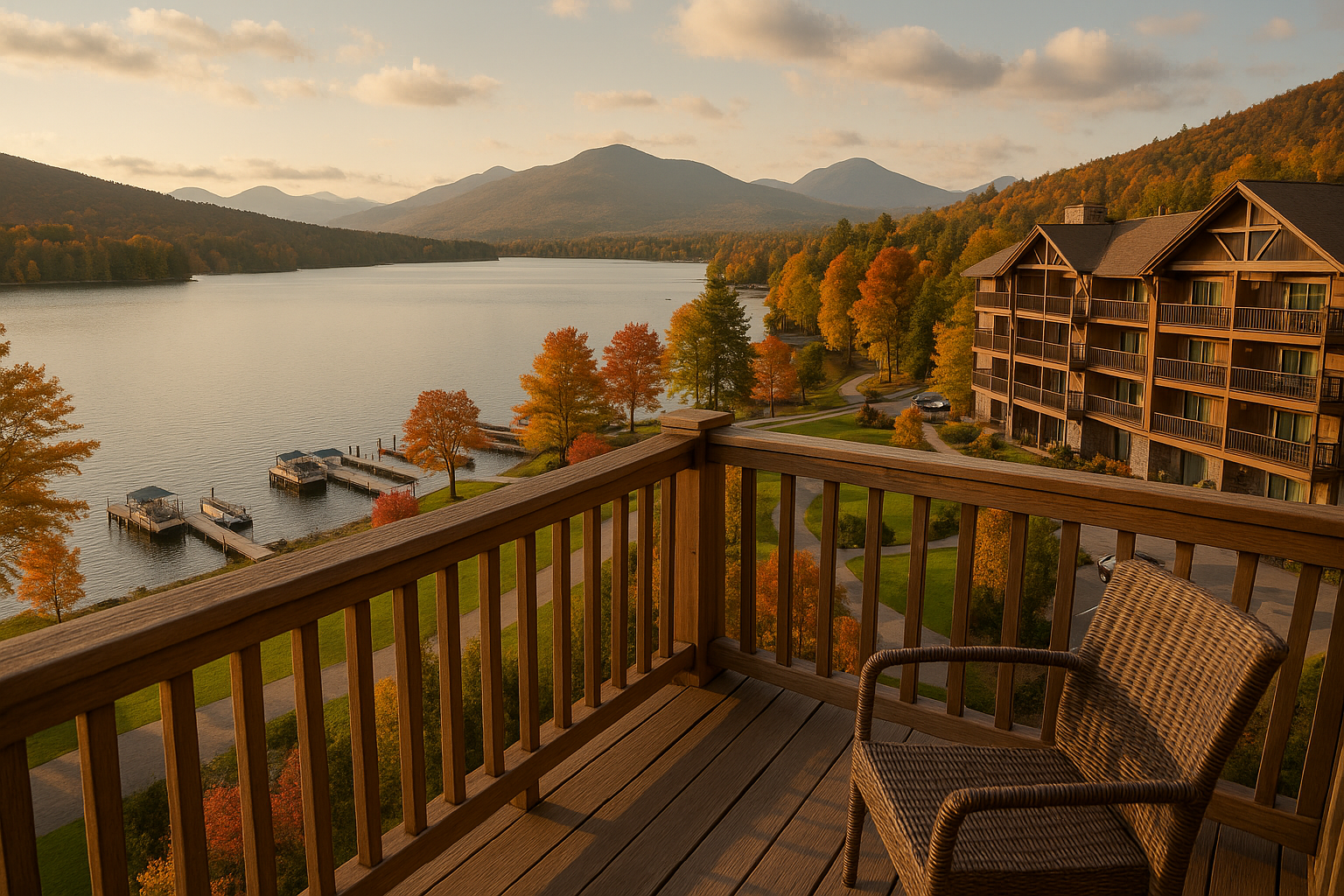
Stowe has a quieter, more refined feel than Lake Placid. The village is small and walkable, surrounded by farms and forests, with Mount Mansfield — Vermont’s highest peak — rising behind it. It appears in travel recommendations as a small town worth visiting this year, and it’s particularly compelling for travelers who want natural beauty without a lot of noise.
The Mountain Road corridor between the village and the ski resort has a range of accommodation options, from classic New England inns to modern rental properties. Budget travelers often find that staying in the village itself — rather than up the mountain — gives better access to local restaurants and the recreation path, which winds along the river and is one of the most pleasant walks in New England. Stowe rewards slow travel: plan at least two nights to feel like you’ve actually arrived.
Big Bear, California: A Mountain Escape That Works Year-Round
Big Bear sits at elevation in the San Bernardino Mountains, about two hours from Los Angeles, and it’s one of those places that surprises people who expect it to be just a ski town. Yes, winter brings snow and slopes. But summer in Big Bear is genuinely spectacular — cool temperatures, hiking trails around the lake, mountain biking, and a laid-back village atmosphere that feels nothing like the coast.
Big Bear Lake village is the natural base, with a main strip of shops, restaurants, and rental outfitters. Cabin rentals are the dominant accommodation style here, and they make sense for groups or anyone traveling with gear. A two-bedroom cabin shared between a few friends can work out cheaper per person than a hotel room, and having a kitchen saves money on meals during a multi-night stay. For solo travelers or couples, smaller studios and guesthouses in the village offer a more affordable entry point.
Timing matters in Big Bear. Winter weekends fill up fast with skiers from LA, and summer weekends are increasingly popular. Weekday stays — even in peak season — are noticeably quieter and often cheaper. If you’re building a West Coast road trip, Big Bear works beautifully as a detour between Los Angeles and Joshua Tree, giving you a complete change of landscape and pace in a single day’s drive.
Long Island, New York: More Than a Day Trip from the City
Long Island gets dismissed as a commuter suburb by people who’ve never ventured past the first few exits. That’s their loss. The East End — the Hamptons and the North Fork wine country — offers a genuinely different experience from anything else on the East Coast. Long Island appears in 2026 travel recommendations as a destination worth exploring beyond its city-adjacent reputation, and that framing is exactly right.
The North Fork is the less glamorous but more authentic sibling to the Hamptons. Small towns like Greenport have a working waterfront feel, excellent farm-to-table restaurants, and a growing number of boutique inns and guesthouses that won’t drain your budget the way South Fork accommodation can. For travelers who want the beach experience without the scene, the South Shore — with its barrier island beaches along the Atlantic — offers a more relaxed alternative to the Hamptons circuit.
If you’re road tripping up the East Coast, Long Island makes a logical stop between New York City and New England. Budget travelers can find reasonable accommodation in towns like Riverhead or Patchogue, both of which have developed interesting food and arts scenes in recent years. Mid-range options on the North Fork, particularly around Greenport, put you within cycling distance of wineries and the ferry to Shelter Island — one of those small detours that ends up being the highlight of the whole trip.
Practical Tips for Booking Accommodation on a US Road Trip
- Book shoulder season where possible. Late spring and early autumn offer better prices and thinner crowds in almost all seven of these destinations. You’ll often get the same experience for significantly less.
- Consider your transport needs. Some of these towns — like Chattanooga and Portland, Maine — are walkable enough that you can park once and explore on foot. Others, like Big Bear and Lake Placid, really benefit from having your car close to your accommodation.
- Look beyond hotels. Vacation rentals, guesthouses, and independent inns often give you a more genuine sense of a place than chain hotels. They’re also frequently better value for groups of two or more.
- Read recent reviews carefully. These smaller towns have accommodation scenes that change quickly. A place that was the local favorite two years ago might have changed ownership or quality since then.
- Don’t over-plan your nights. Leaving one or two nights flexible — especially on longer road trips — gives you the freedom to stay an extra night somewhere that surprises you, which is often where the best memories come from.
- Check local event calendars before booking. A festival, race, or regional event can double accommodation prices in small towns. Knowing what’s on helps you either plan around it or lean into it.
Building Your Itinerary Around These Bases
The beauty of thinking about where to stay on a USA road trip in terms of smaller, more interesting towns is that it changes the whole character of your journey. Instead of spending your nights in generic hotel corridors near highway interchanges, you wake up somewhere that has its own story. Chattanooga puts you inside the Appalachian adventure. Fort Worth gives you Texas culture without the scale of Dallas. Portland, Maine rewards you with one of the best food scenes on the East Coast. Lake Placid and Stowe offer mountain clarity. Big Bear gives you altitude and perspective. Long Island surprises you with genuine local life hiding just beyond the city’s shadow.
None of these places require a big budget to enjoy properly. What they require is a little curiosity and the willingness to slow down enough to actually experience them. That’s the thing about the best road trip bases — they’re not just somewhere to sleep. They’re places that change what you notice, who you talk to, and what you end up carrying home with you.
Thinking carefully about where to stay on your USA road trip isn’t just a logistical decision. It’s the foundation of the whole experience. Choose towns that have something to say, and your trip will too. These seven are a genuinely good place to start — and if you want to go deeper on planning any of them, resources like Nomadic Matt’s guide to the best places in the United States can help you build out the details around each stop. The road is waiting. Make the most of every night on it.
This article was produced with AI assistance and reviewed editorially.


Spain’s Capital Reimagined: A 5-Day Madrid Itinerary Beyond the Guidebook

USA Road Trip Bases: Where to Stay in 7 Underrated American Towns (2026)


