
Asia
Real Ecotourism in Vietnam: 4 Genuine Destinations (And Why Most ‘Eco’ Tourism Isn’t)
Discover real ecotourism in Vietnam where your visit supports conservation. Explore Phong Nha-Ke Bang, Cuc Phuong, Mekong Delta, and Cat Ba with verified impact.

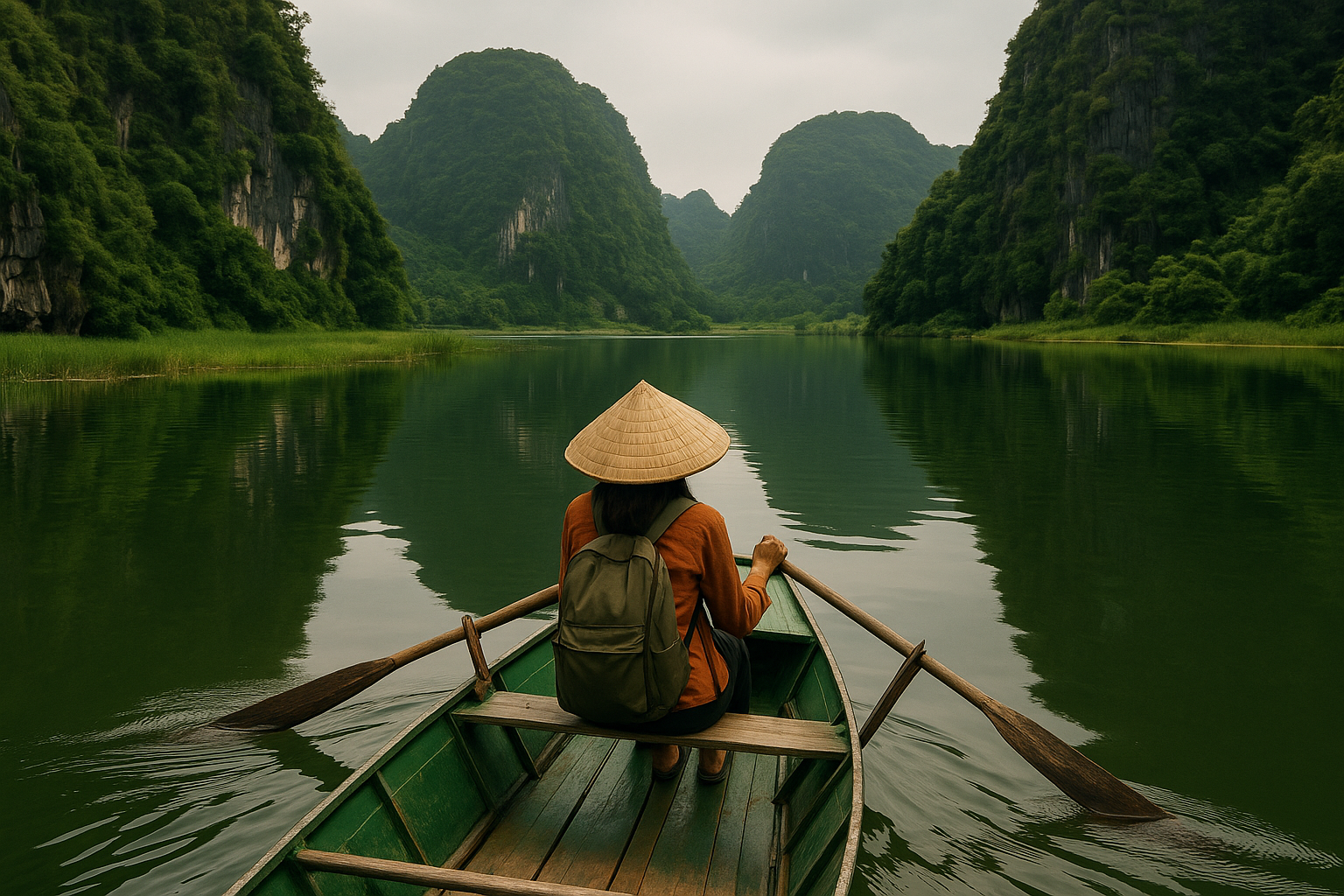
Why Ecotourism in Vietnam Is Worth Your Attention — But Also Your Skepticism
Vietnam is one of those countries that gets under your skin. The food, the landscapes, the chaos of the cities, the quiet of the countryside — it all adds up to something genuinely hard to forget. So it makes sense that ecotourism in Vietnam has exploded in popularity over the last decade. Travelers want to experience the country’s extraordinary natural world without trashing it. That’s the right instinct. But here’s the uncomfortable truth: a huge chunk of what gets marketed as “eco” travel in Vietnam is little more than regular tourism wearing a green hat. If you care about where your money actually goes, this guide is for you.
We’re going to walk through four destinations where genuine, responsible travel is actually happening — places where your visit can contribute to conservation, support local communities, and leave something positive behind. We’ll also be honest about what greenwashing looks like in practice, and how you can tell the difference before you book.
What Real Ecotourism Actually Means
Before diving into destinations, it’s worth getting clear on what ecotourism is supposed to be. The concept goes beyond simply visiting a forest or a national park. Genuine ecotourism involves three core commitments: minimizing environmental impact, actively contributing to conservation, and benefiting local communities economically and culturally.
That’s a high bar. It means the tour operator should be directing a meaningful portion of revenue toward protecting the ecosystem you’re visiting. It means local people — not just distant investors — should be earning a living wage from the activity. And it means you, as the traveler, should come away with a deeper understanding of the environment and the challenges it faces.
When those three things are happening, ecotourism works. When they’re not, you’re just on a nature tour with better branding. Vietnam has plenty of both, which is why doing a bit of research before you go makes a real difference.
Phong Nha-Ke Bang National Park: Caves, Karsts, and Conservation
Phong Nha-Ke Bang, in Quảng Bình province in central Vietnam, is one of the country’s most dramatic natural environments. The national park sits on an ancient karst landscape riddled with river caves, dry caves, and underground passages that have been forming for hundreds of millions of years. UNESCO recognized its outstanding universal value, and it’s easy to see why the moment you step inside one of the cave systems and realize the scale of what you’re looking at.
The park has become one of the most compelling ecotourism destinations in Vietnam precisely because access to its most sensitive areas is carefully controlled. Cave tours are limited in group size, guided by trained local experts, and structured to minimize human impact on the fragile underground ecosystems. The revenue from tourism feeds directly into conservation management and provides employment for communities in the surrounding buffer zones — people who previously relied on activities like illegal logging and forest clearance.
What makes Phong Nha work as an ecotourism model is the involvement of local guides who grew up in the area. Many of them have a personal stake in protecting the forest because their livelihoods now depend on it remaining intact. When you hire a local guide here rather than booking through a large outside operator, you’re making a tangible choice about where your money lands.
If you’re visiting, consider staying in Phong Nha village itself rather than in the larger towns further away. Small guesthouses and family-run homestays in the village keep your spending in the local economy. And when you’re choosing a cave tour, ask specifically which community organizations or conservation funds the operator supports. A genuine ecotourism provider will have a clear, specific answer.
Cuc Phuong National Park: Vietnam’s Oldest Forest and Its Wildlife
Cuc Phuong, established in the 1960s, holds the distinction of being Vietnam’s first national park. It covers a stretch of lowland tropical forest in Ninh Bình province, and it’s home to an extraordinary range of biodiversity — ancient trees, limestone caves, and wildlife that includes primates, civets, pangolins, and hundreds of bird species.
What sets Cuc Phuong apart in the context of ecotourism is the presence of wildlife rescue and rehabilitation centers within the park. These centers take in animals that have been confiscated from the illegal wildlife trade — one of the most serious conservation threats Vietnam faces. Visitors can observe rehabilitation work and learn about the pressures that wild animals in Southeast Asia face from poaching and habitat loss. It’s not entertainment. It’s education with real stakes, and it leaves most people who visit with a completely different understanding of why conservation matters.
Trekking in Cuc Phuong takes you through forest that feels genuinely ancient. Some of the trees here are over a thousand years old, and walking among them gives you a sense of scale that’s hard to describe. The park offers guided overnight treks that take you deeper into the forest, away from the day-tripper crowds, and into areas where wildlife sightings are more likely.
As with Phong Nha, the key to making your visit count is choosing guided experiences run by or in partnership with the park authority, rather than private operators who simply use the park as a backdrop. Cuc Phuong is listed among Vietnam’s genuine ecotourism destinations by conservation-focused travel organizations, and its wildlife programs give it a credibility that many “eco” destinations simply can’t match.
The Mekong Delta: Homestays That Actually Support Communities
The Mekong Delta is a world unto itself. A vast network of rivers, canals, floating markets, and rice paddies stretching across southern Vietnam, it’s one of the most productive agricultural regions in Asia and home to a way of life that’s increasingly under pressure from climate change, industrial farming, and rural migration.
Sustainable homestays in the Delta offer something genuinely different from the standard tourist circuit. Operations like Mekong Rustic, based in Cai Be and Cần Thơ, are built around working directly with local communities — farmers, fishermen, and artisans — to create experiences where travelers participate in daily life rather than observing it from a distance. You might spend a morning harvesting vegetables, learning to cook regional dishes, or paddling a small boat through narrow canals that no tour bus could ever reach.
The economic model here matters. When homestay revenue flows directly to local families rather than being funneled through large hotel chains or outside tour operators, it creates an incentive for those families to maintain traditional practices and protect the surrounding environment. It also means you’re having real conversations with real people, which tends to be the part of any trip you actually remember.
The Delta faces serious environmental challenges — rising sea levels, saltwater intrusion, and the gradual loss of traditional farming practices. Traveling here thoughtfully means choosing operators who are honest about those challenges and who direct some of their income toward community resilience projects. Ask your homestay host what they’re doing to adapt to environmental change. The answer will tell you a lot.
Cat Ba Island: Marine Protection and Responsible Eco-Lodges
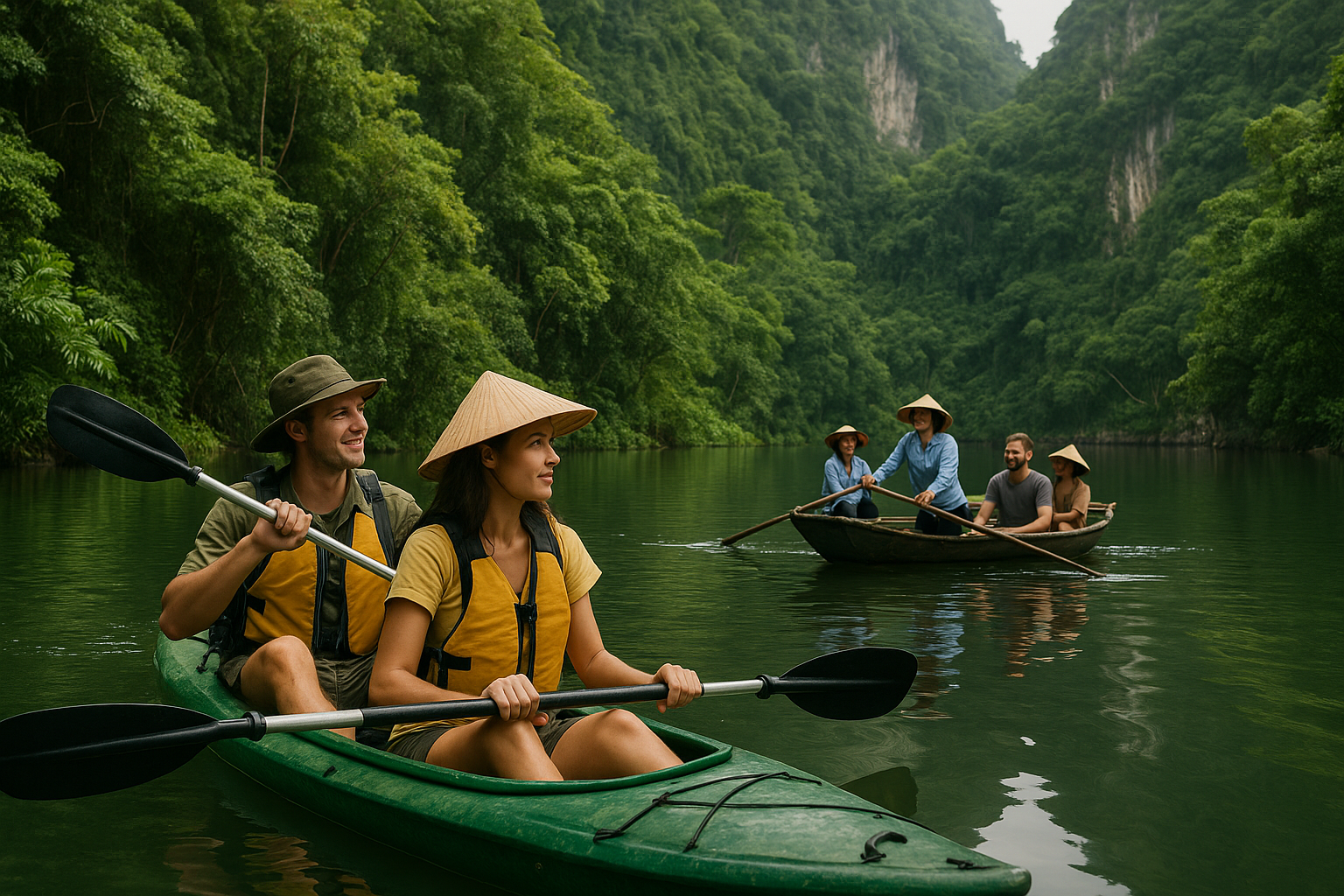
Cat Ba Island sits at the southern end of Hạ Long Bay, and while Hạ Long itself has become famous to the point of overcrowding, Cat Ba offers a quieter, more considered alternative. The island is part of a UNESCO-recognized biosphere reserve that encompasses both terrestrial and marine ecosystems, including coral reefs, seagrass beds, and the habitat of the critically endangered Cat Ba langur — one of the rarest primates on Earth.
Ecotourism on Cat Ba is centered on protecting those ecosystems while giving travelers access to some genuinely spectacular natural scenery. Responsible eco-lodges on the island operate with an awareness of their environmental footprint — managing waste carefully, sourcing food locally, and contributing to marine conservation initiatives. Kayaking through the limestone karsts and floating fishing villages of Lan Ha Bay, which sits on the quieter eastern side of Cat Ba, is one of those experiences that stays with you long after you’ve gone home.
Marine protection is an active concern here. Coral reef monitoring, responsible fishing practices, and limits on boat traffic in sensitive areas are all part of the conservation picture. When you choose a kayaking or snorkeling operator on Cat Ba, look for ones that brief you on responsible behavior around marine ecosystems — no touching coral, no feeding fish, no anchoring on reef. These might seem like small things, but they reflect a genuine conservation ethic rather than a marketing line.
Cat Ba is also a good base for exploring the national park that covers much of the island’s interior. Forest hikes here offer a chance to spot wildlife in a landscape that feels genuinely wild, even though you’re only a few hours from Hanoi by road and ferry.
The Greenwashing Problem: How to Spot It
Here’s the part that most travel guides skip over. The majority of what’s sold as ecotourism in Vietnam doesn’t meet the basic definition of the term. It’s mainstream tourism — sometimes quite mass-market tourism — dressed up with nature imagery and sustainability language. That’s not a minor issue. It means travelers who think they’re contributing to conservation are often doing no such thing, and it undermines the operators who are doing the work properly.
So how do you tell the difference? A few questions cut through the noise quickly:
- Where does the money go? A genuine ecotourism operator can tell you specifically what percentage of revenue goes to conservation or community programs. Vague answers like “we care about the environment” are a red flag.
- Who are the guides? Local guides with roots in the area are a strong indicator of genuine community involvement. Guides bused in from cities who follow a script are not.
- How big are the groups? Genuine ecotourism limits group sizes to protect sensitive environments. Large group tours through national parks are rarely ecotourism in any meaningful sense.
- What’s the accommodation like? Luxury resorts built inside or adjacent to protected areas, regardless of how they market themselves, often have a net negative impact on the ecosystems they claim to protect.
- Is there any educational component? Real ecotourism teaches you something about the environment and the conservation challenges it faces. If the experience is purely recreational with a nature backdrop, it’s not ecotourism.
- Are wildlife interactions involved? Any tour that involves touching, riding, or posing with wild animals is not ecotourism. Full stop. Vietnam has a serious problem with wildlife exploitation dressed up as nature tourism, and it’s worth being clear-eyed about this.
You can also look for third-party certifications or affiliations with recognized conservation organizations. These aren’t foolproof, but they provide more accountability than self-applied “eco” labels. Organizations like the World Wildlife Fund and the International Union for Conservation of Nature publish resources on responsible wildlife tourism that are worth reading before you book anything involving animals or sensitive ecosystems.
Ninh Binh: An Emerging Model Worth Watching
Ninh Bình province, just a few hours south of Hanoi, has attracted attention as a potential model for ecotourism development in Vietnam. The landscape — dramatic limestone karsts, flooded rice paddies, ancient temples, and slow-moving rivers — is genuinely extraordinary, and the provincial government has shown more interest than most in managing tourism in a way that protects the environment rather than consuming it.
The area around Tràng An, a UNESCO World Heritage site, has implemented visitor management systems that limit boat traffic and control access to sensitive cave systems. Small-scale boat tours operated by local families are the primary way to explore the waterways, keeping revenue within the community and maintaining a human scale that feels appropriate to the environment.
Ninh Bình is still developing its ecotourism identity, which means there’s a mix of genuinely responsible operators and those simply riding the marketing wave. But it’s a destination worth watching — and visiting thoughtfully — as it figures out what kind of tourism future it wants.
How to Travel Responsibly in Vietnam’s Natural Spaces
Beyond choosing the right destinations and operators, there are habits that make a real difference wherever you travel in Vietnam’s natural environments:
- Stay on marked trails in national parks. Vegetation in tropical forests recovers slowly from foot traffic, and going off-trail often does more damage than it looks like.
- Carry your waste out. Plastic pollution is a serious problem in Vietnam’s natural areas, and even in well-managed parks, litter is an ongoing challenge.
- Eat local. Choosing food from local markets and family-run restaurants rather than tourist-facing chains keeps money in the community and reduces the carbon footprint of your meal.
- Be skeptical of “eco” labels on accommodation. Ask specific questions about water use, waste management, and energy sources. A genuinely sustainable lodge will welcome the conversation.
- Travel slowly. Spending more time in fewer places has a lower environmental impact than rushing through a checklist of destinations, and it tends to produce far better experiences anyway.
For deeper reading on sustainable travel frameworks and how ecotourism can genuinely benefit conservation, the IndieTravel guide to ecotourism in Vietnam offers an honest, well-researched perspective that doesn’t shy away from the industry’s contradictions.
Vietnam Is Worth Protecting — And You Can Help
Vietnam’s natural environments are extraordinary. The karst landscapes, the ancient forests, the river systems, the marine ecosystems — this is a country with biodiversity that rivals anywhere on Earth, and it’s under real pressure from development, climate change, and poorly managed tourism. The good news is that your choices as a traveler genuinely matter. When you spend money with operators who are doing ecotourism properly — supporting communities, protecting habitats, educating visitors — you’re making that model more viable. When you ask hard questions and walk away from greenwashed alternatives, you’re pushing the industry toward higher standards.
Phong Nha-Ke Bang, Cuc Phuong, the Mekong Delta, and Cat Ba Island are four places where that kind of travel is already happening. They’re not perfect, and no destination ever is. But they’re places where your curiosity and your spending can contribute to something larger than a good Instagram post. That’s the whole point of genuine ecotourism in Vietnam — and honestly, it makes for a far more interesting trip.
This article was produced with AI assistance and reviewed editorially.


New Zealand’s Geothermal Wonders: Rotorua & Where to Stay for Adventure & Maori Culture

Adventure Beyond the Beach: Things to Do in Jeju, South Korea & Tayrona Park, Colombia


