
United Kingdom
UK Island and Coastal Escapes: Isles of Scilly, Cornwall, and London Walks for Young Travelers
Discover authentic UK island coastal escapes for young travellers. Explore the Isles of Scilly, Cornwall’s beaches and villages, plus London’s hidden walking routes.

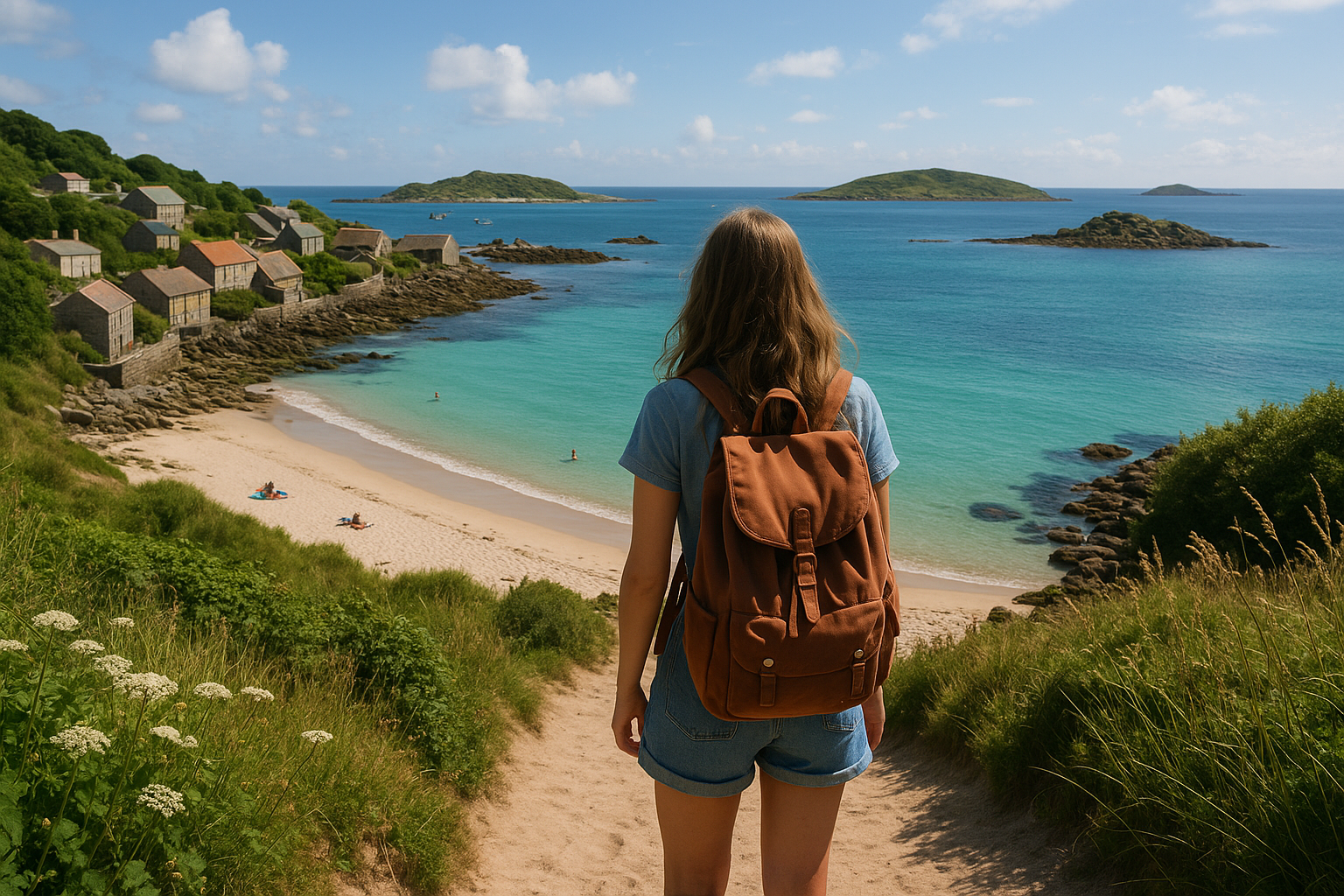
Why UK Island Coastal Escapes Deserve a Spot on Your Travel List
When most people think about travelling in the UK, they picture red phone boxes, rainy afternoons in London, and maybe a quick trip to Edinburgh. But the UK has a whole other side — one with turquoise water, wild cliff paths, ancient fishing villages, and islands so remote they feel like a different world entirely. If you’re between 16 and 30 and looking for authentic British experiences that go far beyond the tourist trail, UK island coastal escapes are genuinely worth your attention. This guide covers three very different but equally compelling destinations: the Isles of Scilly, the Cornwall coast, and London’s hidden walking routes. Three experiences, one island nation, endless stories to collect.
The Isles of Scilly: Britain’s Best-Kept Secret
Sitting 28 miles off the coast of Cornwall, the Isles of Scilly feel like they belong somewhere in the Mediterranean — except they’re entirely, wonderfully British. The archipelago is made up of five inhabited islands and dozens of uninhabited ones, and the whole place moves at a pace that makes the rest of the world feel like it’s on fast-forward. This is the kind of destination where you arrive and immediately wonder why you haven’t been before.
What makes the Isles of Scilly so striking is the water. The beaches here feature turquoise waters and fine white sand that genuinely rival anything you’d find in southern Europe. With over 35 beaches spread across the archipelago, you’re never far from a stretch of coastline that feels completely your own. On quieter days, especially outside peak summer months, you can walk along a beach and see almost no one. That kind of solitude is rare, and it’s worth seeking out.
Getting There and Getting Around
Reaching the islands takes a little effort, which is part of what keeps them special. You can fly from several regional airports in southwest England, or take the Scillonian ferry from Penzance — a crossing that’s scenic, occasionally choppy, and genuinely memorable. Once you’re there, the main hub is St Mary’s, the largest island. From St Mary’s, small passenger boats connect to the other islands throughout the day, making it easy to island-hop at your own pace.
There are no traffic jams here. No big supermarkets. No chain restaurants. What you get instead is a network of footpaths, a handful of brilliant local cafés, and the kind of unhurried atmosphere that makes you reconsider how you usually spend your time. For young travellers used to cities, the Isles of Scilly can feel almost surreal at first — and then deeply restorative.
What to Do on the Islands
Tresco is one of the most visited of the smaller islands, and for good reason. Tresco Abbey Gardens is a remarkable subtropical garden that thrives in the islands’ mild microclimate, filled with plants from across the world growing in what feels like an unlikely paradise. It’s the kind of place that surprises you — you don’t expect to find something so lush and curated in such a remote location, and that contrast is exactly what makes it worth visiting.
Beyond gardens, the islands are ideal for kayaking, snorkelling, and coasteering. The clear water makes sea kayaking especially rewarding — you can paddle around uninhabited islands, spot seals resting on rocks, and explore sea caves that are only accessible by water. Wildlife is abundant here: puffins, dolphins, and grey seals are all regular visitors depending on the season.
If you’re into history, the islands have a fascinating past shaped by shipwrecks, smugglers, and ancient Bronze Age burial sites. Several of the uninhabited islands contain prehistoric remains that you can explore freely. Walking the coastal paths on any of the islands gives you constant views and constant discovery — it’s the kind of walking where you stop every few minutes because something new has caught your eye.
For a deeper look at planning your time there, the official Isles of Scilly tourism website is genuinely useful and covers everything from accommodation to seasonal events.
Cornwall: Where the Land Meets the Atlantic
Cornwall is one of those places that earns its reputation. It’s been drawing travellers for generations, and yet it still manages to feel like somewhere you’re discovering for the first time — especially if you get off the main roads and follow the coast. The region stretches along England’s southwestern tip, with the Atlantic on one side and the English Channel on the other, and the variety of landscapes packed into that peninsula is remarkable.
St Ives and the North Coast
St Ives is probably Cornwall’s most photographed town, and it’s easy to see why. The harbour is lined with whitewashed cottages, the beaches curve around the bay in both directions, and the light here has an unusual quality that’s attracted artists for well over a century. The town has a genuinely vibrant arts scene — galleries, studios, and independent shops fill the narrow streets alongside some excellent places to eat.
Arrive early in the morning if you can, before the day-trippers show up. Walk down to Porthmeor Beach as the sun comes up, grab a coffee from a local café, and watch the surfers take the first waves of the day. That’s St Ives at its best — unhurried, beautiful, and completely alive.
The north Cornish coast is wilder and more exposed than the south. Massive Atlantic swells roll in from thousands of miles of open ocean, which makes this coastline one of the best surfing destinations in the UK. Towns like Newquay and Bude have built entire communities around surf culture, and the energy is infectious even if you’ve never stood on a board in your life. Surf schools are everywhere, the learning curve is steep but rewarding, and the post-session fish and chips taste better than anything you’ve had before.
The South Coast and Hidden Villages
The south Cornish coast has a completely different character — calmer water, wooded river valleys that run down to the sea, and fishing villages that feel genuinely unchanged. Mousehole (pronounced “Mowzel,” which is the kind of thing you learn the hard way) is one of the most charming harbour villages in the county. Mevagissey, Fowey, and Portloe are others worth seeking out — small enough that you feel like you’ve found something real rather than something packaged for tourists.
Penzance is worth a stop, both as a gateway to the Isles of Scilly and as a destination in its own right. The town has a slightly eccentric, creative energy that sets it apart from more polished coastal resorts. The art deco lido on the seafront — one of the few remaining outdoor seawater pools in England — is worth a swim on a sunny afternoon, and the surrounding area includes the iconic St Michael’s Mount, a tidal island topped with a medieval castle that you can walk to at low tide.
Walking the Coastal Path
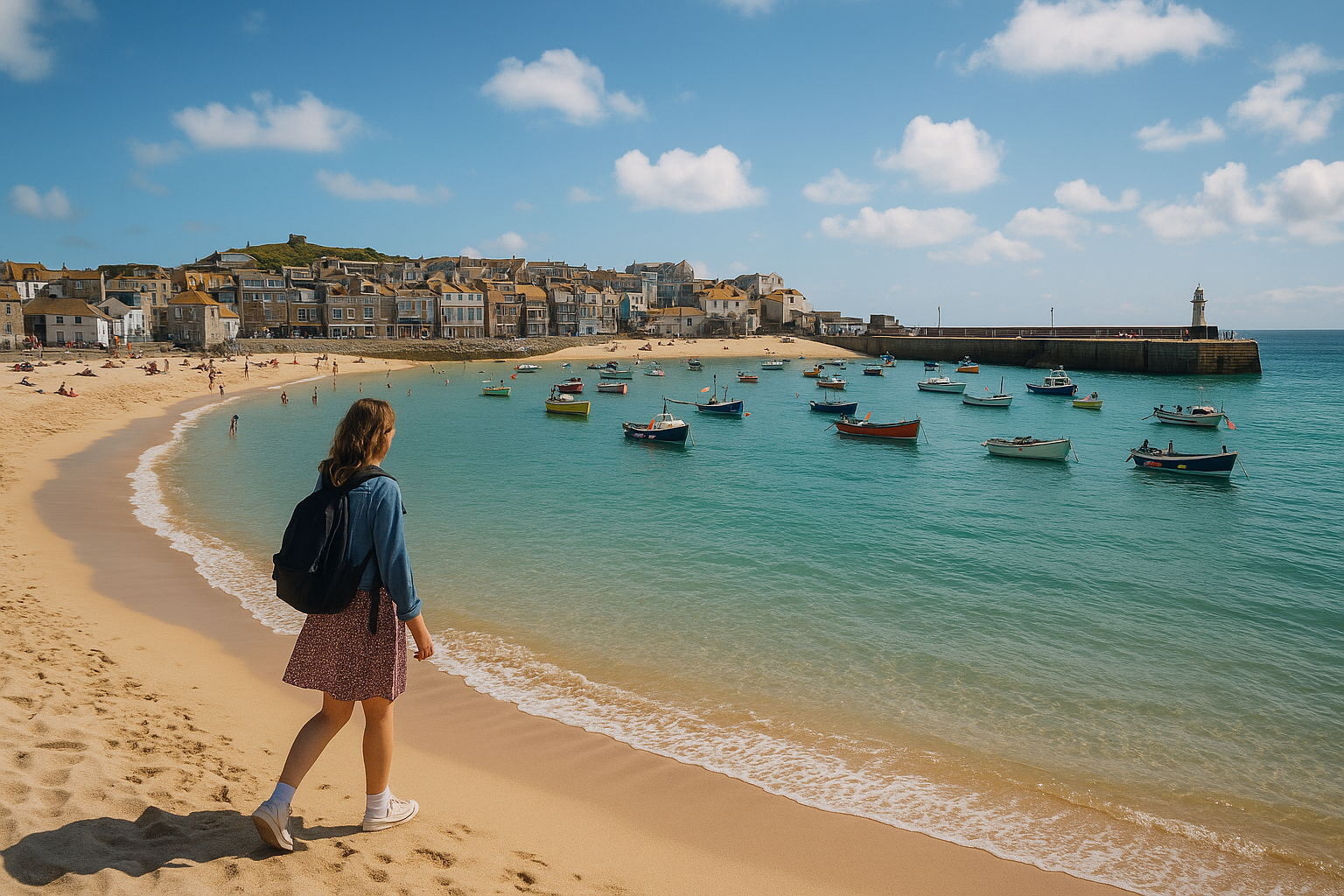
The South West Coast Path runs along the entire Cornish coastline and is one of the great long-distance walking routes in Europe. You don’t need to walk the whole thing — though some people do — because almost any section you pick will reward you with dramatic views, hidden coves, and the kind of physical challenge that makes you feel genuinely alive. Day walks between villages are easy to plan, and the path is well-signed throughout.
Even a few hours on the coastal path gives you a sense of Cornwall that no beach resort can replicate. You’re walking through the same landscape that generations of fishermen, miners, and smugglers navigated. The cliffs are ancient, the sea is relentless, and the path keeps revealing new angles on a coastline that never quite looks the same twice.
For those thinking about combining Cornwall with the Isles of Scilly in a single trip, Responsible Vacation’s Cornwall and Isles of Scilly holiday guide offers a thoughtful overview of how to structure the journey sustainably and meaningfully.
London on Foot: Discovering the City Beyond the Landmarks
London gets a lot of attention for its big-ticket attractions — the Tower of London, Buckingham Palace, the British Museum — and those places are worth seeing. But the city reveals its real character when you walk it. London is one of the great walking cities in the world, a place where turning down an unfamiliar street can lead you somewhere completely unexpected. For young travellers, exploring London on foot is both the most affordable and the most rewarding way to understand the city.
Why Walking Changes Everything
When you’re underground on the Tube, London is just a series of station names. When you walk, it becomes a layered, living place. You notice how quickly neighbourhoods change — how a few blocks can take you from a Victorian market to a brutalist housing estate to a Georgian square lined with cherry trees. You start to understand the city’s geography, its rhythms, and the way different communities have shaped different parts of it over centuries.
Walking also forces you to slow down and pay attention. You notice the blue plaques on buildings marking where famous people lived, the hidden courtyards tucked behind busy streets, the murals that appear on the sides of buildings with no explanation. London rewards curiosity, and walking is the best way to be curious.
Guided Walks and Self-Guided Routes
If you want some structure, guided walking tours are an excellent option. London Walks, available at walks.com, offers a wide range of themed tours covering everything from Jack the Ripper’s East End to the hidden pubs of Soho. These tours are led by knowledgeable guides and tend to be genuinely engaging rather than dry recitations of dates and facts. They’re also a great way to meet other travellers.
For self-guided exploration, some of the most rewarding routes connect areas that don’t usually appear in the same breath. Walking from Bermondsey to Borough Market along the Thames gives you views of the river, the Shard, and the old wharves that once made this stretch of the South Bank the engine of London’s trade. Walking from Shoreditch through Bethnal Green and into Victoria Park takes you through one of the most culturally layered parts of east London, past street food markets, independent bookshops, and community gardens.
The Regent’s Canal towpath is another favourite — a flat, car-free route that takes you from Little Venice in west London through Camden and onwards to east London, passing houseboats, lock-keepers’ cottages, and some of the city’s most interesting street art. It’s the kind of walk where you keep thinking you should turn back, and then something new appears around the next bend.
Neighbourhoods Worth Exploring on Foot
- Bermondsey and Peckham: Independent galleries, rooftop bars, and a food scene that punches well above its weight. Walk between them on a Saturday and you’ll find markets, studios, and a community that’s genuinely proud of what it’s built.
- Hackney and Dalston: East London at its most eclectic. Record shops, vintage clothing, community gardens, and some of the best coffee you’ll find anywhere in the city.
- Greenwich: Walk down from the park with its panoramic views of the city skyline, through the old naval college buildings, and along the riverside. History and architecture in every direction, and far fewer crowds than central London.
- Brixton: Vibrant, culturally rich, and full of energy. The covered market is a genuine local institution, and the streets around it are lined with music, food, and independent businesses that reflect the neighbourhood’s Caribbean heritage and its ongoing evolution.
- Notting Hill and Portobello Road: Best on a Saturday when the market is in full swing. Antiques, street food, colourful houses, and the kind of atmosphere that makes you want to stay for the whole afternoon.
Planning Your UK Coastal and Island Adventure
The beauty of combining these three destinations is that they offer completely different experiences while remaining relatively easy to connect. You can fly into London, spend a few days walking the city and getting under its skin, then take a train southwest to Cornwall — a journey that’s scenic and comfortable — and from Cornwall, make the crossing to the Isles of Scilly for a final stretch of remote island life. It’s a trip that builds in intensity and then slows right down, which is a genuinely satisfying way to travel.
Timing matters. Cornwall and the Isles of Scilly are at their best from late spring through early autumn, when the weather is warm enough to swim and the days are long. London is worth visiting year-round, though spring and early summer bring the parks to life in a way that’s hard to resist. Travelling outside peak summer months means fewer crowds and lower prices — always worth considering if you’re budget-conscious.
Accommodation across all three destinations ranges from budget hostels and camping to self-catering cottages and guesthouses. The Isles of Scilly tend to be pricier given their remoteness, so booking well in advance is sensible. Cornwall has options at every price point, and London’s hostel scene is well-developed and genuinely social.
The Real Reason to Go
UK island coastal escapes don’t get the same global attention as the Greek islands or the French Riviera, and that’s precisely what makes them worth discovering right now. The Isles of Scilly offer a kind of wild, unhurried beauty that’s genuinely rare. Cornwall gives you dramatic coastline, living culture, and the freedom to explore at your own pace. And London, walked properly and curiously, reveals itself as one of the most layered and endlessly interesting cities in the world. Put them together and you have a journey that covers remote wilderness, ancient fishing communities, and one of the great urban adventures on the planet — all within a single country that most people think they already know. The best trips are often the ones that surprise you, and this one will.
This article was produced with AI assistance and reviewed editorially.


New Zealand’s Geothermal Wonders: Rotorua & Where to Stay for Adventure & Maori Culture

Adventure Beyond the Beach: Things to Do in Jeju, South Korea & Tayrona Park, Colombia


