
Peru
Cusco and Peru’s Sacred Valley: Choosing the Right Hostel for Your Altitude Adventure
Find the right hostels in Cusco for altitude acclimatization, Machu Picchu treks, and social scenes. Explore over 100 options tailored to different traveler types.

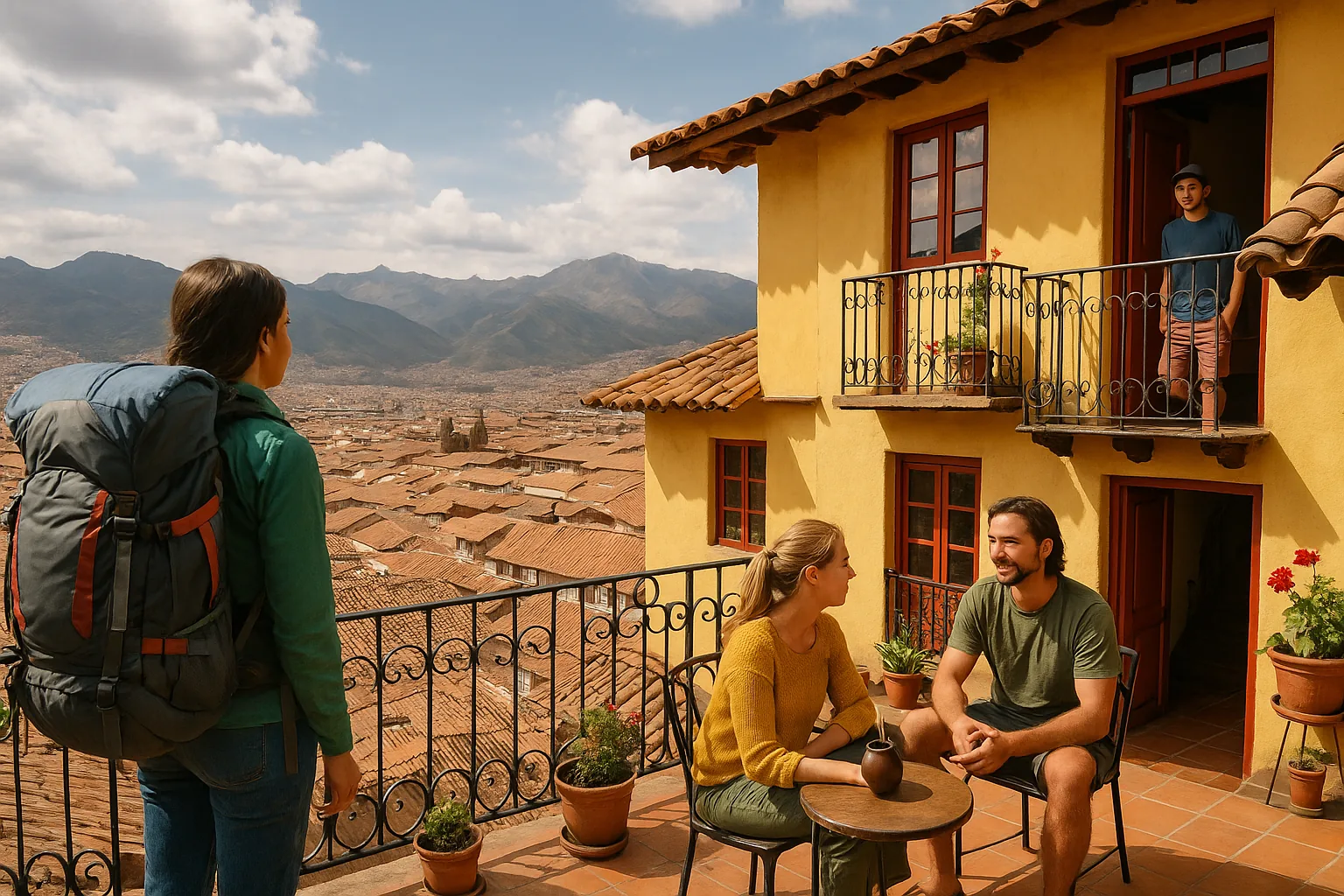
Cusco hits differently from the moment you step off the plane. The air is thin, the streets are cobblestoned and ancient, and everywhere you look there’s a reminder that you’re standing in what was once the beating heart of the Inca Empire. Choosing the right hostels in Cusco isn’t just about finding a bed — it’s about setting yourself up for the whole adventure, from acclimatizing properly to launching day trips into the Sacred Valley and eventually making your way to Machu Picchu. Get this choice right, and everything else falls into place.
Why Cusco Is Unlike Any Other Backpacker Hub
Most cities on the backpacker trail reward you for diving straight in. Cusco asks you to slow down first. Sitting at roughly 3,400 metres above sea level, it’s one of the highest cities you’ll visit anywhere in South America, and your body needs time to adjust before you start chasing ruins and hiking trails. That reality shapes everything — including what you should look for in a hostel.
But beyond the altitude, Cusco is genuinely one of the most layered cities on the continent. Colonial Spanish architecture sits directly on top of Inca stonework. Markets overflow with textiles, quinoa, and chicha. The Plaza de Armas fills with locals and travelers at all hours. It’s a place where history isn’t something you read about — it’s something you walk through every single day. That energy is part of what makes the hostel scene here so vibrant. People arrive curious and leave with stories they’ll be telling for years.
With over 100 hostels listed on major booking platforms, the options can feel overwhelming. But once you understand what kind of traveler you are — and what kind of trip you’re planning — narrowing it down becomes a lot more manageable.
Acclimatization First: What to Look for in Your First Hostel
If you’re flying in from Lima or arriving from a coastal city, altitude sickness is a real possibility. Headaches, fatigue, and nausea are common in the first 24 to 48 hours. This isn’t a reason to avoid Cusco — it’s just a reason to plan your first couple of nights carefully.
Some travelers actually choose to start their journey in the Sacred Valley rather than Cusco itself. The valley sits at a lower elevation, making it a gentler entry point for your body to begin adjusting. From there, you move up to Cusco feeling significantly more prepared. It’s a smart move if you’ve never dealt with altitude before or if you’re particularly sensitive to it.
If you go straight to Cusco — which most people do — look for hostels that offer a few key things. Oxygen availability is a genuine amenity at some properties, and it’s worth checking whether your hostel has it or can connect you to it quickly if needed. Warm common areas matter too, because the nights get cold and you’ll want somewhere comfortable to rest without retreating immediately to your dorm. A hostel with a good kitchen or café on-site is also useful when you’re not feeling well enough to wander far for food.
Beyond physical amenities, the staff at your hostel can be your best resource. The best hostels in Cusco employ locals who understand altitude sickness deeply and can advise you on mate de coca — coca leaf tea — which is a traditional and widely available remedy that many travelers swear by. Don’t underestimate that kind of local knowledge. It’s worth more than any fancy feature on a booking platform.
Hostels in Cusco by Traveler Type
The Solo Backpacker Who Wants to Connect
If you’re traveling alone and looking to meet people, Cusco’s social hostel scene is genuinely excellent. Look for properties with organized communal dinners, group tours, pub crawls, or rooftop hangouts. The best social hostels here create an atmosphere where conversations happen naturally — over breakfast, in the common room, or during a shared trip to Pisac market.
👉 Read also: Southeast Asia Spiritual Retreats: Luang Prabang & Cusco Hostels for Solo Travelers
Viajero Cusco Hostel, formerly known as Kokopelli, has long been a fixture in Cusco’s hostel scene and regularly appears in traveler recommendations for its social energy. It’s the kind of place where you check in alone and leave with a group of people you’re already planning your next trip with. Look for similar properties that prioritize communal spaces and staff-led activities — those are the ones that consistently deliver on the social promise.
The Hiker Heading for Machu Picchu
If your whole trip is structured around the Inca Trail or an alternative trek like the Salkantay route, you need a hostel that understands logistics. That means early check-out options without drama, secure luggage storage for gear you’re leaving behind, and staff who can help you coordinate transport and permits.
Ollantaytambo, in the Sacred Valley, is actually the departure point for many Machu Picchu trains, which means some trekkers prefer to base themselves there for a night or two before heading out. The Sacred Valley lies directly between Cusco and Machu Picchu, and spending time there isn’t just practical — it’s genuinely worth it. The ruins at Ollantaytambo itself are impressive, and the town has a laid-back energy that feels very different from the buzz of central Cusco.
For hikers staying in Cusco, proximity to tour operators and transport hubs matters. Neighborhoods closer to the Plaza de Armas give you easy access to everything, while slightly quieter areas offer better sleep before big days on the trail. Think about what you need most: convenience or rest.
The Culture-Seeker Who Wants to Go Deeper
Not everyone comes to Cusco just to hike. If you’re here to explore the history, visit local markets, take a cooking class, or simply spend hours wandering through neighborhoods most tourists miss, you’ll want a hostel with knowledgeable staff and a location that puts you close to the cultural heart of the city.
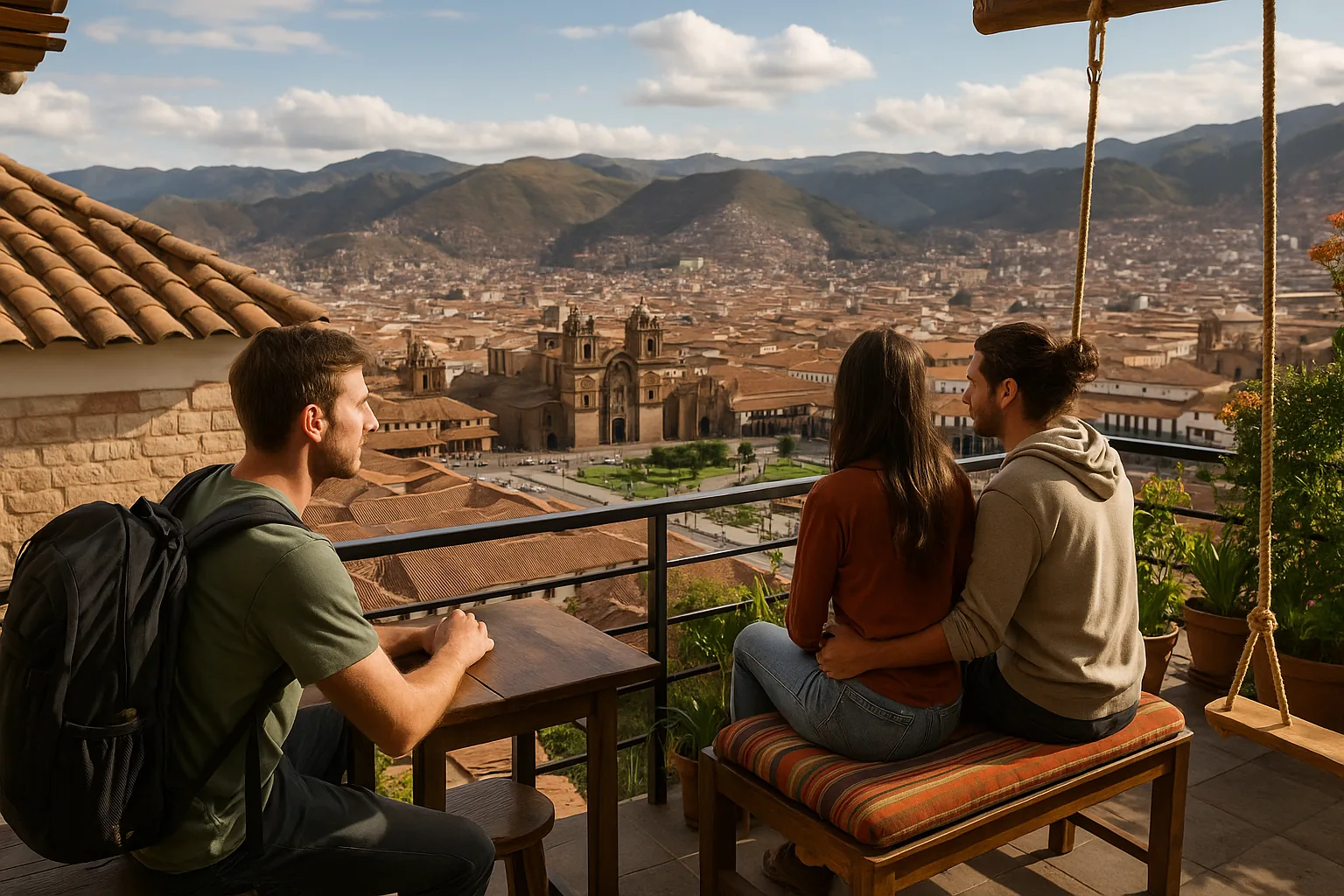
Look for hostels in the San Blas neighborhood — a hillside barrio of narrow alleys, artisan workshops, and stunning views over the city. It’s a slightly uphill walk from the main square, which you’ll feel in your legs during the first few days at altitude, but the atmosphere is quieter and more residential. Waking up there feels different from waking up in the tourist center. It feels like you’re actually living in Cusco, not just passing through it.
The Adventure Traveler Ready to Go Beyond the Ruins
Cusco and the Sacred Valley offer far more than ancient sites. River rafting is available for independent travelers, groups, and families looking for something more active, with the rivers of the Sacred Valley providing genuine thrills. Half- and full-day bike excursions run between Pisac and Ollantaytambo, letting you cover the valley at your own pace while stopping at viewpoints and local villages along the way.
If this sounds like your kind of trip, look for a hostel that has strong connections to local adventure operators. Some properties have partnerships that get you better prices or easier booking — and staff who’ve done the activities themselves and can give you honest, first-hand advice rather than just handing you a brochure.
Exploring Beyond Cusco: The Sacred Valley and Its Hidden Corners
The Sacred Valley is just over an hour from Cusco by road — a winding, dramatic drive through mountain landscapes that already makes the journey feel like part of the experience. Once you’re there, the pace shifts completely. Villages like Chinchero, perched on a windswept plateau with its Inca ruins and colonial church, feel a world away from the tourist intensity of central Cusco. The circular agricultural terraces at Moray and the salt pans at Maras are among the most visually striking sites in the entire region — and far less crowded than Machu Picchu.
👉 Read also: Southeast Asia Slow Travel: Luang Prabang, Saigon Day Trips, and Cusco Hostels for Real Backpackers
Many travelers make the mistake of treating the Sacred Valley purely as a transit route between Cusco and Machu Picchu. That’s a missed opportunity. Spend at least one or two nights in the valley itself, ideally in a small guesthouse or hostel in Ollantaytambo or Pisac. You’ll get a completely different perspective on what this region actually is — not just a backdrop for bucket-list photos, but a living, breathing landscape where communities have farmed, traded, and built for centuries.
For a practical guide to deciding between Cusco and the Sacred Valley as your base, it’s worth reading up on the elevation differences and how they affect your first few days in the region. The choice you make early on genuinely shapes the rest of your trip.
Budgeting for Your Cusco Hostel Stay
Cusco is one of the more affordable cities on the South American backpacker circuit, but costs can add up quickly if you’re not paying attention. Hostel dorm beds vary widely depending on the season, the neighborhood, and what’s included — so it’s worth comparing carefully rather than just booking the cheapest option you find.
As a general rule, hostels closer to the Plaza de Armas tend to charge a premium for their location. You’re paying for convenience, and sometimes that’s worth it — especially if you’re only in Cusco for a few days and want everything within walking distance. Hostels in quieter neighborhoods like San Blas or slightly further from the center often offer better value without sacrificing quality.
Look at what’s included in the price. A hostel that offers breakfast, free coca tea, and airport pickup might cost slightly more per night but save you money overall. Some properties include free walking tours, which are genuinely useful for getting your bearings in a city as historically rich as Cusco. Factor in those extras when you’re comparing options.
Also budget for the activities themselves. Entrance fees to the Sacred Valley sites, train tickets to Aguas Calientes, and Machu Picchu entry all need to be booked well in advance — especially during peak season. Your hostel staff can often help you navigate this, and some properties have in-house tour desks that simplify the process considerably.
Practical Tips Before You Book
- Book early during peak season (June to August). The best hostels fill up fast, and the options left at the last minute are rarely the ones you’d choose.
- Check the cancellation policy carefully. Altitude sickness can genuinely knock you out for a day or two, and you want flexibility if your plans shift.
- Read recent reviews with a focus on staff helpfulness. In Cusco more than almost anywhere else, good staff can make a significant difference to your experience.
- Consider your arrival time. If you’re landing late, make sure your hostel has 24-hour reception or clear instructions for late check-in.
- Ask about luggage storage if you’re heading out on a multi-day trek. A reliable, secure storage option is essential when you’re leaving gear behind.
- Don’t ignore location relative to altitude. San Blas is beautiful but uphill — that extra climb matters more than you’d think in your first 48 hours.
The Neighborhood Question
Cusco’s neighborhoods each have a distinct personality, and where you stay shapes how you experience the city. The area around the Plaza de Armas is the most central and tourist-heavy — great for convenience, but expect noise and foot traffic. San Blas is quieter, more artistic, and beloved by travelers who want to feel like they’re discovering something rather than following a crowd. The areas around Avenida El Sol are more practical and local, with better transport links if you’re planning lots of day trips.
For nightlife, the streets around the Plaza de Armas and the nearby Calle Plateros and Calle Procuradores — sometimes called Gringo Alley — are where most of the bars and clubs concentrate. It’s lively, social, and easy to navigate. If you’re here for the party side of Cusco, being within walking distance of this area makes evenings significantly more fun. If you’re here primarily to trek and explore, a slightly quieter location will serve your sleep schedule much better.
Cusco rewards the travelers who approach it thoughtfully. It’s not a city you can rush — the altitude won’t let you, and honestly, neither will the history. Take your time choosing where to stay, use your hostel as a launchpad rather than just a place to sleep, and let the city reveal itself at its own pace. The Sacred Valley will surprise you. The ruins will move you. And somewhere between a cup of coca tea and a conversation with a stranger in a hostel common room, you’ll realize this is exactly the kind of trip you came here for.
This article was produced with AI assistance and reviewed editorially.


Cusco and Peru’s Sacred Valley: Choosing the Right Hostel for Your Altitude Adventure

Colombia’s Caribbean Coast: Hostels, Beaches, and Adventures in Tayrona and the Rosarios Islands


