
Europe
Budget Train Travel Across Europe 2026: Routes, Tips, and Hidden Gems Beyond the Big Cities
Discover how to travel Europe by train affordably in 2026. Learn rail pass strategies, booking timing, scenic routes, and real costs for budget-conscious travelers.

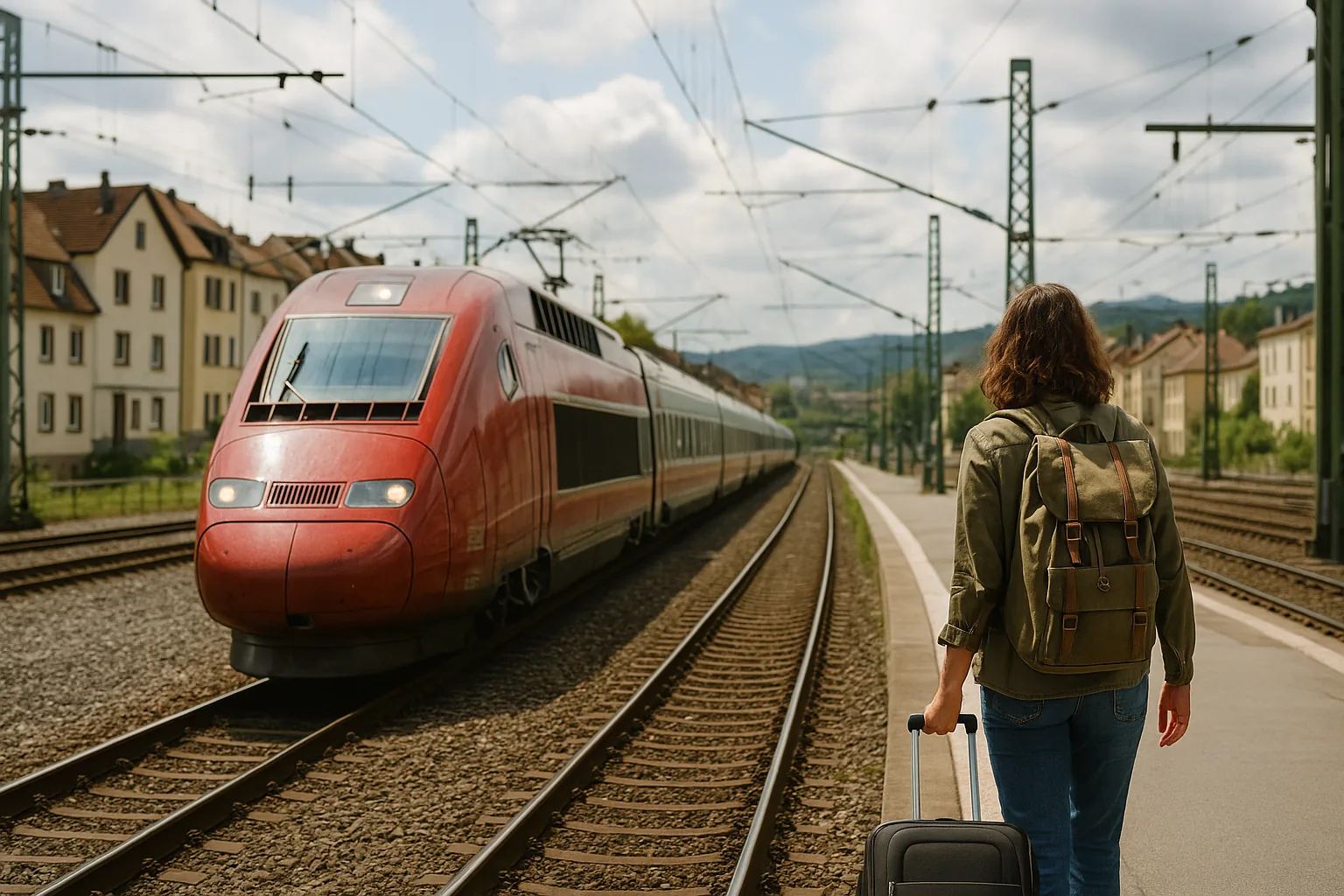
There’s a reason so many young travelers fall in love with Europe by train. You step onto a platform, watch the countryside blur past your window, and arrive somewhere new feeling genuinely present — not jet-lagged, not cramped, not stressed. And if you plan it right, budget train travel in Europe can cost you less than you’d spend on a budget flight once you factor in airport transfers, baggage fees, and the hours you lose getting to and from the terminal. In 2026, the rail network across Europe is more connected, more competitive, and more traveler-friendly than ever — and knowing how to work it makes all the difference.
Why the Train Is Still the Smartest Way to Move Around Europe
Flying feels fast on paper. But think about the full picture. You’re up at 4 a.m. for a 6 a.m. departure, queuing through security, paying for a carry-on bag, and then spending another hour on a bus from a budget airport to the city center. By the time you arrive at your hostel, you’ve spent the better part of a day just getting there.
Trains drop you city center to city center. No security theatre. No baggage roulette. Just board, sit down, and watch Europe unfold through the window. That’s a real advantage — not just for convenience, but for your state of mind.
Beyond the logistics, train travel is genuinely more scenic. The route from Zurich to Milan cuts through the Alps. The coastal line from Nice to Ventimiglia hugs the Mediterranean. Even the ordinary intercity routes through central Europe pass through landscapes that remind you why you came here in the first place. You can’t say the same for a middle seat at 30,000 feet.
And the cost? Some of the best value train journeys in Europe start from as little as €9 when you book at the right time. That’s not a gimmick — it’s what advance booking and a bit of flexibility can get you.
Understanding Rail Passes vs. Point-to-Point Tickets
One of the first decisions you’ll make is whether to buy a rail pass or book individual tickets. Both approaches work — it just depends on your travel style.
Rail passes, like the Eurail Global Pass, give you a set number of travel days within a fixed period. They’re genuinely useful if you’re covering a lot of ground, crossing multiple countries, or making spontaneous decisions about where to go next. For travelers under 30, youth pricing typically makes passes even more attractive. The pass also removes the stress of booking each leg separately — you show up, validate your pass, and board.
That said, passes aren’t always the cheapest option. If your itinerary is fixed and you’re only making a handful of journeys, point-to-point tickets booked in advance will often beat the pass on price. The trick is knowing your route before you commit.
A good rule of thumb: if you’re visiting more than four or five countries, or if you want the freedom to change your plans mid-trip, lean toward a pass. If you’ve got a clear itinerary and you’re booking early, go point-to-point. Many experienced train travelers actually combine both — a pass for the open-ended section of their trip, and advance tickets for the legs they know they’ll definitely take.
How to Book Budget Train Travel in Europe at the Right Time
Timing is everything. The earlier you book, the more you save — and that’s especially true on the high-speed routes where demand is strong and seats fill fast.
For most long-distance routes across Europe, tickets become available around 90 days before departure. That’s your window. The moment booking opens, the cheapest fares go on sale — and they sell out quickly. If you wait until a week before, you’ll often be paying two or three times the price for the same seat.
👉 Read also: The 10 Best Budget Destinations for Young Travelers in 2026
France is a special case. French train bookings can open up to nine months in advance, which means if you’re planning a summer trip through France, you could be booking your trains in October or November the year before. Set a calendar reminder. It sounds extreme, but it’s exactly how you lock in those low fares.
A few other booking strategies worth knowing:
- Book directly through national rail operators when possible — third-party booking platforms often add fees on top of the base fare.
- Be flexible with departure times. Early morning and late evening trains are often cheaper than the midday services.
- Check for promo fares — many operators release limited-time discounts, especially during off-peak travel periods.
- If you’re traveling between the UK and continental Europe, look into Eurostar Snap, which offers spontaneous, discounted Eurostar tickets — a great option if you’re flexible about exactly when you cross the Channel.
- Split your journey when it makes sense. Sometimes booking two separate tickets on the same route (stopping at an intermediate city) is cheaper than one direct fare.
Night Trains: Your Secret Weapon for Saving Money
If you haven’t considered night trains yet, this might be the section that changes your trip. Night trains are one of the most underrated tools in the budget traveler’s toolkit — and they’re making a serious comeback across Europe right now.
The logic is simple. You board in the evening, sleep while the train moves, and wake up in a new city. You’ve traveled hundreds of kilometers and saved a night’s accommodation in one go. That’s a double win for your budget.
Most night trains offer a choice of seating options. A standard reclining seat is the cheapest, but a couchette — a simple bunk in a shared compartment — gives you a proper lie-flat sleeping surface for a modest upgrade. Private sleeper cabins are also available on many routes and, while more expensive, can still be a bargain when you consider you’re combining transport and accommodation into one cost.
The network of night trains across Europe has been expanding steadily. Routes connecting Vienna, Prague, Brussels, Amsterdam, Rome, and beyond are increasingly well-served. Some of the most popular corridors have seen new operators and upgraded rolling stock, making the experience genuinely comfortable rather than just functional.
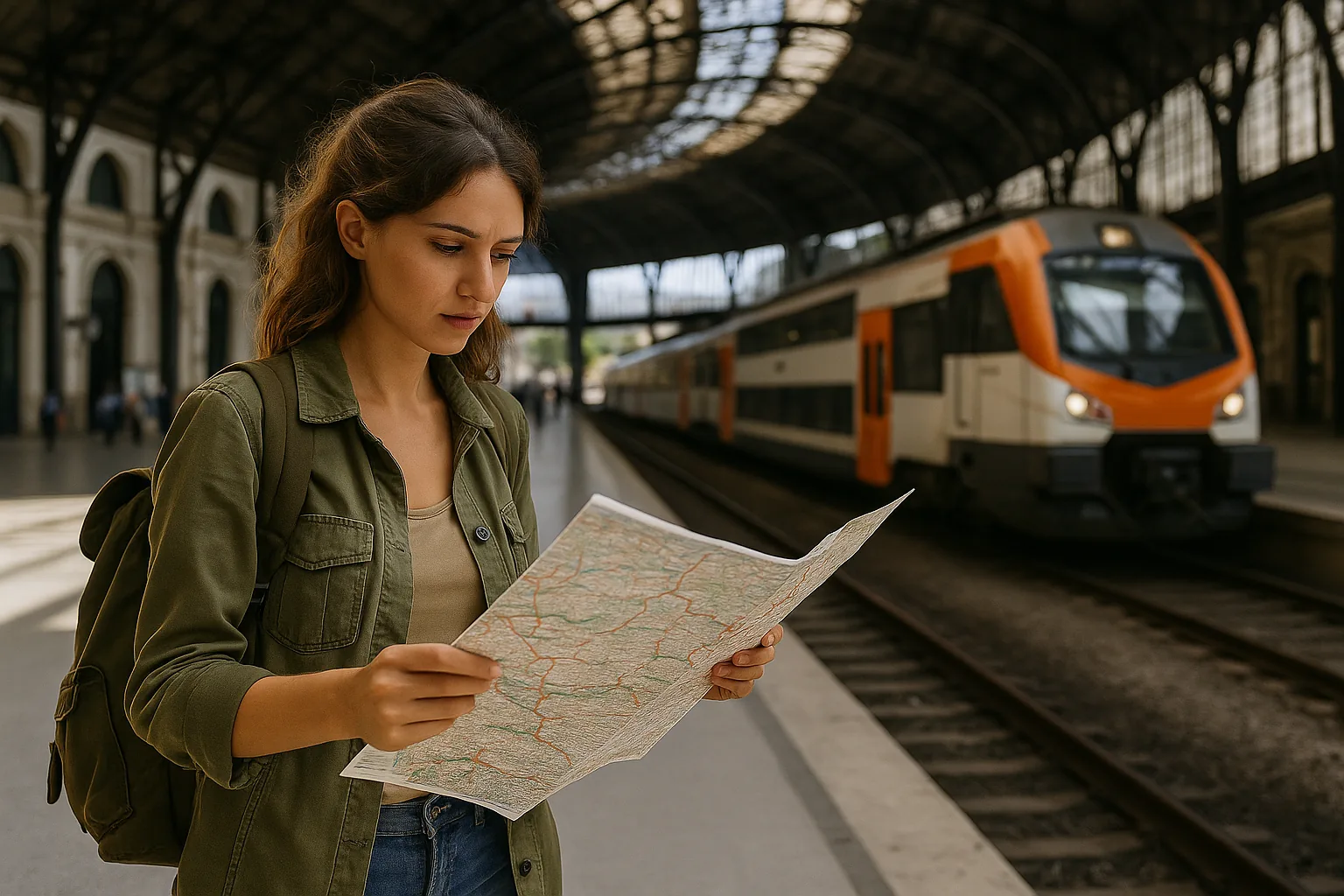
A practical tip: book night train seats as early as you would any other long-distance journey. The couchette berths in particular sell out well in advance, especially during summer. And bring an eye mask, earplugs, and a light layer — train cars can get chilly overnight.
Routes Beyond the Obvious: Exploring Europe’s Smaller Cities by Rail
Paris, Rome, Barcelona — they’re iconic for a reason, and nobody’s telling you to skip them. But some of the most memorable experiences you’ll have on a European rail trip happen on the routes between the big names, in cities and towns that don’t make it onto every Instagram feed.
Think about the journey, not just the destination. The rail network in central and eastern Europe is particularly rewarding for travelers willing to explore beyond the headline cities. Connections between places like Ljubljana, Sarajevo, Kraków, Olomouc, and Plovdiv open up a Europe that feels genuinely less crowded, more affordable, and more surprising.
Western Europe has its own hidden rail gems. The train from Porto to the Douro Valley winds through terraced vineyards. The slow regional services through Provence stop at market towns that most tourists drive straight past. Scotland’s West Highland Line — one of the most celebrated scenic rail journeys in the world — is accessible on a standard rail ticket and passes through landscapes that feel almost otherworldly.
The key is to resist the urge to rush. Slow travel by train — spending a few nights in a mid-sized city rather than racing between capitals — is both cheaper and more rewarding. Accommodation costs less, restaurants are more local, and you’re far more likely to have genuine experiences rather than queuing at the same sights as everyone else.
👉 Read also: Budget Travel Hacks That Actually Work (Without Feeling Broke the Whole Time)
Budget Train Operators and Regional Railways Worth Knowing
Beyond the main national rail operators, a growing number of low-cost and regional train services are making budget travel across Europe even more accessible. These operators often fill gaps in the network or offer competitive pricing on routes where the national carrier charges a premium.
Regional railways are particularly valuable in countries like Germany, Austria, Italy, and Spain, where local services connect smaller towns and cities at very low fares. These trains don’t always appear on the big booking platforms, so it’s worth going directly to the regional operator’s website or asking at the station.
Some countries also offer excellent domestic rail passes or day tickets that give you unlimited travel within a region or country for a fixed price. These can be extraordinary value if you’re spending a few days exploring a specific area — the German Deutschlandticket, for example, has been a game-changer for affordable regional travel within Germany.
The broader point is this: the European rail landscape is not monolithic. It’s a patchwork of national operators, regional services, high-speed lines, and budget carriers. Knowing which tool to use for which journey is what separates a traveler who spends a fortune from one who moves across the continent for a fraction of the cost.
For a comprehensive overview of how European train travel works across different countries and operators, The Man in Seat 61 remains one of the most trusted and detailed independent resources available — particularly useful for understanding booking windows, pass rules, and route-specific tips.
Practical Tips for Making the Most of Your Rail Journey
A few things that experienced train travelers know — and first-timers often learn the hard way.
- Validate your ticket before boarding where required. Some countries (particularly in southern and eastern Europe) require you to stamp your ticket at a machine on the platform before you board. Missing this step can result in a fine, even if you have a valid ticket.
- Download offline maps and translation apps before you travel. Station signage isn’t always in English, and having a downloaded map of the city you’re arriving in saves a lot of stress.
- Keep your important documents — rail pass, ID, booking confirmations — in one easily accessible place. A small travel wallet worn under your clothes is worth it on overnight trains.
- Pack light. Trains don’t have luggage limits the way airlines do, but a smaller bag means more freedom — you can use overhead racks, move between carriages easily, and not stress about storage.
- Learn the local word for “platform” (Gleis in German, binario in Italian, quai in French). It sounds small, but it helps when you’re scanning departure boards in a busy station.
- Don’t overlook the dining car. It’s rarely the cheapest option, but grabbing a coffee and watching the countryside go by from the restaurant car is one of those small travel pleasures that sticks with you.
Planning Your First Budget Rail Trip Across Europe
If you’re putting together your first rail itinerary, start with a loose framework rather than a rigid plan. Pick a starting city, an ending city, and a rough direction — east to west, north to south, or a loop. Then identify the two or three places you most want to see, and let the rail map fill in the gaps.
Look at what’s geographically logical. Backtracking across the continent is expensive and time-consuming. A route that flows in one direction — say, from Lisbon through Madrid, Barcelona, Lyon, Geneva, and into northern Italy — covers a huge amount of ground without doubling back.
Build in buffer days. Trains get delayed. You’ll arrive somewhere and want to stay longer. A rigid itinerary with no flexibility is a recipe for stress. Leave room for the unexpected — for the small town you discover on a slow regional train, for the conversation with a fellow traveler that leads you somewhere you hadn’t planned.
That’s ultimately what makes budget train travel in Europe so different from any other way of moving through the continent. It’s not just about saving money — though you genuinely can. It’s about the rhythm of the journey itself. The way Europe unfolds from a train window. The cities you discover not because they’re on the tourist trail, but because they happened to be on the way. The stories that start on a platform and end somewhere you never expected.
Your next adventure doesn’t require a big budget. It requires a good map, a flexible mindset, and the willingness to board a train and see where it takes you.
This article was produced with AI assistance and reviewed editorially.


Nepal’s Mountain Gateway: Kathmandu Neighborhoods, Street Food & Where to Stay for Authentic Exploration

Luang Prabang, Laos: Why This Sacred City Is Perfect for Solo Travelers Seeking Solitude


