
Arctic
Extreme Destinations: Nuuk’s Arctic Adventures, Chiang Mai’s Burning Season & More
Discover extreme travel destinations that challenge and transform you. Explore Nuuk’s Arctic wonders, navigate Thailand’s burning season, and embrace adventures that dema

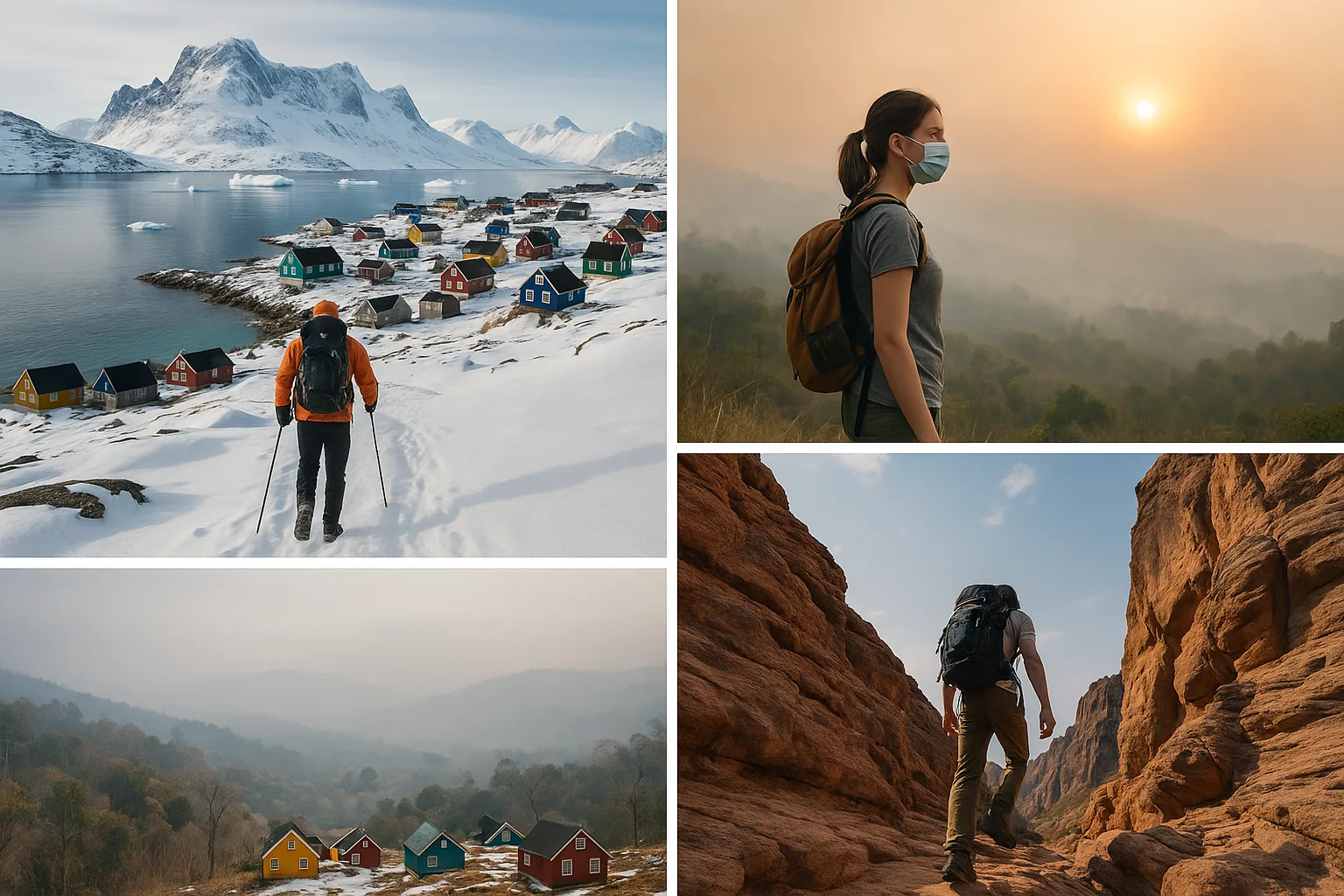
Why Extreme Travel Destinations Are Worth the Extra Effort
Some trips are easy. You book a flight, find a hotel near the beach, and spend a week doing exactly what you expected. There’s nothing wrong with that. But then there are the other kind of trips — the ones that push you, challenge your assumptions, and leave you genuinely changed. Extreme travel destinations aren’t just about bragging rights or ticking boxes. They’re about stepping into places that demand something from you and giving it back tenfold in experience, perspective, and stories you’ll spend years trying to describe properly.
Whether it’s navigating an Arctic capital city at the edge of the world, breathing through a haze of smoke in northern Thailand, or venturing somewhere that most people write off as “too difficult,” these destinations reward the curious and the prepared. This guide is for you — the traveler who wants more than a highlight reel, who’s ready to do the research, respect the environment, and show up with open eyes.
Nuuk, Greenland: The Arctic Capital That Surprises Everyone
Most people couldn’t point to Nuuk on a map. Even fewer have seriously considered visiting. That’s exactly what makes it so worth your time.
Nuuk is Greenland’s capital and the primary launch point for Arctic adventures in one of the most remote, dramatic, and genuinely awe-inspiring places on the planet. It sits on a peninsula surrounded by a fjord system so vast and so quiet that it genuinely resets something in your brain. After a few days here, the noise of your regular life starts to feel very far away — and that’s a good thing.
What Makes Nuuk Different From Any Other City
Nuuk is small. Compact. Walkable. It has a colorful downtown area of painted wooden houses, a handful of excellent museums, and a food culture that’s deeply rooted in Greenlandic tradition — think seal, whale, and reindeer prepared in ways that reflect centuries of survival in one of the harshest climates on earth. You can eat a meal here that no restaurant in Europe or North America could replicate, because the ingredients and the knowledge behind them belong entirely to this place.
The Nuuk travel guide from United’s Hemispheres paints a vivid picture of how three days in this city can feel like a complete journey on their own. You can visit the National Museum of Greenland, where kayaks and clothing used by the Greenlandic Inuit people are preserved in extraordinary detail. You can hike up to the viewpoints above the city and look out over a landscape that seems to stretch all the way to the edge of the world. And you can book a boat tour into the surrounding fjords, where icebergs drift in total silence and the scale of everything around you becomes almost impossible to process.
Planning Your Trip to Nuuk
Getting to Nuuk requires some planning. Flights typically connect through Copenhagen or Reykjavik, and the journey itself is part of the experience — watching the landscape shift from green to white as you approach is one of those moments you don’t forget. Accommodation options are limited compared to major cities, so booking well in advance is genuinely important, not just good advice.
The best time to visit depends on what you want. Summer — roughly June through August — brings long days, accessible hiking trails, and the surreal experience of the midnight sun. Winter offers the northern lights and a completely different kind of beauty, though temperatures drop dramatically and outdoor activities require proper gear and preparation. Whichever season you choose, respect for the environment and local culture isn’t optional here. Greenland’s ecosystems are fragile, and the communities that call this place home have a deep, earned relationship with the land that visitors should approach with genuine humility.
Adventures Beyond the City
Nuuk is a base, not just a destination. From here, you can organize multi-day hikes through the backcountry, kayaking expeditions through the fjords, or boat trips to see humpback whales feeding in waters that turn from grey to green to deep blue depending on the light. Dog sledding is possible in winter, and the experience of moving silently across a frozen landscape with nothing but the sound of paws on snow is the kind of thing that stays with you permanently.
👉 Read also: Chiang Mai Beyond the Burning Season: What to Expect and How to Stay Safe
A word on preparation: this is not a destination where you improvise. Weather changes fast, trails can be unmarked, and the distances involved mean that getting turned around isn’t a minor inconvenience — it’s a genuine safety issue. Go with a local guide if you’re venturing beyond the city, invest in proper gear, and tell someone where you’re going before you leave. The adventure is absolutely worth it. Just be smart about how you approach it.
Chiang Mai’s Burning Season: Understanding the Smoke Before You Go
Chiang Mai is one of the most beloved cities in Southeast Asia, and for good reason. It has ancient temples, a thriving food scene, a creative community, and access to some of the most beautiful mountain landscapes in the region. But between roughly February and April — with some sources extending that window into May — the city and much of northern Thailand experiences what’s known as the burning season, and it transforms the experience of being there in ways that every traveler should understand before booking a flight.
The burning season is caused by agricultural fires and forest burning across the region. Farmers clear land and burn crop residue, and the combination of dry weather, low wind, and the valley geography around Chiang Mai traps the smoke, pushing air quality to some of the worst levels recorded in any city on earth during peak periods. This isn’t a minor inconvenience. On bad days, the haze is thick enough to obscure mountains that would otherwise dominate the skyline, and the air quality index can reach levels that are genuinely harmful to health — especially for people with respiratory conditions.
The burning season isn’t limited to Chiang Mai either. It spreads across northern Thailand and into parts of neighboring countries in Southeast Asia, meaning that the issue is regional in scale. Adventure in You’s guide to Chiang Mai’s burning season covers this in detail and is worth reading before you plan your trip.
Should You Still Go?
That depends on you, honestly. If you have asthma, a respiratory condition, or you’re particularly sensitive to air pollution, the peak burning season is probably not the right time to visit. The smart move is to plan your trip for November through January, when the air is clear, the weather is cool, and Chiang Mai is arguably at its most beautiful.
But if you’re set on visiting during this period — or if you’re already there when the smoke arrives — there are ways to manage it. A high-quality N95 or KN95 mask makes a real difference. Staying indoors during the worst air quality days, choosing accommodation with good air filtration, and keeping an eye on real-time air quality apps will help you make informed decisions about when and where to go outside. Many travelers visit Chiang Mai during this season and have a genuinely great time — they just go in with eyes open and adapt accordingly.
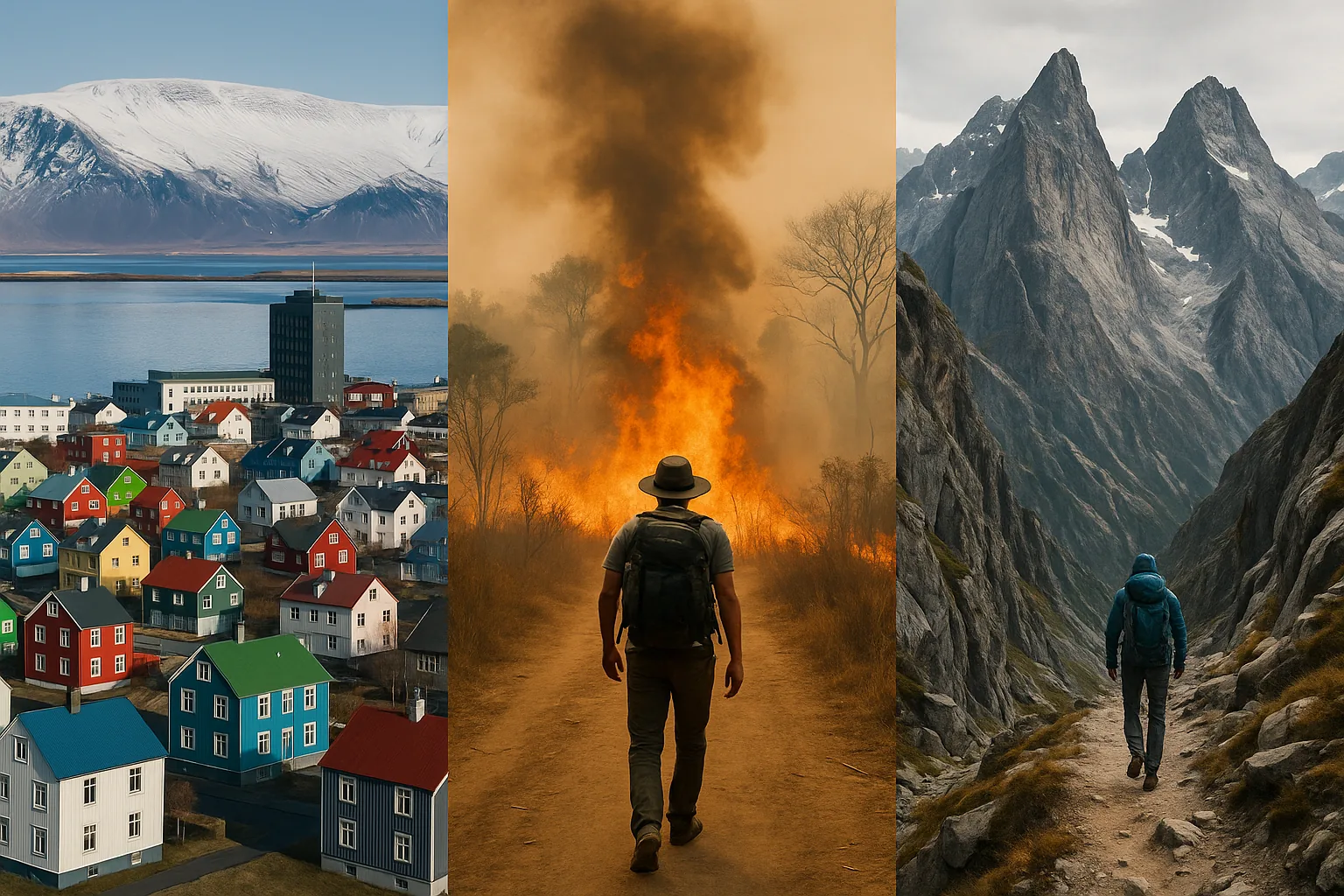
What Chiang Mai Offers Beyond the Smoke
Even during the burning season, Chiang Mai has a lot going on. The Old City, with its ancient walls and moat, is a place you could spend days exploring without repeating yourself. The temple circuit — Wat Phra That Doi Suthep perched on the mountain above the city, Wat Chedi Luang in the heart of the Old City, and dozens of smaller, quieter temples scattered through the neighborhoods — rewards slow, thoughtful exploration.
The food scene is extraordinary. Northern Thai cuisine is distinct from what you’ll find in Bangkok or on the southern islands — heartier, earthier, with dishes like khao soi (a rich coconut curry noodle soup) that you’ll be craving for months after you leave. The Sunday Walking Street market, the Warorot Market, and the countless street food stalls that appear at dusk are experiences that no amount of smoke can diminish.
The surrounding region also offers waterfalls, hill tribe villages, cooking classes, elephant sanctuaries that operate ethically, and mountain trails that lead to views worth every step. The burning season affects the air, not the culture, the food, or the warmth of the people who call this city home.
👉 Read also: Thailand Beyond the Guidebook: Chiang Mai's Burning Season, Koh Lanta's Hidden Beaches, and the Cao Bang Loop
Other Extreme Destinations Worth Adding to Your List
Nuuk and Chiang Mai’s burning season are just two examples of destinations that reward travelers who do their homework. The broader world of extreme travel destinations is full of places that operate outside the conventional travel script — and that’s precisely what makes them so compelling.
Svalbard, Norway
Halfway between mainland Norway and the North Pole, Svalbard is one of the northernmost permanently inhabited places on earth. Polar bears outnumber people here. In summer, the sun doesn’t set for months. In winter, it doesn’t rise. Guided expeditions take you across tundra, along glacier edges, and into a wilderness so vast and so untouched that it recalibrates your sense of what the natural world actually looks like. It requires planning, proper gear, and a respect for the environment that goes beyond the usual travel ethics — but the payoff is an experience that very few people on earth will ever have.
The Danakil Depression, Ethiopia
One of the hottest and lowest places on earth, the Danakil Depression in northeastern Ethiopia is a landscape that looks genuinely alien. Lava lakes bubble at the surface. Sulfuric hot springs create pools of neon yellow and green. Salt flats stretch to the horizon. It’s harsh, remote, and requires a guided tour to visit safely — but the people who make the journey describe it as one of the most visually extraordinary places they’ve ever seen. The local Afar communities who live and work in this environment are equally fascinating, with a culture shaped entirely by one of the most extreme landscapes imaginable.
The Faroe Islands
Technically easier to reach than the previous two, the Faroe Islands sit in the North Atlantic between Norway and Iceland and offer a kind of dramatic, moody beauty that feels almost cinematic. Steep cliffs drop into churning sea. Grass-roofed houses cling to hillsides. Waterfalls pour directly into the ocean. The weather changes every twenty minutes, and that unpredictability is part of the experience. It’s a destination that rewards patience and flexibility — the kind of traveler who can sit with a cup of coffee and watch a storm roll in without feeling like they’re wasting time.
How to Travel Responsibly in Challenging Destinations
Extreme travel destinations come with responsibilities that go beyond the usual travel ethics. When you’re visiting places that are remote, ecologically sensitive, or culturally distinct, the impact of tourism — positive and negative — is amplified.
- Research before you go. Understand the local environment, the cultural norms, and the specific challenges of your destination. Don’t show up and figure it out as you go.
- Hire local guides. In remote or challenging environments, local guides aren’t just a safety measure — they’re the most direct way to support the communities you’re visiting and to access knowledge that no guidebook can replicate.
- Pack appropriately. In Arctic destinations, proper gear is a safety issue. In polluted environments, the right mask and health precautions matter. Don’t underestimate what you’ll need.
- Respect the environment. In fragile ecosystems, the leave-no-trace principle isn’t a suggestion — it’s a responsibility. Stay on marked trails, don’t disturb wildlife, and take everything you bring with you.
- Travel slowly. Extreme destinations reward time. Rushing through them misses the point entirely.
- Listen to locals. The people who live in these places know them better than any travel blog ever will. Ask questions, listen carefully, and adjust your plans based on what you learn.
The Mindset That Makes Extreme Travel Worthwhile
There’s a version of extreme travel that’s about performance — about being able to say you went somewhere difficult, collecting the story like a trophy. That version tends to produce travelers who are more interested in the image of the experience than the experience itself.
The better version is about curiosity. It’s about going to places that challenge you because you genuinely want to understand them. Chiang Mai during the burning season isn’t just a dramatic backdrop — it’s a window into a complex environmental and agricultural reality that affects millions of people across Southeast Asia. Nuuk isn’t just an exotic city at the edge of the world — it’s a living community with a culture, a history, and a relationship with the natural environment that has lessons for anyone willing to pay attention.
When you approach extreme travel destinations with that kind of curiosity and respect, something shifts. The discomfort becomes part of the story. The challenges become the texture of the experience. And you come home not just with photographs, but with a genuinely different understanding of the world and your place in it. That’s the kind of travel that’s worth every bit of effort it takes to get there.
Start with the research. Pack the right gear. Show up with respect and an open mind. The world’s most challenging destinations are also, reliably, some of its most rewarding — and they’re waiting for travelers who are ready to meet them on their own terms.
This article was produced with AI assistance and reviewed editorially.


Extreme Destinations: Nuuk’s Arctic Adventures, Chiang Mai’s Burning Season & More

North America’s Underrated Regions: Michigan & Orlando Beyond Theme Parks in 2026


