
North America
USA Road Trip Stays: 8 Underrated Towns From Portland Maine to New Mexico
Discover 8 authentic USA road trip budget towns from Portland Maine to New Mexico. Find affordable lodging, local food scenes, and genuine travel experiences beyond touri

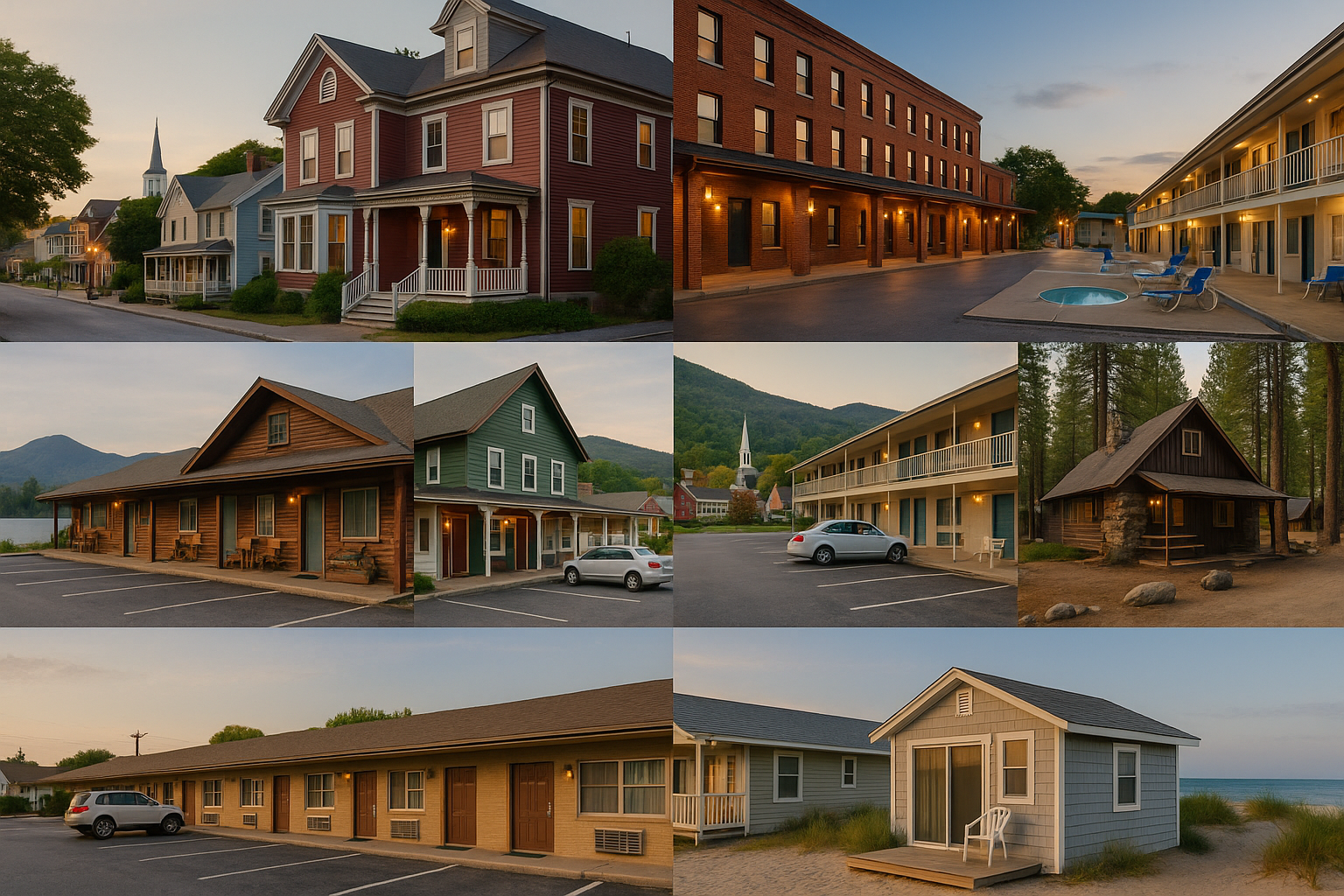
Why the Best USA Road Trip Budget Towns Are Never the Obvious Ones
Everyone knows about New York, Los Angeles, and Miami. They’re on every list, in every travel ad, and honestly — they’re starting to feel a little predictable. But the real magic of a USA road trip budget towns adventure lies somewhere between the interstate exits and the small-town diners, in places that don’t trend on social media but stay with you long after you’ve driven away. Whether you’re planning your first solo road trip or looking to add some fresh stops to a familiar route, these eight underrated American towns deserve a serious spot on your map.
This isn’t about cutting corners. It’s about spending smarter and living richer — finding the kind of places where a ten-dollar meal tastes better than anything you’d eat at a tourist-trap restaurant, and where the best view in town is free. From the rocky coastline of Maine to the sun-scorched landscapes of New Mexico, here’s where to point your wheels.
Portland, Maine: Where the Atlantic Meets the Indie Spirit
Portland, Maine, is one of those cities that earns its reputation honestly. It’s compact enough to explore on foot, vibrant enough to fill a long weekend, and just far enough off the main tourist trail to feel genuinely local. The Old Port district is the beating heart of the city — cobblestone streets, independent bookshops, craft breweries, and seafood shacks where the lobster rolls are the real deal.
As a base for exploring the Maine coast, Portland is hard to beat. Maine road trip guides consistently highlight Portland as the ideal starting point for heading north along the coast toward Camden, Rockland, and eventually Bar Harbor — a stretch of highway that might be one of the most scenic drives on the entire East Coast. Expect pine-covered headlands, lighthouses perched on rocky outcrops, and small fishing villages that look like they haven’t changed in decades (in the best possible way).
For accommodation, Portland has a solid range of budget-friendly options, from independent guesthouses in residential neighborhoods to well-located hostels near the waterfront. Staying somewhere small and locally run almost always means better tips on where to eat and what to skip. Grab a coffee from one of the many independent cafés, walk down to the Eastern Promenade at sunrise, and you’ll understand immediately why this city has such a loyal following among young travelers.
What to Know Before You Go
- The Maine coast is best explored between late May and early October — winters are beautiful but harsh.
- Portland is walkable, but renting a car unlocks the real coast road experience heading north.
- The local food scene punches well above its weight — the seafood, in particular, is worth every cent.
- Weekends fill up fast in summer, so book accommodation a few weeks ahead if you can.
Chattanooga, Tennessee: The Outdoor Town That Doesn’t Brag About It
Chattanooga has been quietly reinventing itself for years, and if you haven’t been paying attention, you’ve missed one of the most interesting urban transformations in the American South. Sitting at the edge of the Tennessee River with Lookout Mountain looming in the background, this is a city that takes outdoor adventure seriously without making it feel like a performance.
The riverfront has been transformed into a walkable, bikeable stretch with independent restaurants, art installations, and a genuinely welcoming atmosphere. The city’s indie accommodation scene — small boutique hotels, converted industrial spaces, and a handful of hostels — caters well to budget travelers who want character over convenience. You’re not paying for a lobby chandelier here; you’re paying for a good bed and a great location.
Rock climbing, hiking, and kayaking are all within reach of the city center, which makes Chattanooga a natural stopping point on a broader Southern road trip. It connects easily to Nashville to the northwest and Atlanta to the south, fitting neatly into any East Coast or Southeast USA itinerary.
Fort Worth, Texas: Authentically Texan Without the Tourist Markup
Dallas gets most of the attention, but Fort Worth has always had more soul. The Stockyards National Historic District gives you a genuine taste of cowboy culture — not a theme park version, but a living neighborhood where working ranchers, honky-tonk bars, and historic architecture coexist with a growing creative scene.
The Near Southside neighborhood is where you’ll find the city’s independent restaurants, coffee shops, and music venues. It’s the kind of place where locals actually hang out, which is always a good sign. Fort Worth’s world-class museums — particularly the Kimbell Art Museum and the Modern Art Museum of Fort Worth — are worth an afternoon even if you’re not usually a museum person. And they won’t drain your travel budget.
As a road trip hub, Fort Worth sits in a genuinely useful spot. Head west and you’re pointed toward the wide-open spaces of West Texas and eventually New Mexico. Head south and you’re on your way to Austin and San Antonio. It’s the kind of city that rewards an extra day when you’d otherwise just pass through.
Lake Placid, New York: A Mountain Town for Every Season
Most people associate Lake Placid with the Winter Olympics, and that legacy is still very much part of the town’s identity. But what often surprises first-time visitors is how much there is to do here in summer — and how different the whole place feels once the snow melts.
In winter, Lake Placid is a dream for anyone who skis, snowboards, or just wants to experience a proper mountain town atmosphere. In summer, the same landscape transforms into a hiking, kayaking, and cycling destination surrounded by the Adirondack Mountains. The Mirror Lake waterfront is genuinely lovely at any time of year.
Accommodation in Lake Placid ranges from cozy inns to more affordable motels on the outskirts of town. Staying a little outside the main strip usually saves money without sacrificing much — you’ll still be within easy reach of everything. It’s a compact town, which makes it easy to explore without a car once you’ve arrived.
Stowe, Vermont: Slow Down and Breathe Some Mountain Air
Vermont has a particular kind of charm that’s hard to put into words until you’ve experienced it. Stowe is the quintessential Vermont mountain town — church steeples, covered bridges, maple syrup on everything, and a ski culture that draws visitors from across the Northeast without ever feeling overrun.
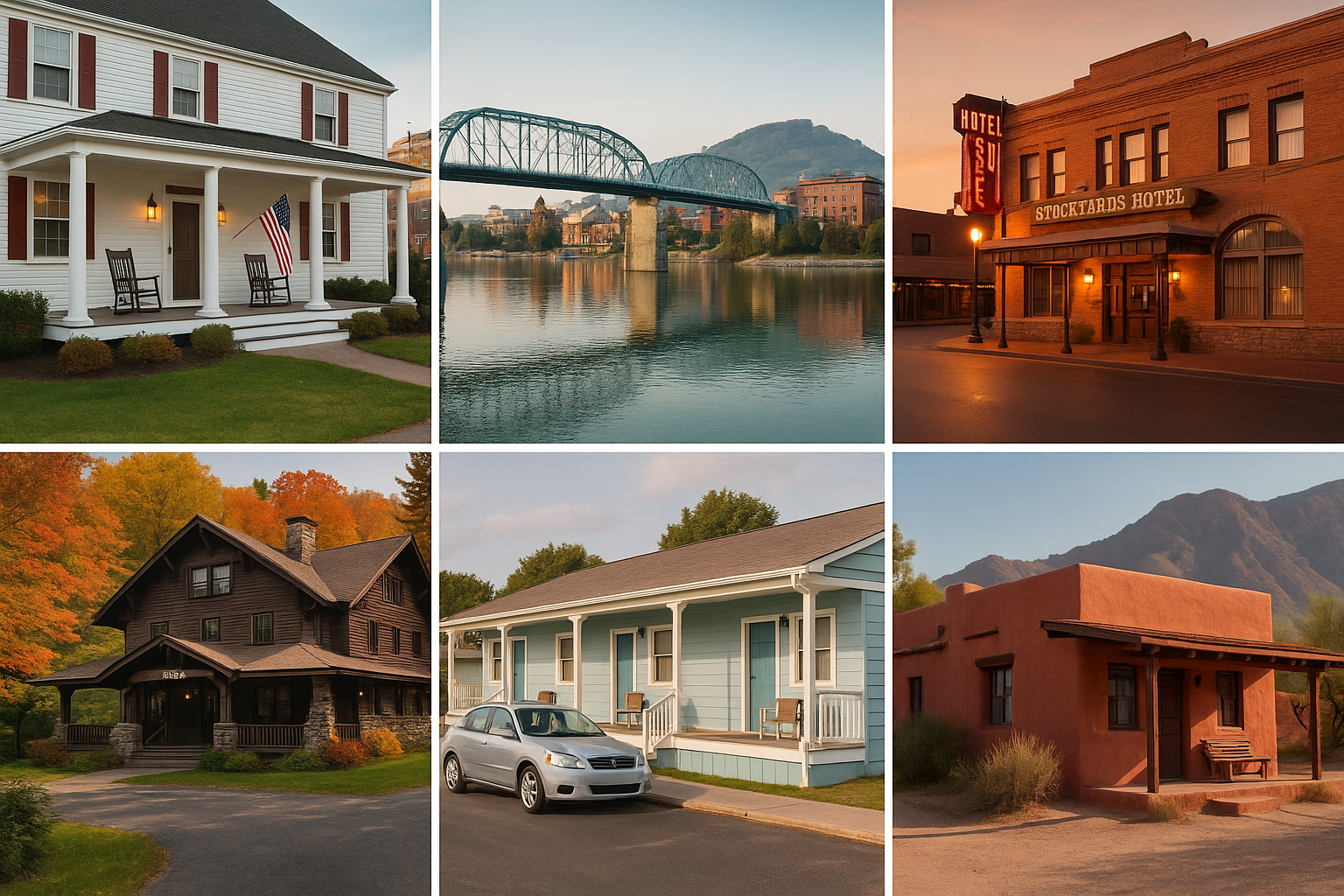
The Mountain Road that runs from the village center toward the ski area is lined with inns, independent restaurants, and breweries that make for a genuinely enjoyable wander. Stowe is one of those places where slowing down feels natural, which is exactly what a road trip should offer at some point. Not every stop needs to be a sprint through the highlights — sometimes the best travel memory is sitting on a porch with a good meal and nowhere to be for a few hours.
Budget travelers will find that Stowe rewards flexibility. Shoulder season — early autumn when the foliage turns, or late spring before the summer crowds arrive — offers a noticeably different experience from peak ski season, and accommodation prices tend to reflect that. The hiking trails around Mount Mansfield are free, the scenery is spectacular, and the town itself is small enough to feel like you’ve actually arrived somewhere rather than just passing through.
Big Bear, California: Your Outdoor Adventure Base Camp
Big Bear Lake sits in the San Bernardino Mountains at around 6,700 feet above sea level, which means it offers something genuinely rare in Southern California: proper seasons. In winter, it’s a ski destination. In summer, it’s a hiking, mountain biking, and lake swimming paradise. At any time of year, it’s an easy escape from the relentless sprawl of Los Angeles.
The village area has a good range of cabin rentals, small hotels, and vacation homes that can work out surprisingly affordable when split between a group. Cooking your own meals in a rented cabin is one of the best ways to stretch a travel budget without sacrificing the experience — and Big Bear has enough hiking trails and outdoor activities to fill several days without spending much at all.
As part of a broader California road trip, Big Bear connects well to Joshua Tree National Park to the south and the Mojave Desert beyond that. It’s the kind of stop that resets your energy after too many hours on the freeway.
Long Island, New York: Beyond the City Limits
Long Island often gets overlooked in favor of its famous neighbor, but the further east you travel from New York City, the more the landscape opens up and the more interesting it becomes. The East End — particularly the North Fork wine country and the Hamptons area — offers a surprisingly varied experience for travelers who take the time to explore beyond the obvious.
The North Fork is quieter, more agricultural, and significantly more affordable than its South Fork counterpart. Farm stands, vineyards, and small harbor towns make for a relaxed, unhurried kind of travel that feels completely different from the city energy just a couple of hours west. Greenport is a particularly charming village worth a wander — independent shops, waterfront restaurants, and a ferry connection to Shelter Island.
For budget travelers, timing matters on Long Island. Midweek stays outside the peak summer months can make a real difference, and the shoulder seasons offer a version of Long Island that feels more authentic and far less crowded.
New Mexico: The Road Trip Destination That Earns Every Mile
New Mexico is in a category of its own. This is a state that contains multitudes — ancient Native American history, Spanish colonial architecture, vast desert landscapes, and a contemporary arts scene centered on Santa Fe and Taos that draws visitors from around the world. It’s also, thanks to its role as the backdrop for Breaking Bad and Better Call Saul, increasingly familiar to a younger generation of travelers who arrive with a very specific kind of curiosity.
But New Mexico rewards travelers who go beyond the pop culture references. White Sands National Park, where the gypsum dunes stretch to the horizon in every direction, is one of the most surreal landscapes in the entire country. The rock formations of the Bisti/De-Na-Zin Wilderness, the ancient cliff dwellings at Bandelier National Monument, and the Rio Grande Gorge near Taos are all experiences that stay with you in a way that a city break rarely does.
Albuquerque makes a practical and affordable base, with a good range of budget accommodation options and a food scene that takes green chile seriously (as it should). Santa Fe is more expensive but worth at least a day or two for the architecture, the galleries, and the Plaza. The driving distances between New Mexico’s highlights are significant, but that’s part of the appeal — the journey through high desert, volcanic badlands, and mountain passes is the experience, not just the means to reach it.
Planning Your New Mexico Road Trip
- Spring and autumn offer the most comfortable temperatures for driving and hiking.
- Albuquerque is the most affordable base; Santa Fe and Taos trend more expensive.
- Many of New Mexico’s most impressive landscapes are in or near national parks and monuments — budget for entrance fees.
- The drives between destinations are long but genuinely spectacular — don’t rush them.
How to Make the Most of USA Road Trip Budget Towns
The common thread running through all eight of these destinations is that they reward a certain kind of traveler — one who’s willing to look past the obvious, stay somewhere local, eat where the residents eat, and spend time rather than money. These aren’t places that require a big budget to enjoy. They require curiosity and a willingness to slow down.
A few practical principles apply across all of them. Traveling in shoulder season almost always improves the experience — fewer crowds, lower prices, and a more authentic sense of how a place actually lives. Staying in independently run accommodation rather than chain hotels puts money back into the local community and usually results in a better experience. And building flexibility into your itinerary means you can linger when you find somewhere worth lingering in, which is ultimately what road trips are for.
The official Visit the USA road trip resource is a useful starting point for mapping out routes and understanding which destinations connect naturally. But the real planning happens when you start talking to people on the road — at the hostel common table, at the diner counter, at the trailhead parking lot. That’s where the best recommendations come from, and that’s where the best version of any road trip begins to take shape.
The Road Is the Point
There’s a version of American travel that’s all about ticking off the famous landmarks and posting the recognizable skylines. And then there’s this version — the one where you pull off the highway into a town you’d never heard of a week ago, find a table at a place with no online presence, and end up staying two days longer than you planned because it turned out to be exactly what you were looking for. The eight towns in this guide are invitations to that second version of travel. They’re not perfect, they’re not Instagram-optimized, and they’re not trying to be. They’re just genuinely worth the detour — and that, in the end, is what makes a road trip memorable.
This article was produced with AI assistance and reviewed editorially.


USA Road Trip Stays: 8 Underrated Towns From Portland Maine to New Mexico

England’s Coastal Escapes: Cornwall, Scilly Isles, and Isle of Man for Adventure Seekers


