
Asia
Southeast Asia on a Shoestring: Rookie Mistakes, Budget Hacks, and Real Costs
Learn southeast asia budget travel essentials: actual daily costs, rookie mistakes to avoid, and smart destination choices from Sri Lanka to Bali. Practical guide for bac

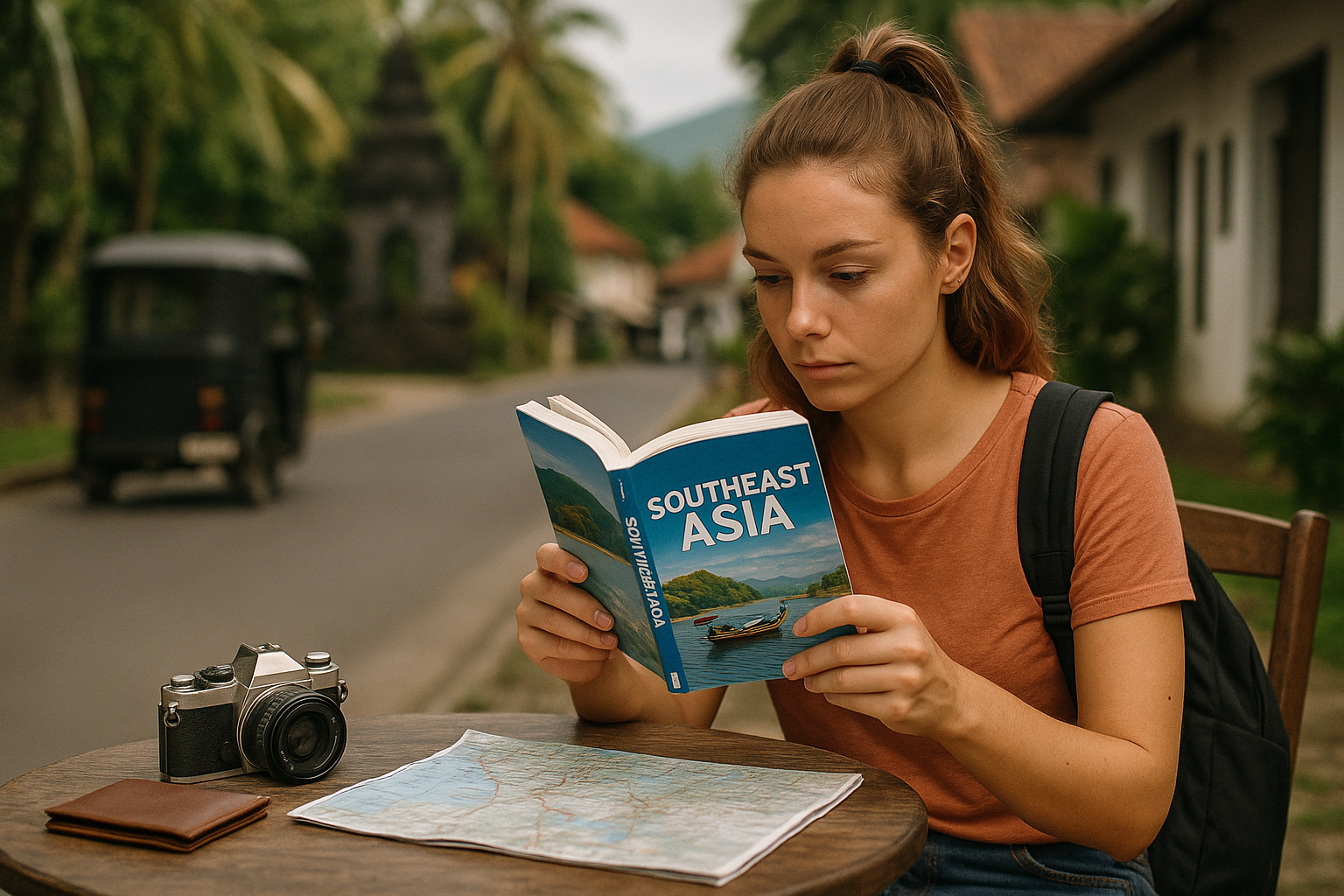
Southeast Asia on a Shoestring: What Nobody Tells You Before You Go
There’s a reason southeast asia budget travel keeps appearing on every young traveler’s radar year after year. The region is vast, wildly diverse, and — when you know what you’re doing — genuinely affordable in a way that few other parts of the world can match. But “affordable” doesn’t mean effortless. First-timers regularly land in Bangkok or Bali with a rough plan, a heavy backpack, and a budget that quietly evaporates within the first two weeks. The good news? Most of those mistakes are completely avoidable once you know what to look for. This guide covers the real costs, the smarter decisions, and the destinations worth choosing — so you spend less time stressing about money and more time actually living the trip.
Understanding the Real Cost of Backpacking Southeast Asia
Let’s start with numbers, because vague promises of “cheap travel” don’t help you plan a real trip. According to data compiled by Hostelz, the average daily backpacker budget across South and Southeast Asia sits around $44 per day, with destinations like Cambodia coming in lower — closer to $33 per day at a budget level. These figures cover accommodation, food, local transport, and basic activities.
Traveler Bryan Mendez tracked every dollar he spent across 61 days in Southeast Asia — covering Vietnam, Cambodia, Thailand, and Indonesia — and published his full breakdown with actual bank statement receipts in early 2026. His account is one of the most transparent looks at what southeast asia budget travel actually costs in practice, not in theory. You can read the full breakdown at Broke Packr.
Some guides claim you can travel the region on as little as $500 a month. That’s possible — but it requires real discipline: dorm beds, street food most days, slow overland transport, and skipping the tourist-trap activities. Most backpackers land somewhere in the middle, spending more than the minimum but far less than they would in Europe or North America.
The key takeaway is this: your daily spend varies enormously depending on which country you’re in, how you move around, and the choices you make on the ground. Budget well in Cambodia or Vietnam, and you’ll have breathing room for a splurge in Thailand or Bali.
Sri Lanka: The Underrated Gem Worth Adding to Your Route
Sri Lanka sits just off the southern tip of India, and while it’s technically not part of Southeast Asia, it’s increasingly popular among the same backpacking crowd — and for good reason. The country packs an extraordinary range of experiences into a compact island: ancient temples, misty tea country, surf beaches, and wildlife that genuinely surprises you.
For budget travelers, Sri Lanka rewards those who embrace local rhythms. The train network is both cheap and spectacular — the hill country routes between Kandy and Ella rank among the most scenic rail journeys you’ll ever take, and a ticket costs very little. Tuk-tuks are everywhere for short hops. Guesthouses run by local families are typically far better value than branded hotels, and the food — rice and curry, kottu roti, fresh seafood near the coast — is filling, delicious, and easy on the wallet when you eat where locals eat.
The main budget traps in Sri Lanka are the entry fees at major historical sites, which can add up quickly if you’re ticking off every landmark. Be selective. Sigiriya Rock Fortress is genuinely worth the cost. Some of the lesser-visited temples offer just as much atmosphere for a fraction of the price. Timing matters too — the southwest and northeast coasts have opposite monsoon seasons, so research which coast suits your travel window before booking anything.
Bali vs. Lombok: Choosing the Right Island for Your Budget
This is one of the most common decisions young travelers face when heading to Indonesia, and the honest answer is: they’re different trips, not just different price points.
Bali: Vibrant, Social, and Increasingly Busy
Bali has built an entire infrastructure around tourism, which means you’ll find hostels, co-working spaces, cheap scooter rentals, and excellent street food everywhere. Areas like Canggu and Ubud have become hubs for digital nomads and backpackers alike. The social scene is lively, the sunsets are real, and the cultural depth — temples, ceremonies, rice terraces — is genuinely worth your time.
The challenge is that Bali’s popularity has driven prices up in certain pockets. A trendy café breakfast in Canggu can cost more than a full day’s food budget elsewhere in Southeast Asia. The key is knowing where to eat. Warungs — small local eateries — serve generous portions of nasi goreng and mie goreng for very little. Rent a scooter rather than relying on ride apps for every journey. Stay slightly outside the most tourist-dense zones and your costs drop noticeably.
Lombok: Quieter, Rawer, and Worth the Extra Effort
Lombok sits just east of Bali, reachable by fast boat in a couple of hours. It’s less developed, less crowded, and in many ways more rewarding if you’re after something that feels less packaged. The Gili Islands — accessible from Lombok — offer a more laid-back alternative to Bali’s beach clubs, and the island’s interior, including the climb up Mount Rinjani, draws trekkers who want a real physical challenge.
Accommodation and food in Lombok generally cost less than in Bali’s tourist centers, though the range of options is narrower. If you value spontaneity and don’t mind a little more uncertainty in your planning, Lombok delivers experiences that feel genuinely off the beaten path. If you want easy social connections and a well-worn backpacker trail, Bali is the better fit.
The smartest move? Spend time in both. A few days in Ubud or Canggu, then a fast boat to the Gilis and a few nights on Lombok. It’s a natural progression that gives you both worlds without blowing your budget on flights.
Luang Prabang: The Slow Travel Capital of Southeast Asia
If you’ve been moving fast — hopping between cities, rushing to temples, cramming activities into every hour — Luang Prabang will stop you in your tracks. This small city in northern Laos sits at the confluence of the Mekong and Nam Khan rivers, surrounded by forested mountains, and it operates at a pace that feels almost deliberate in the best possible way.
The spiritual atmosphere here is unlike anywhere else in the region. Every morning before dawn, hundreds of monks in saffron robes walk silently through the streets collecting alms from local residents. It’s a practice called Tak Bat, and witnessing it — respectfully, from a distance, without turning it into a photo opportunity — is one of those travel moments that stays with you long after you’ve moved on.
Day trips from Luang Prabang open up the surrounding landscape beautifully. The Kuang Si Falls are a short tuk-tuk ride from the city center and offer turquoise tiered pools for swimming — arrive early to beat the midday crowds. Boat trips along the Mekong take you to the Pak Ou Caves, filled with thousands of Buddha figures left by pilgrims over centuries. Village visits in the surrounding hills give you a glimpse into rural Lao life that feels authentic rather than staged.
Laos is one of the more affordable countries in the region for southeast asia budget travel. Dorm beds, simple guesthouses, and local restaurants keep daily costs manageable. The main expense is getting there — Luang Prabang’s airport connects to Bangkok and a few other regional hubs, or you can arrive by slow boat from the Thai border crossing at Huay Xai, which is an experience in itself and worth building into your itinerary.
One practical note that experienced travelers consistently flag: Laos has distinct rainy and dry seasons, and the difference matters. During the rainy season, some roads become difficult, and packing an umbrella or a lightweight rain layer isn’t optional — it’s essential. It sounds obvious, but it’s one of the most common oversights first-timers make.
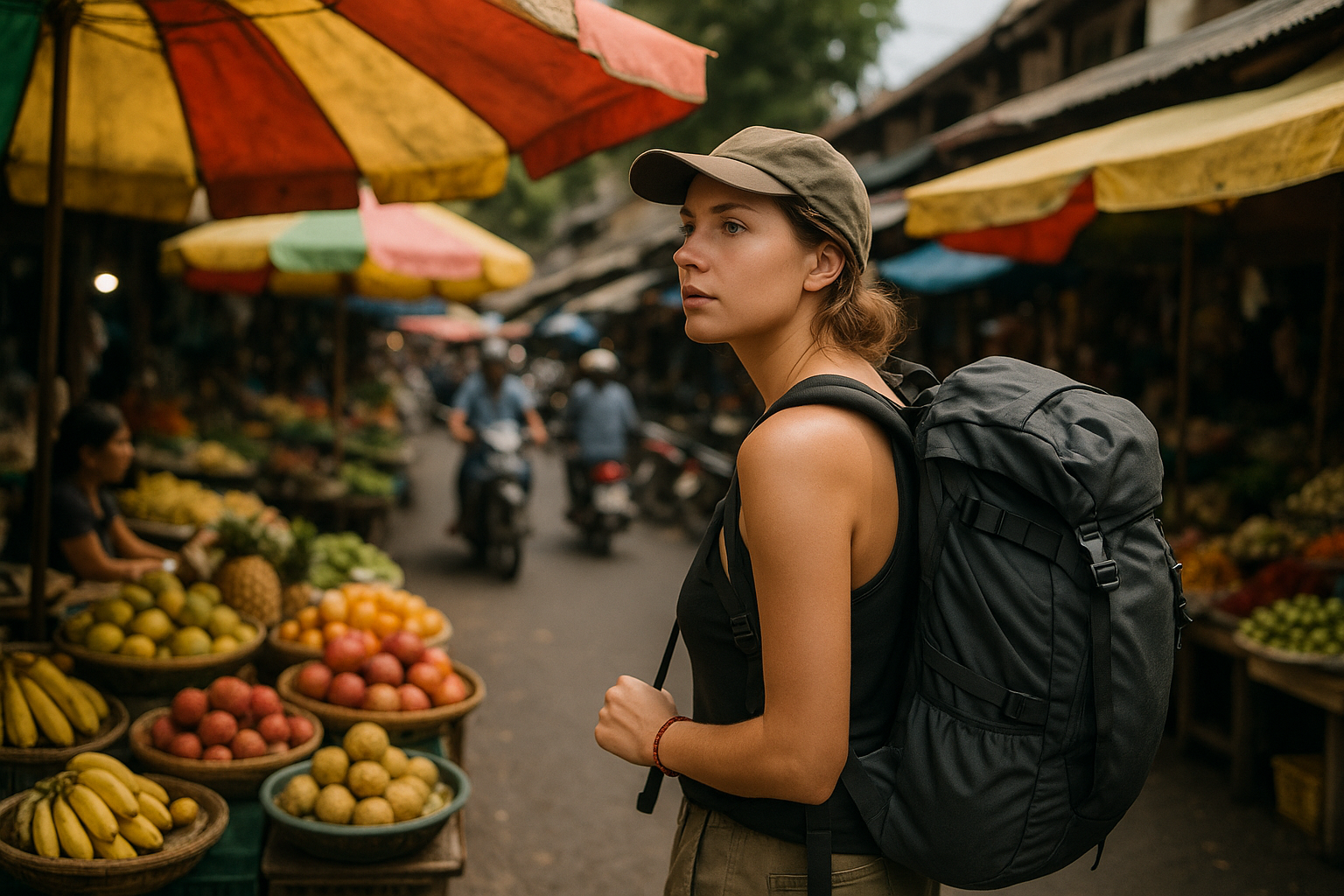
Saigon as a Base: Day Trips Worth Your Time
Ho Chi Minh City — still called Saigon by most people who live there — is one of the great urban experiences in Southeast Asia. It’s loud, fast, layered with history, and absolutely alive at every hour. But once you’ve explored the city’s neighborhoods, eaten your weight in bánh mì and pho, and visited the war history museums, you’ll want to get out and see what surrounds it.
The good news is that Saigon sits within reach of several compelling day-trip destinations, most within a couple of hours by bus, boat, or organized transport. The Cu Chi Tunnels — an extraordinary network of underground passages used during the Vietnam War — are one of the most visited and genuinely illuminating historical sites in the country. The scale and ingenuity of the tunnel system is hard to comprehend until you’re crouching inside one.
The Mekong Delta is another world entirely. Just south of the city, the delta is a maze of rivers, floating markets, and fruit orchards that feels completely removed from the urban energy of Saigon. A day trip by boat through the waterways, stopping at local villages and trying tropical fruits you’ve never heard of, is the kind of experience that reminds you why you travel in the first place.
For beach lovers, the coastal town of Vung Tau is reachable in under two hours and offers a more relaxed pace with seafood restaurants and ocean views. It’s a local favorite rather than a tourist magnet, which keeps the atmosphere genuine and the prices reasonable.
The Rookie Mistakes That Drain Your Budget (and Your Energy)
Southeast Asia has a way of exposing your planning gaps quickly. Here are the patterns that trip up first-timers most consistently — and how to sidestep them.
Overpacking
You will sweat. A lot. The region is hot, humid, and often rainy. Bringing a heavy backpack loaded with clothes you won’t wear is one of the most physically exhausting mistakes you can make — and it costs you in overweight baggage fees on the budget airlines that dominate regional travel. Pack light, choose quick-dry fabrics, and accept that you can buy almost anything you need on the ground for very little.
Skipping the Slow Transport
Budget airlines make it tempting to hop between countries quickly, but overland travel — night buses, slow boats, train journeys — is often where the real memories get made. It’s also significantly cheaper. A night bus from Hanoi to Hue or a slow boat down the Mekong costs a fraction of a flight and gives you something a flight never can: the actual landscape between places.
Eating Only at Tourist Restaurants
This one quietly destroys budgets. A meal at a restaurant catering to foreign tourists can cost five to ten times what you’d pay at a street stall or local eatery serving the same dish. Follow locals. Eat where there’s a queue. If the menu has photos and multiple languages, it’s probably not where you want to be eating every day.
Ignoring Cultural Norms
Southeast Asia is home to deeply held religious and cultural traditions, and as a visitor, you’re a guest. Covering your shoulders and knees before entering temples isn’t just a dress code — it’s a sign of respect. Speaking quietly in sacred spaces, not touching religious objects, and asking permission before photographing people are basics that go a long way. Getting these things wrong doesn’t just cause offence; it can genuinely affect how locals interact with you for the rest of your visit.
Not Budgeting for the Unexpected
Missed buses, visa fees you didn’t account for, a stomach bug that keeps you in bed for two days, a spontaneous boat trip that was too good to skip — Southeast Asia is full of surprises. Build a buffer into your daily budget. Experienced backpackers consistently recommend keeping a small emergency reserve separate from your day-to-day spending, whether that’s in a separate account or a physical envelope of cash.
Smart Habits That Make Your Money Go Further
- Use local SIM cards. Data is cheap across the region and staying connected without roaming charges makes navigation, translation, and booking far easier.
- Book accommodation one night at a time in popular areas. It gives you flexibility to move on if a place doesn’t feel right, and last-minute walk-in rates at hostels are often competitive.
- Learn a few words in each local language. A greeting, a thank you, a polite request — it changes how people respond to you and opens doors that stay closed for travelers who never bother.
- Travel during shoulder season. The weeks just before or after peak tourist periods offer better prices, thinner crowds, and often perfectly decent weather.
- Track your spending daily. It sounds tedious, but knowing exactly where your money goes — as Bryan Mendez did across his 61-day trip — is the single most effective way to stay on budget without feeling restricted.
Planning Your Route: Think Flow, Not Checklists
One of the quieter mistakes first-timers make is treating Southeast Asia like a checklist — trying to hit every country, every landmark, every famous destination in a single trip. The result is exhaustion, surface-level experiences, and a strange feeling of having been everywhere while really knowing nowhere.
A better approach is to choose a geographic flow and follow it. Start in Vietnam and move south through Cambodia into Thailand. Or enter through Bangkok and work your way through Laos and northern Vietnam. Build in slower weeks alongside faster-moving ones. Give yourself permission to stay somewhere longer than planned if it feels right — that unplanned extra week somewhere unexpected is often the part of the trip you’ll talk about for years.
Southeast asia budget travel isn’t just about spending less. It’s about spending wisely — on the things that actually matter to you, in the places that genuinely call to you, with enough flexibility to say yes when something unexpected appears. The region rewards curiosity, patience, and a willingness to get a little lost. Go with a plan, but hold it loosely. The best parts of any trip through Southeast Asia are rarely the ones you planned months in advance.
The stories worth telling are usually the ones that started with a missed bus, a wrong turn, or a conversation with a stranger at a street food stall. Pack light, budget smart, respect the culture, and leave room for the unexpected. That’s the real shoestring philosophy — and it works every time.
This article was produced with AI assistance and reviewed editorially.


Adventure Beyond the Beach: Things to Do in Jeju, South Korea & Tayrona Park, Colombia

Where to Stay in 2026: Budget Accommodation Guides for Vancouver, Wellington, Bruges & Andorra


