
Asia
Southeast Asia Off the Beaten Path: Krabi, Khao Sok & Beyond (2026)
Discover southeast asia off the beaten path — from Krabi’s hidden islands and Khao Sok’s ancient rainforest to Laos river journeys and Flores volcanoes. Real experiences, practical advice, and the inspiration to go deeper.

Southeast Asia Off the Beaten Path: Krabi, Khao Sok & Beyond
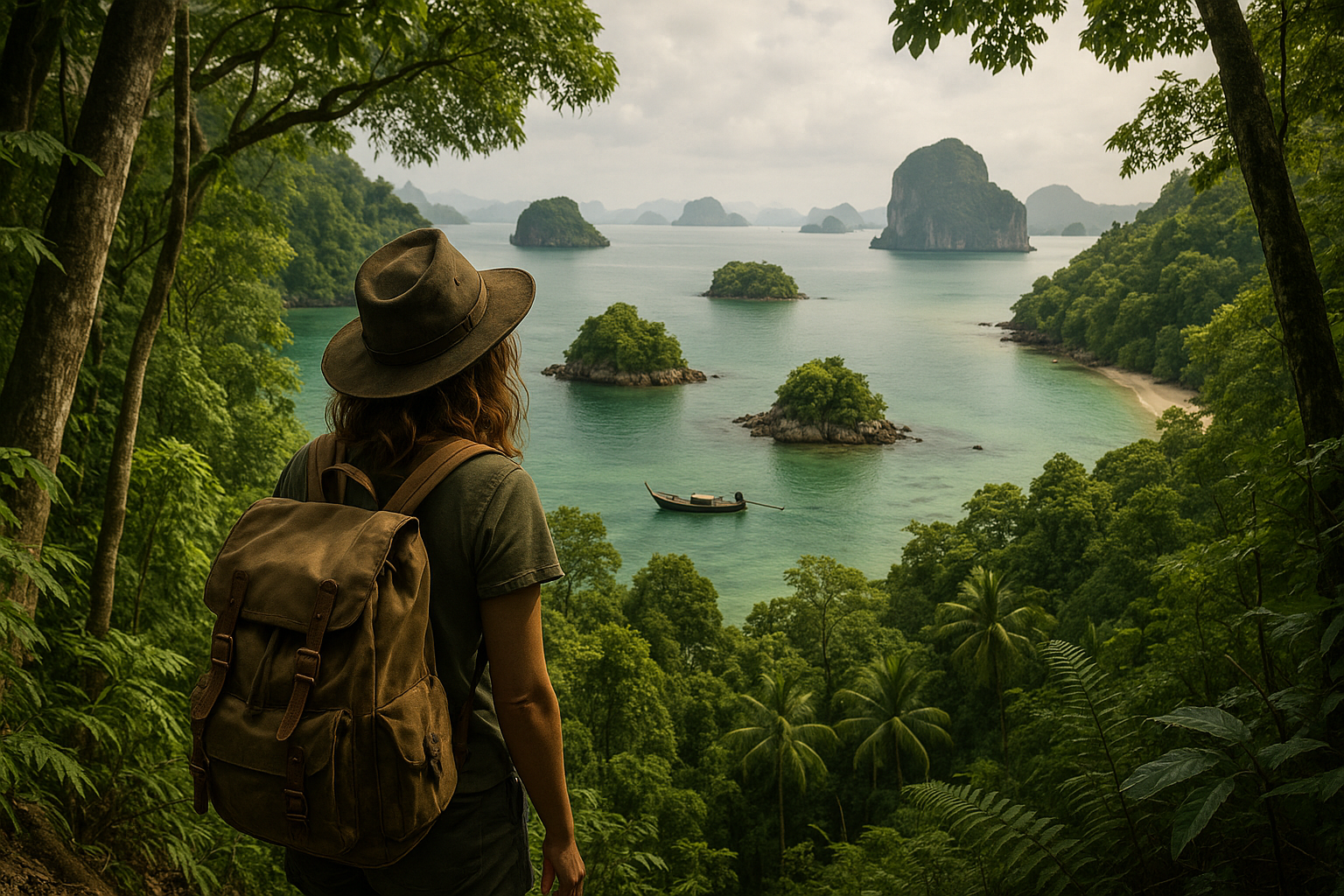
If you’re serious about finding southeast asia off the beaten path, Southern Thailand and the rainforests of the Malay Peninsula are where your instincts should take you. Not because these places are completely unknown — some of them are firmly on the traveler radar — but because they reward the curious, the patient, and the adventurous in ways that the crowded resort strips simply don’t. Think ancient jungle, limestone cliffs rising out of glassy water, and local fishing communities that haven’t reinvented themselves for Instagram.
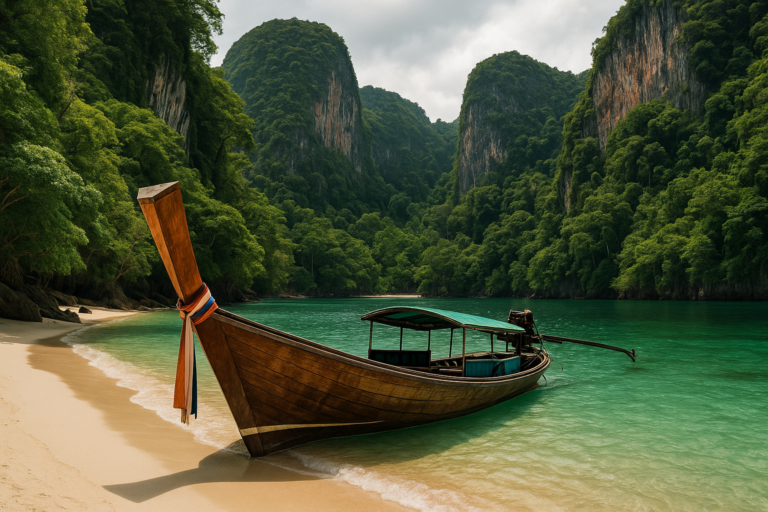
This is where you trade the pool bar for a kayak, the hotel buffet for a bowl of tom yum at a roadside stall, and the tour bus for a longtail boat piloted by someone who’s navigated these waters their whole life. Here’s how to do it right in 2026 — and beyond.
What Does “Off the Beaten Path” Actually Mean in Southeast Asia?
It’s a fair question. Southeast Asia attracts millions of travelers every year, and the so-called “hidden gems” have a way of appearing on everyone’s feed at once. But off the beaten path doesn’t have to mean completely undiscovered. It means choosing depth over convenience — the slower ferry over the direct flight, the family guesthouse over the resort, the local market over the hotel breakfast. It means being willing to sit with a little uncertainty and let the journey surprise you.
The destinations in this guide aren’t secrets. But the way you move through them can still feel like a genuine discovery — if you approach them with the right mindset.
Why Krabi Is More Than Its Postcard
Most travelers land in Krabi and head straight for Railay Beach or Ao Nang. Both are beautiful — that’s not up for debate. But Krabi Province stretches far beyond those two postcodes, and the further you push, the more it starts to feel like a genuine discovery.
Start with the Trang Islands. Ko Mook, Ko Kradan, and Ko Libong sit south of Krabi and are still largely bypassed by the Phuket crowd. Ko Mook has the Emerald Cave — a sea cave you swim through in near-total darkness before emerging into a hidden lagoon ringed with jungle. It sounds dramatic because it is. Ko Libong, meanwhile, is one of the last reliable places in Thailand to spot dugongs in the wild. These gentle, slow-moving sea mammals graze on the seagrass beds just offshore, and local conservation efforts have been working to protect both the animals and the community’s relationship with the sea.
Getting to the Trang Islands takes effort. Ferries run from Pak Meng and Hat Yai Yai piers, and schedules can shift with the season. That’s not a warning — it’s part of the appeal. You’ll share the boat with locals carrying groceries and fishermen heading home, not just other backpackers.
For rock climbers, Krabi’s limestone walls are genuinely world-class. Railay and Tonsai have the reputation, but the crags around Ao Nang and even some inland walls near Ao Luk offer routes with far fewer queues. If you’ve never climbed before, this is actually one of the best places in the world to learn — the rock is grippy, the views are extraordinary, and local guiding operations are well-established and safety-conscious.
Lesser-Known Spots Around Krabi Worth Exploring
- Ao Luk: A quiet mangrove district inland from the coast, perfect for kayaking through prehistoric caves and tidal channels with almost no other travelers around.
- Klong Thom Hot Springs: Natural thermal pools in a jungle setting — a world away from the beach crowds and genuinely relaxing after a day of hiking.
- Tiger Cave Temple (Wat Tham Sua): Climb 1,237 steps to a hilltop shrine with panoramic views over the province. Most day-trippers skip it. You shouldn’t.
Khao Sok: The Rainforest That Predates the Amazon
Khao Sok National Park is one of the most compelling arguments for going southeast asia off the beaten path. The park sits in Surat Thani Province, roughly between Phuket and Koh Samui, and it protects one of the oldest rainforests on the planet — older than the Amazon, older than the Congo. The biodiversity here is extraordinary: wild elephants, Malayan tapirs, gibbons, hornbills, and the occasional clouded leopard move through a landscape of towering trees, limestone outcrops, and the vast Cheow Lan Lake.
Cheow Lan Lake is the centerpiece. Emerald-green water stretches between karst mountains so steep they look almost vertical. Floating raft houses sit on the lake’s surface, run by local families who’ve been hosting travelers here for decades. Spending a night or two on the water — waking up to mist rolling off the hills, swimming before breakfast, listening to the jungle come alive at dusk — is the kind of experience that’s genuinely hard to replicate anywhere else.
Jungle trekking in Khao Sok is best done with a local guide. Not because the trails are dangerous, but because a good guide transforms what you see. Without one, a hornbill in the canopy is a distant shape. With one, it’s a species, a story, part of an ecosystem you start to understand. Look for guides with proper park certification and a track record of ethical wildlife practices — meaning no baiting animals, no disturbing nesting sites, and a genuine interest in conservation over spectacle.
The Rafflesia flower, the largest individual flower in the world, blooms unpredictably in Khao Sok. If you’re lucky enough to catch one, you’ll understand why people make the journey specifically to see it. It’s rare, it smells terrible, and it’s completely unforgettable.
According to Thailand National Parks, Khao Sok covers over 739 square kilometers and remains one of the most biodiverse protected areas in Southeast Asia — a fact that makes sustainable tourism here not just a preference but a responsibility.
Phang Nga Bay: Beyond the James Bond Island Crowds
Phang Nga Bay is famous. Ko Tapu — the spike of limestone that appeared in a classic Bond film — draws day-trippers by the boatload. But the bay is enormous, and most of it sees almost no tourist traffic at all.
👉 Read also: Southeast Asia's Best-Kept Secrets: Krabi, Langkawi & Beyond (2026)
The mangrove channels in the northern part of the bay are where the real exploration happens. Kayaking through these narrow waterways at high tide, ducking under root systems, watching mudskippers and monitor lizards on the banks — it’s meditative in a way that the main tourist route isn’t. Several community-run operations offer guided kayak tours through areas that see a fraction of the visitor numbers of the main bay circuit.
Ko Yao Noi and Ko Yao Yai, the two islands sitting in the middle of the bay, have developed a quiet reputation among travelers who want something slower. The communities here are predominantly Muslim fishing villages, and the islands have made a conscious effort to develop tourism on their own terms — homestays, cycling routes, and local seafood rather than resort infrastructure. It’s worth respecting that. Dress modestly when you’re away from the beach, ask before photographing people, and spend your money locally.
Crossing Into Malaysia: The Rainforests of the Peninsula
Southern Thailand and Northern Malaysia share a border that most travelers cross only to catch a flight or extend a visa. That’s a missed opportunity. The overland route from Hat Yai into Malaysia opens up a stretch of the Malay Peninsula that genuinely qualifies as southeast asia off the beaten path — dense jungle, colonial hill stations, and a cultural mix that shifts almost imperceptibly as you move south.
Taman Negara, Malaysia’s oldest national park, sits in the interior of Peninsular Malaysia and protects a rainforest that’s been uninterrupted for over 130 million years. The canopy walkway here — suspended high above the forest floor — gives you a perspective on the jungle that you can’t get from ground level. Night walks reveal a completely different ecosystem: civets, flying squirrels, and an orchestra of insects that makes the daytime jungle seem quiet by comparison.
The Cameron Highlands, further north, offer a different kind of escape. Tea plantations spread across cool hillsides, morning mist hangs in the valleys, and the pace of life slows considerably. It’s not wild in the way Khao Sok is wild, but it’s a useful counterpoint to days of heat and humidity, and the local market scene is genuinely excellent.
For those willing to go further, Sabah and Sarawak on Borneo represent some of the most extraordinary wilderness in all of Southeast Asia — but that’s a separate journey entirely, and one that deserves its own planning. Tourism Malaysia provides up-to-date entry requirements and regional travel guidance if you’re considering extending your route into East Malaysia.
More Southeast Asia Off the Beaten Path Destinations Worth Your Time
Southern Thailand and Malaysia are just one corner of a vast, endlessly varied region. If you’re building a longer trip — or planning a return — these destinations deserve a spot on your radar.
Northern Laos: Slow Boats and Quiet Towns
The slow boat journey along the Mekong from the Thai border to Luang Prabang is one of the great overland experiences in Southeast Asia. Two days on the river, watching the landscape shift from limestone hills to dense forest, stopping at small villages along the way. Luang Prabang itself is well-known, but push further north into Phongsali or Muang Ngoi and you’ll find a pace of life that feels genuinely unhurried. Trekking between ethnic minority villages, staying with local families, and navigating without a signal — it’s the kind of travel that changes how you think about moving through the world.
Central Vietnam: Beyond the Tourist Trail
Hoi An and Ha Long Bay are iconic for good reason. But the stretch of Vietnam between Da Nang and Hue — the Hai Van Pass, the lagoons of Tam Giang, the fishing villages of Lang Co — is where the country starts to feel less curated. Rent a motorbike and ride the coast road. Stop when something looks interesting. Eat at places with no English menu. This is central Vietnam at its most authentic, and it’s hiding in plain sight.
Eastern Indonesia: Flores and the Komodo Region
Bali is extraordinary, but it’s also one of the most visited islands on the planet. Flores, just to the east, is a different story. The road from Labuan Bajo to Ende winds through volcanic highlands, traditional villages, and landscapes that feel almost otherworldly. The tri-colored crater lakes of Kelimutu shift color with the minerals in the water — turquoise, green, black — and the hike to the rim at sunrise is one of those experiences you’ll struggle to describe to anyone who wasn’t there. Komodo National Park sits just offshore, and while the dragons themselves are well-documented, the diving and snorkeling in the surrounding waters is world-class and far less crowded than comparable sites in Southeast Asia.
Southern Myanmar: Proceed with Awareness
Travel to Myanmar requires careful, up-to-date research given the ongoing political situation. Check your government’s travel advisory before making any plans, and if you do visit, prioritize community-run guesthouses and locally owned businesses over large operators. The country’s landscapes and cultures are extraordinary — but responsible travel here means being informed, not just adventurous.
Practical Advice for Getting Around
The honest reality of traveling southeast asia off the beaten path in this region is that transportation takes time. Ferries run on seasonal schedules. Minivans fill up. Roads into national parks can be rough. None of this should put you off — but it does require a different mindset than airport-to-resort travel.
- Ferries and boats: Check seasonal schedules carefully. The southwest monsoon (roughly May to October) affects ferry routes on the Andaman coast. The Gulf of Thailand side has a different weather window. Flexibility in your itinerary isn’t optional — it’s the whole point.
- Minivans and shared transport: The backbone of regional travel. They’re cheap, they go everywhere, and they connect you with local travelers in a way that private transfers don’t. Book through guesthouses rather than tourist counters where possible.
- Motorbike rental: Widely available in Krabi, Koh Yao, and most Malaysian towns. If you’re comfortable riding, it opens up exploration that no other transport can match. If you’re not experienced, this isn’t the place to learn — the roads can be unpredictable.
- Border crossings: The Hat Yai to Penang route is well-traveled and straightforward. Check current visa requirements before you go — both Thailand and Malaysia have updated their entry policies in recent years, and the details matter.
- Costs: Southern Thailand remains genuinely affordable for budget travelers. Guesthouses near Khao Sok, local meals, and national park entry fees are all very reasonable. Malaysia is slightly more expensive but still well within reach for most young travelers on a sensible budget.
Staying and Eating Like a Local
The accommodation landscape in this part of Southeast Asia has expanded significantly. You’ll find everything from basic bamboo guesthouses to thoughtfully designed eco-lodges that take their environmental commitments seriously. The sweet spot for most travelers is somewhere in between: a family-run guesthouse where the owner gives you real advice about where to go, or a small eco-lodge that employs local staff and sources its food from nearby farms.
In Khao Sok, the floating raft houses on Cheow Lan Lake are an experience in themselves, and the community-run operations have been refining the experience for years. In the Trang Islands, homestays give you access to a pace of life that resort accommodation simply can’t replicate. You’ll eat what the family eats, which is usually better than anything on a tourist menu.
👉 Read also: Hidden Gems in Southeast Asia: Vung Tau, Hat Yai & Thailand's Underrated South
Speaking of food: Southern Thai cuisine is some of the most complex and rewarding in the country. It’s spicier than central Thai food, heavier on turmeric and dried spices, and deeply influenced by Malay cooking traditions. Khao yam — a rice salad with dried shrimp, toasted coconut, and fresh herbs — is a breakfast staple in the south that most visitors never encounter because they’re eating at the hotel. Find a local market, point at what looks good, and eat it at a plastic table on the street. That’s the move.
Traveling Responsibly in These Spaces
The places covered in this article are not undiscovered. Some of them — Railay, Phang Nga Bay, Khao Sok — are established destinations with real visitor pressure. The difference between a traveler and a tourist, in these contexts, is largely about how you engage.
Support community-run operations over large resort chains. Hire local guides rather than booking through international platforms that take a significant cut. Don’t touch coral. Don’t feed wildlife. Don’t take anything from national parks. These aren’t rules invented to annoy you — they’re the difference between these places remaining extraordinary and becoming degraded versions of themselves.
Overtourism is a genuine concern in parts of Southern Thailand, and local communities are increasingly vocal about it. The best thing you can do is travel slowly, spend locally, and treat the places you visit with the respect you’d want someone to show your own home.
When to Go
Timing matters more in this part of the world than almost anywhere else. The Andaman coast (Krabi, Phang Nga, the Trang Islands) is best from November to April, when the southwest monsoon has passed and the sea is calm. The Gulf of Thailand side (Koh Samui, Koh Tao) has a different weather pattern, with its main season running from April to October.
Khao Sok is accessible year-round, but the dry season (December to April) makes trekking more comfortable and wildlife more visible around water sources. The wet season brings its own rewards — the jungle is intensely green, the waterfalls are full, and the crowds thin out considerably.
Malaysia’s west coast, including Taman Negara and the Cameron Highlands, is generally drier from May to July and December to February. The east coast has a distinct monsoon season that can close some areas entirely from November to January.
The Journey Is the Point
Exploring southeast asia off the beaten path in this corner of the world isn’t about finding somewhere no one else has ever been. It’s about slowing down enough to actually experience the places you’re moving through. It’s about the conversation with the guesthouse owner who tells you about a beach that doesn’t appear on any map app. It’s about the night you spend on a floating raft house listening to the jungle, or the morning you paddle through a mangrove channel with no particular destination in mind.
Southern Thailand and the Malay Peninsula offer all of this in abundance — ancient rainforests, extraordinary coastlines, vibrant local cultures, and enough space to find your own version of the journey. You don’t need a packed itinerary or a perfect plan. You need curiosity, a little flexibility, and the willingness to take the slower road. The stories you come home with will be entirely your own.
Frequently Asked Questions
What is the best country in Southeast Asia for off the beaten path travel?
There’s no single answer — it depends on what kind of experience you’re after. Laos and East Timor tend to see far fewer visitors than Thailand or Vietnam, making them genuinely quieter. But even in well-traveled countries like Thailand, you can find deeply off-the-beaten-path experiences by moving beyond the main tourist corridors. The key is going slower and resisting the pull of the obvious itinerary.
Is Southeast Asia safe for solo travelers exploring remote areas?
Generally, yes — Southeast Asia is one of the most solo-travel-friendly regions in the world. That said, remote areas require more preparation: carry enough cash (ATMs are scarce), download offline maps, tell someone your plans, and always check local conditions before heading into national parks or border regions. Traveling with a local guide in genuinely remote areas is both safer and a richer experience.
How much does off the beaten path travel in Southeast Asia cost?
Less than you might think. Southern Thailand and Laos are among the most affordable destinations in the region. Expect to spend roughly $25–$45 USD per day covering accommodation, food, local transport, and activities if you’re traveling on a budget. Malaysia and Indonesia can run slightly higher, but are still very accessible compared to most of the world.
Do I need a visa for Southeast Asia off the beaten path destinations?
Visa rules vary by country and by your passport. Thailand offers visa-free entry for many nationalities for up to 60 days. Malaysia is similarly generous. Laos, Vietnam, and Indonesia all have their own requirements, some of which have changed recently. Always check the official government or embassy website for your destination before you travel — and do it close to your departure date, since policies update frequently.
What should I pack for off the beaten path travel in Southeast Asia?
Pack light and pack practical. A good rain jacket, quick-dry clothing, sturdy sandals and lightweight hiking shoes, a reusable water bottle with a filter, and a small first-aid kit will cover most situations. If you’re heading into national parks or jungle areas, add insect repellent with DEET, a headlamp, and a portable power bank. Leave the things you’re not sure about at home — you can buy almost anything you need once you’re there.
This article was produced with AI assistance and reviewed editorially.


Planning Your First Solo Trip: A Step-by-Step Blueprint for Unforgettable Travel

Teaching English Abroad in 2026: Top Countries, Visa Requirements & Real Salaries


