
Asia
Southeast Asia’s Best-Kept Secrets: Krabi, Langkawi & Beyond (2026)
Discover the real hidden gems of Southeast Asia — from Krabi’s mangrove tunnels and Satun’s pristine islands to Kampot, Phong Nha, and Langkawi’s rainforest interior. Your next adventure starts here.

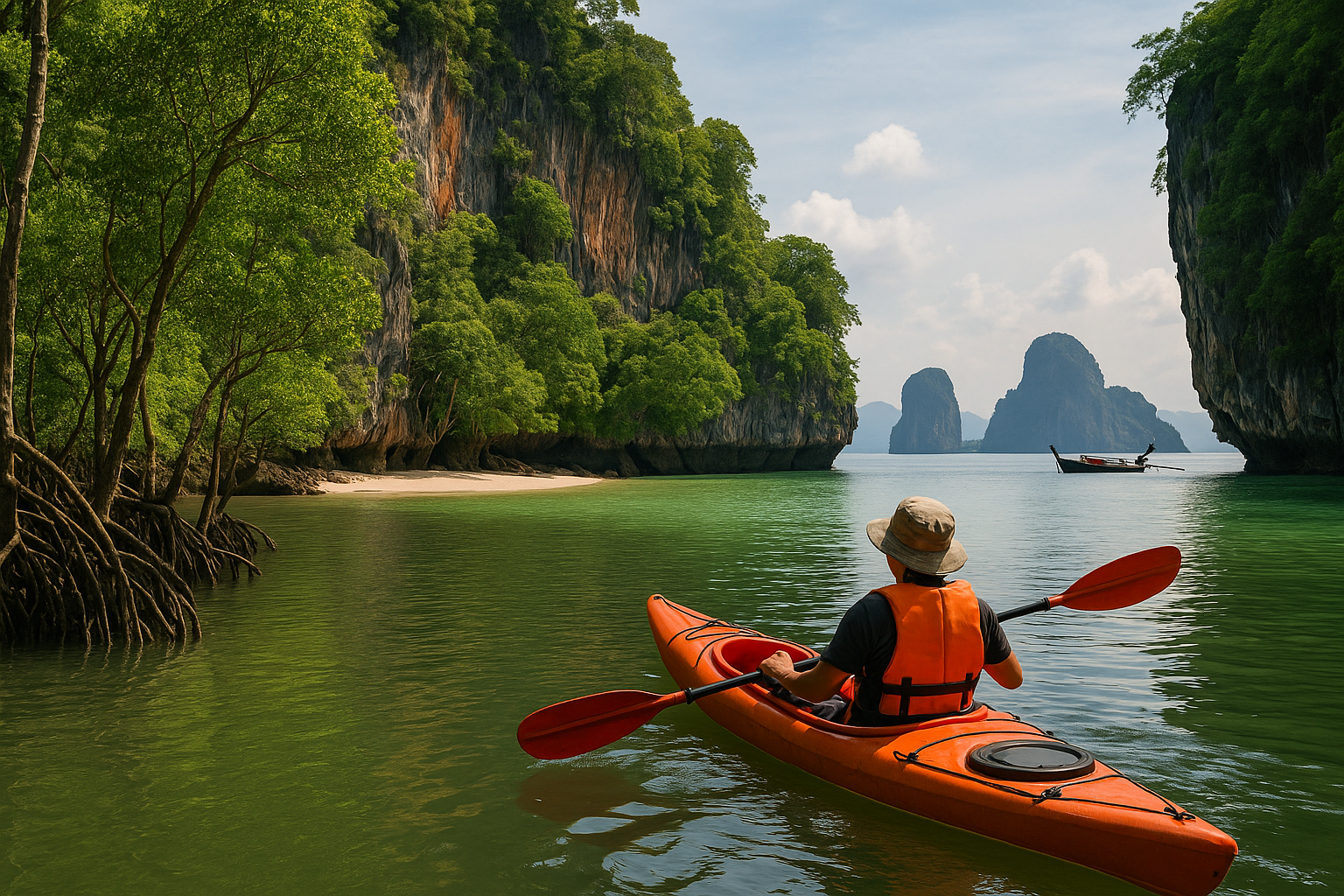
Hidden Gems Southeast Asia: Krabi, Langkawi, Satun, and the Places Most Travelers Miss
The hidden gems Southeast Asia keeps closest to its chest aren’t the ones trending on travel feeds. They’re the ones you stumble across after you’ve left the well-worn tourist trail behind — mangrove forests glowing green in the morning light, limestone cliffs rising straight out of the sea, fishing villages where the day starts before sunrise and ends with the best grilled fish you’ve ever eaten. Southern Thailand and northern Malaysia are full of these moments. You just have to know where to look.
Most travelers fly into Krabi or Langkawi, check into a resort, and spend their week bouncing between the same beaches everyone else is visiting. There’s nothing wrong with that. But if you’ve got a bit of curiosity and a willingness to go slightly off-script, these two regions will show you something completely different. Something that feels genuinely yours.
This guide covers the underrated destinations, lesser-known islands, and local experiences that make Southeast Asia one of the most rewarding regions on earth for young, curious travelers — whether it’s your first trip or your fifth.
Why Southeast Asia Still Has So Many Hidden Gems
Southeast Asia is enormous. It spans eleven countries, thousands of islands, and an almost impossible range of landscapes — from volcanic highlands to ancient rainforests to turquoise bays. The tourist infrastructure is concentrated in a handful of hotspots: Bali, Bangkok, Phuket, Hanoi. But step even slightly outside those corridors and the region opens up in ways that feel genuinely surprising.
The hidden gems are still hidden for a few reasons. Some require an extra ferry connection or a long bus ride. Some don’t have Instagram-famous landmarks. Some are simply in provinces that don’t appear in the standard two-week itinerary. That’s exactly what makes them worth seeking out. The effort filters the crowd, and what’s left is something closer to the real thing.
Krabi Province: More Than Phi Phi
Let’s be honest — Phi Phi is stunning. But it’s also packed. If you’re heading to Krabi Province and you want to actually feel like you’ve discovered something, you need to look past the postcard version.
The Mangrove Trails of Ao Thalane
About 35 kilometers north of Krabi Town, Ao Thalane is one of the most underrated paddling destinations in all of Southeast Asia. You rent a kayak, push off into a network of mangrove tunnels, and suddenly the world gets very quiet. The roots arch overhead, crabs scuttle along the mud below, and kingfishers dart between the branches. It takes about two to three hours to paddle the full route, and you’ll likely have stretches of it completely to yourself.
Mangroves aren’t just beautiful — they’re ecologically critical. They act as nurseries for fish, protect coastlines from erosion, and store huge amounts of carbon. Paddling through them feels less like a tourist activity and more like a privilege. Local guides from the nearby community of Ban Ao Thalane run tours here, and booking through them puts money directly into the village rather than a third-party operator.
Koh Lanta Yai: The Slower Island
Koh Lanta sits south of Krabi Town and attracts a noticeably different crowd than Phi Phi or Railay. The island has a long west-coast beach that stretches for kilometers, a national park at its southern tip with forest trails and a lighthouse viewpoint, and a small Old Town on the east coast that’s genuinely worth exploring on foot.
Old Lanta Town is a stilt village built over the water, and its wooden shophouses date back to a time when the island was a stop on regional trading routes. You’ll find a mix of Thai, Chinese, and Malay architectural influences, a handful of excellent local restaurants, and a pace of life that feels refreshingly unhurried. Rent a scooter for the day and explore the inland roads — you’ll pass rubber plantations, small mosques, and fruit stalls that don’t appear on any map.
Rock Climbing on the Railay Peninsula
Railay is accessible only by boat, which keeps the crowds somewhat manageable. And while its beaches are well-known, the climbing scene here is world-class and genuinely accessible to beginners. The limestone karsts that define this coastline are riddled with routes of varying difficulty, and there are several local operators who run half-day introduction sessions for people who’ve never clipped into a harness before.
Climbing here means you end up on ledges and overhangs with views of the Andaman Sea that no boat tour can replicate. It’s physical, it’s focused, and it’s one of those experiences that takes you completely out of your head. If you’re traveling solo, it’s also a natural way to meet people — the climbing community here is small, friendly, and international.
Koh Yao Noi: The Island Between the Islands
Sitting in the middle of Phang Nga Bay between Krabi and Phuket, Koh Yao Noi is one of the most underrated islands in southern Thailand. It’s close enough to both airports to reach easily, but far enough from the resort zones to feel like a different world. The island is predominantly Muslim, with rubber plantations, rice paddies, and a coastline that hasn’t been developed into a wall of sun loungers.
Rent a bicycle and spend a day looping the island’s quiet roads. Stop at a local coffee shop, swim at a beach that’s mostly empty on weekdays, and watch the limestone karsts of Phang Nga Bay change color as the sun drops. It’s the kind of day that doesn’t look like much on paper but stays with you for a long time.
Phang Nga Bay: The Landscape That Doesn’t Need a Filter
Between Krabi and Phuket lies Phang Nga Bay, a stretch of water studded with over 40 limestone islands rising dramatically from the sea. Most people know it from the James Bond Island photo, but the bay is enormous, and the majority of it sees very little tourist traffic.
The best way to experience Phang Nga properly is by sea kayak, ideally over two days with an overnight stay on one of the islands. You paddle through hongs — hollow limestone chambers that can only be entered at low tide — and emerge into secret lagoons surrounded by vertical rock walls. Birds nest in the crevices above. The water is still and clear. It’s the kind of place that makes you understand why people fall in love with this part of the world.
👉 Read also: Southeast Asia's Best Kept Secrets: Koh Lanta, Chiang Mai & the Cao Bang Loop
For a more community-focused experience, the fishing village of Ko Panyi is built entirely on stilts over the water and is home to a sea nomad community whose ancestors settled here generations ago. The village has a mosque, a school, a football pitch (also built on stilts), and a cluster of restaurants serving fresh seafood. Visiting in the early morning or late afternoon, after the day-trip boats have left, gives you a much more authentic sense of what life here actually looks like.
Satun Province: Thailand’s Forgotten South
Satun is one of the most overlooked provinces in Thailand, and that’s exactly what makes it worth going. It borders Malaysia to the south and has a predominantly Muslim population with a culture and cuisine that reflect both Thai and Malay influences. The food alone is a reason to visit — rich curries, freshly baked roti, and grilled fish dishes that you won’t find in the tourist restaurants further north.
Tarutao National Marine Park
The Tarutao archipelago sits in the far southwest of Thailand and contains some of the most pristine marine environments in the entire country. The islands here — Ko Tarutao, Ko Adang, Ko Rawi — have limited accommodation, no large resorts, and strict environmental protections in place. Snorkeling around Ko Adang reveals coral gardens that are in genuinely good health, with visibility that regularly exceeds 20 meters.
Getting here takes effort. You’ll travel by ferry from the pier at Pak Bara, and the crossing takes about an hour and a half. But that effort is the point. The islands feel remote because they largely are. You’ll share the beach with a handful of other travelers, wake up to the sound of the sea, and spend your days in the water or walking the forest trails. According to Thailand National Parks, the Tarutao archipelago was one of the first marine national parks established in the country, and conservation remains a genuine priority here.
Beyond Thailand: Hidden Gems Across Southeast Asia
Southern Thailand and northern Malaysia are just the beginning. Southeast Asia’s lesser-known destinations stretch across the entire region — and some of the most rewarding experiences are in countries that don’t always make the top of the list.
Kampot, Cambodia
Kampot is a small riverside town in southern Cambodia that’s been quietly drawing in travelers who want something slower and more genuine than Siem Reap or Phnom Penh. The Kampot River winds through a landscape of pepper plantations and karst hills, and the town itself has a relaxed, creative energy — independent cafés, local markets, and a community of travelers who tend to stay longer than they planned.
Take a boat trip at sunset, rent a bicycle and cycle out to the pepper farms, or make the short trip to Kep, a former French colonial seaside town with a famous crab market right on the water. Kampot is the kind of place that rewards slow travel.
Mrauk U, Myanmar
For travelers who are able to visit, Mrauk U is one of Southeast Asia’s most extraordinary and least-visited archaeological sites. The ancient capital of the Arakan Kingdom is scattered across a landscape of hills and rivers in western Myanmar, with hundreds of temples and pagodas that see a fraction of the visitors that Bagan attracts. Check current travel advisories carefully before planning any trip to Myanmar.
Phong Nha, Vietnam
The Phong Nha-Ke Bang National Park in central Vietnam is home to some of the largest cave systems on earth, including Son Doong — the world’s biggest known cave. But even beyond the headline caves, the surrounding region is stunning: forested karst mountains, clear rivers, and a small town with excellent local food and a genuinely warm welcome. It’s one of the best hidden gems in Southeast Asia for adventure travelers, and it’s still far less crowded than Ha Long Bay or Hoi An.
Don Det, Laos
The 4,000 Islands region in southern Laos — Si Phan Don — is one of the most peaceful corners of Southeast Asia. Don Det is the most accessible of the islands, reachable by boat from the town of Nakasang, and it has a handful of guesthouses, hammocks strung over the Mekong, and almost nothing to do except watch the river go by. That’s the point. You can also take a short trip to see the Irrawaddy dolphins that live in the Mekong here — one of the rarest freshwater dolphin populations in the world.
Langkawi, Malaysia: Beyond the Duty-Free Shops
Langkawi has a reputation as a shopping destination — duty-free liquor, electronics, and chocolates. And yes, that’s part of the picture. But the island itself is large, forested, and full of experiences that have nothing to do with a shopping mall.
The Kilim Karst Geoforest Park
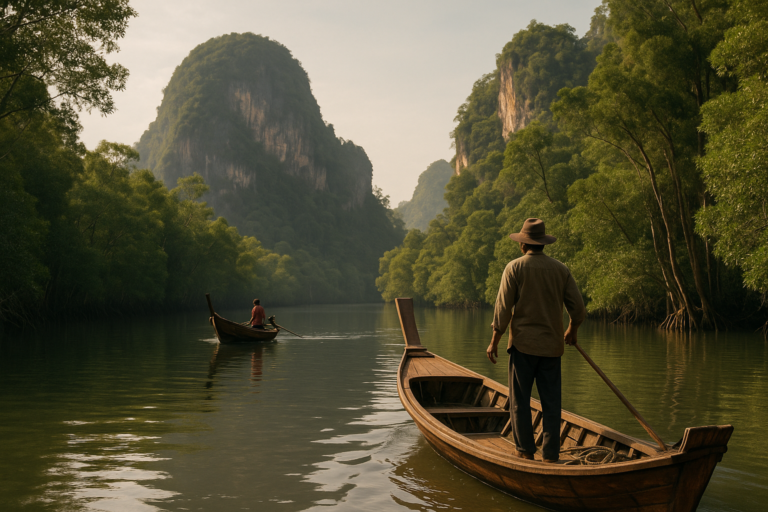
On Langkawi’s northeast coast, the Kilim Geoforest Park protects a landscape of mangroves, limestone outcrops, and tidal rivers that’s every bit as spectacular as anything in Krabi. Boat tours here take you through channels where eagles circle overhead waiting to be fed, past bat caves you can explore on foot, and into open water where the karst formations rise straight from the sea.
The park is part of the Langkawi UNESCO Global Geopark, which recognizes the geological and ecological significance of the island’s landscape. The Langkawi Geopark covers roughly half of the island and includes sites that range from ancient geological formations to living ecosystems. It’s one of the most compelling arguments for spending at least two or three days exploring the island’s interior rather than just its beaches.
Inland Langkawi: Waterfalls and Rainforest
Rent a car or scooter and head inland, and Langkawi transforms. The central highlands are covered in primary rainforest, and a network of roads connects small villages, paddy fields, and a series of waterfalls that see a fraction of the visitors that the beach resorts attract.
Temurun Waterfall in the northwest is one of the tallest on the island and drops into a natural pool surrounded by forest. Air Terjun Durian Perangin, closer to the center, is more accessible and has a series of cascades you can climb between. Go on a weekday morning and you’ll likely have the place to yourself. Bring something to eat, stay for a few hours, and let the forest do what forests do — slow everything down.
Perlis: Malaysia’s Smallest State
Cross from Langkawi to the Malaysian mainland and head north, and you’ll reach Perlis — the smallest state in Malaysia and one of the least visited. It’s a quiet, agricultural region with sugar cane fields, limestone hills, and a cave temple called Gua Kelam that you walk through on a raised wooden walkway over an underground river. The whole experience takes about 20 minutes and costs almost nothing.
👉 Read also: Hidden Gems in Southeast Asia: Vung Tau, Hat Yai & Thailand's Underrated South
Perlis doesn’t have a tourist industry to speak of, which means the people you meet here aren’t used to being treated as part of a travel experience. That’s refreshing. Eat at the local hawker stalls, ask for directions, and let the place surprise you.
Practical Advice for Exploring Hidden Gems in Southeast Asia
When to Go
The Andaman coast of Thailand — including Krabi and Phang Nga — is best visited between November and April, when the weather is dry and the sea is calm. Langkawi is generally accessible year-round. If you’re visiting between May and October, expect some rain and rougher seas, but also significantly fewer tourists and lower prices. For destinations like Kampot, Phong Nha, and Don Det, the dry season runs roughly from November to April as well, though each region has its own rhythm — always check local conditions before you go.
Getting Around
Ferries connect Krabi, Koh Lanta, and the islands of Satun Province throughout the dry season. Langkawi has its own ferry connections to Penang and the Thai border crossing at Satun, which makes it genuinely possible to combine both countries in a single trip without flying. On the islands themselves, scooters are the best way to explore independently. They’re cheap to rent, easy to ride on quiet roads, and give you the freedom to stop whenever something catches your eye.
For the wider region, overnight buses and trains are your friends. They save on accommodation costs, cover long distances, and — if you embrace the experience — are one of the best ways to meet other travelers and locals.
Where to Stay
Skip the international resort chains and look for locally owned guesthouses and homestays. In Krabi Town, a cluster of small guesthouses near the night market puts you within walking distance of the ferry pier and the best local food. In Langkawi, the quieter northern and eastern coasts have small family-run places that are a fraction of the price of the west coast resorts. On the Satun islands, national park bungalows are basic but genuinely atmospheric — you’re sleeping in a forest, steps from the sea.
Budget and Value
One of the reasons this region is so appealing for younger travelers is the value. A day of kayaking in Ao Thalane with a local guide costs less than a single cocktail at a beach club in Phuket. A full meal at a hawker stall in Perlis costs almost nothing. Even accommodation in the less-touristed areas is dramatically cheaper than the main resort zones. You don’t need a big budget to have a genuinely rich experience here — you just need to be willing to go slightly off the beaten path.
Traveling Responsibly in These Spaces
These places are special partly because they haven’t been overwhelmed by tourism. That’s worth protecting. A few things to keep in mind: book with local operators rather than large international platforms wherever possible. Don’t touch coral when you’re snorkeling. Follow the rules in national parks — they exist for good reasons. And take your rubbish with you, especially on the smaller islands where waste management infrastructure is limited.
Community-based tourism is growing across this region, and it’s one of the most meaningful ways to travel. When you hire a local guide, eat at a family-run restaurant, or stay at a village guesthouse, you’re contributing directly to the people who actually live in these places. That matters more than it might seem.
The Real Southeast Asia Is Still Out There
The hidden gems Southeast Asia holds in its southern reaches — the mangrove tunnels of Ao Thalane, the stilt villages of Phang Nga, the pristine reefs of Tarutao, the rainforest interior of Langkawi, the riverside calm of Kampot, the cave systems of Phong Nha — are still there, still accessible, and still genuinely worth the extra effort it takes to reach them. These aren’t places you’ll find on the cover of every travel magazine. They’re places you discover when you decide that the standard itinerary isn’t quite enough.
That’s the thing about traveling through this part of the world. The more you’re willing to slow down, take the local ferry, eat where the fishermen eat, and follow a dirt road just to see where it goes, the more the region reveals itself. And what it reveals is extraordinary — not because it’s been packaged and presented for you, but because it hasn’t been. It’s just there, waiting for someone curious enough to show up.
Pack light, stay flexible, and give yourself more time than you think you need. The best days in Southeast Asia are usually the ones you didn’t plan.
Frequently Asked Questions: Hidden Gems in Southeast Asia
What are the most underrated destinations in Southeast Asia?
Some of the most underrated destinations include Satun Province in southern Thailand, Kampot in Cambodia, Phong Nha in Vietnam, Don Det in Laos, and Koh Yao Noi in Phang Nga Bay. These places offer authentic experiences, stunning landscapes, and far fewer crowds than the region’s most famous spots.
Is Southeast Asia good for budget travelers?
Absolutely. Southeast Asia is one of the most accessible regions in the world for budget-conscious travelers. In less-touristed areas — like Perlis in Malaysia or Satun in Thailand — you can eat well, sleep comfortably, and fill your days with genuine adventures for a fraction of what you’d spend in Western Europe or North America.
How do I get off the tourist trail in Southeast Asia?
The simplest way is to add one extra connection to your journey. Take the ferry that goes one island further. Get off the bus a stop earlier. Ask your guesthouse owner where they eat, not where they send tourists. The hidden gems in Southeast Asia are rarely far from the main routes — they just require a small amount of extra curiosity to reach.
When is the best time to visit Southeast Asia’s hidden gems?
For most of the destinations covered here, the dry season between November and April offers the most reliable weather. That said, traveling in the shoulder months — October or May — often means fewer crowds and lower prices, with weather that’s still very manageable. Always check regional conditions, since Southeast Asia’s weather patterns vary significantly from country to country.
Is Southeast Asia safe for solo travelers?
Generally, yes. Southeast Asia has a long history of welcoming solo travelers, and the backpacker infrastructure across the region is well-established. As with any destination, use common sense, stay aware of your surroundings, and do a bit of research on local customs before you arrive. The less-touristed areas covered in this guide are typically very safe — and often, the further you get from the tourist hotspots, the more genuine the welcome.
This article was produced with AI assistance and reviewed editorially.


Planning Your First Solo Trip: A Step-by-Step Blueprint for Unforgettable Travel

Teaching English Abroad in 2026: Top Countries, Visa Requirements & Real Salaries


