
Roaming Around the World
Adventure Beyond the Beach: Things to Do in Jeju, South Korea & Tayrona Park, Colombia
Explore beyond the beaches at Jeju Island and Tayrona National Park. Discover volcanic hiking, jungle trails, and adventure activities across two world-class destinations

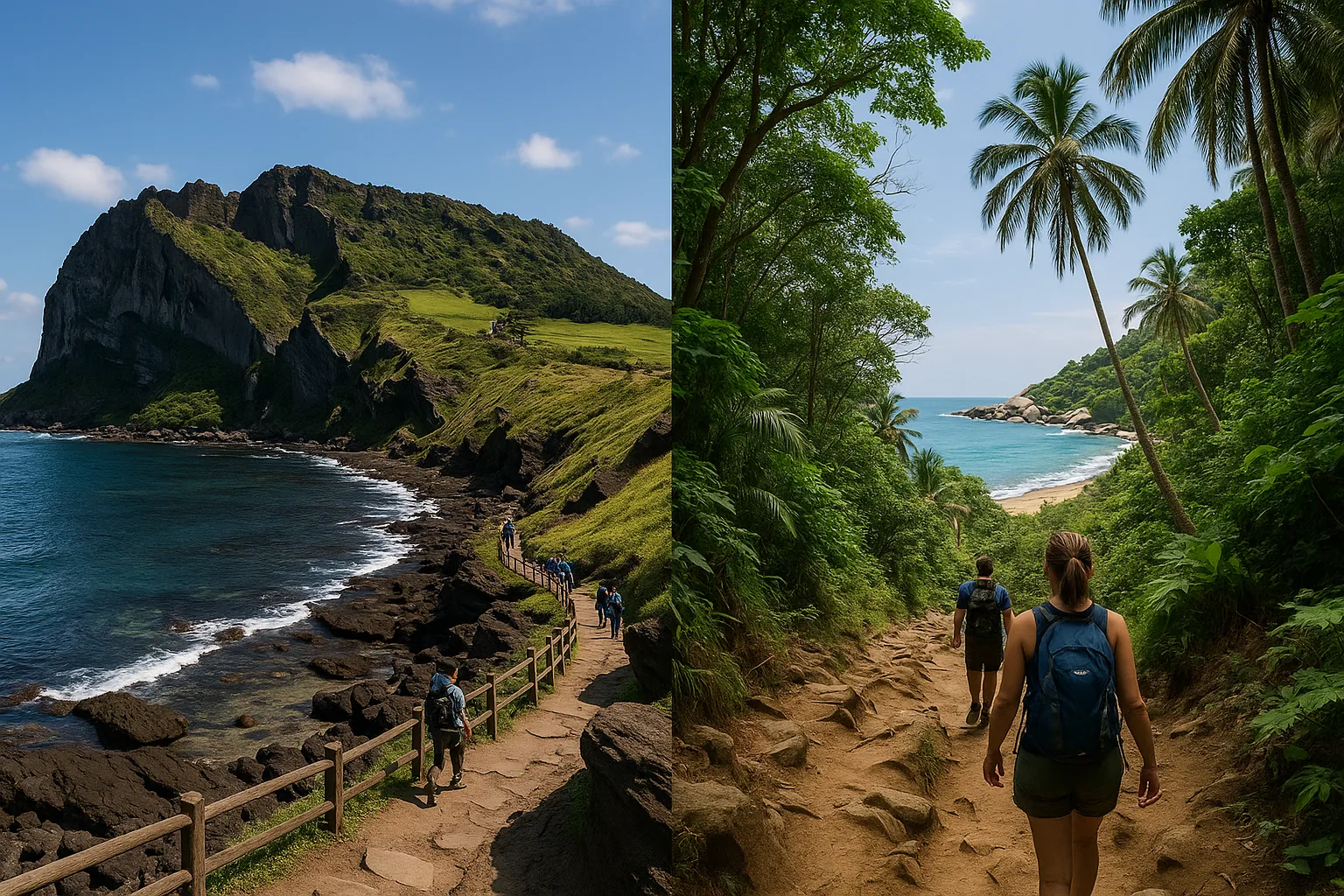
Some destinations earn their reputation on looks alone — turquoise water, golden sand, a postcard-perfect horizon. But the best adventures happen when you push past the shoreline and start asking what else a place has to offer. If you’re weighing up the things to do in Jeju and Tayrona, you’ve already stumbled onto two of the world’s most layered destinations, where the beach is honestly just the beginning. Jeju Island in South Korea and Tayrona National Park in Colombia sit on opposite sides of the globe, yet they share something rare: landscapes that shift dramatically within a few kilometres, cultures that run deep, and the kind of adventures that stay with you long after your tan fades.
Why Jeju and Tayrona Deserve More Than a Day Trip
It’s easy to show up at either destination, spend a few hours on the beach, and leave thinking you’ve seen it all. Most people do exactly that. But if you give these places the time they deserve — a few days minimum — you start to understand why travellers keep coming back.
Jeju Island is South Korea’s largest island and, in geological terms, a genuinely extraordinary place. The entire island is essentially a large inactive shield volcano, with Hallasan Mountain forming its dramatic central cone. That volcanic origin shapes everything here — the black lava rock coastline, the crater lakes, the underground tunnels, the fertile soil that grows some of Korea’s most distinctive produce. Jeju is also one of the New7Wonders of Nature, a title that might sound like marketing until you actually arrive and realise the landscape earns it.
Tayrona, meanwhile, is one of those places where ecosystems collide in a way that feels almost impossible. Tropical rainforest meets the Caribbean Sea along a coastline of golden beaches framed by jungle-covered mountains. It’s wild, it’s humid, it’s alive with sound and colour — and it rewards every traveller who’s willing to walk a little further than the next person.
Exploring Jeju’s Volcanic Soul
If you visit Jeju and skip Hallasan, you’ve missed the heart of the island. Hiking to the summit of Hallasan Mountain is one of the defining experiences on the island — a full-day commitment that takes you through shifting vegetation zones, from dense forest to open alpine terrain, with views that stretch across the entire island on a clear day. The trails are well-maintained, but they’re not a casual stroll. Start early, pack layers, and bring more water than you think you need.
For something equally dramatic but less demanding, Seongsan Ilchulbong — the famous sunrise peak — is essential. This ancient volcanic crater rises straight from the sea on the island’s eastern tip, and watching the sun climb over the rim at dawn is one of those quiet, powerful moments that reminds you why you travel in the first place. It’s a UNESCO World Heritage Site, and the short but steep hike to the top is manageable for most fitness levels.
Underground, Jeju holds another UNESCO-listed wonder: Manjanggul lava tube. Walking through this vast underground tunnel — formed when ancient lava flows cooled and hardened on the outside while molten rock drained away inside — feels genuinely other-worldly. The tube stretches for kilometres, and the accessible section takes you past extraordinary lava formations in cool, cave air. It’s a welcome escape on a hot day and a fascinating window into the island’s volcanic past.
👉 Read also: Colombia's Caribbean Coast: Hostels, Beaches, and Adventures in Tayrona and the Rosarios Islands
Jeju’s mild subtropical climate means the island stays relatively green year-round, but the landscape changes with the seasons. Spring brings canola flower fields that turn entire hillsides yellow, while autumn coats the slopes of Hallasan in deep reds and oranges. Whatever time of year you visit, there’s always something worth seeing beyond the coast.
Jeju’s Living Culture: Haenyeo and Local Life
Jeju isn’t just a natural spectacle — it has a cultural identity that’s entirely its own. The most compelling expression of that identity is the haenyeo tradition: female free divers who have harvested seafood from the ocean depths for centuries without the use of breathing equipment. Watching the haenyeo at work — diving to depths that would challenge trained athletes, surfacing with abalone, sea cucumbers, and urchins — is humbling and quietly extraordinary.
You can observe haenyeo diving at several points around the island’s coast, and some experiences allow you to meet the divers and hear about their lives. This is one of those rare cultural encounters that doesn’t feel staged. These women are genuinely continuing a living tradition, and the respect the local community holds for them is palpable. It’s the kind of thing you’ll still be talking about months later.
Beyond the diving culture, Jeju’s local food scene is worth exploring seriously. The island has its own distinct culinary traditions — heuk dwaeji (black pork), fresh seafood grilled simply by the harbour, hallabong citrus fruit, and bingsu shaved ice desserts in every flavour imaginable. Eat where the locals eat, wander the traditional markets, and let the food tell you as much about the island as the landscape does.
Into the Jungle: Adventures in Tayrona National Park
Getting to Tayrona starts in Santa Marta, the gateway city on Colombia’s Caribbean coast. From there, the park is close enough for a day trip, but spending at least two or three nights inside — or near — the park gives you a completely different experience. The jungle trails that connect the park’s beaches are the real draw, and they take time to appreciate properly.
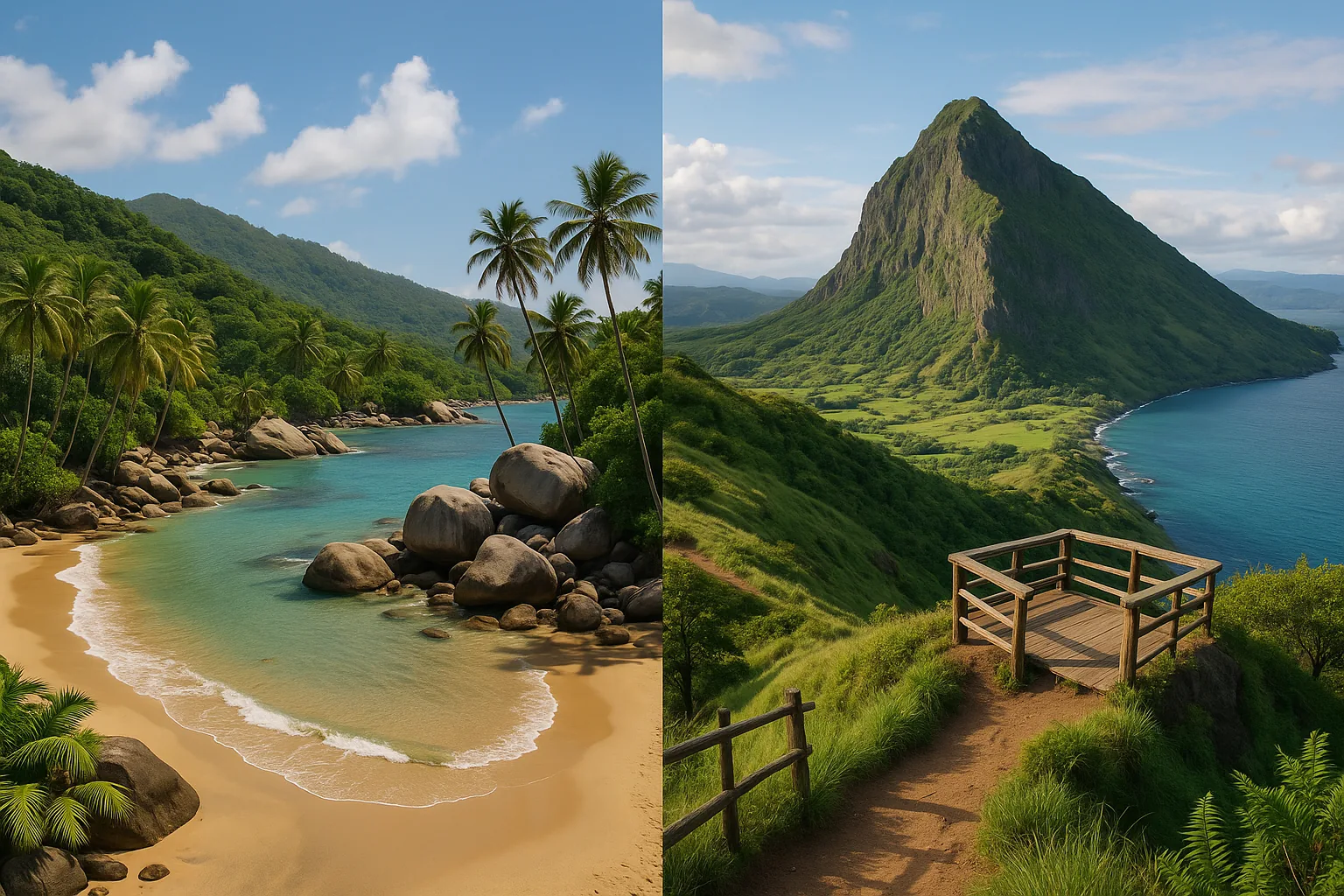
Hiking through Tayrona is a full-sensory experience. The forest is dense and loud — birds, insects, the occasional rustle of something you can’t quite see. The trails wind through humid rainforest before opening onto beaches where the jungle tumbles almost directly into the sea. Snorkelling the coral reefs just offshore is one of the park’s highlights; the underwater world here is as rich and colourful as the forest above it. Eco-friendly guesthouses within the park make it possible to stay overnight and experience the beaches at dawn, before the day visitors arrive, when the light is golden and the sand is entirely yours.
For travellers who want to push further, the Ciudad Perdida — or Lost City — trek is one of the most rewarding multi-day adventures in all of South America. The journey takes you deep into the Sierra Nevada de Santa Marta mountains, through dense rainforest, across rivers, and up stone staircases to 800-year-old ruins that predate Machu Picchu. It’s a challenging multi-day trek, typically taking between four and six days, and it demands a reasonable level of fitness. But the combination of physical challenge, extraordinary landscape, and genuine historical weight makes it an experience that’s hard to match anywhere in the world.
Beyond the Park: The Wider Tayrona Region
The area surrounding Tayrona National Park offers as much adventure as the park itself. Minca, a small mountain village nestled in the foothills of the Sierra Nevada, is a brilliant base for a different kind of exploration. The village sits in cloud forest territory, making it ideal for birdwatching — the region is home to an extraordinary diversity of bird species — as well as mountain biking and walks through misty forest trails. Minca has a relaxed, community-driven atmosphere that feels a world away from the coast, even though it’s only a short journey from Santa Marta.
👉 Read also: Colombia's Caribbean Coast: Tayrona Park, Rosarios Islands & Granada Hostels for Backpackers
If you’re drawn to water, Río Don Diego offers tubing through forest-lined river channels — a genuinely fun, low-key adventure that gives you a different perspective on the region’s landscape. It’s the kind of activity that’s easy to underestimate until you’re floating through jungle with sunlight filtering through the canopy overhead.
For those curious about the deep history of this coastline, Tayronaka ruins offer guided tours that explore the indigenous cultures of the Tayrona people. Understanding who lived here before the national park existed — and how they shaped this landscape — adds a layer of meaning to every trail you walk and every beach you sit on. It’s the difference between visiting a place and actually connecting with it.
Planning Your Trip: Practical Thinking for Active Travelers
Both destinations reward thoughtful planning, especially if you’re working with a limited budget or a tight schedule. Here are the key things to keep in mind:
- Jeju is easy to reach from Seoul and other major Asian cities, with frequent flights making it a realistic add-on to a broader South Korea or East Asia trip. The island is compact enough to explore by rental scooter or car, which gives you the freedom to follow your instincts.
- Tayrona requires a bit more planning for entry. The park has a limited number of visitors allowed at any one time, and there are periodic closures for environmental recovery. Check current access conditions before you go and book accommodation inside the park in advance if you want to stay overnight.
- For budget accommodation near Tayrona, Santa Marta and the surrounding area have a healthy hostel scene, and Minca offers guesthouses and small eco-lodges at accessible prices. Inside the park itself, eco-friendly guesthouses and camping options exist, though these book up quickly during peak periods.
- In Jeju, guesthouses and guesthouses (minbak) are scattered across the island and offer affordable alternatives to hotels. Staying in smaller towns rather than the main city gives you a more local experience and often better value.
- Both destinations have rainy seasons that can affect trail conditions and beach access. Research current seasonal patterns before booking, and build flexibility into your itinerary — sometimes the best days follow an unexpected downpour.
- For multi-day planning, consider dedicating at least three days to Jeju to cover Hallasan, Seongsan Ilchulbong, and Manjanggul comfortably. For Tayrona and the surrounding region, a week gives you time for the park itself, a night or two in Minca, and potentially a day on the Río Don Diego.
Comparing the Two: What Kind of Traveler Are You?
Jeju and Tayrona aren’t really in competition — they offer different flavours of the same essential thing: a chance to explore a landscape that rewards curiosity. But they do suit slightly different travel styles.
If you love the idea of volcanic geology, cultural depth, and a destination that blends ancient tradition with modern energy, Jeju is your place. It’s organised, accessible, and endlessly interesting — a destination that works equally well for solo travellers, groups, and people who want to mix adventure with moments of genuine cultural connection.
If you’re drawn to raw wilderness, jungle hiking, and the feeling of being genuinely off the beaten path, Tayrona and the Sierra Nevada region will get under your skin in a way that’s hard to describe. It’s more demanding, logistically and physically, but that’s part of the appeal. The Ciudad Perdida trek alone is the kind of adventure that reshapes how you think about what you’re capable of.
The good news? You don’t have to choose just one. Both destinations are accessible enough — and rewarding enough — to justify building a longer trip around them. Whether you’re exploring the volcanic trails and diving culture of Jeju Island or trekking through Colombian rainforest toward ancient ruins, the things to do in Jeju and Tayrona go far deeper than any beach day could. You can find more detailed planning resources for the Tayrona region through KimKim’s Colombia travel guide, which covers the full range of experiences the area offers.
Travel isn’t about ticking off the famous view and moving on. It’s about staying long enough to find the trail nobody else took, the meal nobody recommended, the moment that wasn’t in any itinerary. Both Jeju and Tayrona will give you all of that — and then some — if you’re willing to look beyond the obvious.
This article was produced with AI assistance and reviewed editorially.


Adventure Beyond the Beach: Things to Do in Jeju, South Korea & Tayrona Park, Colombia

Where to Stay in 2026: Budget Accommodation Guides for Vancouver, Wellington, Bruges & Andorra


