
LATAM
Caribbean Island Hopping: Where to Stay in St. Vincent, Grenada & the Grenadines
Explore caribbean island hopping across St. Vincent, Grenada, and the Grenadines with ferry routes, accommodation options, and travel timing for 2026.

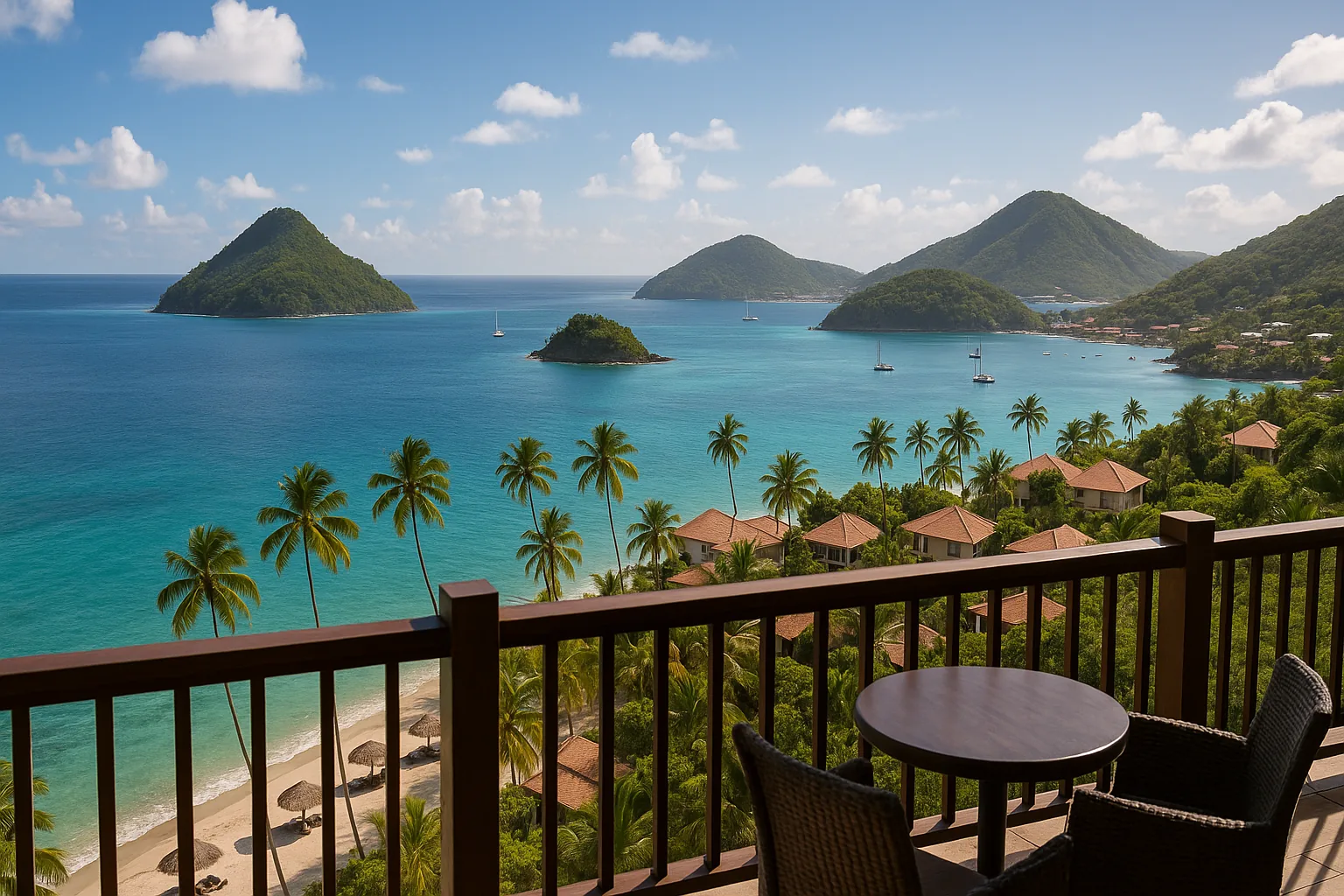
Picture yourself stepping off a small ferry onto a sun-drenched dock, salt still in your hair from the crossing, a new island stretching out in front of you — one you weren’t entirely sure you’d make it to when you started planning. That’s the magic of caribbean island hopping in this corner of the world: it rewards curiosity, punishes over-planning, and delivers the kind of spontaneous freedom that makes travel feel genuinely alive. St. Vincent, Grenada, and the Grenadines form one of the most rewarding island-hopping circuits in the entire Caribbean — diverse enough to feel like three completely different worlds, yet connected enough to explore without a private yacht or an inflated budget.
Why This Corner of the Caribbean Hits Different
Most travelers think of the Caribbean as one big postcard — white sand, turquoise water, all-inclusive resorts. But the southern Caribbean, particularly the arc running from Grenada up through St. Vincent and the Grenadines, is something else entirely. These islands haven’t been smoothed down for mass tourism. They still have rough edges — in the best possible way.
St. Vincent is volcanic, lush, and dramatically green. Its interior is wild and mountainous, and its coastline alternates between black sand beaches and hidden coves. Grenada — nicknamed the Spice Isle — carries a different energy: more polished in places, deeply fragrant with nutmeg and cinnamon, with a colonial-era capital that genuinely rewards slow exploration. And the Grenadines? They’re the kind of islands that make you understand why sailors spend their whole lives out here.
This isn’t a circuit for travelers who want everything handed to them. It’s for people who want to figure things out, talk to locals, and end up somewhere they didn’t expect. If that sounds like you, keep reading.
Getting Your Bearings: The Shape of the Journey
Before you start booking accommodation, it helps to understand the geography. St. Vincent sits at the northern end of the Grenadines chain. Below it, scattered across the water, are the smaller islands — Bequia, Mustique, Canouan, Mayreau, Union Island, and others. Further south, separated by a stretch of open ocean, is Grenada, which sits closest to the South American coast.
Most island-hoppers move roughly north to south or south to north, using a combination of ferries, water taxis, and the occasional small regional flight. The key is building flexibility into your itinerary. Ferries in this region run on schedules that can shift depending on weather, demand, and the general rhythm of island life. If you’re the kind of traveler who needs every hour accounted for, this route will teach you patience — and that’s not a bad thing.
A practical approach is to fly into either Grenada’s Maurice Bishop International Airport or Argyle International Airport on St. Vincent, depending on which direction you want to travel. Starting in Grenada and working north gives you a natural build-up toward the wilder, more rugged energy of St. Vincent. Starting in St. Vincent and heading south means you end your trip in Grenada — a slightly more polished final stop that can make departure logistics easier.
St. Vincent: Volcanic, Vivid, and Completely Underrated
St. Vincent doesn’t get the attention it deserves. While other Caribbean islands compete for resort bookings and cruise ship stops, St. Vincent stays relatively quiet — and that’s exactly what makes it worth your time.
Kingstown, the capital, is compact and walkable, with a market culture that feels genuinely local. You can spend a morning wandering the produce stalls, grab lunch at a spot where nobody’s trying to sell you a tour, and spend the afternoon at Fort Charlotte, which sits on a ridge with sweeping views over the town and harbor. It’s the kind of morning that costs almost nothing and stays with you for years.
Beyond Kingstown, the island opens up into something spectacular. La Soufrière Volcano is the island’s defining landmark — an active volcano that last erupted significantly in 2021, reshaping the northern landscape. Hiking to the summit is one of the most rewarding day trips in the entire Caribbean, though you’ll want to check current access conditions before you go. Dark View Falls is another highlight: a set of twin waterfalls tucked into the rainforest that you can actually swim in. And Wallilabou Bay, famous as a filming location for the Pirates of the Caribbean movies, still carries remnants of the sets — a slightly surreal experience that’s worth the drive.
For something quieter, Indian Bay Beach offers calm water and a more relaxed scene than you’d find on busier Caribbean islands. And Owia Salt Pond in the far north is a natural swimming pool carved by volcanic rock — dramatic, beautiful, and usually uncrowded.
👉 Read also: Caribbean Escapes: Where to Stay in the Dominican Republic, Anguilla & Puerto Rico
When it comes to accommodation on St. Vincent, you’ll find a range that suits most budgets. Guesthouses in and around Kingstown are the most affordable option and often come with a genuinely local feel — the kind of place where the owner recommends their cousin’s restaurant and you end up having the best meal of your trip. Mid-range options and Airbnb-style rentals are available closer to the beach areas. And for something truly memorable, Young Island Resort occupies its own 13-acre private island just offshore — accessible by a short boat ride and representing the more indulgent end of what St. Vincent offers.
Island Hopping Through the Grenadines: Small Islands, Big Personalities
The Grenadines are where caribbean island hopping becomes an art form. Each island is small enough to explore in a day or two, distinct enough to feel like a completely different destination, and connected enough that moving between them is part of the adventure.
Bequia is the first major stop south of St. Vincent and the most accessible. It has a genuine community feel — a small but vibrant sailing culture, good local restaurants, and accommodation options that range from budget guesthouses to charming mid-range guesthouses and rental cottages. Port Elizabeth, the main town, is easy to explore on foot. Rent a water taxi to reach the quieter beaches on the other side of the island. Bequia rewards slow travel: it’s the kind of place where you arrive planning to stay two nights and end up staying four.
Mustique is a different world entirely. This private island has a reputation for exclusivity — it’s long been associated with wealthy visitors and private villas. But it’s not entirely off-limits if you’re budget-conscious: day trips are possible, and the beaches are open to visitors. Walking around Mustique gives you a fascinating glimpse into a very particular Caribbean lifestyle, and the contrast with the more rugged islands nearby makes it an interesting stop even if you’re not staying overnight.
Mayreau is one of the smallest inhabited islands in the Grenadines and one of the most beautiful. The anchorages at Saltwhistle Bay and Half Moon Beach are legendary among sailors for a reason — clear water, soft sand, and an atmosphere so peaceful it almost feels unreal. Mayreau has very limited accommodation, which keeps it quiet and relatively undiscovered. If you can arrange a night here, do it.
Moving between these islands typically involves a combination of scheduled ferries and water taxis. Exact schedules and costs vary and can change seasonally, so the smartest approach is to ask locally once you arrive — guesthouse owners and dock workers will have the most current information. Build buffer days into your itinerary so that a delayed crossing doesn’t throw off your whole trip.
Grenada: The Spice Isle as a Southern Anchor
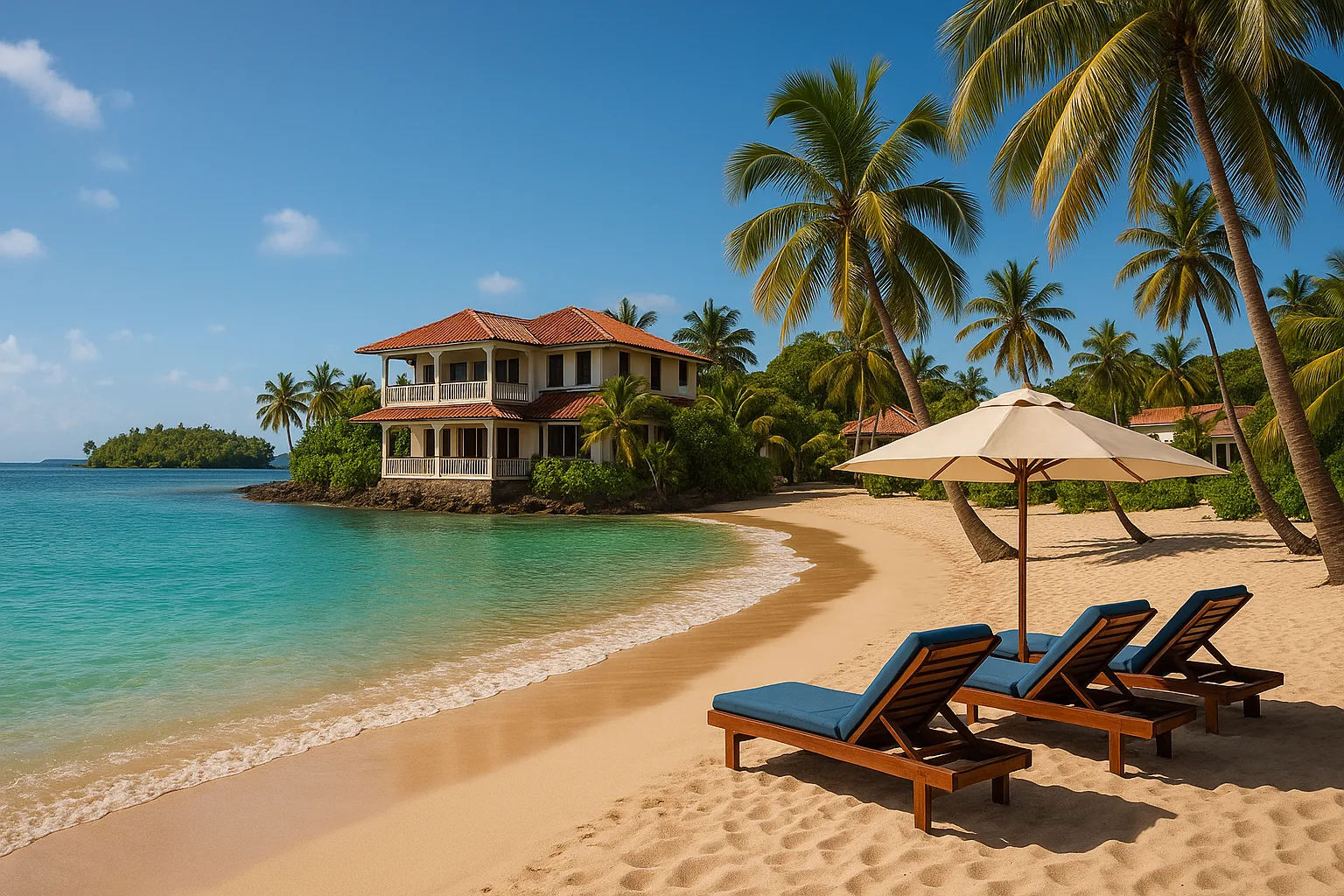
Arriving in Grenada after the smaller Grenadines feels like surfacing into a slightly different world. The island is larger, more developed in places, and carries a rich cultural depth that rewards exploration beyond the beach.
St. George’s, the capital, is consistently described as one of the most beautiful harbor towns in the Caribbean — and it earns that reputation. The horseshoe-shaped Carenage, lined with colorful buildings and working boats, is genuinely photogenic without feeling staged. The market in town is fragrant with the spices Grenada is famous for: nutmeg, mace, cinnamon, cloves. Walk through it slowly. Talk to the vendors. Buy something you’ve never cooked with before.
Grenada’s interior is lush and worth exploring — waterfalls, spice estates, and hiking trails that most beach-focused visitors never bother with. Grand Anse Beach, stretching south of St. George’s, is the island’s most famous stretch of sand: long, wide, and genuinely lovely, with enough space that it rarely feels crowded outside of peak season.
Accommodation in Grenada covers a wide range. Budget travelers will find guesthouses and smaller hotels in and around St. George’s, some with real character and local knowledge that no chain hotel can match. Mid-range options and vacation rentals are plentiful around Grand Anse, putting you within walking distance of the beach. Grenada also has higher-end resorts if you want to treat yourself at the end of a longer trip — a useful option if you’ve been roughing it through the smaller islands and want one night of genuine comfort before flying home.
Timing Your Trip: Seasons and Practical Realities
The Caribbean has two broad seasons: a dry season roughly from December through April, and a wet season that runs through the summer and into autumn. For island hopping, the dry season is generally easier — calmer seas make crossings more comfortable, and you’re less likely to have a ferry day disrupted by weather. That said, this is also when prices tend to be higher and popular spots busier.
👉 Read also: Caribbean & Central America Escapes: Belize, Isla Mujeres & Island Life (2026)
Traveling in the shoulder months — May, June, and November — can be a smart compromise. You’ll find lower accommodation costs, fewer crowds at the most popular beaches, and weather that’s often still perfectly manageable. The wet season doesn’t mean constant rain; it typically means afternoon showers that clear quickly, leaving the landscape vivid and green.
One thing to be aware of: the Atlantic hurricane season runs from June through November, with the most active period generally falling between August and October. This doesn’t mean you can’t travel during these months — many people do, and the southern Caribbean sits at the lower end of the typical hurricane track — but it’s worth monitoring weather forecasts and having flexible bookings if you’re traveling during peak hurricane months.
Getting Around Without Losing Your Mind (or Your Budget)
Local transportation across this region is part of the experience, not just a logistical hurdle. On St. Vincent, minibuses are the primary way locals get around — they’re cheap, frequent on main routes, and a genuinely social way to travel. Taxis are available for longer trips or less accessible areas, and negotiating a rate upfront is standard practice.
On Grenada, a similar minibus network covers the main routes, particularly between St. George’s and Grand Anse. For exploring the interior or reaching more remote spots, hiring a driver for the day is a practical option that many travelers find worthwhile — local drivers often double as informal guides, pointing out things you’d never find on your own.
Between islands, the ferry network is your main tool for caribbean island hopping on a budget. The main ferry route connects St. Vincent to Bequia and continues south through the Grenadines. Water taxis fill the gaps between smaller islands. For the crossing between the Grenadines and Grenada, a small regional flight is often the most practical option — the sea crossing is longer and less frequently served by scheduled ferries. Check with local operators once you arrive for the most current options and pricing, as these can shift with the season.
Packing Smart for Multi-Island Travel
Island hopping demands a different packing philosophy than a single-destination trip. You’ll be moving frequently, often on small boats, sometimes carrying your bag across a dock or up a steep path. Travel light. A single well-packed backpack or a compact rolling bag is far easier to manage than a large suitcase.
- Pack quick-dry clothing — you’ll be near water constantly, and things need to dry fast between moves.
- Bring reef-safe sunscreen; it’s better for the marine ecosystems you’ll be swimming in, and increasingly required in some areas.
- A dry bag for your electronics and documents is worth every penny when you’re bouncing between boats.
- Cash in local currency is essential — smaller islands often have limited or no card payment infrastructure.
- A lightweight rain layer is useful during the wetter months, even if you’re not expecting heavy rain.
- Download offline maps before you go; connectivity can be patchy on the smaller islands.
For a deeper dive into the region’s inter-island connections and what to expect from each island’s infrastructure, the Caribbean Journey Grenadines guide is a useful starting point for research before you travel.
Choosing Your Base: One Island or Many?
One of the most common questions for first-time visitors is whether to pick a single base and take day trips, or commit fully to moving between islands. The honest answer is: it depends on how long you have.
With less than ten days, picking two bases — perhaps Bequia and Grenada, or St. Vincent and Bequia — gives you enough time to actually settle in and explore rather than spending half your trip in transit. With two weeks or more, a fuller island-hopping circuit becomes genuinely rewarding, letting you experience the full contrast between the rugged volcanic energy of St. Vincent, the quiet intimacy of the smaller Grenadines, and the richer cultural texture of Grenada.
Whatever you choose, resist the urge to over-schedule. The best moments on this route tend to happen when you’ve left the afternoon open — when a local fisherman suggests a beach you’ve never heard of, or you stumble across a village festival that isn’t in any guidebook. That’s the version of caribbean island hopping worth chasing: not the one on the itinerary, but the one that surprises you.
This stretch of the Caribbean is one of those places that gets under your skin quietly, without fanfare. You don’t arrive to a highlight reel — you arrive to something slower and more real, and by the time you leave, you’re already thinking about coming back. Pack light, stay curious, and let the islands show you what they’ve got.
This article was produced with AI assistance and reviewed editorially.


Adventure Beyond the Beach: Things to Do in Jeju, South Korea & Tayrona Park, Colombia

Where to Stay in 2026: Budget Accommodation Guides for Vancouver, Wellington, Bruges & Andorra


