
Mexico
Mexico’s Pacific Coast: Puerto Escondido & Coastal Towns for Surfers and Beach Lovers
Explore Puerto Escondido, Mexico’s premier Pacific coast destination for surfers and beach lovers. Discover neighborhoods, local food, and authentic coastal experiences.

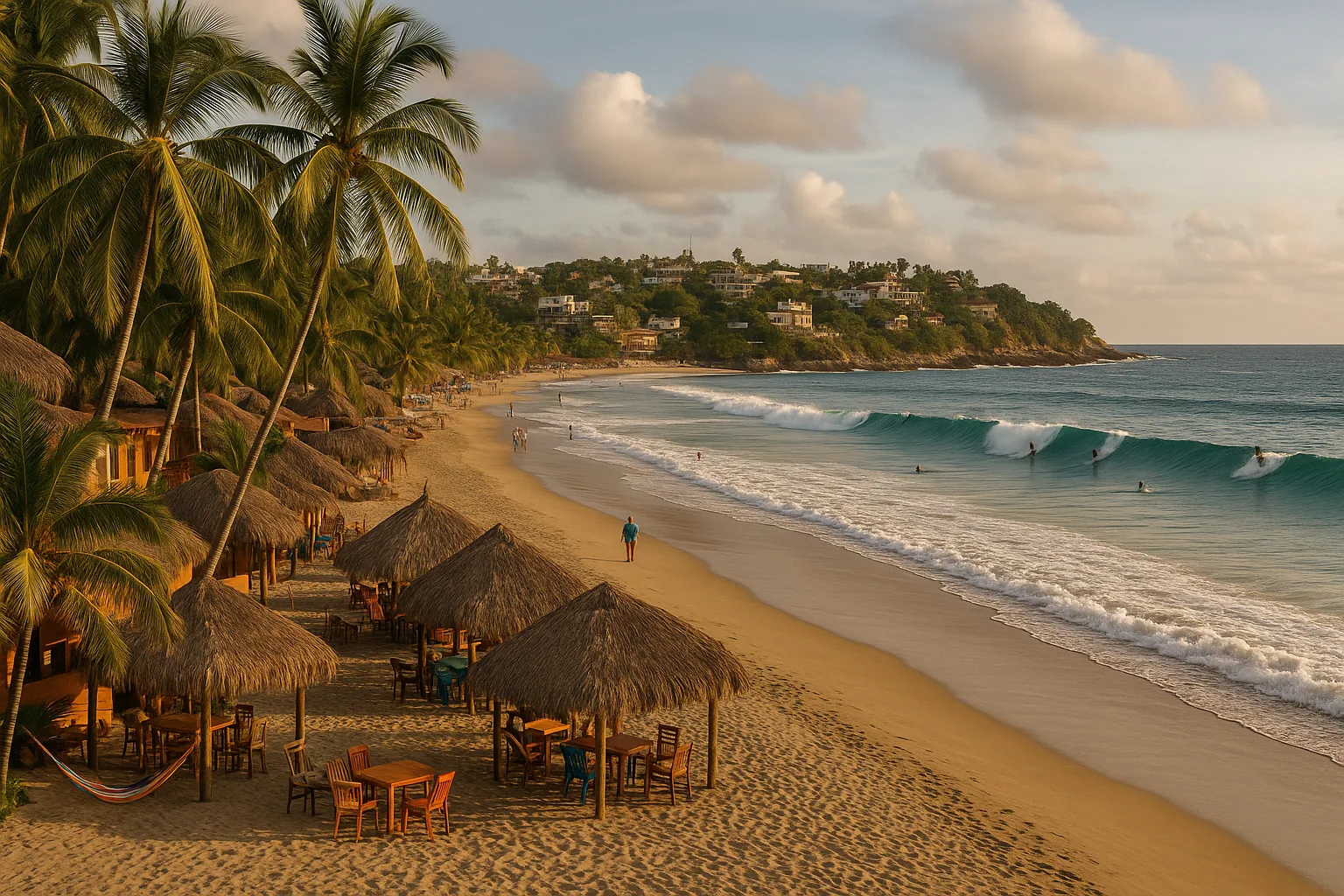
There’s a stretch of Mexico’s Pacific coastline that doesn’t try to impress you with all-inclusive resorts or manicured poolside bars. It earns your attention differently — through raw waves, smoky street food, sunsets that seem to last forever, and a pace of life that quietly convinces you to stay longer than you planned. Puerto Escondido, Mexico sits at the heart of this world, a coastal town in Oaxaca state that has grown from a sleepy fishing village into one of the most talked-about surf destinations in Latin America — without losing the soul that made it worth talking about in the first place.
Why the Oaxacan Coast Hits Different
Mexico’s Pacific coast is long, varied, and full of surprises. But the stretch running through the state of Oaxaca occupies a special place in the imagination of young travelers who’ve done their research. This isn’t Cancún. It isn’t Cabo. The Oaxacan coast has spent years flying under the radar, and while that’s changing — the region has grown significantly in popularity over the last five years, with formerly quiet surf villages attracting a new wave of visitors — it still holds onto a character that commercial tourist corridors simply can’t replicate.
What makes it different is hard to pin down in a single sentence. Part of it is the landscape: dramatic cliffs dropping into the Pacific, wide open beaches with almost no infrastructure, fishing boats bobbing in bays that look untouched. Part of it is the culture: Oaxaca is one of Mexico’s most culturally rich states, and that depth extends all the way to the coast. And part of it is the community you find here — surfers, artists, backpackers, digital nomads, and locals who’ve been living this life long before it became a travel trend.
If you’re looking for an authentic alternative to the polished resort experience, the Oaxacan coast remains one of the most compelling options in all of Mexico. The key is knowing where to go, what to expect, and how to move through it with curiosity rather than a checklist.
Getting to Know Puerto Escondido, Mexico
With a population of around 45,000 people, Puerto Escondido is the largest beach town along Oaxaca’s Pacific coast. That might sound small, but it means there’s real local life here — markets, neighborhoods, everyday rhythms that have nothing to do with tourism. The town isn’t just a backdrop for visitors; it’s a functioning community, and that distinction matters when you’re traveling for authentic experiences.
Puerto Escondido is known for its many beaches, each with its own personality. Some are calm and perfect for swimming. Others are powerful and wild, drawing surfers from across the globe. The town also has a buzzing nightlife scene — beach bars, open-air restaurants, rooftop spots where you can watch the stars while the sound of the ocean drifts in. It’s the kind of place where you can spend a full day in the water and then find yourself still awake at midnight, deep in conversation with someone you met at dinner.
Getting there requires a bit of effort, which is part of what keeps it from becoming overrun. You can fly into the small local airport, take an overnight bus from Oaxaca City, or arrange a shuttle. The journey itself sets the tone — winding mountain roads, jungle glimpses, the gradual descent toward the coast. By the time you arrive, you already feel like you’ve earned it.
Zicatela and the Surf Culture That Defines the Town
If Puerto Escondido has a heartbeat, it pulses strongest at Zicatela Beach. This is where the town’s reputation was built, and it’s where surfers from around the world come to test themselves against some of the most powerful waves in Mexico. Zicatela is famous for its tubular, barreling waves — the kind that look beautiful from the shore and absolutely humbling up close. It’s not a beginner’s beach. The surf here demands respect, experience, and ideally a solid understanding of ocean conditions.
But even if you’ve never touched a surfboard, Zicatela is worth spending time at. Watching experienced surfers navigate those waves is genuinely thrilling. The beach has a long stretch of sand lined with casual restaurants and surf shops, and the vibe is relaxed and welcoming. You can rent a board, take a lesson from one of the local surf schools, or simply sit with a cold drink and watch the action unfold. The surf culture here is deeply embedded in daily life — it’s not a performance for tourists, it’s just how people live.
For those who want to get in the water without risking a wipeout in serious surf, other beaches around Puerto Escondido offer calmer conditions. The variety is one of the town’s greatest strengths: you can find the right wave — or the right patch of calm water — depending on your skill level and your mood that day.
👉 Read also: Hidden Gems in Mexico: Guanajuato, Bacalar & Sayulita for First-Time Explorers
Beyond Puerto Escondido: The Coastal Towns Worth Exploring
One of the best things about basing yourself in Puerto Escondido is how easy it is to explore the surrounding coastline. The Oaxacan coast is dotted with smaller beach towns, each with its own atmosphere and appeal. Mazunte, Zipolite, San Agustinillo, Puerto Angel, and Huatulco are all within reach, and each one offers something distinct.
Zipolite has a long-standing reputation as one of Mexico’s most alternative and free-spirited beach communities. It’s a place where counterculture has deep roots, where the atmosphere is deliberately low-key, and where the pace of life slows to something close to a standstill. If you’re looking to disconnect completely, Zipolite delivers.
Mazunte sits nearby and has developed a reputation for eco-conscious living, artisan crafts, and a community that takes sustainability seriously. It’s small, beautiful, and genuinely committed to a different kind of tourism. The views from the cliffs above the beach are the kind you’ll be describing to people for years.
San Agustinillo is quieter still — a tiny village with a handful of guesthouses and restaurants, a calm bay, and the kind of simplicity that feels like a gift. It’s a place to exhale. And Huatulco, further along the coast, offers a slightly more developed experience with a national park, multiple bays, and more infrastructure for those who want a bit more comfort without going full resort.
Moving between these towns is part of the adventure. Colectivos (shared minivans) run along the coast and are the most local, affordable way to travel. Renting a scooter or bike gives you even more freedom. The roads hug the coastline in places, and the views during the journey are worth the trip on their own.
Where to Sleep: Finding Your Base on the Coast
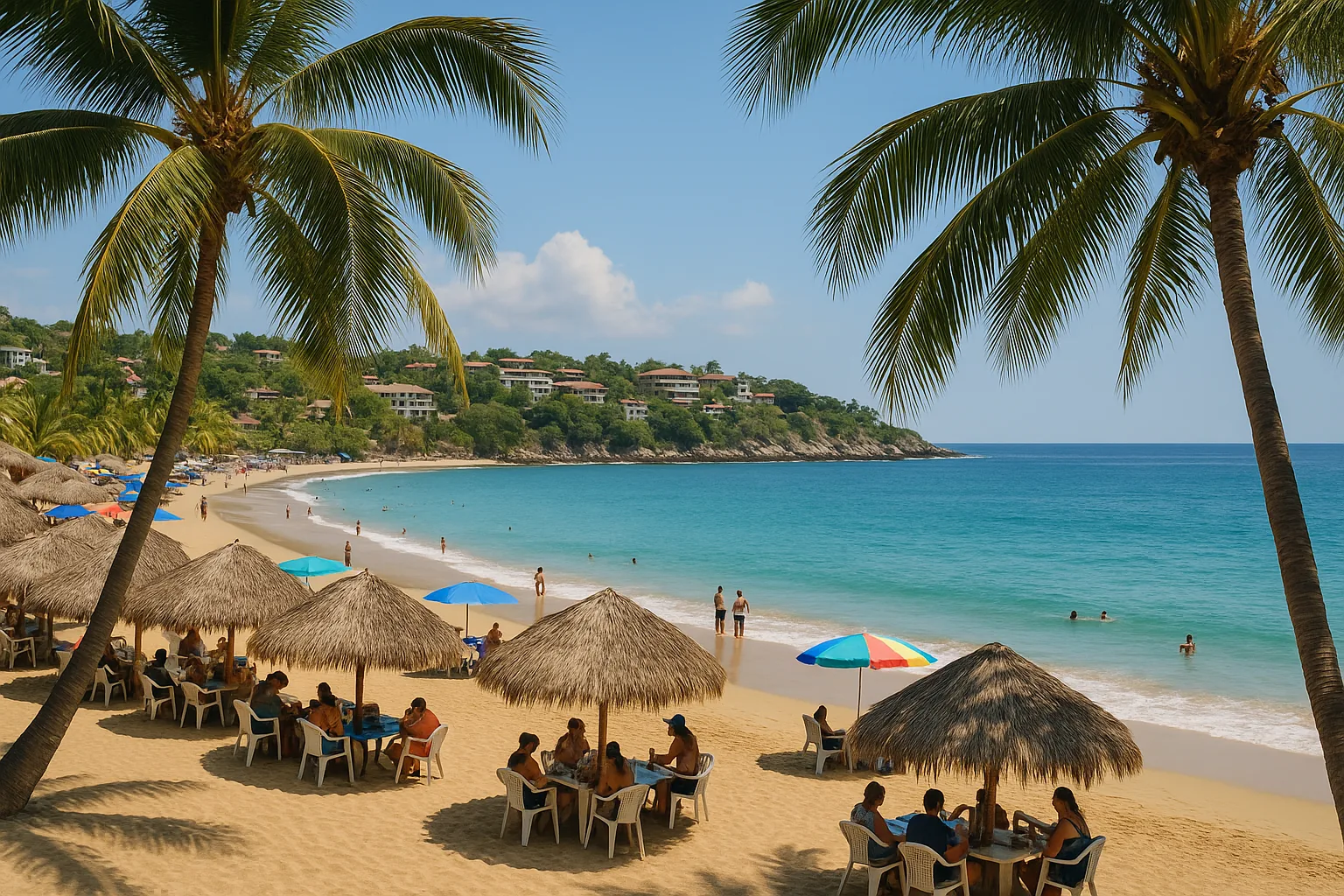
Accommodation on the Oaxacan coast runs the full spectrum, from basic hammock spots and simple guesthouses to boutique hotels with ocean views. For budget travelers, the options are genuinely good. Hostels in and around Puerto Escondido tend to attract a sociable, adventurous crowd — the kind of place where you’ll end up planning the next day’s adventures with strangers over breakfast.
Beachfront guesthouses are common in the smaller towns, where you can often find a simple room just steps from the water for a very reasonable price. Don’t expect luxury, but do expect character. These places are run by families, long-term expats, and local entrepreneurs who genuinely care about the experience they’re offering. The personal touch makes a real difference.
If you’re staying for more than a week — which many visitors end up doing, almost by accident — it’s worth looking into longer-term rentals. Furnished rooms and small apartments become available through local word-of-mouth and community boards, and the cost drops significantly when you commit to a longer stay. This is how a lot of digital nomads and extended travelers have been living on the Oaxacan coast for years.
Wherever you stay, book ahead if you’re visiting during high season. The coast’s growing popularity means that the best spots fill up faster than they used to, particularly around major holidays and surf competition periods.
Eating Well Without Spending Much
The food culture along Mexico’s Pacific coast is one of its most underrated pleasures. Oaxaca is already celebrated as one of Mexico’s great culinary regions, and that tradition extends to the coast in its own distinctive way. Fresh seafood is everywhere — caught that morning, cooked simply, served with lime and salsa. Fish tacos, ceviche, grilled whole fish, and seafood tostadas are staples you’ll find at beach shacks, market stalls, and roadside spots throughout the region.
👉 Read also: Hidden Gems in Portugal: Surfing Ericeira and Beyond the Tourist Trail
Street food is your best friend here, both for the price and for the authenticity. Look for tlayudas — large, crispy tortillas topped with beans, cheese, and your choice of protein — which reflect the Oaxacan influence even this far from the city. Memelas, tamales, and fresh tropical fruit are easy to find and incredibly satisfying after a long day in the surf.
The local markets in Puerto Escondido are worth exploring even if you’re not hungry. They’re a window into everyday life on the coast — full of color, noise, and the kind of energy that reminds you you’re somewhere genuinely different. Grab a fresh juice, wander the stalls, and let yourself get pleasantly lost.
For something more substantial, the restaurants lining Zicatela and the surrounding areas range from simple plastic-chair spots with incredible food to slightly more polished places with craft cocktails and ocean views. You don’t have to spend much to eat well here. That’s one of the coast’s great gifts.
When to Go and How to Plan Your Trip
Timing your visit to the Oaxacan coast depends on what you’re looking for. If surfing is your priority, the Pacific swell tends to be most consistent and powerful during the warmer months, roughly from late spring through early autumn — but conditions vary year to year, and it’s worth checking current forecasts closer to your travel dates. Serious surfers often plan their trips around specific swell windows, while casual visitors are less concerned with wave size and more focused on sunshine and warmth.
The dry season generally runs from late autumn through early spring, bringing clearer skies and calmer seas. This is popular with travelers who want reliable beach weather, and it’s a great time to explore the smaller coastal towns without worrying about rain interrupting your plans. The shoulder periods between seasons can be excellent — fewer crowds, lower prices, and weather that’s still very manageable.
Whatever time of year you visit, come with flexibility. The Oaxacan coast rewards spontaneity. Buses run on their own schedule. Plans change when someone tells you about a hidden beach an hour down the road. The best experiences here tend to be the ones you didn’t plan for.
Check the Indie Traveller’s Oaxacan coast guide for additional practical details on getting around and planning your route through the region.
Traveling Responsibly on a Coast That’s Changing
The growth in tourism along the Oaxacan coast is real, and it brings both opportunity and responsibility. The communities here are still relatively small, and the impact of visitors — both positive and negative — is felt quickly. Choosing locally owned accommodation over international chains, eating at family-run restaurants, buying crafts directly from artisans, and being thoughtful about waste and environmental impact all make a genuine difference.
Zipolite and Mazunte in particular have communities that are actively working to develop tourism on their own terms, prioritizing sustainability and cultural integrity. Engaging with that vision — rather than treating these places as simply a backdrop for your holiday — is what separates a meaningful trip from a forgettable one.
The Oaxacan coast doesn’t need you to save it. But it does benefit when travelers show up with awareness, spend their money locally, and leave the place as good as they found it — ideally better. That’s the kind of travel worth doing.
Puerto Escondido and the towns scattered along this extraordinary stretch of coastline aren’t going to stay secret forever. But right now, in this particular moment, there’s still something here that feels genuinely discovered rather than packaged — a place where the waves are real, the food is extraordinary, the people are warm, and the days have a rhythm that’s entirely their own. If you’ve been waiting for the right time to go, this is it.
This article was produced with AI assistance and reviewed editorially.


Adventure Beyond the Beach: Things to Do in Jeju, South Korea & Tayrona Park, Colombia

Where to Stay in 2026: Budget Accommodation Guides for Vancouver, Wellington, Bruges & Andorra


