
Asia
Luang Prabang, Laos: Why This Sacred City Is Perfect for Solo Travelers Seeking Solitude
Discover why Luang Prabang is ideal for solo travelers seeking solitude. Explore temples, spiritual sites, and slow travel in this UNESCO World Heritage city.

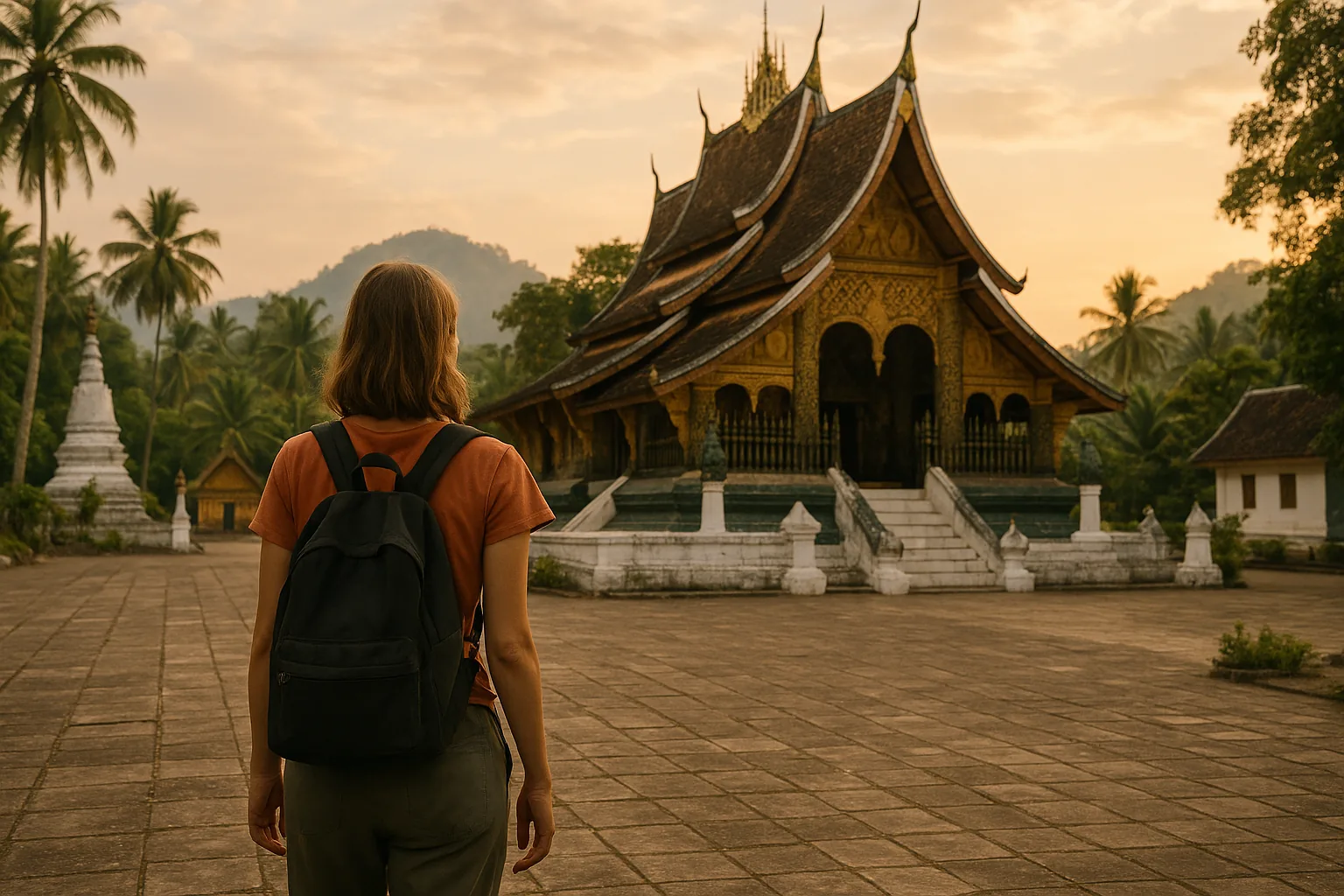
There’s a certain kind of travel that doesn’t ask you to rush. No packed itineraries, no frantic ticking of boxes, no pressure to perform your fun for an audience. Solo travel in Luang Prabang is exactly that kind of experience — slow, sacred, and quietly transformative. This small city in northern Laos, draped between the Mekong and Nam Khan rivers and recognised as a UNESCO World Heritage Site, has a way of pulling you inward at the same moment it opens you up to something much larger than yourself. If you’ve been craving a destination that rewards stillness as much as adventure, this is the place.
Why Luang Prabang Feels Different From the Start
The moment you arrive, something shifts. The pace here is genuinely unhurried — not in a way that feels boring, but in a way that feels like relief. Streets lined with saffron-coloured temples, French colonial architecture draped in bougainvillea, monks moving silently through the early morning light. It’s a city that seems to exist slightly outside of time, and that’s exactly what makes it so magnetic for solo travelers.
Luang Prabang is consistently described by those who visit as peaceful, calm, and deeply welcoming — especially for people traveling alone. There’s no overwhelming chaos here, no relentless hustle that makes you feel like you need a travel companion just to navigate the place. The city is compact and walkable, which means you can spend your days wandering at your own pace, following whatever catches your eye without needing a plan.
For young travelers who are used to the noise of daily life — notifications, deadlines, social obligations — Luang Prabang offers something increasingly rare: genuine quiet. And in that quiet, you start to notice things. The smell of incense drifting from a temple courtyard. The sound of monks chanting before dawn. The way the Mekong turns gold at sunset. These are the moments that stay with you.
Temples, Spiritual Sites, and the Soul of the City
Luang Prabang is home to dozens of Buddhist temples, known locally as wats, and they are the beating heart of the city. You don’t need to be religious to feel their significance. Walking through the carved gates of a centuries-old temple, watching novice monks sweep the courtyard in the early morning, or sitting quietly in a gilded prayer hall — these experiences connect you to something much older than tourism.
Mount Phousi rises at the centre of the city and is one of the most iconic sites in Luang Prabang. Climbing its steps — past small shrines and temple structures — rewards you with a sweeping panoramic view over the rooftops, the rivers, and the jungle-covered hills beyond. It’s a particularly powerful spot at sunrise or sunset, when the light turns everything amber and the city seems to breathe. Going alone makes it even more special. You can sit at the top for as long as you want, with no one to hurry you along.
The temples scattered throughout the Old Town are largely accessible on foot, and most welcome respectful visitors throughout the day. Dress modestly — shoulders and knees covered — and move quietly through temple spaces. Photography is generally permitted, but always read the signage and follow the lead of those around you. The Lao people are warm and patient with curious travelers, but cultural sensitivity here is genuinely important and genuinely appreciated.
The Morning Alms-Giving Ceremony
If there’s one experience that defines Luang Prabang’s spiritual identity, it’s Sai Bat — the morning alms-giving ceremony that takes place just after dawn every single day. Rows of monks in bright saffron robes walk silently through the streets while local residents and devotees offer food — typically sticky rice — as an act of merit and gratitude. It’s one of the most quietly moving sights in all of Southeast Asia.
👉 Read also: Luang Prabang, Laos: How to Experience Spirituality Without the Tourist Crowds
As a solo traveler, you have the freedom to wake early and witness this ceremony without compromise. You choose your spot, you take your time, and you absorb the experience fully. However, it’s essential to approach Sai Bat with genuine respect. This is not a performance staged for tourists — it is a living, sacred daily ritual that holds deep meaning for the monks and the community.
A few things to keep in mind: observe from a respectful distance, avoid using flash photography, speak in hushed tones or not at all, and never interrupt the procession. If you wish to participate by offering alms, seek guidance from your accommodation or a local beforehand on how to do so appropriately. Buying pre-packaged tourist alms kits from street vendors is generally discouraged, as it can disrupt the authenticity of the ceremony. The goal is to witness, not to consume.
Waking up early and walking through the quiet streets to find your spot before the monks appear is, in itself, a meditative experience. The city at that hour belongs to you in a way it doesn’t later in the day.
Nature Just Beyond the City
Luang Prabang isn’t only about temples and spiritual reflection — the natural landscape surrounding the city is extraordinary. And the best part? Most of the major natural attractions are easily reachable as day trips, making them ideal for solo exploration.
Kuang Si Waterfall is the standout. Located a short distance from the city centre, the falls cascade through a series of terraced turquoise pools that look almost unreal — the kind of vivid, jewel-bright colour you’d expect to see in a travel photograph but rarely believe actually exists. You can swim in the lower pools, hike the trail alongside the falls to reach the top, and spend hours simply sitting by the water, letting the sound of it fill your head and push everything else out. Going alone means you can linger as long as you want, leave when you’re ready, and not feel guilty about either.
Getting there is straightforward — tuk-tuks and organised minivans depart regularly from the city, and you’ll often find other solo travelers heading the same way. It’s one of those places where conversations start naturally, if you want them to. And if you don’t, the waterfall itself is company enough.
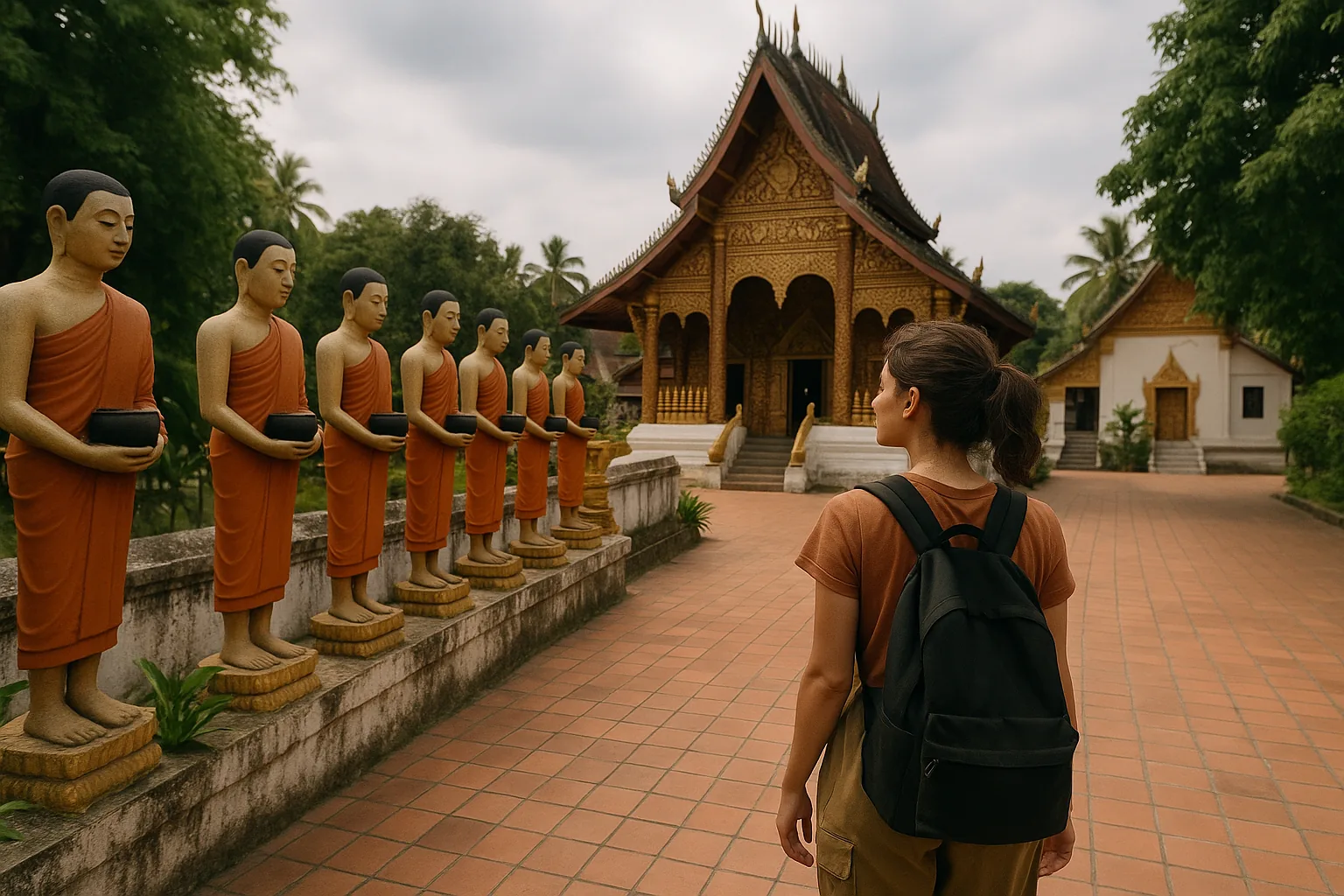
Beyond Kuang Si, the region around Luang Prabang offers opportunities for hiking through jungle terrain, exploring caves along the Mekong river, and taking slow boat trips on the water. The Pak Ou Caves, situated at the confluence of the Mekong and Ou rivers, are accessible by boat and house thousands of Buddha figurines left by pilgrims over centuries. It’s a strange and beautiful place — part natural wonder, part open-air shrine.
Navigating the Old Town as a Solo Traveler
One of the great practical advantages of Luang Prabang for solo travel is how navigable the city is on foot. The Old Town occupies a peninsula between two rivers, and its layout is compact enough that you can walk almost everywhere without needing transport. This matters more than it might sound. When you’re alone, not having to figure out buses or negotiate fares every time you want to move gives you a sense of ease and freedom that’s hard to overstate.
Spend a morning just wandering. Turn down a lane you haven’t been down before. Follow the sound of chanting. Sit at a small café and watch the street. The Old Town rewards aimlessness in a way that more chaotic cities simply can’t, because there’s enough beauty and interest on every corner to make every unplanned detour worthwhile.
👉 Read also: Southeast Asia Slow Travel: Luang Prabang's Spiritual Side & Day Trips from Saigon
In the evenings, the night market stretches along the main street and comes alive with handmade textiles, local crafts, and street food. It’s a relaxed, unhurried affair — vendors are friendly, browsing is pressure-free, and the food stalls offer a cheap and delicious way to eat dinner while soaking in the atmosphere. For solo travelers, the night market is also a natural social space. You’ll find other travelers, expats, and locals all sharing the same easy evening energy.
Practical Things Worth Knowing Before You Go
Getting to Luang Prabang has become more accessible in recent years. Flights from Bangkok are available through carriers including AirAsia, making it a relatively straightforward connection from one of Southeast Asia’s major transit hubs. From other regional cities, you may also find options via connecting flights or, for those with more time and a taste for adventure, the famous slow boat journey along the Mekong from the Thai border.
Once you’re there, costs are generally low by any standard — Laos remains one of the more affordable destinations in Southeast Asia, and your budget stretches noticeably further here than in Thailand or Vietnam. Guesthouses and small boutique hostels are plentiful in and around the Old Town, and many are well-suited to solo travelers, with social common areas where it’s easy to meet people if you want company, and quiet rooms when you don’t.
Food is simple, fresh, and deeply satisfying. Khao niao — sticky rice — is the staple of Lao cuisine and appears at almost every meal. Street stalls and local restaurants serve noodle soups, grilled meats, papaya salads, and river fish at prices that make eating well every day entirely stress-free. The Solo Traveler World guide to Luang Prabang is worth bookmarking for additional practical tips before you go.
In terms of timing, the dry season — roughly from November through to April — is generally considered the most comfortable period to visit, with cooler temperatures and clear skies ideal for exploring both the city and the surrounding nature. The wet season brings lush green landscapes and fewer crowds, though some roads and trails can become difficult. Both have their appeal depending on what kind of experience you’re after.
Solitude, Connection, and What You’ll Take Home
There’s a particular kind of confidence that comes from solo travel in a place like Luang Prabang. It’s not the adrenaline-fuelled confidence of having survived something difficult — it’s quieter than that. It’s the realisation that you can sit with yourself, navigate an unfamiliar place, engage with a culture completely different from your own, and come out the other side feeling more settled, more curious, and more alive.
Luang Prabang is especially well-suited to introverts and anyone who needs to decompress — but don’t mistake its quietness for a lack of depth. The city has layers. The longer you stay, the more you notice: the rhythm of temple bells, the generosity of locals, the way the light changes on the Mekong at different hours, the stories you collect from other travelers passing through. It’s a destination that gives back in proportion to the attention you bring to it.
You’ll meet people here — at the waterfall, over dinner, in a guesthouse common room — but you’ll never feel pressured into socialising. That balance is rare, and it’s one of the things that makes Luang Prabang so genuinely special for anyone traveling alone. You get to choose your own level of connection, every single day.
Some places you visit and then forget within a few months, absorbed back into the noise of everyday life. Luang Prabang isn’t one of those places. Long after you’ve left, you’ll find yourself thinking about the monks at dawn, the turquoise water at Kuang Si, the smell of incense in a quiet temple courtyard. It’s the kind of city that stays with you — not because it overwhelmed you, but because it gave you the space to truly arrive.
This article was produced with AI assistance and reviewed editorially.


Nepal’s Mountain Gateway: Kathmandu Neighborhoods, Street Food & Where to Stay for Authentic Exploration

Luang Prabang, Laos: Why This Sacred City Is Perfect for Solo Travelers Seeking Solitude


