
Greece
Beyond Capri: How to Experience Greek Islands & Italian Coastlines Without the Crowds (2026)
Discover Greek islands without crowds like Milos, a volcanic Cycladic gem with dramatic coastlines and authentic villages that rival famous hotspots.

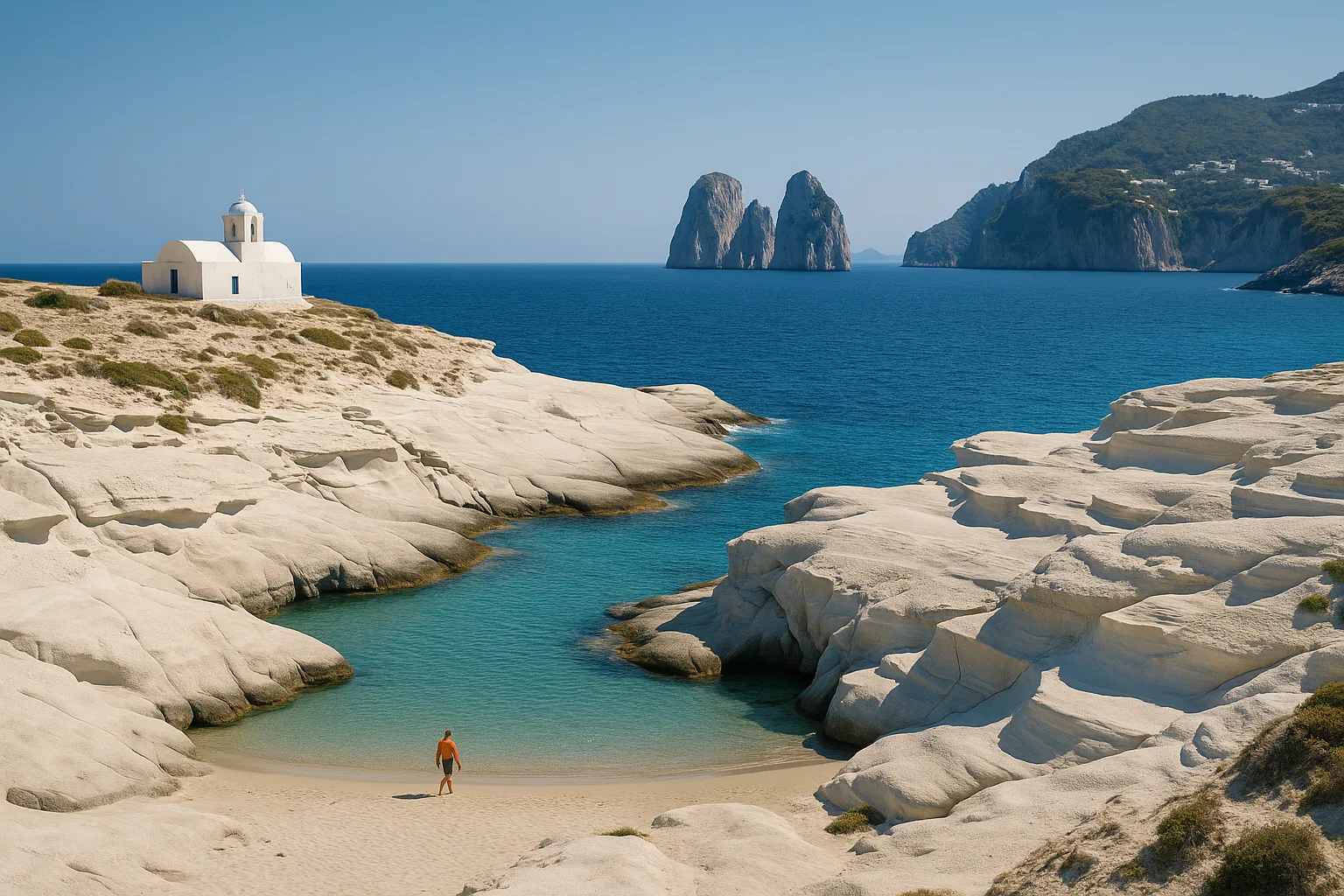
Beyond the Postcards: Finding Greek Islands Without Crowds (and Italian Coastlines That Still Feel Like a Secret)
Every summer, the same images flood your feed: Santorini’s white-and-blue cliffs packed shoulder to shoulder with selfie sticks, Mykonos clubs overflowing, Capri’s narrow lanes gridlocked with day-trippers. The Mediterranean is one of the most stunning corners of the planet — but somewhere between the travel influencers and the cruise ship schedules, a lot of its magic gets lost. Here’s the thing: finding Greek islands without crowds isn’t some impossible travel hack reserved for people with insider connections. It just takes a little curiosity, some willingness to go slightly off-script, and the confidence to choose the road less photographed. This guide is your starting point.
Why the Mediterranean Still Has Plenty of Room for You
Greece alone has over 200 inhabited islands — and most travelers visit the same three or four. That leaves a staggering number of places where you can still find a beach with no one on it, a taverna where the owner knows every regular by name, and a sunset you don’t have to elbow anyone to see.
The same logic applies to Italy’s coastlines. Yes, Capri is iconic. Yes, the Amalfi Coast is genuinely as beautiful as everyone says. But right next door — sometimes literally a short ferry ride away — there are alternatives that offer the same turquoise water, the same warm light, and a fraction of the foot traffic.
The Mediterranean rewards the curious. The travelers who come home with the best stories aren’t necessarily the ones who went to the most famous places. They’re the ones who asked one more question, stayed one more day, or took the ferry that nobody else seemed to be boarding.
Milos: The Greek Island That Keeps Surprising People
If you haven’t heard of Milos yet, you will. It’s a volcanic island in the Cyclades — the same island group that Santorini belongs to — and it’s been quietly building a reputation as one of the most visually dramatic places in the entire Aegean. The difference is that Milos still feels genuinely unhurried.
The island’s coastline is unlike anywhere else in Greece. Centuries of volcanic activity have sculpted the rock into wild formations: arches, sea caves, cliffs that glow amber and rust at golden hour. The famous colored fishing village of Klima, with its boathouses built directly into the water’s edge, looks like something out of a dream. You can walk through it without fighting a crowd. You can sit by the water and actually hear the waves.
Getting the Most Out of Milos
Milos rewards slow exploration. Rent a small car or a scooter and give yourself at least four or five days — the island has dozens of beaches, and many of them require a bit of effort to reach. That effort is exactly what keeps them quiet. Sarakiniko, with its lunar white rock formations, is the island’s most photographed spot, so aim to visit early in the morning before the day-trippers arrive from other islands. By mid-morning it can get busy; by late afternoon, it quiets down again.
The island’s small villages — Plaka, Triovasalos, Tripiti — are worth wandering without any particular agenda. Plaka sits at the top of a hill and offers panoramic views across the bay. It’s the kind of place where you stumble into a local café, order something you can’t pronounce, and end up staying for two hours talking to whoever’s sitting next to you.
For food, skip the restaurants closest to the main port and head inland or to the smaller villages. Family-run tavernas here serve fresh fish, grilled octopus, and local cheeses that haven’t been adjusted for tourist palates. Ask what’s good that day. That’s always the right question.
When to Visit Milos
Late May through early June, or September into early October, are the sweet spots. The water is warm, the light is extraordinary, and the island hasn’t yet hit peak-season capacity. July and August are busy but still manageable compared to Santorini or Mykonos — and even in high summer, Milos maintains a certain calm that the more famous islands have long since lost.
Beyond Milos: Other Greek Islands Worth Discovering
Milos might be the standout for visual drama, but it’s far from the only alternative worth considering. Greece’s island network is genuinely vast, and several destinations offer that rare combination of beauty, character, and breathing room.
👉 Read also: Hidden Gems Beyond the Guidebook: Greece's Milos, Italy's Capri, and Avoiding Tourist Traps
Naxos: The Island That Has Everything
Naxos is the largest of the Cyclades and, arguably, the most self-sufficient. It produces its own food — cheese, potatoes, citrus, olive oil — which means the local cuisine has a depth and authenticity that imported-everything islands can’t match. The beaches on the western coast are long, sandy, and backed by dunes rather than development. The medieval old town, the Kastro, is a labyrinth of narrow streets and Venetian architecture that rewards aimless wandering.
Naxos also makes an excellent base for island hopping. Ferries connect it to Paros, Milos, Santorini, and beyond — so you can use it as a relaxed home base while exploring the surrounding islands on day trips.
Kefalonia and Lefkada: The Ionian Alternative
The Ionian Islands, off Greece’s western coast, have a different character entirely from the Cyclades. Lush, green, and dramatically mountainous, they feel almost Italian in places — which makes sense, given centuries of Venetian influence. Kefalonia and Lefkada both offer stunning scenery, excellent hiking, and beaches that rival anything in the Aegean — without the same level of international tourism pressure.
Lefkada is particularly accessible since it’s connected to the Greek mainland by a causeway — no ferry required. But don’t let that fool you into thinking it’s overdeveloped. The west coast, in particular, has beaches that feel genuinely remote, with dramatic cliffs dropping into impossibly blue water.
Kefalonia is larger and more varied, with cave systems, mountain villages, and a winemaking tradition that gives you a reason to stay in one spot and drink slowly. The island’s capital, Argostoli, is a working town rather than a tourist showcase — and that’s exactly what makes it interesting.
Capri Without the Chaos: A Different Way to Experience Italy’s Most Famous Island
Capri has a reputation problem — not because it isn’t beautiful, but because its beauty is so well-known that it attracts enormous crowds, particularly during summer. Day-trippers arrive by the boatload from Naples and Sorrento, swarm the piazzetta, queue for the Blue Grotto, and leave by evening. The result is that Capri can feel more like a theme park than an island.
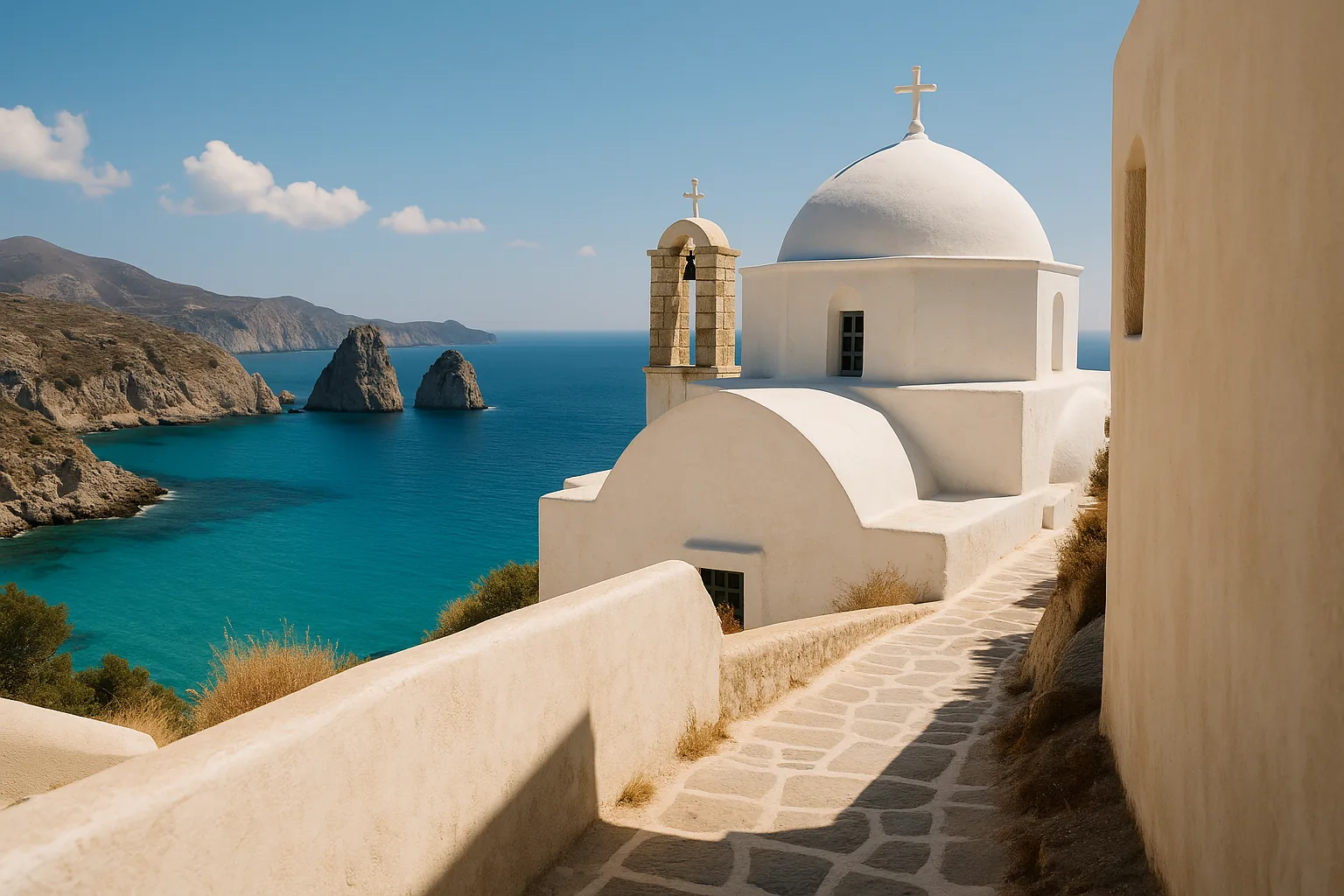
But here’s what most visitors miss: Capri is actually two islands in one. There’s the Capri that exists between roughly 10am and 5pm in July and August — crowded, expensive, and overwhelming. And then there’s the Capri that exists at all other times — quiet, genuinely elegant, and worth every bit of its legendary status.
Timing Your Visit to Capri
The single most effective strategy for experiencing Capri without the worst of the crowds is to stay overnight. Most day-trippers arrive mid-morning and leave by late afternoon. If you’re sleeping on the island, you get the early mornings and the evenings — which are, frankly, the best parts. The light at sunrise over the Faraglioni rock formations is extraordinary. The piazzetta at dusk, when the day-trippers have gone and the locals reclaim their town, is a completely different experience.
Shoulder season — April, May, early June, September, and October — transforms Capri into something closer to what it was before mass tourism arrived. The gardens are in bloom in spring, the sea is still warm in early autumn, and the island breathes again.
Exploring Capri’s Quieter Corners
Most visitors stick to Capri Town and the Blue Grotto. That leaves Anacapri — the island’s higher village — relatively undervisited, particularly in the mornings. Take the chairlift up to Monte Solaro for views across the entire Bay of Naples. Walk the path to the Lighthouse at Punta Carena for a swim in clear water away from the main tourist circuits.
The island’s interior, accessible on foot, rewards those willing to walk. Trails wind through terraced gardens, past ancient villas, and along clifftop paths that offer perspectives no boat tour can replicate. Bring good shoes and go early.
👉 Read also: Escape the Crowds: Capri, Milos & the Isles of Scilly Without the Tourist Masses
The Islands Near Capri: Where to Go When You Want More Space
One of the best-kept secrets about visiting the Capri area is how easy it is to reach genuinely less-visited alternatives. Ferries and hydrofoils connect Capri to Naples, Sorrento, Ischia, and Procida — and that last destination, Procida, is arguably the most charming and least crowded of the lot.
Procida is small, colorful, and refreshingly unpolished. Its harbor is lined with tall, pastel-painted buildings that have barely changed in decades. The island has a working fishing community, a genuine local identity, and far fewer tourists than its neighbors. It’s the kind of place where you feel like you’ve actually arrived somewhere real, rather than somewhere designed for you to visit.
Ischia, larger than both Capri and Procida, offers thermal spas, volcanic beaches, and a more varied landscape. It attracts a largely Italian and German clientele rather than the international crowds of Capri, which gives it a different energy — more relaxed, more lived-in, more authentic.
Practical Tips for Traveling the Mediterranean Off the Beaten Path
Book Accommodation Early, But Stay Flexible on Itinerary
The smaller and less-visited an island is, the more limited its accommodation options tend to be. Book your place to stay well in advance — particularly for summer travel — but keep your daily plans loose. The best experiences on small islands are usually unplanned: a conversation with a fisherman, a path you noticed on a map, a beach someone mentioned over breakfast.
Look for family-run guesthouses and small hotels rather than large resorts. They’re usually better value, more interesting, and staffed by people who actually know the island and are happy to share it with you.
Learn a Few Words of the Local Language
In Greece, even a basic “kalimera” (good morning) and “efharisto” (thank you) go a long way. In Italy, the same applies. Locals notice the effort, and it genuinely changes the quality of your interactions. You’re not just a tourist passing through — you’re someone who cared enough to try.
Travel in the Shoulder Season If You Can
This is the single most reliable way to experience the Mediterranean more authentically. May, June, September, and October offer warm weather, lower prices, and a version of these islands that actually resembles daily life rather than peak-season performance. You’ll eat better, sleep better, and spend less — while experiencing more.
Use Ferries as Part of the Experience
Island hopping by ferry is one of the great pleasures of Mediterranean travel. The journey between islands is often as memorable as the destination itself — particularly on slower boats where you can sit on deck, watch the coastline change, and feel the trip rather than just completing it. Build ferry time into your schedule rather than treating it as an inconvenience.
The Mindset That Makes All the Difference
The travelers who find the best versions of these places — the quiet beaches, the family restaurants, the sunset spots with no one else around — aren’t necessarily the ones with the best research. They’re the ones who stay curious, stay flexible, and resist the pull of the obvious. They ask locals where they eat. They take the path that looks interesting rather than the one that’s marked on every map. They stay one more day when a place surprises them.
Finding Greek islands without crowds, or experiencing Capri before the day-trippers arrive, isn’t about having secret knowledge. It’s about traveling with intention rather than just following the crowd. The Mediterranean is enormous, ancient, and endlessly varied. Most of it is still waiting for you to discover it on your own terms.
So look beyond the famous names, book that ferry to the island you’ve never heard of, and give yourself permission to be genuinely surprised. That’s where the real stories begin — and those are the ones you’ll still be telling years from now.
This article was produced with AI assistance and reviewed editorially.


Beyond Capri: How to Experience Greek Islands & Italian Coastlines Without the Crowds (2026)

Cusco Hostels for Every Traveler: Where to Stay Before (and After) Machu Picchu (2026)


