
Peru
Cusco Hostels for Every Traveler: Where to Stay Before (and After) Machu Picchu (2026)
Find your ideal Cusco hostel with this guide to 7 options tailored to different travelers—from social hubs to quiet rest spots before Machu Picchu.

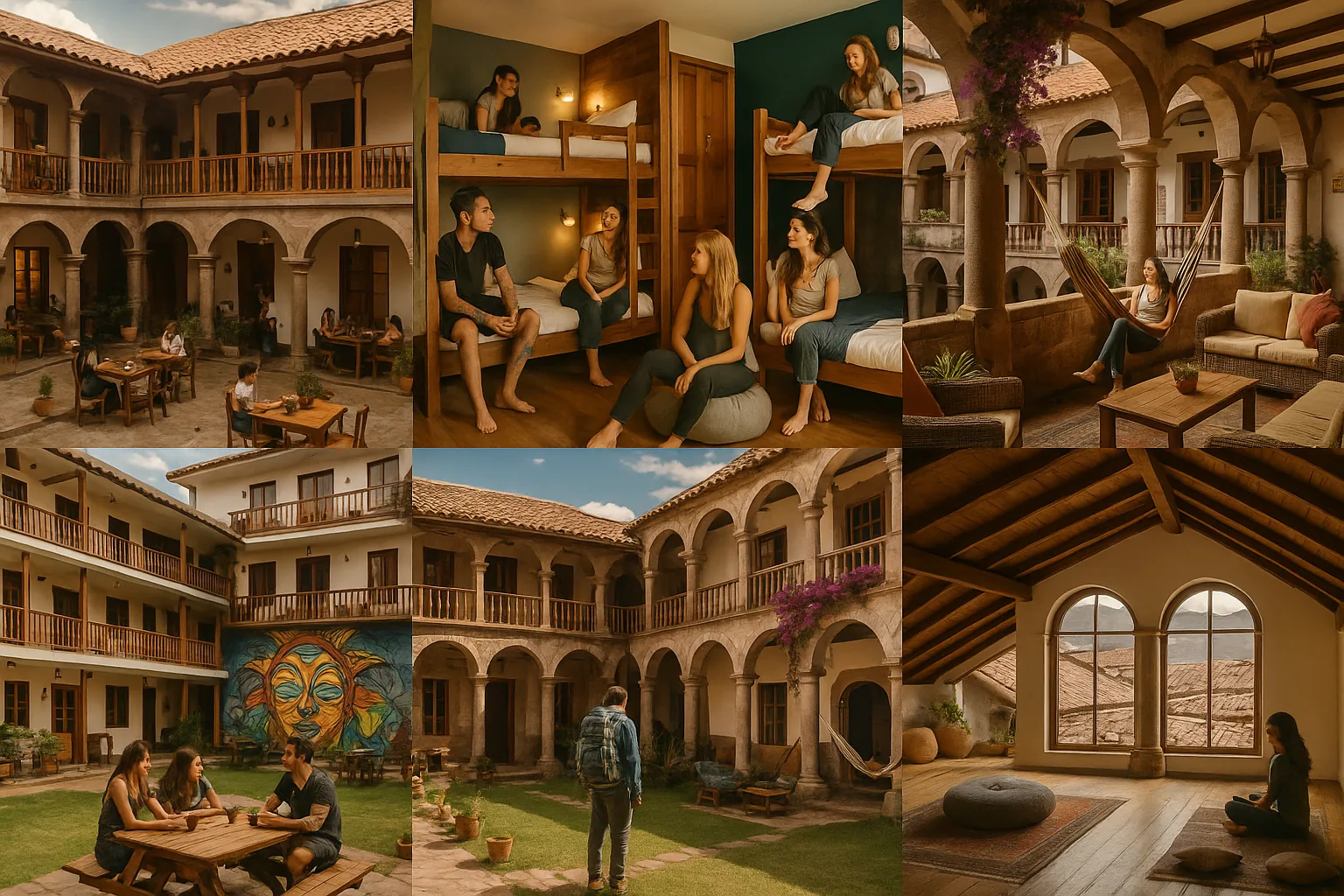
Finding Your Perfect Base in Cusco: A Hostel Guide for Every Kind of Traveler
Cusco is one of those cities that gets under your skin. You arrive expecting a stopover on the way to Machu Picchu, and you end up staying longer than planned, wandering cobblestone streets, drinking coca tea on a rooftop, and making friends from every corner of the world. With more than 100 hostels to choose from, finding the right place to sleep in this Andean city can feel genuinely overwhelming. But here’s the thing: the best Cusco hostels aren’t just about a bed. They shape your entire experience — who you meet, how well you recover from the altitude, and whether you wake up energized for that 4 a.m. train or still half-asleep from the night before. This guide breaks down your best options by traveler type, so you can find the hostel that actually fits your trip.
Why Your Choice of Hostel in Cusco Matters More Than Usual
Most cities give you a little wiggle room when it comes to accommodation. Cusco doesn’t. At roughly 3,400 meters above sea level, altitude acclimatization isn’t just a travel tip — it’s a genuine priority. Arrive and immediately push yourself too hard, and your body will let you know about it. Headaches, fatigue, shortness of breath: these are the uninvited companions of travelers who underestimate what high elevation does to you.
Your hostel environment plays a real role here. A noisy, party-heavy atmosphere might be exactly what you’re after on a regular backpacking trip, but if you’ve just landed in Cusco and your body is still adjusting, a sleepless first night can set you back for days. On the other hand, if you’re already acclimatized and looking to celebrate finishing the Inca Trail, a lively social scene is exactly what the moment calls for.
Cusco’s typical backpacker itinerary is packed: early-morning starts, multi-day treks, day trips to the Sacred Valley, and of course the journey to Machu Picchu. That means your hostel needs to work with your schedule, not against it. Think about quiet common areas for route planning, reliable hot showers after dusty trail days, and staff who actually know the region. These things matter more here than almost anywhere else in South America.
The Social Hub: For Travelers Who Want to Meet Everyone
Pariwana Hostel Cusco
If connection is your priority — if you travel to collect people as much as places — then a social hostel is your natural habitat. Pariwana Hostel Cusco consistently comes up as one of the best hostels in Cusco for exactly this reason. It’s the kind of place where you walk into the common area not knowing anyone, and by dinner you’ve already made plans for the next three days with a group of strangers who are rapidly becoming friends.
Social hostels like Pariwana tend to organize group activities: city tours, cooking classes, salsa nights, communal dinners. These aren’t forced fun — they’re genuinely good ways to connect with fellow travelers who are on similar journeys. If you’re solo and slightly nervous about navigating a new country, this kind of environment can be transformative. You arrive alone. You rarely stay that way for long.
The trade-off, of course, is noise. If you need eight hours of silence before a 5 a.m. start for the Inca Trail, a buzzing social hostel might not be the right fit for that particular night. Many experienced backpackers solve this by switching hostels mid-trip — spending their first few days somewhere lively to meet people, then moving to something quieter before a big trek.
Wild Rover Hostel Cusco
Wild Rover has a reputation that precedes it. This is the hostel for travelers who want a full social experience, including a bar on-site and a crowd that’s genuinely up for a good time. It’s recommended widely for travelers who want Cusco’s nightlife woven into their hostel experience rather than something they have to seek out separately.
That said, Wild Rover isn’t just about late nights. The staff are experienced with backpacker logistics, and the hostel functions well as a practical base too. Just be honest with yourself about where you are in your trip. If you’ve just arrived and your head is already pounding from the altitude, give yourself a night or two to adjust before diving into the party scene. Cusco will reward patience.
👉 Read also: Southeast Asia Spiritual Retreats: Luang Prabang & Cusco Hostels for Solo Travelers
The Quiet Retreat: For Travelers Who Need to Recover and Recharge
Ecopackers Cusco
Not every traveler arrives in Cusco looking for a party. Some arrive after weeks on the road, genuinely tired, craving a calm space where they can sleep properly, eat well, and prepare mentally for the trek ahead. Ecopackers Cusco has ranked among the best hostels in Cusco on TripAdvisor for years, and its reputation leans toward the quieter, more considered end of the hostel spectrum.
What makes a quiet hostel genuinely good? It’s not just the absence of noise. It’s thoughtful design — common areas that feel like places to actually rest, staff who give useful local advice without a hard sell, and a general atmosphere that respects the fact that some travelers are here to experience the Andes, not just to document it for social media. Ecopackers tends to attract travelers who are a little more intentional about their journey: people doing longer treks, people interested in Andean culture, people who want to sit with a good book and a cup of coca tea without someone turning up the music.
If altitude acclimatization is your immediate concern, a quieter hostel is almost always the smarter choice for your first night or two. Rest is genuinely the best medicine at high elevation, and a calm environment makes that much easier.
Samay Wasi Youth Hostel
Samay Wasi is among the best-rated hostels in Cusco, and it earns that reputation through consistency. The name itself reflects something of the hostel’s character — “samay” relates to rest and breath in Quechua, which feels fitting for a city where catching your breath is quite literally something you have to work at.
Travelers who choose Samay Wasi tend to appreciate the atmosphere: welcoming without being overwhelming, social without being loud. It’s a good choice if you want the chance to meet other travelers but also need to be functional the next morning. The staff typically have solid knowledge of local treks and day trips, which is exactly what you need when you’re planning logistics around Machu Picchu or the Salkantay route.
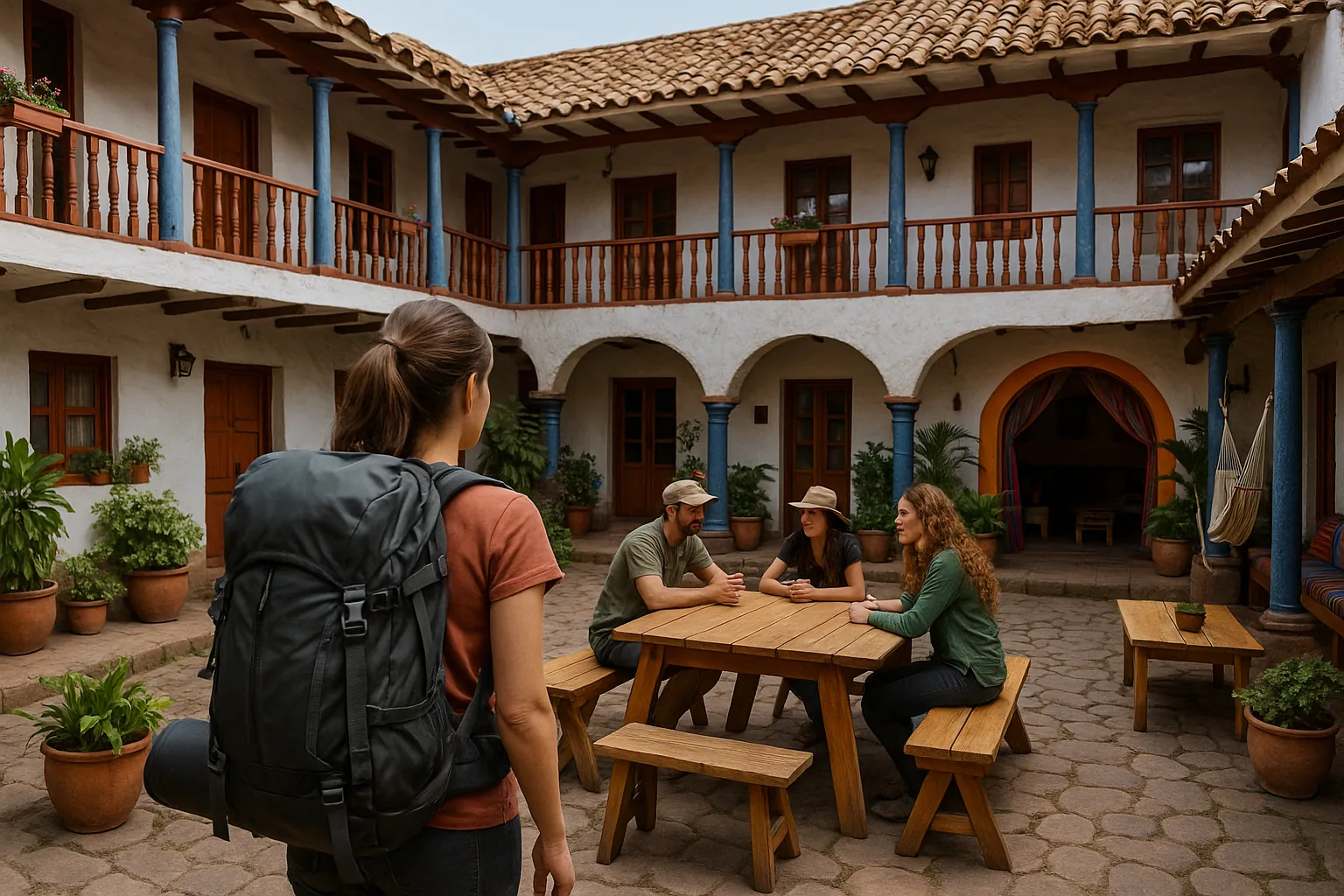
The Adventure Base: For Trekkers and Early Risers
Black Llama Hostel
Some hostels are built around the adventure itself. Black Llama Hostel is listed among the best hostels in Cusco for good reason — it tends to attract the kind of traveler who is already researching trail conditions at breakfast and comparing boot brands over dinner. This is a place where conversations naturally turn to routes, gear, and which guide company is worth trusting.
For trekkers heading to Machu Picchu via the classic Inca Trail or the increasingly popular Salkantay Trek, having a hostel that understands the rhythm of early starts and post-trek recovery is genuinely valuable. You want somewhere that won’t make you feel guilty for going to bed at 9 p.m., and somewhere that can point you toward reliable local operators, good gear rental spots, and the best places to carb-load the night before a big day.
Cusco is the gateway to some of the most iconic trekking in the world. Salkantay Trekking’s guide to staying in Cusco offers useful context on how to position your accommodation relative to key departure points and logistics. It’s worth reading before you book, especially if your trip is centered around a multi-day route.
The Budget-Conscious Traveler: Great Value Without Compromise
Kokopelli Cusco
Traveling on a tight budget doesn’t mean settling for less of an experience. It means being smarter about where your money goes. Kokopelli Cusco is listed among the best hostels in Peru for travelers who want genuine quality without paying boutique hotel prices. The hostel manages to combine a social atmosphere with solid practical amenities — clean rooms, reliable wifi, helpful staff — in a way that feels like real value rather than just cheap.
👉 Read also: Southeast Asia Slow Travel: Luang Prabang, Saigon Day Trips, and Cusco Hostels for Real Backpackers
Budget hostels in Cusco are genuinely competitive, which works entirely in your favor. With well over 50 hostels competing for backpacker business, standards have risen considerably. You don’t have to sacrifice comfort for cost. What you’re really choosing between is atmosphere and location, not quality of sleep or cleanliness.
One practical note: wherever you stay, factor in the cost of altitude-related extras. Coca tea is usually free or very cheap at most hostels. Oxygen canisters, if you need them, are widely available in the city. And drinking plenty of water — genuinely more than you think you need — is the single best thing you can do in your first 48 hours in Cusco, regardless of where you’re sleeping.
The Spiritual Seeker: For Travelers Drawn to Andean Culture
Cusco isn’t just a trekking hub. It’s one of the most historically and spiritually significant cities in the Americas — the former capital of the Inca Empire, a place where ancient cosmology, indigenous culture, and living tradition coexist in ways you won’t find anywhere else. Some travelers arrive here specifically for that dimension of the experience: to learn, to slow down, to connect with something older and deeper than a tourist trail.
For this kind of traveler, the right hostel feels less like a party venue and more like a thoughtful community. Look for places that organize cultural experiences — visits to local markets, conversations with Quechua-speaking guides, cooking classes that go beyond the obvious. The best culturally-oriented hostels in Cusco tend to have staff who are genuinely invested in helping you understand the city, not just navigate it.
The San Blas neighborhood is worth considering as a base if cultural immersion is your goal. It’s quieter than the Plaza de Armas area, full of artisan workshops and small galleries, and has a distinctly different energy — more contemplative, more local. Several smaller, independently run hostels in this area cater specifically to travelers who want that slower, more reflective experience.
Practical Tips for Choosing and Booking Cusco Hostels
- Book in advance for peak season. Cusco draws travelers year-round, but the dry season months see demand spike significantly. Don’t assume you can walk in and find a bed at your preferred hostel.
- Read recent reviews carefully. Hostel quality can shift with management changes. A hostel that was excellent two years ago might have changed character. Check platforms like Hostelworld for up-to-date guest feedback before committing.
- Consider your arrival timing. If you’re flying in from sea level, your first night in Cusco is not the night to be in a noisy dorm. Prioritize rest, even if it means switching to a livelier hostel after you’ve acclimatized.
- Ask about storage facilities. If you’re doing a multi-day trek, you’ll want to leave your main bag somewhere safe and secure while you carry only what you need on the trail. Most good hostels offer this, but confirm before you book.
- Location matters, but not in the way you might think. Central Cusco is walkable, and most hostels are within reasonable distance of the Plaza de Armas. What varies more is the neighborhood atmosphere — busy and touristy near the main square, quieter and more residential as you move toward San Blas or further out.
- Don’t underestimate the value of good staff. In a city with this many logistics — treks, trains, buses, day trips — having hostel staff who genuinely know the area and can help you plan is worth more than a slightly nicer mattress.
Before and After Machu Picchu: Planning Your Cusco Stay Around the Trek
Most travelers structure their time in Cusco around the Machu Picchu visit, and that’s completely reasonable — it’s one of the most extraordinary places on the planet. But the smartest itineraries treat Cusco as more than a staging post. Give yourself at least two or three days before any major trek to acclimatize properly, explore the city, and get your logistics sorted. Then plan for at least one recovery day after you return.
The post-trek day is often underrated. You’ll be tired, possibly sore, and emotionally full in the best possible way. Having a hostel that feels genuinely comfortable for that recovery — good showers, a relaxed common area, maybe a garden where you can sit and process everything — makes a real difference to how you carry the experience forward.
Cusco rewards travelers who slow down. The city has layers — Inca stonework beneath colonial facades, ancient ceremonial sites hidden in plain sight, a food scene that goes far beyond tourist menus. Your hostel is the anchor for all of it. Choose one that matches not just your budget, but your energy, your travel style, and where you are in your journey.
Whether you’re after rooftop conversations with strangers, silent mornings with a view of the Andes, or the perfect base for a week of serious trekking, Cusco’s hostel scene has something that fits. Take the time to find it — and then let the city do the rest.
This article was produced with AI assistance and reviewed editorially.


Cusco Hostels for Every Traveler: Where to Stay Before (and After) Machu Picchu (2026)

Thailand Itineraries 2026: Modular 1-to-4 Week Routes for Northern & Southern Thailand


