
Itineraries
Thailand Itineraries 2026: Modular 1-to-4 Week Routes for Northern & Southern Thailand
Build your own Thailand itinerary with flexible routes for 1 to 4 weeks. Explore northern temples and mountains or southern islands—customize your trip to fit your schedu

Why Thailand Still Belongs on Your Travel List
There are destinations you visit once and forget. Then there’s Thailand. Whether you’re navigating the chaotic, electric streets of Bangkok, trekking through misty hills outside Chiang Mai, or drifting between islands in the south with nothing but a hammock and a good book waiting for you — this country gets under your skin in a way that’s hard to explain until you’ve been there. If you’re trying to put together a solid thailand itinerary that actually fits your schedule, your budget, and the kind of traveler you are, you’re in the right place.
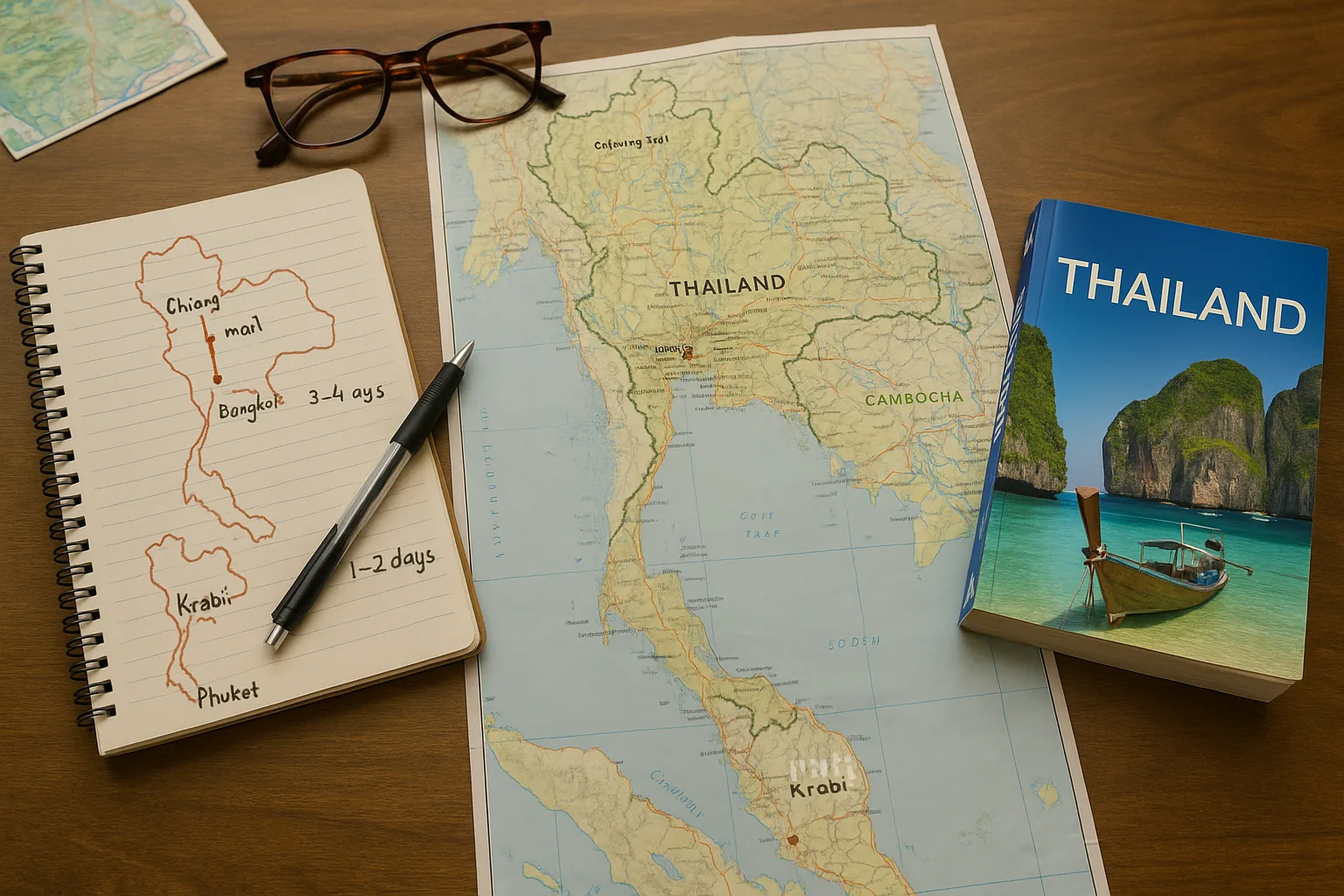
The real challenge with Thailand isn’t finding things to do. It’s choosing. The country splits naturally into two very different worlds: the mountainous, culturally rich north, and the coastline-blessed, island-hopping south. Add Bangkok sitting somewhere in the middle as its own universe entirely, and you’ve got a country that could easily swallow four weeks without blinking. This guide breaks it all down into modular routes — one week, two weeks, three weeks, four weeks — so you can build the trip that actually makes sense for your life right now.
Understanding Thailand’s Two Worlds: North vs. South
Before you start plotting anything, it helps to understand what you’re working with. Northern Thailand and Southern Thailand are genuinely different experiences, and treating them as interchangeable will leave you disappointed. They’re not competing — they’re complementary. The question is just which one fits the time you have.
Northern Thailand: Culture, Mountains, and Slow Mornings
The north is where Thailand slows down. Chiang Mai is the natural base — a city surrounded by mountains, dotted with hundreds of temples, and home to a food scene that rivals Bangkok for depth and variety. From here, you can push further into the hills to places like Chiang Rai, where the famous White Temple (Wat Rong Khun) sits like something from another dimension, or explore the quieter corners of the Mae Hong Son loop if you have a motorbike and a few extra days.
Northern Thailand is also where you’ll find some of the most meaningful cultural experiences in the country. Hill tribe communities, traditional craft markets, cooking classes that teach you to make dishes you’ll spend years trying to recreate at home — this is the kind of travel that leaves you with more than just photos. Tour operators like G Adventures highlight northern hill tribes, ancient temples, and mountain landscapes as defining features of any well-rounded Thailand trip, and they’re right.
Southern Thailand: Islands, Beaches, and Open Water
The south is a different kind of magic. Two coastlines — the Andaman Sea to the west and the Gulf of Thailand to the east — offer completely different island vibes. The Andaman side, home to places like Krabi, Ko Lanta, and the Phi Phi Islands, tends to be more dramatic: towering limestone karsts rising out of turquoise water, long-tail boats weaving between cliffs, sunsets that stop conversations mid-sentence.
The Gulf side gives you Ko Samui, Ko Phangan, Ko Tao, and the quieter islands beyond. Ko Tao in particular has built a reputation as one of the most accessible places in the world to get your open-water diving certification — and it delivers on that promise. Ko Phangan is famous for its full moon parties, but stick around past the party scene and you’ll find jungle waterfalls, yoga retreats, and beaches that see a fraction of the crowds. Intrepid Travel covers destinations across both coastlines, including Phuket and Ko Samui, in their 2026 and 2027 Thailand offerings — a sign that the south remains as relevant as ever for young travelers seeking both adventure and downtime.
The Modular Approach: Build Your Own Thailand Itinerary
Here’s the thing about Thailand: it rewards flexibility. Rigid, hour-by-hour plans tend to fall apart the moment you discover a beach town you weren’t expecting to love, or a cooking class that runs two hours longer than scheduled because everyone’s having too much fun. The best approach is modular — pick your starting point, choose your focus, and give yourself permission to adjust as you go.
The routes below are designed exactly that way. Think of them as frameworks, not rules.
One Week: Choose Your Focus
A week in Thailand is genuinely enough time to have a meaningful experience — as long as you resist the urge to do everything. One week works best when you commit to either the north or the south, not both.
One Week in the North: Fly into Bangkok and spend your first day or two getting your bearings. Bangkok deserves more time than most people give it. Skip the tourist-trap tuk-tuk rides and instead wander through Chinatown at night, take the river ferry between temples, eat pad kra pao from a street stall at midnight. Then fly or take the overnight train north to Chiang Mai. Give yourself three to four days here — enough time to visit the old city temples, take a day trip into the surrounding hills, and eat your way through the Sunday Walking Street market. If you have energy left, a day trip to Doi Inthanon National Park (Thailand’s highest peak) is worth every minute.
👉 Read also: Thailand Itineraries for Every Timeline: 1 Week to 4 Weeks Modular Planning
One Week in the South: Fly into Bangkok, connect south to Krabi or Ko Samui, and base yourself somewhere with good island access. Spend your days island-hopping, snorkeling, kayaking through sea caves, or simply watching the light change over the water. A week on the Andaman coast or the Gulf islands is restorative in a way that’s hard to quantify. You’ll leave slower, calmer, and already planning your return.
Two Weeks: North and South, Done Right
Two weeks is where a thailand itinerary really starts to breathe. You have enough time to experience both regions without feeling like you’re sprinting between airports.
A solid two-week structure might look something like this:
- Days 1–3: Bangkok — temples, street food, night markets, the chaos and beauty of it all
- Days 4–7: Chiang Mai and surrounding areas — old city, day trips, cooking classes, hill tribe villages
- Days 8–10: Fly south to Krabi or Koh Lanta — beaches, kayaking, limestone cliffs
- Days 11–14: Island-hop between Phi Phi, Ko Lanta, or head to the Gulf side for Ko Tao or Ko Phangan
This structure gives you cultural depth in the north and genuine relaxation in the south, with Bangkok as an energizing opener. Resources like the two-week guide from Global Gallivanting map out exactly this kind of north-south balance, and it’s a format that consistently delivers for travelers who want variety without exhaustion.
Three Weeks: Go Deeper
Three weeks unlocks a different kind of travel. You’re no longer just hitting highlights — you’re starting to find the places that don’t appear on every Instagram grid. You have time to linger, to take the slow boat instead of the fast one, to say yes to the invitation from the guesthouse owner who says there’s a waterfall nearby that most visitors miss.
With three weeks, consider adding:
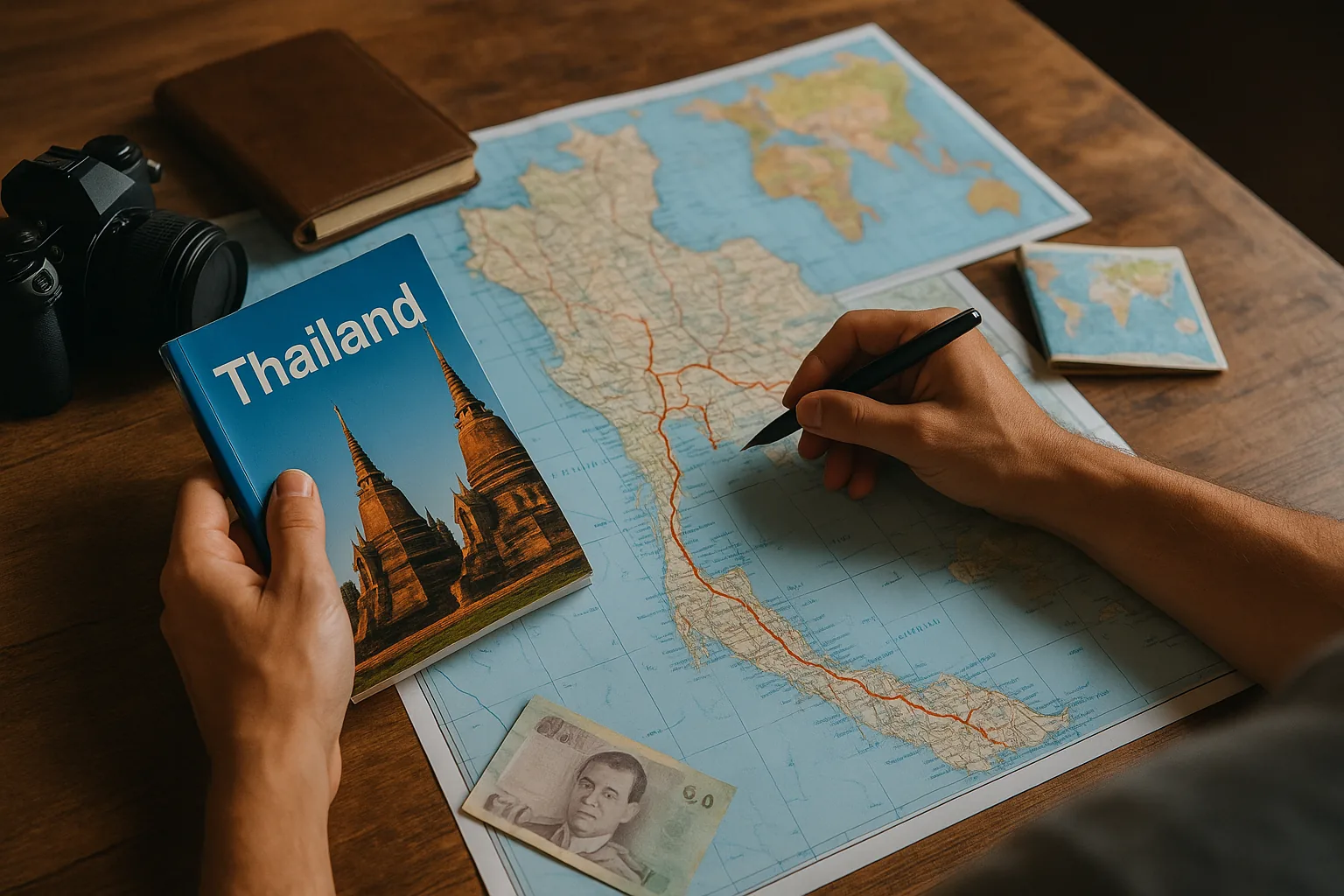
- Chiang Rai — the White Temple, the Blue Temple, the Golden Triangle, and a slower pace than Chiang Mai
- Pai — a small mountain town north of Chiang Mai that draws a creative, free-spirited crowd
- Ko Tao — if diving is on your list, this is the place to get certified without breaking the bank
- Railay Beach — only accessible by boat, surrounded by cliffs, and genuinely one of the most striking beaches in Southeast Asia
- Sukhothai — the ancient capital, often skipped in favor of Chiang Mai, but worth it for the temple ruins and the quiet
Three-week itineraries like the one documented on In Between Travels show how this kind of layered approach works in practice — moving between regions with intention rather than rushing.
Four Weeks: The Full Picture
A month in Thailand is a privilege, and if you have it, use it well. Four weeks means you can take the overnight train between cities instead of flying everywhere, spend an extra few days somewhere unexpected, and genuinely settle into the rhythm of each place rather than just passing through.
At this length, your thailand itinerary can include everything above, plus:
- The Mae Hong Son loop by motorbike — a multi-day route through mountain roads and remote villages
- A longer stay in a single island to actually get to know it
- A cooking or language course in Chiang Mai
- Day trips into Myanmar or Laos from the northern border regions (visa requirements apply — always check current entry rules)
- Time in Hua Hin or Kanchanaburi, two central Thailand destinations that offer history and scenery without the tourist crowds
Practical Advice for Getting Around
Thailand’s transport network is more connected than most first-timers expect. Between domestic flights, overnight trains, long-distance buses, ferries, and the occasional motorbike rental, you have real options at every stage of your trip.
For long distances — say, Bangkok to Chiang Mai or Bangkok to the southern islands — domestic flights are cheap, frequent, and worth considering when time is short. But don’t overlook the overnight train. It’s slower, yes, but sleeping through the journey saves you a night’s accommodation and drops you into your destination at dawn, ready to explore. There’s something genuinely romantic about waking up as the landscape changes outside the window.
👉 Read also: Thailand Planning Made Simple: 1-4 Week Itineraries & Where to Stay on Koh Lanta
Within cities, ride-hailing apps have made getting around straightforward and transparent with pricing. In smaller towns and on islands, motorbike rentals are often the best way to explore at your own pace — just make sure you’re comfortable riding one before you commit, and always wear a helmet.
Between islands in the south, ferries and speedboats connect most destinations efficiently. Schedules shift with the seasons, so build in flexibility rather than booking every connection in advance.
Where to Stay Without Overspending
Thailand remains one of the most budget-friendly destinations in Southeast Asia, and the accommodation options for younger travelers are genuinely excellent. Hostels here have evolved well beyond the bare-minimum dorm room — many offer social spaces, rooftop bars, organized activities, and the kind of community feel that turns solo travelers into group adventurers overnight.
Guesthouses are another strong option, especially in smaller towns and on the islands. They’re often family-run, reasonably priced, and come with the kind of local knowledge that no guidebook can replicate. Ask your host where they eat. Ask what’s happening this weekend. The best recommendations rarely come from apps.
If you’re traveling in a small group, renting a bungalow on an island for a few nights often works out cheaper per person than a hostel, and gives you a home base to return to after a day on the water.
Timing Your Trip: Seasons Matter
Thailand’s climate varies significantly by region and time of year, and it genuinely affects what’s possible. The cool, dry season — roughly November through February — is widely considered the best time to visit most of the country. Temperatures are more manageable, skies are clear, and both the north and south are at their most accessible.
The hot season (March to May) is intense, particularly in the north and central regions, but also sees some of Thailand’s most vibrant festivals, including Songkran, the Thai New Year water festival in April. If you can handle the heat, the cultural experience is worth it.
The rainy season (June to October) brings lower prices, fewer crowds, and genuinely lush landscapes — but also the possibility of ferry cancellations in the south and flooded roads in the north. It’s not a reason to avoid Thailand entirely, but it does require more flexibility in your planning.
One important note: the two southern coastlines have opposite monsoon patterns. When the Andaman side is rough and rainy (typically May to October), the Gulf side is often calm and sunny — and vice versa. Plan accordingly.
A Few Things Worth Knowing Before You Go
- Respect temple etiquette. Cover your shoulders and knees when visiting temples. Remove your shoes when asked. These aren’t suggestions — they’re signs of basic respect for places that matter deeply to local communities.
- Eat where the locals eat. The best food in Thailand is almost never in a restaurant with an English menu and photos on the wall. Follow the crowds, point at what looks good, and be willing to try something unfamiliar.
- Bargain thoughtfully. Haggling is part of market culture, but keep perspective. A few extra baht means very little to you and potentially a lot to the person selling.
- Stay hydrated and sun-smart. The heat is real, especially in the south. Drink water constantly, use sunscreen, and don’t underestimate how quickly the sun can drain your energy.
- Check visa requirements early. Thailand’s visa policies have evolved in recent years, and requirements vary depending on your nationality. Always verify the current rules through official government channels before you travel.
Building the Thailand Itinerary That’s Actually Yours
The best travel guides — including the modular itinerary frameworks offered by resources like Indie Traveller and Johnny Africa — all share one thing in common: they treat itineraries as starting points, not scripts. The routes above are frameworks for a reason. Thailand is the kind of place that will hand you unexpected moments if you leave room for them. A conversation with a monk in a temple courtyard. A motorbike breakdown that leads to a meal with a local family. A sunrise over rice fields that nobody told you about because it’s not in any guide.
Whether you have one week or four, whether you’re drawn to the mountains of the north or the islands of the south, Thailand rewards the traveler who shows up curious, stays flexible, and pays attention. Plan enough to feel confident. Leave enough space to be surprised. That balance — between preparation and spontaneity — is where the best travel memories are made. Your thailand itinerary is just the beginning of the story you’ll come home telling.
This article was produced with AI assistance and reviewed editorially.


Cusco Hostels for Every Traveler: Where to Stay Before (and After) Machu Picchu (2026)

Thailand Itineraries 2026: Modular 1-to-4 Week Routes for Northern & Southern Thailand


