
North America
Emerging US City Breaks: Chattanooga, Fort Worth, Portland & Long Island in 2026
Discover underrated American cities worth visiting in 2026. Explore vibrant arts scenes, outdoor adventures, and authentic neighborhoods in Chattanooga, Fort Worth, Portl

Why Emerging US City Breaks Are the Smartest Way to Explore America Right Now
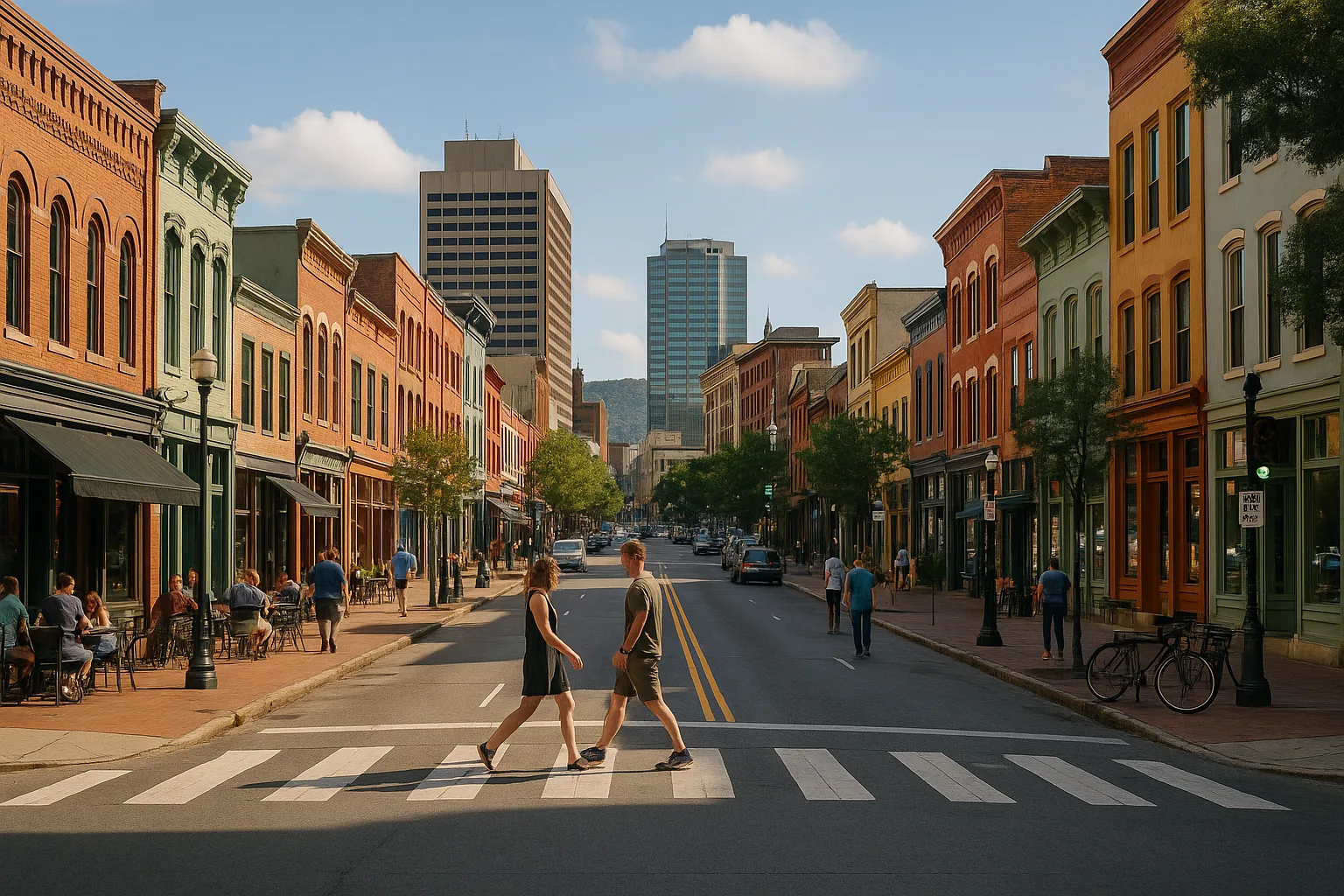
Everyone knows New York, LA, and Miami. They’re iconic for a reason — but they’re also crowded, expensive, and increasingly predictable. If you’re the kind of traveler who’d rather discover something real than follow a well-worn tourist trail, emerging US city breaks are where the magic is hiding in 2026. Think vibrant arts scenes, genuinely welcoming locals, food that hasn’t been filtered through a thousand influencer posts, and neighborhoods that still feel like they belong to the people who actually live there. Four American cities are making a particularly compelling case right now: Chattanooga, Fort Worth, Portland (Maine), and Long Island. Different in character, similar in spirit — each one rewards the curious traveler who shows up ready to explore.
Chattanooga, Tennessee: Outdoor Adventure Meets Creative Energy
Chattanooga might be the most exciting city in the American South right now, and it’s not exactly a secret anymore — but it still hasn’t hit the mainstream radar the way it deserves to. Described widely as America’s Rising Outdoor Capital, the city has poured serious energy into eco-friendly tourism and a completely reimagined riverfront that makes it genuinely different from most mid-size American cities.
The Riverfront and the Great Outdoors
The Tennessee River runs right through the heart of Chattanooga, and the city has built its identity around it. The revitalized riverfront is a place where locals actually spend their evenings — walking, cycling, watching the light change over the water. It doesn’t feel like a development project; it feels like a neighborhood that grew naturally. From here, you’re a short ride from some of the best outdoor access in the entire Southeast: rock climbing at Sunset Rock, hiking through Lookout Mountain, kayaking on the river itself.
If you’re the kind of person who wants to start the morning on a trail and end it in a craft brewery, Chattanooga was designed for you. The outdoor culture here is serious but never intimidating. You’ll find guided tours for beginners and serious routes for experienced adventurers, often within the same afternoon’s reach.
Arts, Culture, and Neighborhood Wandering
Beyond the trails, Chattanooga has a creative scene that punches well above its weight. The Southside neighborhood is the kind of place you wander into without a plan and stay for hours — murals on warehouse walls, independent coffee shops, small galleries, and restaurants that source locally and cook with genuine care. The North Shore, just across the river, has a slightly more residential feel with a strong community vibe: farmers markets, bookshops, and a pace of life that makes you want to slow down and pay attention.
The city’s investment in arts infrastructure is visible everywhere. Public art installations, performance spaces, and a growing community of working artists make Chattanooga feel alive in a way that’s hard to manufacture. It’s the kind of city that attracts people who are building something — and that energy is contagious.
Staying and Getting Around
Chattanooga is compact enough to be genuinely walkable in the central areas, and the free electric shuttle that runs through downtown makes getting around easy even when your legs give out. Budget-conscious travelers will find a solid range of hostels, independent guesthouses, and mid-range hotels — particularly in the Southside and North Shore areas where you’re close to everything worth seeing. Staying outside the immediate tourist zone typically means better prices and a more authentic experience of daily city life.
Fort Worth, Texas: Culture, Cowboys, and a City on Its Own Terms
Fort Worth often gets lumped in with Dallas, treated as the quieter sibling in the metroplex. That’s a mistake. Fort Worth has a distinct identity — rooted in its Western heritage but constantly evolving — and it’s one of the most rewarding emerging US city breaks for travelers who want depth alongside good food and great nightlife.
The Cultural District
Few mid-size American cities have a cultural district as genuinely impressive as Fort Worth’s. The concentration of world-class museums in a walkable area is remarkable — you can spend a full day moving between institutions dedicated to fine art, science, and natural history without ever needing a car. The architecture alone is worth the visit: modernist buildings set against Texas sky create a visual experience that stays with you.
👉 Read also: USA Road Trip Bases: Where to Stay in 7 Underrated American Towns (2026)
What makes Fort Worth’s cultural scene feel different from more polished tourist destinations is the accessibility. These aren’t spaces designed to intimidate — they’re places where you’ll find school groups, locals on lunch breaks, and travelers from all over the world sharing the same sense of curiosity. Entry is often free or very affordable, which matters when you’re traveling on a budget.
The Stockyards and Beyond
The Fort Worth Stockyards are one of those rare tourist attractions that actually deliver on their promise. This is a living piece of American history — brick streets, working cattle drives, honky-tonk bars, and a rodeo culture that’s taken seriously rather than performed for visitors. It’s vivid, loud, and completely unlike anything you’ll find in most American cities. Spend an evening here and you’ll understand why Fort Worth calls itself the city “where the West begins.”
Beyond the Stockyards, the Near Southside neighborhood has become a hub for independent restaurants, live music venues, and the kind of creative small businesses that signal a city in genuine transition. It’s where the younger Fort Worth crowd gravitates, and it’s worth an afternoon of purposeful wandering.
Portland, Maine: Small City, Enormous Flavor
Portland, Maine is one of those places that surprises you. It’s small — genuinely small — but it has a food culture, a coastal character, and a creative community that make it feel far more significant than its size would suggest. For travelers looking for emerging US city breaks that combine natural beauty with genuine urban energy, Portland delivers something rare.
A Food Scene That Earns Its Reputation
Maine’s food culture is built on what the land and sea actually produce, and Portland’s restaurant scene reflects that honestly. Lobster is everywhere, but so are small restaurants doing inventive things with local ingredients — cheesemakers, brewers, bakers, and chefs who’ve chosen this small city specifically because it takes food seriously. The Old Port neighborhood, with its cobblestone streets and historic brick buildings, is the obvious starting point: walk it slowly, look into windows, follow your nose.
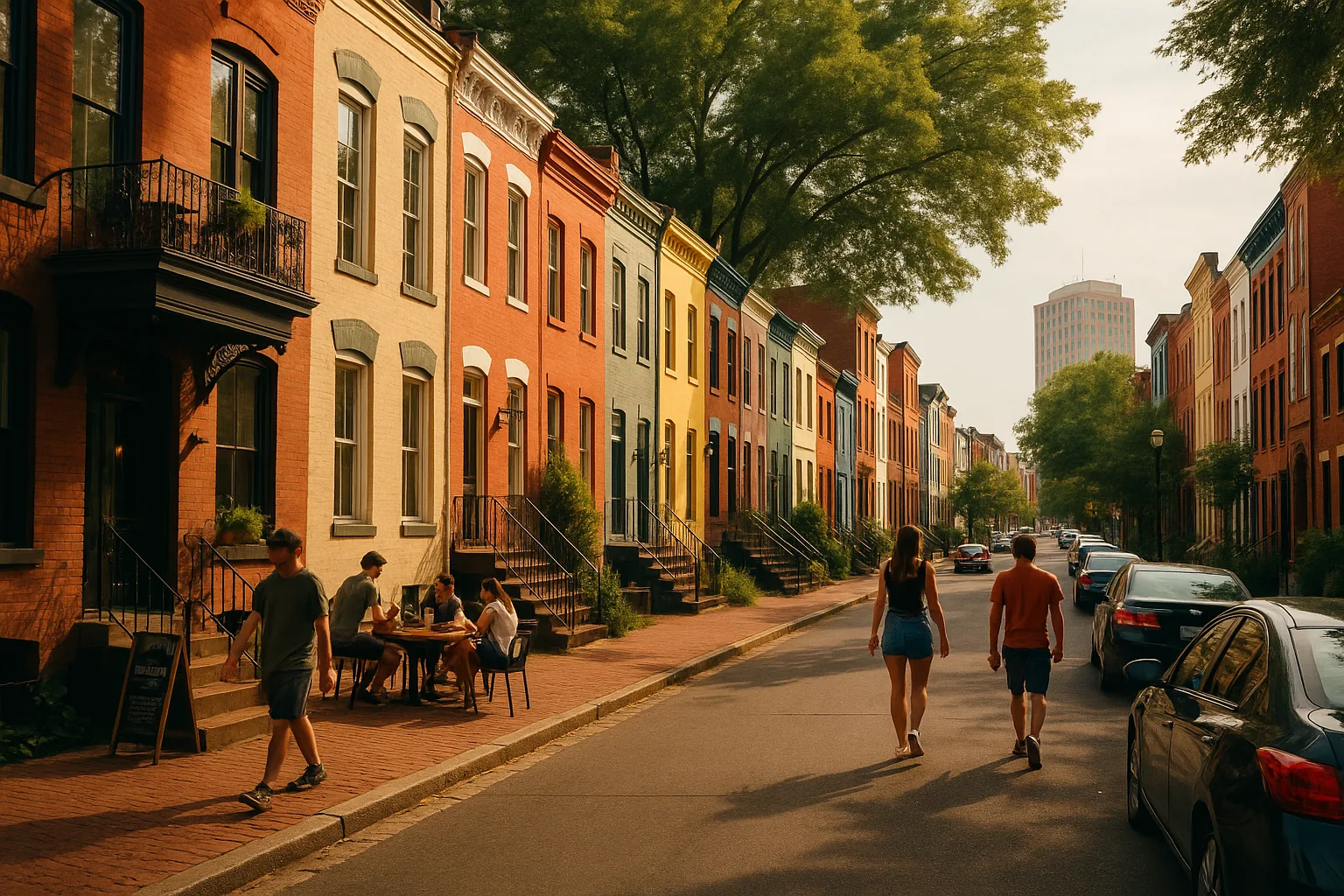
The city’s farmers markets are a genuine community gathering point, not a tourist attraction. Showing up on a market morning gives you a real sense of how Portland actually lives — the conversations, the seasonal rhythms, the pride in local production. It’s one of those experiences that costs almost nothing and gives you a lot.
The Coast and the Islands
Portland’s position on Casco Bay makes it a natural base for coastal exploration. The islands accessible by ferry from the city offer hiking, swimming, and a quieter pace of life that contrasts beautifully with even Portland’s modest urban energy. A day trip to one of the nearby islands — spending the morning on trails, the afternoon on a rocky beach, the evening back in the city for dinner — is the kind of itinerary that makes you understand why people fall in love with the Maine coast.
The Arts District, stretching through the city’s West End, adds another dimension: galleries, independent cinemas, live music, and a community of artists who’ve made Portland their home. It’s a walkable, human-scaled city that rewards slow exploration over rushed sightseeing.
Practical Notes for Budget Travelers
Portland is more affordable than Boston, which makes it an attractive alternative for travelers doing the New England circuit. Independent guesthouses and smaller boutique hotels in the neighborhoods around the Old Port offer solid value. Eating well here doesn’t require a big budget — the lunch counter culture and the food market scene mean you can eat authentically and affordably most days.
👉 Read also: USA Road Trip Stays: 8 Underrated Towns From Portland Maine to New Mexico
Long Island, New York: Beyond the City, Into Something Better
Most people think of Long Island as the place New Yorkers escape to — a suburban extension of the city rather than a destination in its own right. But Long Island rewards the traveler who approaches it on its own terms. It’s one of the more underappreciated emerging US city breaks (or rather, town breaks) in the Northeast, with beach towns, farm country, a growing wine region, and a coastal culture that feels genuinely distinct from the city just to the west.
The Beach Towns
Long Island’s south shore has some of the most beautiful beach towns on the East Coast. The barrier islands that stretch along the coast offer wide sandy beaches, surf culture, and a laid-back atmosphere that’s hard to find this close to New York City. Towns like these are best visited in the shoulder season — late spring or early autumn — when the summer crowds have thinned and the light on the water is extraordinary.
The north shore tells a different story: quieter coves, historic villages, and a landscape shaped by glaciers that gives the coastline a completely different character. Exploring both shores in a single trip gives you a surprisingly diverse range of experiences within a compact geography.
Wine Country and Farm Stands
The North Fork of Long Island has developed a wine culture over recent decades that draws serious attention from people who care about American viticulture. Small, family-run wineries line the country roads, and the tasting room culture here is relaxed and genuinely welcoming — nothing like the polished, corporate wine tourism you find in more established regions. Pair a winery visit with stops at the farm stands that dot the roads between vineyards and you’ve got a day that feels spontaneous, delicious, and very much off the typical tourist circuit.
Day Trips and Getting Around
Long Island is accessible by train from Penn Station in Manhattan, which makes it an easy addition to a New York trip or a standalone destination if you base yourself in one of the coastal towns. Renting a bike or a car opens up the more rural areas and lets you move at your own pace — which is really the only way to get the most out of a place like this. Budget accommodation exists in the form of smaller motels, guesthouses, and seasonal rentals, particularly outside the peak summer months.
How to Plan Your Emerging US City Break in 2026
The best time to visit any of these cities is typically the shoulder season — spring or autumn — when the weather is manageable, the crowds are lighter, and the prices are more forgiving. Each of these destinations rewards a slower pace: two to three nights is enough to get a genuine feel for a place, but a full week split between two of them gives you the depth that makes a trip memorable rather than just checked off.
- Book accommodation in neighborhoods, not just city centers. Staying where locals actually live gives you a completely different experience and often costs significantly less.
- Eat where the lines are short and the menus are handwritten. In all four of these cities, the best food is rarely in the most obvious places.
- Walk before you plan. Give yourself at least one morning in each city with no agenda — just a direction and comfortable shoes. You’ll find things no itinerary would have led you to.
- Use public transport and your feet. All four destinations are manageable without a car for significant portions of your stay, which saves money and keeps you connected to the street-level experience.
- Talk to people. In smaller cities like these, locals are generally happy to point you toward their favorite spots — the coffee shop that’s been there for thirty years, the trail that doesn’t show up on any app, the bar where the live music actually starts on time.
For more inspiration on where American cities are heading, U.S. News Travel’s annual ranking of the best US cities to visit is a solid starting point — it considers culture, nightlife, accessibility, and overall experience. And if you want to go deeper on Chattanooga’s outdoor credentials specifically, Door2DoorFlights’ guide to top emerging US destinations in 2026 has useful context on what makes it stand out.
The Real Reason These Cities Are Worth Your Time
What connects Chattanooga, Fort Worth, Portland, and Long Island isn’t a marketing category or a travel trend. It’s something more honest: these are places where the experience of being there still feels proportionate to the effort of showing up. The streets haven’t been sanitized for tourism. The restaurants are still cooking for their neighbors. The outdoor spaces are maintained by communities that actually use them. That’s increasingly rare, and it’s exactly what makes emerging US city breaks the most rewarding kind of American travel you can do right now.
You don’t need a big budget, an elaborate plan, or weeks of vacation time. You need curiosity, a willingness to wander, and the confidence to go somewhere that isn’t already on everyone’s list. These four cities are ready for you — and the experience of discovering them before the crowd arrives is one you’ll be talking about for a long time after you get home.
This article was produced with AI assistance and reviewed editorially.


Emerging US City Breaks: Chattanooga, Fort Worth, Portland & Long Island in 2026

Safety First: Is It Safe to Travel to Cyprus, Baja California & Other Popular Destinations in 2026?


