
Asia
Vietnam Beyond Saigon: 5 Day Trips & Real Ecotourism Destinations in 2026
Explore five authentic day trips from Ho Chi Minh City within 2.5 hours, from the Mekong Delta to Cat Tien National Park. Learn real ecotourism vs. greenwashing.

Saigon Is Just the Beginning
Ho Chi Minh City — still called Saigon by almost everyone who lives there and visits — is one of Southeast Asia’s most electric cities. The motorbikes, the street food, the noise, the color. It grabs you from the moment you arrive and doesn’t let go. But here’s the thing: if you spend your entire trip inside the city limits, you’re only seeing one layer of what southern Vietnam has to offer. The real depth is just a few hours away. Day trips from Ho Chi Minh City open up a completely different Vietnam — quieter, wilder, and far more complex than the city suggests.
This guide is for travelers who want more than a tour bus experience. It’s for people who want to explore the Mekong Delta at dawn, hike through actual jungle, and understand the difference between genuine ecotourism and a resort that slapped a leaf logo on its branding. We’ll cover five day trip destinations worth your time, dig into Vietnam’s ecotourism scene honestly, and give you the tools to spend your money in ways that actually matter.
Five Day Trips from Ho Chi Minh City Worth Getting Up Early For
Most of the destinations below sit within roughly two to two-and-a-half hours of the city center, making them realistic as day trips — though several are worth staying overnight if your schedule allows. All are reachable by public transport, private car, or organized tour, depending on your comfort level and budget.
1. The Mekong Delta
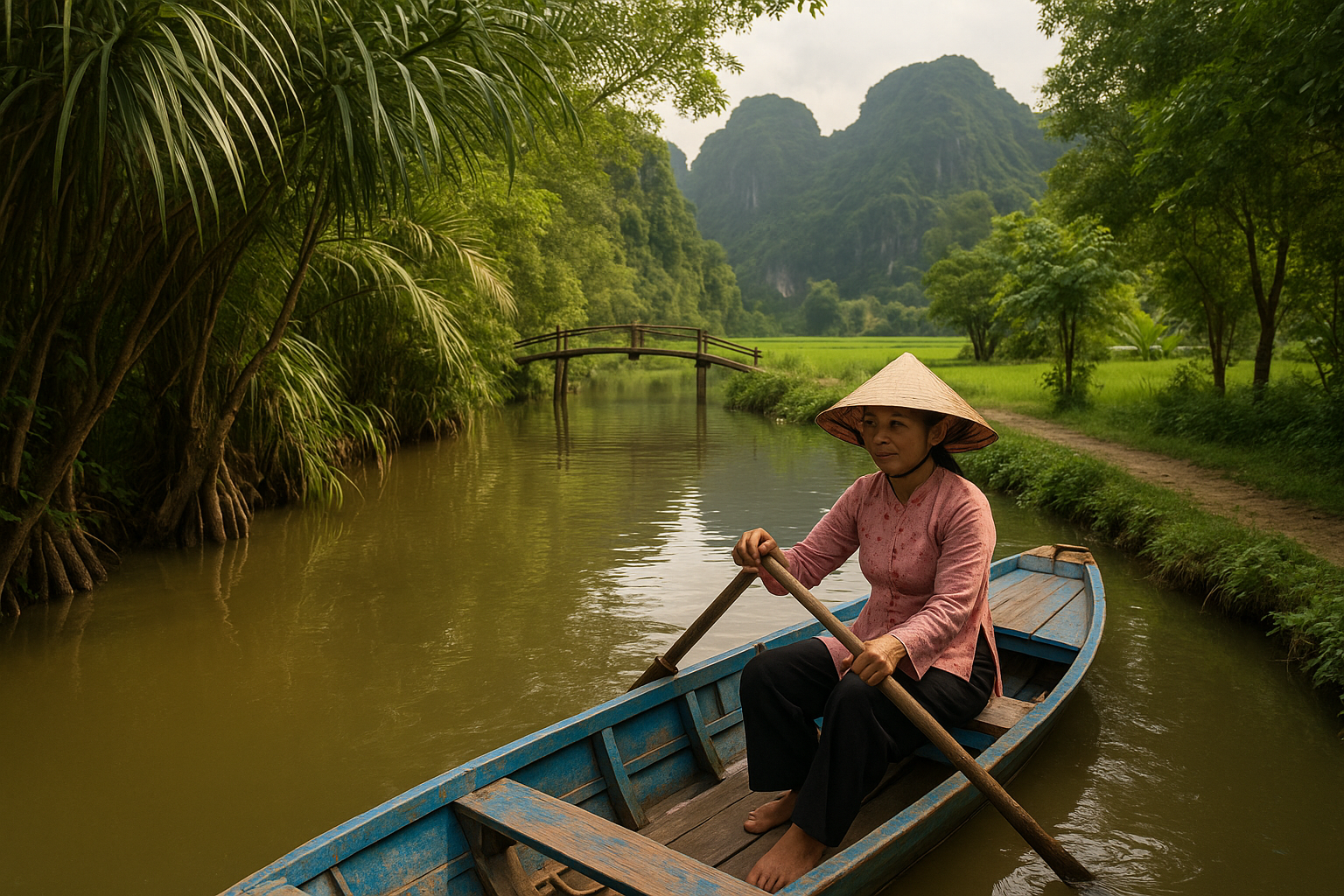
This is the one everyone talks about, and for good reason. The Mekong Delta is a vast network of rivers, canals, and rice paddies that feeds much of Vietnam and Cambodia. Getting out on the water in a small wooden boat, watching farmers tend their fields from the riverbank, and eating fresh tropical fruit at a floating market — it’s the kind of morning that sticks with you.
The most accessible gateway towns are Ben Tre and My Tho, both reachable in under two hours from Saigon. My Tho tends to be more commercialized; Ben Tre has a slightly slower, more local feel. If you want to go deeper into the delta — places like Vinh Long or Can Tho — plan to stay overnight, because the journey there and back alone will eat up most of your day.
One honest note: the Mekong Delta has become one of Vietnam’s most visited day trip corridors, and some of the experiences on offer — particularly the packaged boat tours with coconut candy demonstrations — feel more like a performance than an encounter. Seek out smaller operators, ask what percentage of your fee goes to local guides and families, and if possible, arrive early before the tour groups fill the waterways.
2. Cat Tien National Park
Cat Tien is one of the most significant biodiversity reserves in Southeast Asia and one of the few places near Saigon where you can genuinely feel like you’re in the middle of nowhere. The park covers a large stretch of lowland tropical forest and is home to gibbons, crocodiles, sun bears, and hundreds of bird species.
It sits roughly two and a half to three hours north of Ho Chi Minh City, which makes it a long day trip — doable, but better as an overnight. The park offers guided night walks, birdwatching at dawn, and boat rides along the Dong Nai River. These aren’t manufactured experiences; they’re genuine wildlife encounters in a functioning ecosystem. The guides who work inside the park tend to be knowledgeable and conservation-minded, which makes a real difference to the quality of what you see and learn.
Cat Tien is also one of the more credible ecotourism destinations in Vietnam, partly because the infrastructure has been developed with conservation goals in mind rather than purely for commercial tourism. More on how to evaluate that kind of claim below.
3. Ba Den Mountain (Black Virgin Mountain)
Ba Den Mountain rises dramatically out of the flat landscape of Tay Ninh province, about two hours northwest of Saigon. It’s a significant site of religious pilgrimage and cultural history, with a complex of pagodas and shrines built into the mountainside. The peak is reachable by cable car or, if you’re feeling energetic, on foot via a trail that winds through forest.
What makes Ba Den interesting beyond the views is the atmosphere. On weekends and holidays, thousands of Vietnamese pilgrims make the journey here. You’re not the main character in this story — and that’s what makes it worth visiting. Watching families light incense, hearing monks chant in the early morning, eating simple food from vendors who’ve been cooking here for decades — this is Vietnam as it actually lives, not as it performs for tourists.
4. Cu Chi Tunnels
Only about an hour from central Ho Chi Minh City, the Cu Chi Tunnels are one of the most visited historical sites in southern Vietnam. The tunnel network was used extensively during the Vietnam War and stretches for hundreds of kilometers underground. Today, visitors can crawl through sections of the tunnels, explore the various chambers, and learn about the ingenuity and sacrifice involved in building and maintaining this underground world.
It’s a sobering experience, and it should be. Go with a guide who can provide real historical context rather than just a rehearsed script. The Ben Dinh and Ben Duoc sites offer slightly different perspectives — Ben Duoc tends to be less crowded and has a more reflective atmosphere, including a large memorial temple on the grounds.
5. Mui Ne and the Dunes
Mui Ne is technically a stretch — it’s around four hours from Saigon by road, which puts it at the outer edge of a realistic day trip. But for travelers who want to see a completely different landscape, it’s worth the early start. The red and white sand dunes near Mui Ne feel almost surreal against the backdrop of the South China Sea. The fishing village at dawn, when the boats come in and the market comes alive, is one of those scenes that’s hard to describe without sounding like you’re overselling it.
If the drive feels like too much for a single day, consider an overnight sleeper bus — a classic backpacker move that saves you a night’s accommodation and gets you there rested enough to actually enjoy the place.
Vietnam’s Ecotourism Scene: What’s Real and What’s Just a Logo
Here’s something worth saying plainly: ecotourism in Vietnam is, in large part, greenwashed. That’s not a cynical take — it’s a widely observed reality among independent travelers and researchers who’ve looked closely at how the industry operates. The word “eco” appears on everything from luxury resorts to boat tours to homestays, and in many cases it means very little beyond a marketing decision.
According to reporting from The Indie Traveller, the gap between what’s marketed as ecotourism and what actually meets the criteria for sustainable, community-benefiting travel is significant in Vietnam. Understanding that gap is the first step to navigating it.
What Greenwashing Actually Looks Like
Greenwashing in tourism doesn’t always look obviously fake. Sometimes it’s subtle. Here are some patterns to watch for:
- Eco-language without eco-practices. A resort that calls itself “eco” but runs diesel generators, imports all its food, and employs no local staff is using the word as a marketing tool, not a description.
- Wildlife experiences that prioritize access over welfare. If an “ecotour” involves touching, riding, or being photographed with wild animals, that’s a red flag regardless of how it’s framed.
- Community tourism that doesn’t involve the community. Some operators market “village visits” where local people are paid to demonstrate crafts for tourists, but receive little decision-making power or meaningful economic benefit from the arrangement.
- Certifications that don’t mean much. Not all eco-certifications are equal. Some are rigorous; others are self-awarded or issued by organizations with little oversight.
What Authentic Ecotourism Looks Like Instead
Genuine ecotourism — the kind that actually contributes to conservation and community wellbeing — tends to share a few characteristics. The guides are local, trained, and paid fairly. The infrastructure is designed to minimize environmental impact. Visitor numbers are managed rather than maximized. And there’s a clear mechanism by which tourism revenue supports conservation or community development goals.
Cat Tien National Park, mentioned above as a day trip option, is one example where these principles are more visibly at work. The park operates under national conservation mandates, guides are trained through the park system, and the activities offered — night walks, birdwatching, river tours — are structured around the ecosystem rather than around visitor convenience.
In the north of Vietnam, the Pu Luong Nature Reserve and the communities around Sapa have developed community-based tourism models that, at their best, involve local ethnic minority groups as genuine stakeholders rather than props. The quality varies significantly between operators, but the model itself is more structurally sound than resort-based ecotourism.
The Phong Nha-Ke Bang region in central Vietnam, home to some of the world’s largest cave systems, has also developed tourism infrastructure with conservation as a stated priority. The national park authority controls access to the caves, limits group sizes, and restricts certain areas entirely. That kind of managed access is a positive signal.
How to Find Operators Who Actually Do It Right
There’s no perfect checklist, but these questions will help you make better decisions:
- Who are the guides, and where are they from? Local guides with deep knowledge of the area are a strong positive indicator.
- Where does the money go? Ask directly. Reputable operators will have a clear answer about how revenue is distributed and what portion supports local communities or conservation.
- How many people join each tour? Smaller groups generally mean lower environmental impact and better experiences.
- What’s the operator’s relationship with local communities? Is it transactional, or is there genuine partnership?
- Does the experience involve any interaction with captive wildlife? If yes, walk away.
Resources like Asia Tour Advisor can help you identify operators who work with local communities and prioritize authentic experiences over volume tourism.
Getting Around: Practical Logistics Without the Overwhelm
Southern Vietnam is well-connected, and getting to most of the day trip destinations above is genuinely manageable even if you’ve never traveled independently in Southeast Asia before.
For the Mekong Delta, public buses run from the Mien Tay bus terminal in Saigon to Ben Tre and My Tho regularly throughout the day. They’re cheap, reliable, and give you a window into how ordinary Vietnamese people travel. Organized tours are also widely available from the city’s backpacker district and tend to include a guide, which adds real value for first-time visitors.
For Cat Tien, the most practical option is either a private car hire or an organized tour that handles the logistics. Public transport to the park exists but involves multiple connections and significantly more time. If you’re going overnight — which we’d recommend — some accommodation options inside or near the park can arrange transfers from Saigon.
Ba Den Mountain is reachable by public bus to Tay Ninh, followed by a local taxi or motorbike to the mountain. The whole journey from Saigon takes around two hours each way. Cu Chi is the easiest of the bunch — frequent buses and tours run there daily, and the short distance means you can be back in the city by early afternoon.
In terms of budget: southern Vietnam remains one of the more affordable parts of Southeast Asia for independent travelers. Street food, local transport, and budget guesthouses keep costs low. The biggest variable in your daily spend is usually whether you book through a tour operator or organize things yourself — and for most destinations near Saigon, doing it yourself is very achievable.
A Different Kind of Travel Mindset
The best day trips from Ho Chi Minh City aren’t the ones with the most Instagram potential. They’re the ones where you come back knowing something you didn’t before — about the landscape, about the history, about how people actually live in this part of the world. The Mekong Delta teaches you about food systems and river culture. Cat Tien reminds you that biodiversity is fragile and worth protecting. Ba Den shows you a side of Vietnamese spiritual life that most tourists never see. Cu Chi forces you to sit with difficult history and think carefully about what you’re looking at.
That kind of travel takes a little more intention. It means asking questions before you book, choosing operators who treat local communities as partners rather than scenery, and being willing to slow down enough to actually absorb where you are. It also means being honest with yourself about the difference between an experience that’s designed for you and one that exists because it matters to the people who live there.
Vietnam rewards that kind of curiosity. The country is layered, complicated, and genuinely surprising — and the further you get from the tourist trail, the more of that you get to discover. So pack light, start early, and give yourself permission to wander somewhere that isn’t on the first page of search results. That’s usually where the best stories are waiting.
This article was produced with AI assistance and reviewed editorially.


Vietnam Beyond Saigon: 5 Day Trips & Real Ecotourism Destinations in 2026

USA Road Trip Stays: 8 Underrated Towns From Portland Maine to New Mexico


